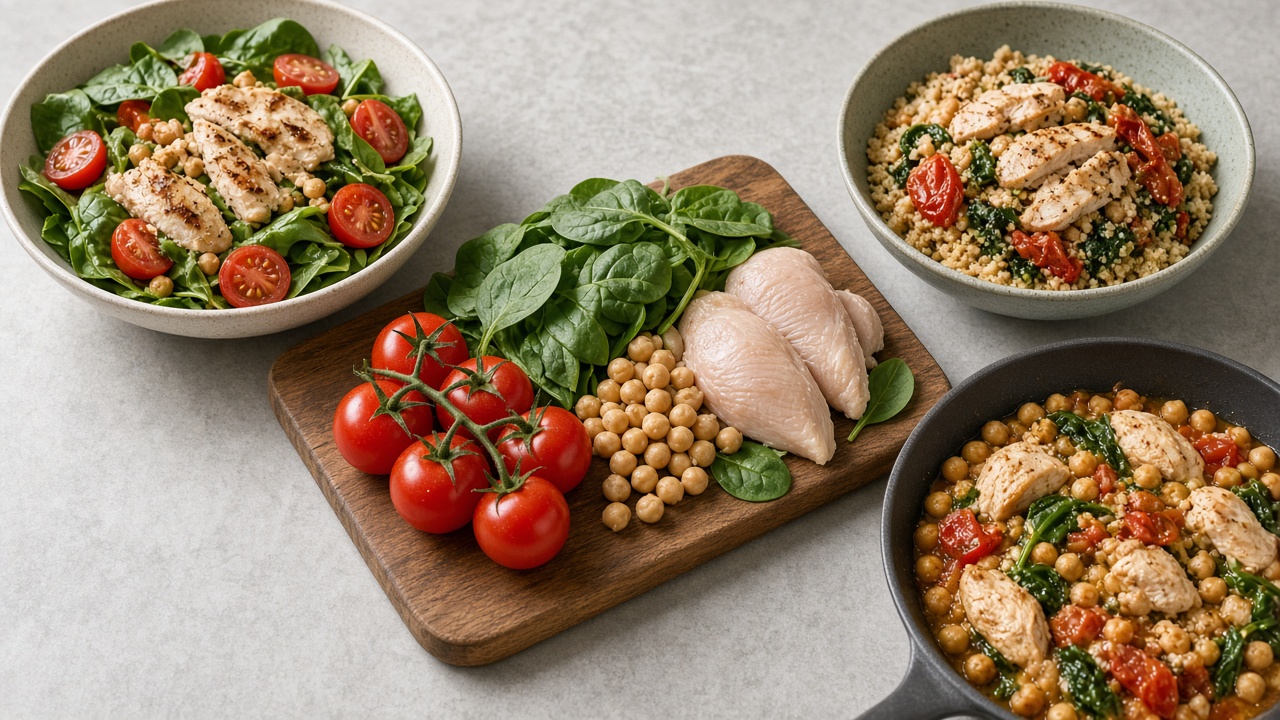
Recipe Planning
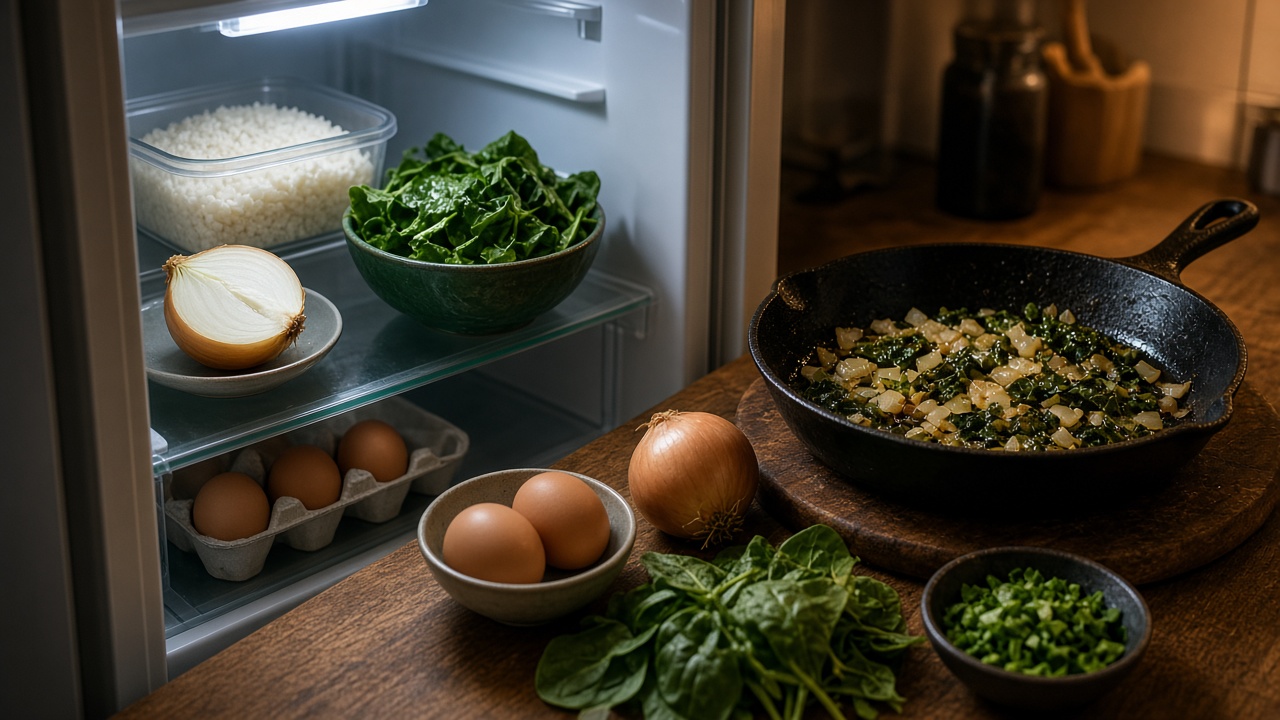
The standard modern meal planning workflow is completely backwards. Most enthusiastic home cooks browse Pinterest, Instagram, or food blogs on Sunday morning, find five visually stunning recipes, compile a massive 35-item shopping list, and head directly to the supermarket. When they return home with bags of fresh groceries, they are confronted with an uncomfortable reality: their refrigerator is already packed with half-empty jars of marinara, wilting celery stalks, softening zucchini, and leftover cooked rice.
To fit the new groceries, older perishables get shoved into the dark rear recesses of the bottom shelves. By Thursday, those ignored ingredients have dissolved into brown slime and fuzzy mold. The average American family throws away roughly $1,500 to $2,200 worth of edible food every single year. The solution is an operational flip known as Reverse Meal Planning: you plan your meals around what must be eaten first, purchasing only the exact missing puzzle pieces needed to turn current stock into complete dinners.
The 3-step reverse meal planning audit
Every Sunday before writing a single shopping item, execute this 10-minute culinary triage:
- Step 1: The Crisper Drawer Inspection: Identify perishables that have 48 to 72 hours of peak life remaining (softening bell peppers, wilting leafy greens, scallions, open dairy cartons). These items become the non-negotiable foundations for Monday and Tuesday dinners.
- Step 2: The Pantry & Grain Audit: Check open bags of rice, quinoa, half-boxes of pasta, and canned legumes. Pair these shelf-stable carbohydrates with your expiring produce.
- Step 3: The Gap-Fill Grocery List: Only now do you write a grocery list. You shop exclusively for the missing proteins or fresh herbs needed to turn your current stock into delicious, complete meals.
The 4 universal "catch-all" culinary vehicles
Professional restaurant chefs rarely throw away vegetable scraps or surplus proteins. They channel leftover odds and ends into four versatile, high-flavor culinary templates:
- The Cast-Iron Vegetable Frittata: Sauté softening bell peppers, wilting baby spinach, diced onions, and leftover cooked potatoes in olive oil; pour over 6 beaten eggs with a handful of cheese and bake at 375°F (190°C) for 15 minutes. Rescues virtually any vegetable or cheese.
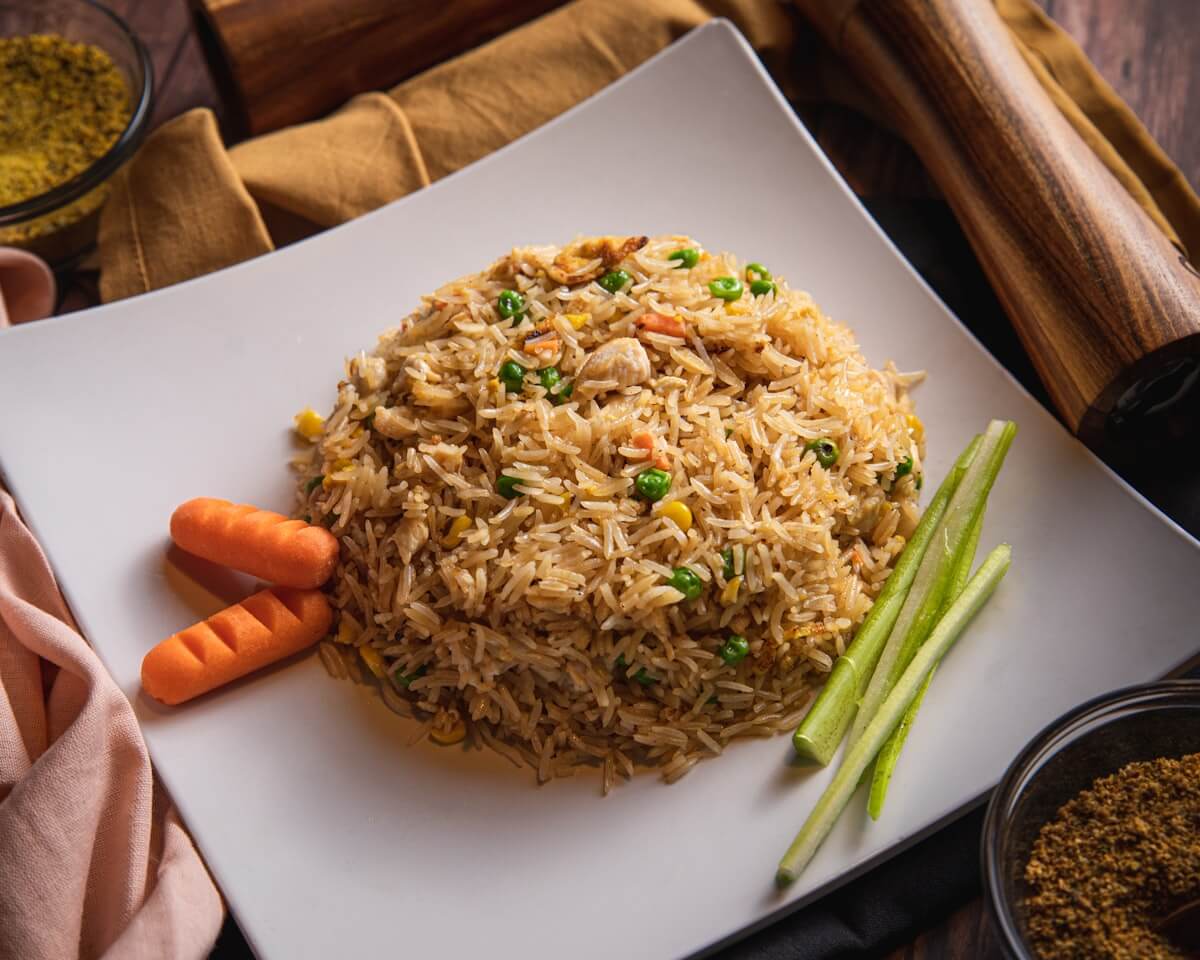
- The 10-Minute Wok Fried Rice: Day-old chilled rice has retrograded starch that fries crisply without clumping. Sauté diced carrot ends, scallions, and cabbage in sesame oil with ginger, toss in chilled rice, scramble two eggs, and splash with tamari.
- The Tuscan White Bean or Lentil Stew: Simmer limp celery, carrots, wrinkly tomatoes, and garlic in olive oil; add vegetable broth, canned cannellini beans or lentils, and toss in chopped stems of kale or chard. Finish with a parmesan rind simmered in the broth for deep umami.
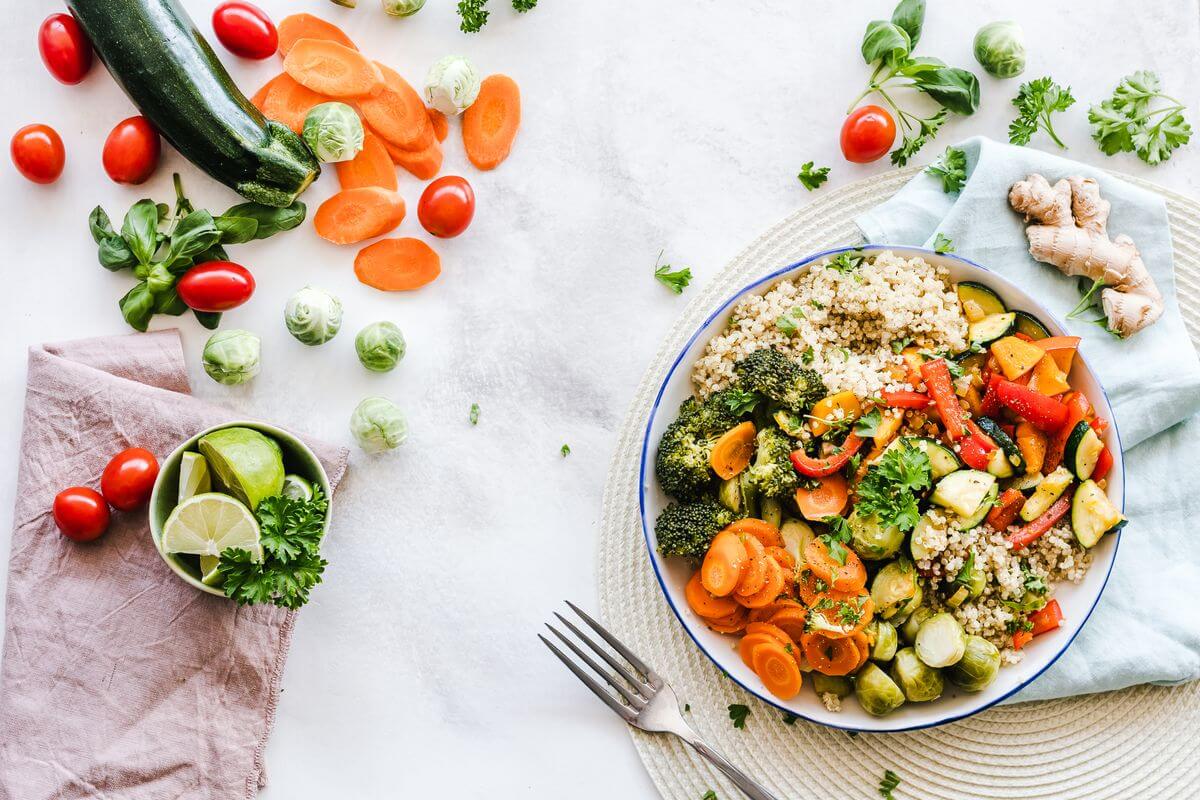
- The Crisper-Sweep Grain Bowl: Roast every remaining vegetable (broccoli stems, sweet potato ends, cauliflower florets) on a single sheet pan at 400°F (204°C); serve over cooked quinoa and drizzle with a fast lemon-tahini dressing.
7-day refrigerator recovery meal plan
This plan demonstrates how to systematically clear out an existing refrigerator before introducing new groceries. Scale portions with our servings scaler.
| Day | Primary Fridge Surplus Used | Dinner Recipe Solution | Prep Method & Culinary Technique |
|---|---|---|---|
| Monday | Wilting baby spinach, open block of feta, eggs | Mediterranean spinach & feta skillet frittata with warm toast | Sauté 4 cups wilting spinach in olive oil until reduced; bake with beaten eggs and crumbled feta. |
| Tuesday | Leftover cooked white or brown rice, scallion ends, frozen peas | Savory cauliflower fried rice (or real rice) with seared tofu | Sear day-old chilled rice and vegetables hot in sesame oil and tamari; crack eggs into skillet center. |
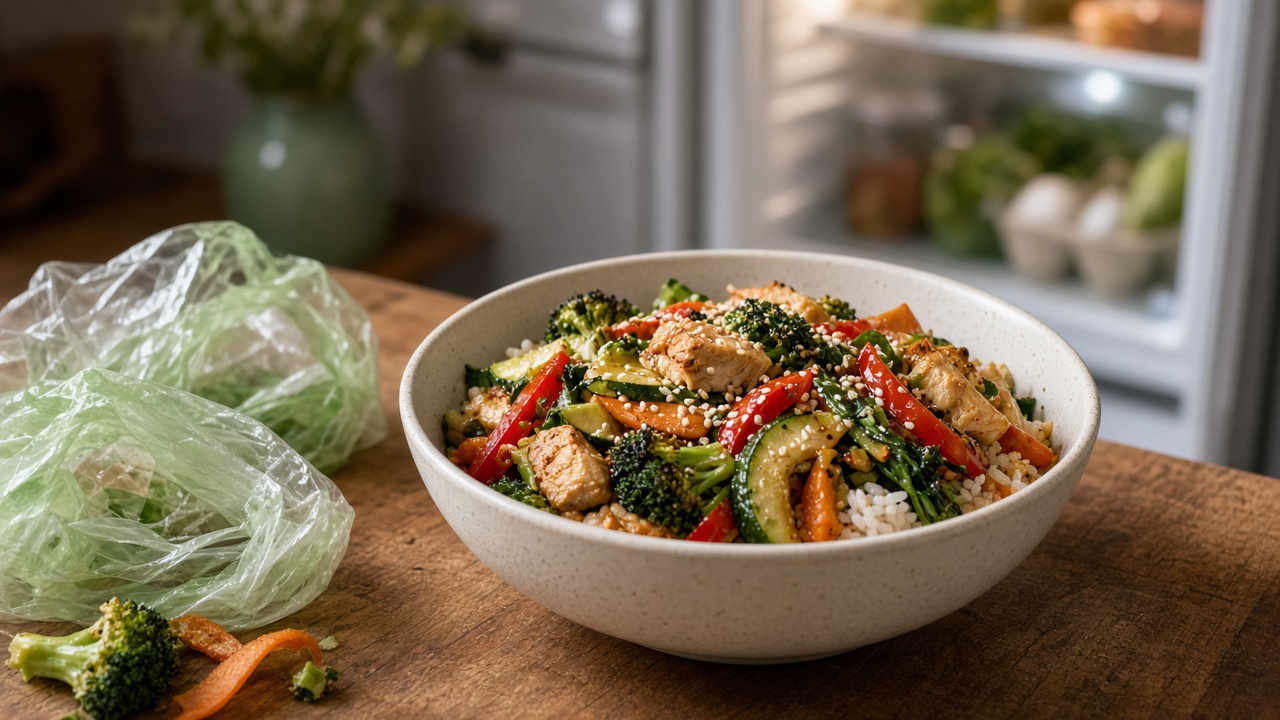
| Wednesday | Half-head cauliflower, softening carrots, opened coconut milk | Golden pan-seared vegetable stir-fry with tofu with ginger glaze | High-heat wok searing restores crisp texture to softer vegetables; finish with sesame seeds. |
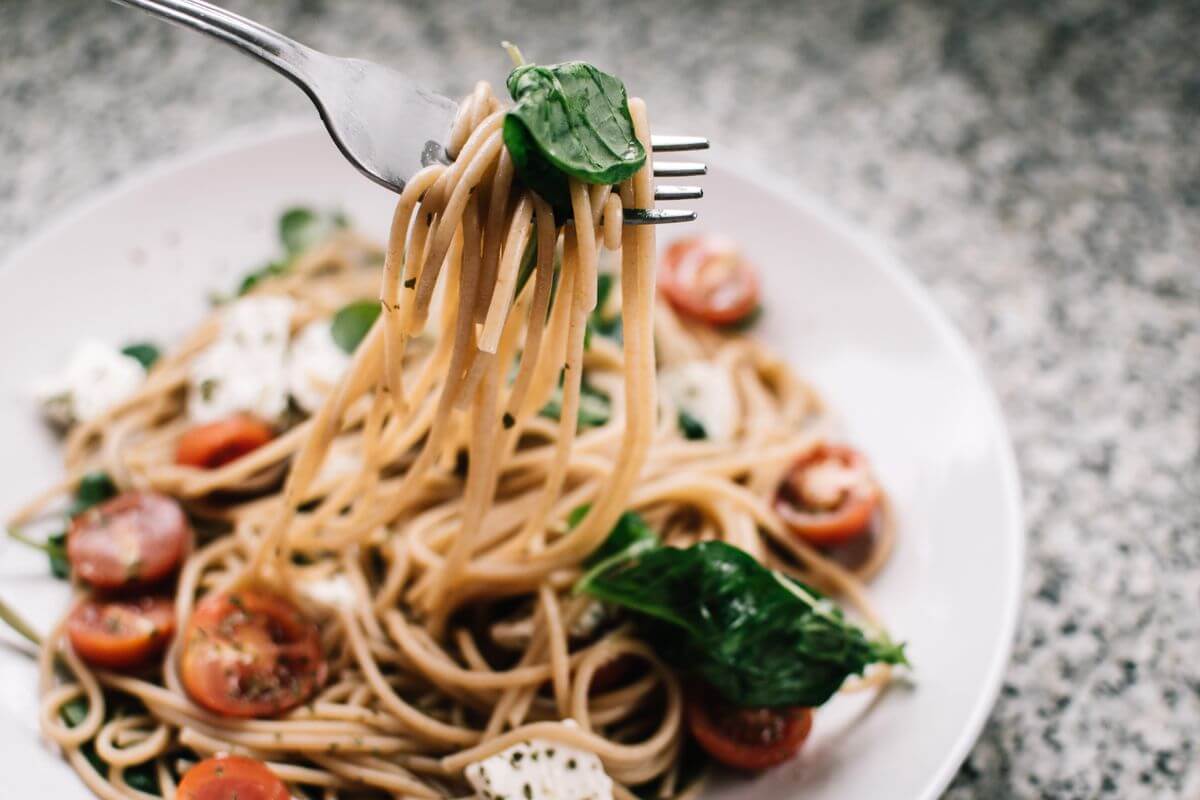
| Thursday | Opened jar of marinara, half-box pasta, button mushrooms | Rich mushroom and spinach pasta with garlic and olive oil | Sauté sliced mushrooms until golden; deglaze with residual marinara and toss with al dente pasta. |
| Friday | Wrinkly cherry tomatoes, half-used garlic bulb, capers | Tender oven-baked baked cod with cherry tomatoes and green beans | Roast softening cherry tomatoes with cod fillets; bursting tomatoes create an instant pan sauce. |
| Saturday | Half-can chickpeas, open whole wheat tortillas, limp cucumbers | Handheld mediterranean chickpea wraps with tahini drizzle | Mash chickpeas with lemon, cumin, and tahini; roll into tortillas with sliced cucumbers. |
| Sunday | Celery ends, carrot nubs, half an onion, dry brown lentils | Simmering pot of hearty lentil soup with crusty bread | Classic French mirepoix soup base clears out all remaining root vegetables; yields 4 freezeable portions. |
The financial and environmental impact of cooking from current stock
Discarding food is the equivalent of throwing cash directly into the garbage can. When you commit to a weekly "Fridge-First" meal planning rhythm, the compounding benefits are extraordinary:
- $125+ Monthly Grocery Savings: Eliminating spoiled perishables immediately reduces your weekly grocery bill by 20% to 30%. You purchase fewer items and consume 100% of what you buy.
- Reduced Landfill Methane Emissions: When organic food waste rots in municipal landfills, it decomposes anaerobically, generating potent methane gas (which has 28 times greater warming potential than carbon dioxide). Eating your groceries is direct climate action.
- Cleaner, Safer Refrigerators: Refrigerators free of forgotten, moldering containers maintain lower humidity, eliminate foul odors, and prevent cross-contamination of fresh foods.
Use our interactive leftover finder to input the ingredients currently inside your refrigerator and generate instant chef-crafted recipes, and check our guide to stopping food waste at home.
What fails: 5 mistakes in cooking from the fridge
- Shopping before auditing current inventory: Walking into a supermarket without opening your refrigerator door ensures you will repurchase items you already own (mustard, onions, celery), accelerating domestic waste. Always audit first.
- Storing vegetables in suffocating supermarket plastic bags: Thin plastic bags trap vegetable respiration moisture, creating a greenhouse effect that accelerates bacterial decomposition. Remove vegetables from plastic bags, wrap in paper towels, and store in ventilated crisper drawers.
- Throwing away edible stems and tops: Broccoli stems, cauliflower leaves, and beet greens are completely edible and packed with fiber and vitamin C. Peel the tough outer skin of broccoli stalks, slice into tender coins, and toss into stir-fries.
- Failing to freeze before spoilage occurs: If you realize on Wednesday that you cannot cook four chicken cutlets or a pot of soup before leaving town, freeze them immediately. Waiting until Saturday when the meat smells questionable is too late.
- Treating leftovers as inferior second-class food: Viewing leftovers as punishment leads to food avoidance. Reframe leftovers as pre-prepped culinary building blocks: yesterday's roasted chicken becomes today's gourmet chicken salad or taco filling.
Frequently asked questions
How do I know if refrigerated vegetables are still safe to cook?
Slightly limp carrots, celery, or wrinkly peppers are completely safe to cook in soups, stews, and roasted dishes (they have simply lost cellular moisture). However, if vegetables exhibit visible mold, fuzzy white or grey patches, slimy liquified breakdown, or foul sour odors, discard them immediately.
Can limp celery and carrots be crisped back to life?
Yes. Trim the ends of limp celery stalks or peeled carrots and stand them upright in a jar of ice-cold water in the refrigerator for 30 to 45 minutes. Osmosis draws water back into the plant cells, restoring rigid crispness.
What should I do with leftover vegetable scraps?
Keep a gallon freezer bag labeled "Broth Scraps" in your freezer. Whenever you chop onions (skins included), carrots, celery, or leeks, toss the clean ends and peels into the bag. When full, simmer with water, peppercorns, and bay leaves for 60 minutes to yield rich, free homemade vegetable broth.
How does the Leftover Finder tool work?
Our free leftover finder allows you to check off whatever ingredients are sitting in your crisper drawer right now. The tool matches your stock against hundreds of kitchen-tested recipes, showing you exactly what delicious dinners you can cook tonight without spending a dollar at the store.