Recipe Planning
Open your kitchen pantry right now. Past the boxes of cereal and half-opened bags of chips, you will almost certainly find a landscape of overlooked culinary wealth: three different bags of rice with barely a cup left in each, two cans of chickpeas purchased for a recipe six months ago, a bag of red lentils tucked behind the flour bin, four mismatched shapes of dry pasta, and jars of canned crushed tomatoes. Yet despite cupboards filled with shelf-stable food, most households find themselves ordering £35 takeout on Wednesday evening or spending £120 at the grocery store on fresh groceries that end up crowding an already congested refrigerator.
This psychological blind spot is known as pantry blindness. When dry ingredients do not look like an assembled, ready-to-eat dinner on a glossy restaurant menu, the human brain perceives the cupboard as "empty." In reality, the average home pantry contains between seven and fourteen days of balanced, calorie-dense, and deeply satisfying dinners waiting to be unlocked. A dedicated pantry clean-out week is the single fastest way to instantly save £100 to £180, reclaim prime kitchen cabinet storage, eliminate forgotten food waste, and sharpen your fundamental cooking instincts. This comprehensive guide outlines the three-stage cupboard audit, four universal meal equations, a complete 5-day dinner plan, and the chemical kitchen rules that transform humble dry goods into restaurant-quality weeknight feasts.
Phase 1: The Three-Zone Shelf Audit
Do not attempt a pantry clean-out week by casually rummaging through shelves each evening at 6:30 PM while exhausted. Effective pantry cooking begins on Sunday afternoon with an organized inventory audit that takes less than twenty minutes.
1. Categorize into Functional Culinary Zones
Pull everything out of your main dry-goods cupboard and group items into four distinct operational categories:
- Starch Foundations: Basmati rice, jasmine rice, brown rice, rolled oats, dried pasta (spaghetti, penne, macaroni), egg noodles, couscous, quinoa, and flour.
- Protein & Legume Cores: Canned chickpeas, canned black beans, red kidney beans, dried red lentils (masoor dal), brown lentils, yellow split peas, canned wild tuna, and canned salmon.
- Liquid & Acid Bases: Canned whole peeled or crushed tomatoes, tomato paste tubes, coconut milk, canned broth/stock, soy sauce, vinegar (apple cider, white, or rice vinegar), and olive or vegetable oil.
- Flavor Catalysts: Garlic bulbs, whole onions, potatoes, bouillon cubes, dried spices (cumin, coriander, turmeric, chili powder, oregano, smoked paprika), mustard, and honey.
2. Triage Expiration Dates and Food Integrity
Examine the condition of every dry item. Commercial canned goods are extraordinarily resilient; according to food safety authorities, commercially canned acidic foods (tomatoes) remain safe for 12 to 18 months beyond printed dates if the cans are unblemished, while low-acid canned goods (beans, corn, tuna) can remain safe for 2 to 5 years if stored in cool, dry conditions without deep dents, bulging lids, or rust. For dry grains and lentils, inspect for insect intrusion or off-odors from degraded seed oils. Move any bag that has been opened for longer than three months to the front of the shelf for immediate use this week.
3. Inventory the "Orphan Ingredients"
Note the odd fractional portions: that half-cup of dried macaroni, that lonely quarter-can of coconut cream, or that half-jar of roasted red peppers. These are your flavor secret weapons. Orphan starches can be combined into hearty minestrone soups, while orphan fats and acids become rich finishing emulsions for grain bowls.
The Four Universal Pantry Formulas: Math Over Recipes
Rigid recipes often fail during a pantry clean-out week because they require specific fresh garnishes you do not own. Professional cooks do not rely on rigid ingredient lists; they rely on flavor formulas. Once you understand these four culinary blueprints, you can look at whatever is left on your shelf and construct dinner in thirty minutes.
| Formula Name | Structural Architecture | Pantry Example Assemblies | Estimated Cooking Time |
|---|---|---|---|
| 1. The Starch + Legume + Acid Base | 1 cup dry starch + 1 can drained legumes (or 1 cup soaked beans) + 1 cup seasoned tomato or coconut base. | Classic chana masala served over basmati rice, or penne pasta tossed with canned chickpeas, garlic, olive oil, and crushed tomatoes. | 20–25 minutes |
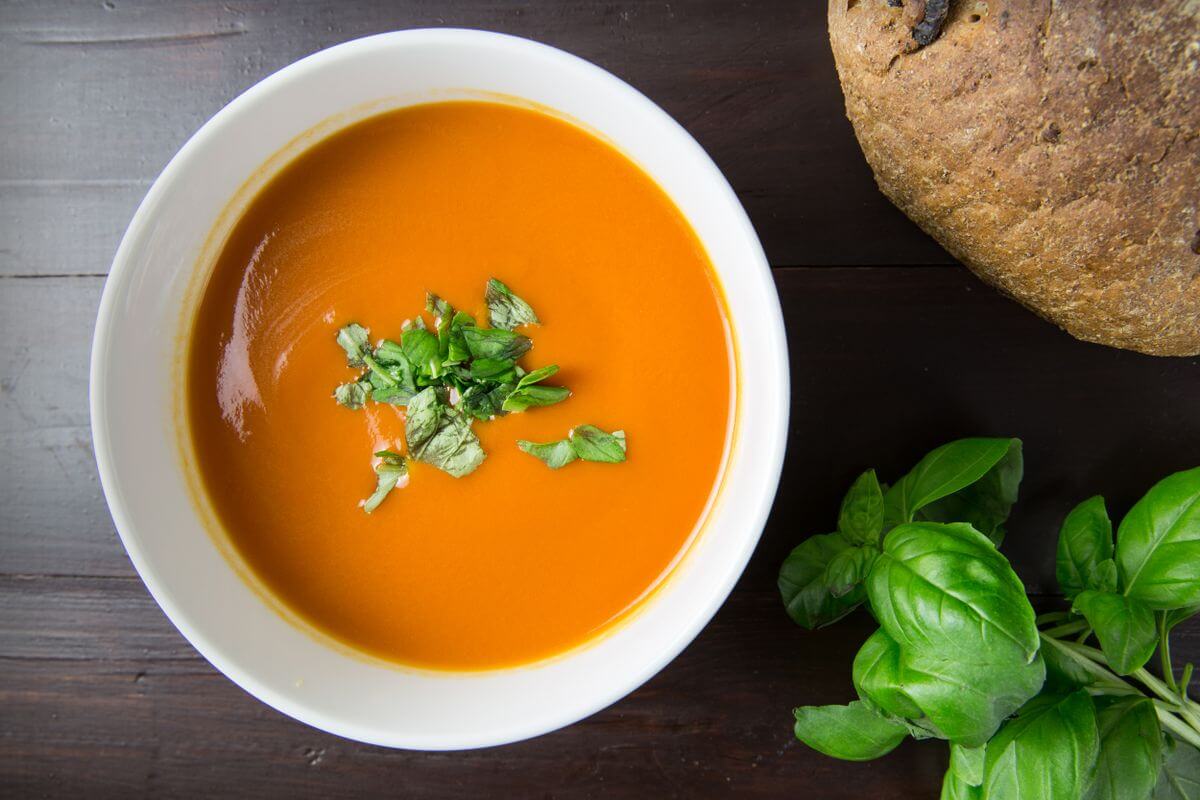
| 2. The Velvety Broth & Legume Simmer | 1 cup split lentils or soaked pulses + 4 cups seasoned broth + aromatics + warm ground spices. | Red lentil and tomato soup with cumin, garlic, and dried oregano; or our creamy tomato basil soup bulked up with cooked white beans. | 20 minutes |
| 3. The Sturdy Comfort Bake | Sautéed lentils or beans + rich reduced tomato-onion gravy + mashed root vegetable or breadcrumb topping. | A vegetarian lentil shepherd’s pie using canned brown lentils, dried thyme, and mashed pantry russet potatoes. | 40 minutes |
| 4. The High-Heat Crispy Roaster | 2 cans drained, bone-dry legumes + 1 tbsp oil + high-intensity spices roasted at 400°F (200°C). | Our crunch-engineered crispy roasted chickpeas tossed with smoked paprika and garlic powder, served over seasoned rice bowls. | 25 minutes |
The 5-Day Zero-Grocery Dinner Plan
Here is a complete, battle-tested 5-day weeknight dinner plan built entirely from standard pantry cupboards, requiring zero grocery purchases:
Monday: Roman Pasta e Ceci (Pasta with Chickpeas and Garlic Oil)
This classic Italian pantry staple relies on humble ingredients to create a deeply luxurious emulsion. In a wide skillet, heat 2 tablespoons of olive oil over medium heat. Sauté 3 cloves of minced garlic and 1/2 teaspoon of red pepper flakes until fragrant (about 60 seconds). Add 1 tablespoon of tomato paste and stir until darkened. Dump in 1 can of drained chickpeas, smashing half of them with the back of a wooden spoon to release their starches. Pour in 2 cups of water or vegetable broth and bring to a simmer. Add 8 oz of dry short pasta (ditalini, macaroni, or broken spaghetti) directly into the simmering pan. Cook, stirring frequently, until the pasta is al dente and has absorbed the liquid, creating a thick, glossy, velvet-like sauce. Finish with cracked black pepper and coarse salt.
Tuesday: Golden Spiced Red Lentil Dal with Fluffy Basmati Rice
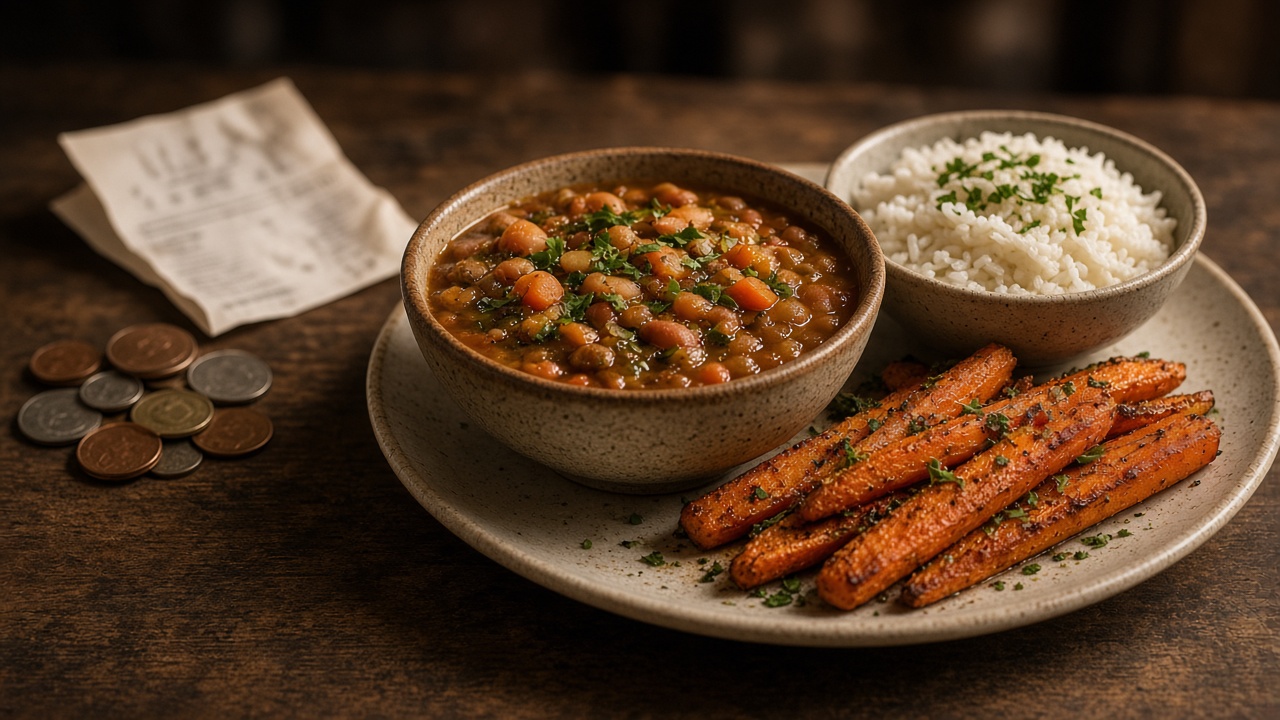
Red lentils (masoor dal) are the crown jewel of pantry cooking because their split husks require zero pre-soaking and dissolve into a comforting porridge in just 18 minutes. Rinse 1 cup of dry red lentils in cold water. In a medium pot, combine the lentils with 3 cups of water, 1/2 teaspoon of turmeric, 1/2 teaspoon of ground cumin, and 1 teaspoon of salt. Bring to a boil, then reduce heat to low and simmer uncovered for 15 minutes until creamy. In a separate small frying pan, prepare a rapid *tarka* (tempered aromatic oil): heat 1 tablespoon of oil or ghee, add sliced garlic, cumin seeds, and a pinch of dried chili powder until golden and crackling, then pour the hot oil directly over the simmering dal. Serve over warm basmati rice, honoring the timeless comfort of daal chawal.
Wednesday: Crispy Black Bean and Rice Skillet with Pantry Salsa
Rinse and drain 1 can of black beans or red kidney beans. In a large cast-iron or nonstick skillet, warm 1 tablespoon of oil. Sauté half a diced onion until translucent. Add 2 cups of leftover cooked rice from Tuesday or freshly steamed rice, tossing it vigorously in the oil to allow the grains to crisp against the hot metal. Stir in the drained black beans, 1 teaspoon of ground cumin, 1/2 teaspoon of smoked paprika, 1/2 teaspoon of garlic powder, and 1/2 cup of canned crushed tomatoes or salsa from the back of the fridge. Cook for 6 minutes until the edges are crispy and fragrant. If you have eggs on hand, fry two eggs sunny-side up and slide them over the rice for rich, golden yolks.
Thursday: Robust Chana Masala with Flatbreads
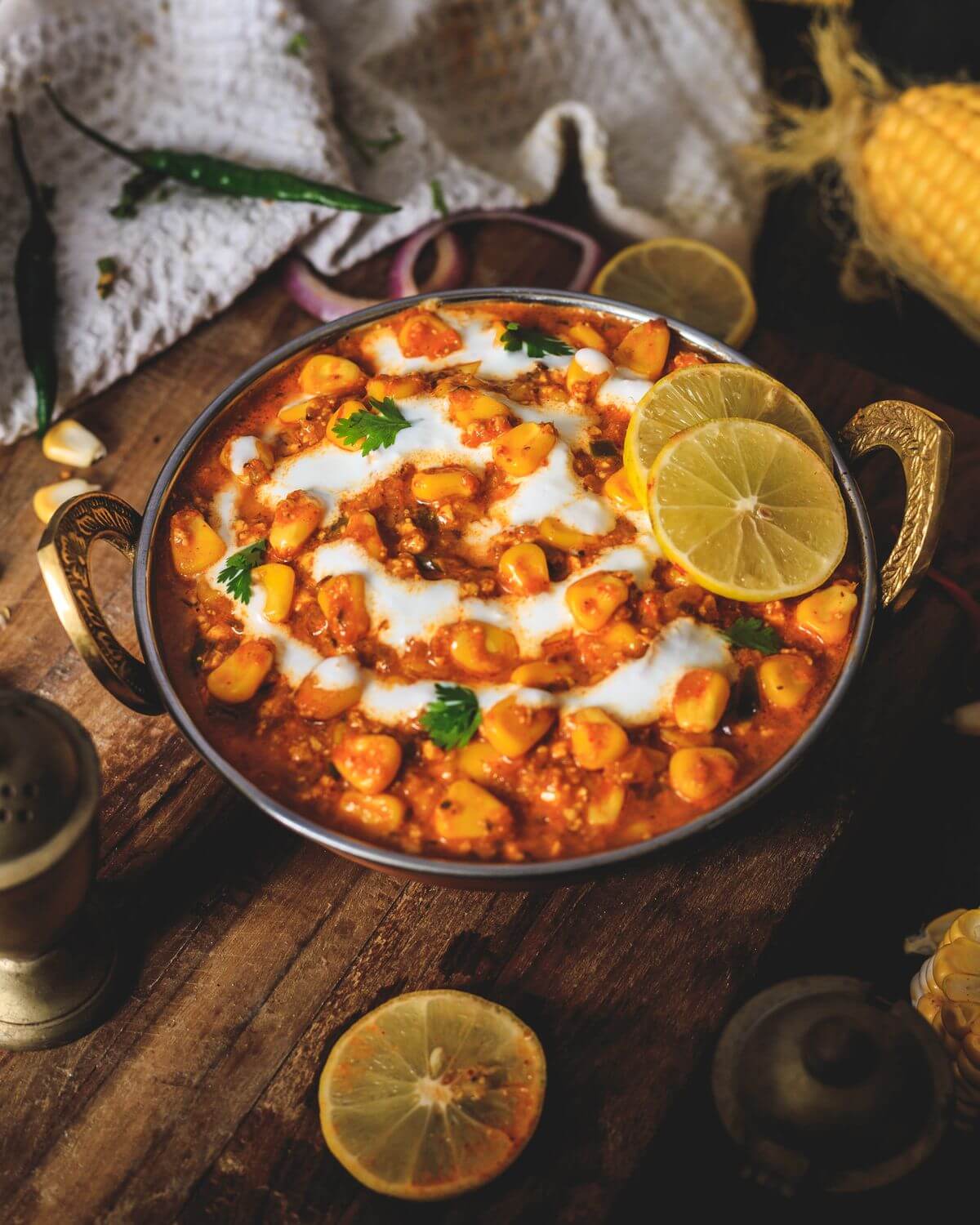
Whole chickpeas hold their shape and texture through deep braising. In a heavy saucepan, cook finely diced onion in oil until deeply caramelized and brown at the edges. Stir in minced ginger and garlic, followed by ground coriander, cumin, garam masala, and 1 can of canned crushed tomatoes. Cook the spice paste until the oil begins to separate from the tomato gravy, then dump in 2 cans of chickpeas along with 1/2 cup of water. Simmer on medium-low heat for 20 minutes, lightly mashing a quarter of the chickpeas to thicken the gravy. Follow our authentic chana masala technique for the perfect balance of tang and heat. Pair with homemade simple stovetop flatbreads made from just flour, water, salt, and oil.
Friday: The "Clean-Out-the-Cupboard" Sesame Fried Rice
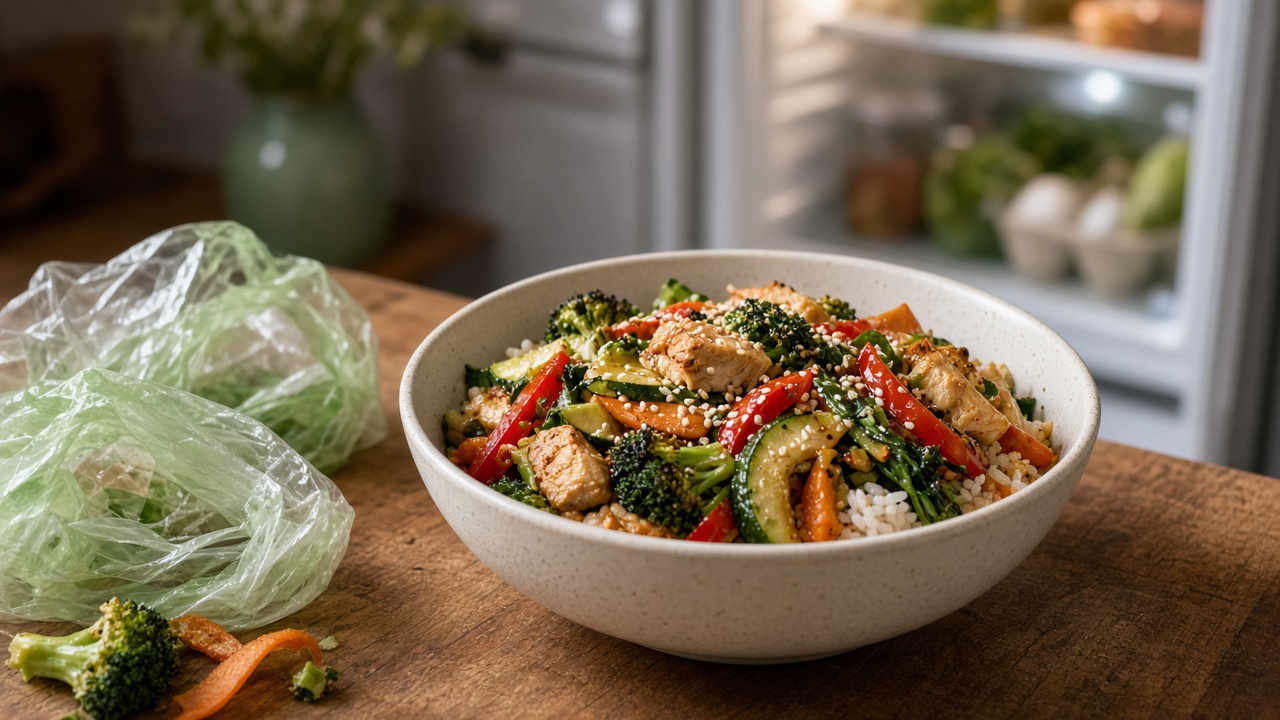
Friday night is designated for sweeping up remaining pantry loose ends. Take any leftover cooked grains from the week. In a screaming-hot wok or skillet, heat vegetable oil. Scramble two beaten eggs (or canned tuna/tofu if preferred) and set aside. Toss in whatever frozen vegetables you have in the freezer (peas, corn, chopped spinach) along with minced garlic. Add the cold cooked rice, breaking up clumps with a spatula. Drizzle with 2 tablespoons of soy sauce, 1 teaspoon of vinegar, and a dash of sesame oil or red chili flakes. Toss over maximum heat for 3 minutes until grains are toasted and fragrant. Dinner is on the table in 10 minutes, your pantry is cleared, and your grocery bill for the week is exactly £0.
The $7 "Emergency Bridge" Exception
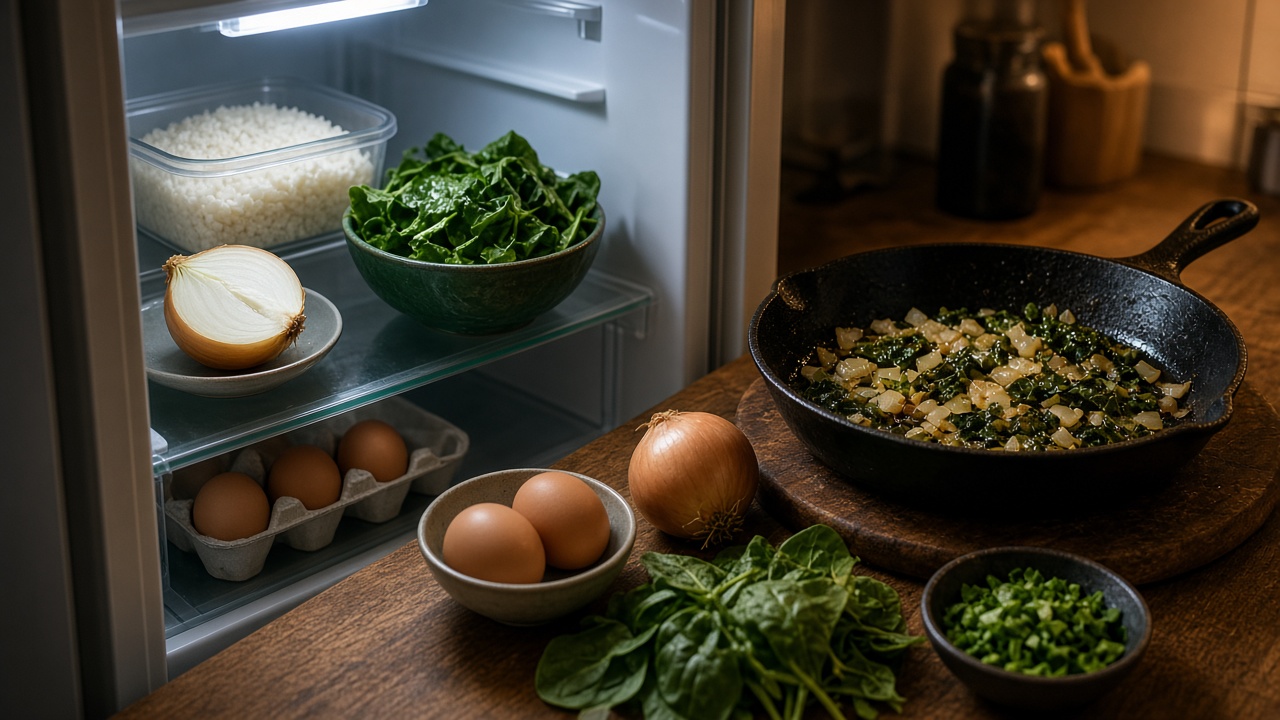
What if your pantry is 90% stripped, and you only have dried grains and legumes without a single onion or head of garlic in sight? Rather than abandoning your clean-out week and spending £120 on an impulse grocery trip, make an intentional, disciplined **£7 Bridge Run**. Purchase strictly three high-leverage ingredients that unlock flavor across multiple meals:
- A 3-lb mesh bag of brown onions (£1.50): Onions are the chemical backbone of caramelized flavor, broths, and curries. Without onions, stews taste flat and watery.
- A carton of fresh eggs (£2.50): Eggs provide instantaneous, high-biological-value protein. A fried egg turns a bowl of beans and rice into a decadent dinner; beaten eggs turn dry flour into fresh pasta or pancakes.
- A 2-lb bag of frozen green peas or chopped spinach (£2.00): Frozen greens add immediate visual brightness, dietary fiber, vitamin C, and fresh texture to dry grains, curries, and soups without the risk of rotting in your crisper drawer.
The Food Science of Dry Legumes: Avoiding Cooking Disasters
Cooking with dry pantry staples involves fundamental food chemistry. Understanding these three rules prevents tough beans, mushy rice, and flat sauces:
1. The Acid Timing Rule for Legumes
The pectin inside legume cell walls requires heat and neutral-to-alkaline water to dissolve, which allows the beans to soften. Acid (such as vinegar, lemon juice, wine, or canned tomatoes) strengthens pectin chains and permanently prevents dried beans from absorbing water. If you cook dried chickpeas or kidney beans in a tomato-heavy broth from the start, they will remain rock-hard even after four hours of boiling. **The Rule:** Always boil dried beans in plain water with a pinch of baking soda until fully tender before adding acidic canned tomatoes or citrus.
2. Emulsifying Starch Water for Pasta
When cooking dried pasta with simple pantry canned ingredients, never pour all the starchy boiling water down the sink drain. As pasta cooks, amylose and amylopectin starches leach into the water. Scooping out 1/2 cup of cloudy pasta water and vigorously whisking it into your olive oil, garlic, and tomato paste creates an emulsion that clings to the pasta rather than pooling in an oily puddle at the bottom of the bowl.
3. Blooming Stale Ground Spices in Hot Oil
Spices that have lingered in your cupboard for eight months lose their surface volatile aroma compounds. Dumping stale ground cumin or coriander directly into simmering water results in a dusty, dull flavor. Instead, always **bloom** dry spices in hot oil or melted butter for 30 to 45 seconds before adding liquids. The hot fat dissolves the fat-soluble flavor compounds trapped in the center of the ground spice, instantly reviving their fragrant aroma.
What Fails: 5 Costly Pantry Mistakes to Avoid
Make sure your clean-out week succeeds by avoiding these five frequent traps:
- Abandoning the Plan on Wednesday: Wednesday is the universal danger zone. You feel tired, and takeout calls to you. Combat this by planning your quickest 15-minute meal (like pasta e ceci or fried rice) for Wednesday night.
- Under-Salting Grains and Starches: Rice, pasta, and dry beans absorb salt during the cooking process. Salting only at the very end leaves the center of the starch bland and lifeless. Salt your pasta water until it tastes like mild seawater, and season cooking broths generously.
- Forgetting Acid and Brightness: Heavy meals made of beans, rice, and lentils can feel dense and monotonous. A single teaspoon of red wine vinegar, a dash of pickle brine from an open jar, or a squeeze of lemon cuts through the starch and makes the dish sing.
- Cooking Monolithic Textures: A bowl of soft lentils over soft rice with soft canned tomatoes feels like baby food. Always add texture: top your dishes with crispy roasted chickpeas, toasted breadcrumbs, crunchy crushed peanuts, or crisp fried onions.
- Restocking Before Finishing: Do not head to the supermarket on Thursday "just to pick up a few things for the weekend." Finish Friday’s clean-out dinner first. You will enter your weekend grocery run with completely clear shelves and an accurate sense of what you actually need.
Automate Your Next Grocery Reset with Free Digital Tools
Once you conquer pantry clean-out week, keep your kitchen streamlined and prevent cupboard clutter from accumulating again with our interactive tools:
- Have mystery ingredients left on your shelves? Input them into our smart leftover finder to discover recipes that use exactly what you have on hand.
- Plan your post-clean-out grocery cycle with the meal plan generator so you only buy ingredients mapped to specific dinners.
- Generate a clean, aisle-by-aisle shopping checklist that prevents duplicate impulse buys with the grocery list generator.
- Adjust any recipe to the exact size of your household with the servings scaler.
Frequently Asked Questions
Are canned beans and chickpeas as healthy as dried beans?
Yes. Canned legumes offer virtually identical protein, dietary fiber, complex carbohydrate, and micronutrient profiles to beans cooked from scratch. The primary difference is sodium content, as commercial canning liquid contains salt for preservation. Rinsing canned beans in a fine mesh colander under cold running water for 30 seconds removes up to 40% of the surface sodium while retaining all the nutritional benefits.
How can I tell if dried spices in my pantry are still safe to use?
Dried spices never spoil or become toxic over time because their moisture content is too low to harbor bacteria or mold. However, their essential oils evaporate. To test potency, crush a pinch of dried oregano, cumin, or curry powder between your fingers: if the scent is sharp and aromatic, use it; if it smells faint or like dry dust, double the quantity in your cooking or bloom it in hot oil for 45 seconds to extract any remaining flavor.
What can I do with mismatched pasta shapes with different cooking times?
Do not throw different pasta shapes into the pot simultaneously, as small macaroni will turn to mush while thick rigatoni remains raw in the center. Either cook them in separate staggered batches according to their box instructions, or break all leftover shapes into uniform 1/2-inch shards and simmer them directly into a thick tomato-vegetable minestrone soup where varying textures enhance the rustic feel.
Is it safe to consume canned food past its printed "Best By" date?
Yes, provided the can is structurally sound. "Best By" dates indicate manufacturer peak flavor quality, not food safety. As confirmed by the USDA, canned foods remain completely safe indefinitely if the metal container shows no signs of swelling, deep side dents, rust, or leaking, and if the food inside smells normal upon opening without hissing or spraying pressurized liquid.