Recipe Planning
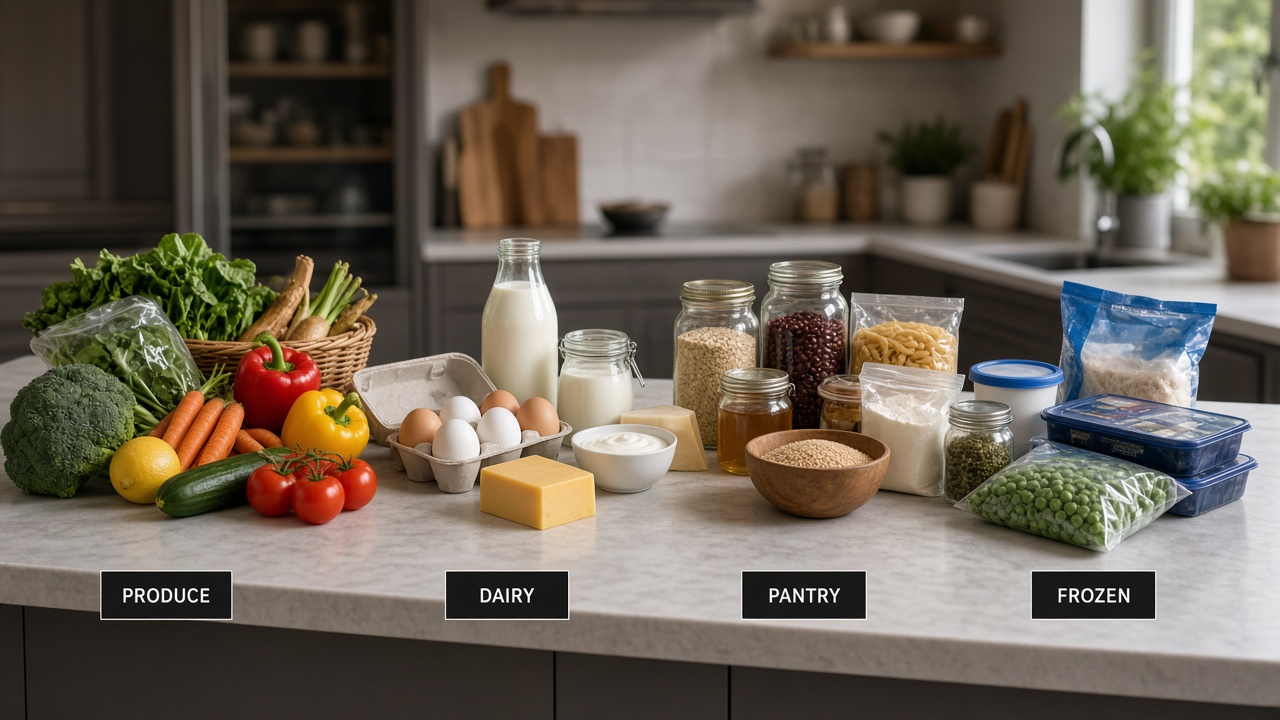
Here is how a standard, unoptimized weekly meal plan collapses at the supermarket: Monday calls for two tablespoons of fresh cilantro and a dollop of sour cream. Tuesday demands fresh rosemary and heavy cream. Wednesday asks for lemongrass and coconut milk. Thursday requires fresh dill and tzatziki. By the time you exit the grocery store, your shopping cart holds 42 individual items, you have spent $165, and your refrigerator is stuffed with containers that will only be used once.
By Friday, the inevitable waste materializes: three-quarters of a bunch of black, slimy cilantro; half a carton of moldy heavy cream; and limp sprigs of dried rosemary. This phenomenon is known as the "Orphan Ingredient Problem." High-efficiency kitchens avoid this trap through Shared-Ingredient Meal Planning. By deliberately selecting seven dinners that rotate around five core anchor ingredients—differentiating them through regional spices, cooking techniques, and acid profiles—you keep your grocery list under 18 total items while enjoying extraordinary culinary diversity.
The anchor + accents culinary matrix
The secret to shared-ingredient planning without feeling like you are eating the same meal seven times is separating ingredients into two distinct operational categories:
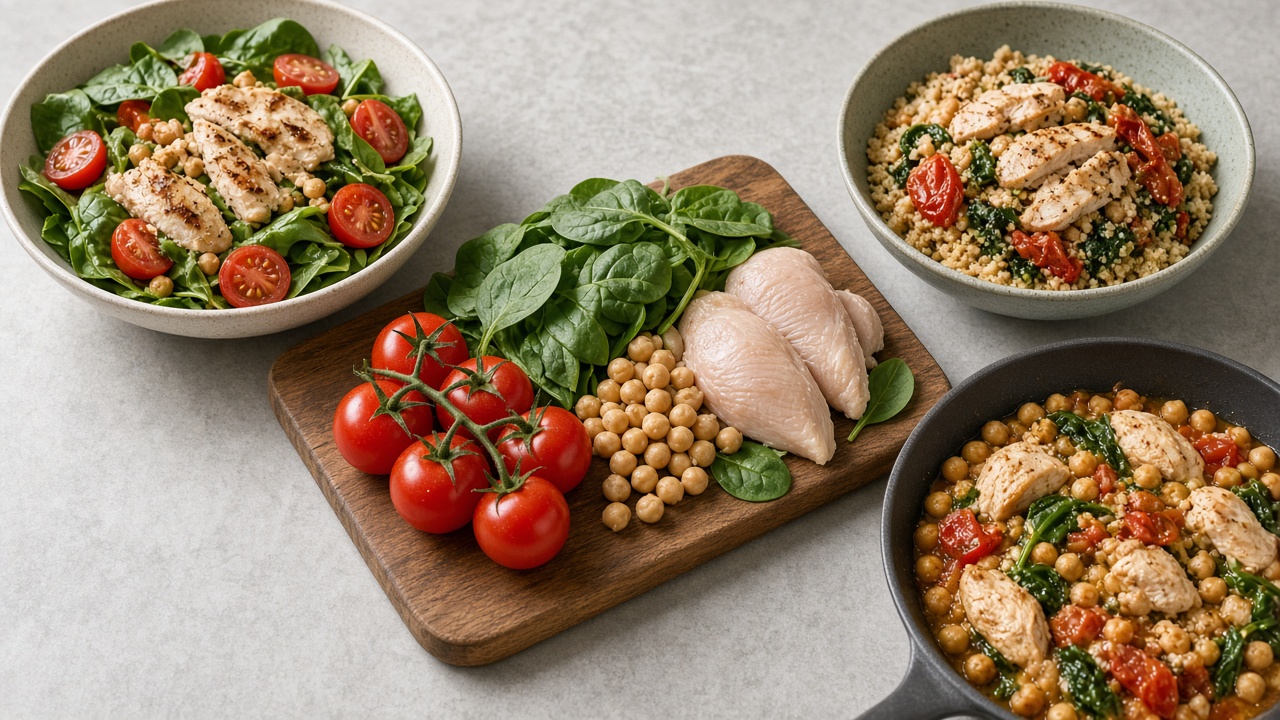
- The 5 Shared Anchors (Bulk Perishables): These are high-volume fresh items purchased in cost-effective family sizes: chicken breasts, brown lentils, sweet potatoes, baby spinach, and lemons. These five workhorses appear across all seven dinners in different forms.
- The Flavor Accents (Pantry Shelf-Stables): These are dried spices, vinegars, and condiments you already own in your pantry: Mexican cumin and smoked paprika, Greek oregano and garlic, Indian curry powder and turmeric, Japanese tamari and sesame oil. Accent spices transform the same base chicken and spinach into completely different cultural experiences.
7-day shared-ingredient dinner schedule
Notice how chicken breasts, lentils, sweet potatoes, baby spinach, and lemons carry the entire week without taste fatigue. Portions can be tailored with our servings scaler.
| Day | Dinner Recipe Solution | Shared Anchors Utilized | Cultural Flavor Accent | Culinary Transformation Strategy |
|---|---|---|---|---|
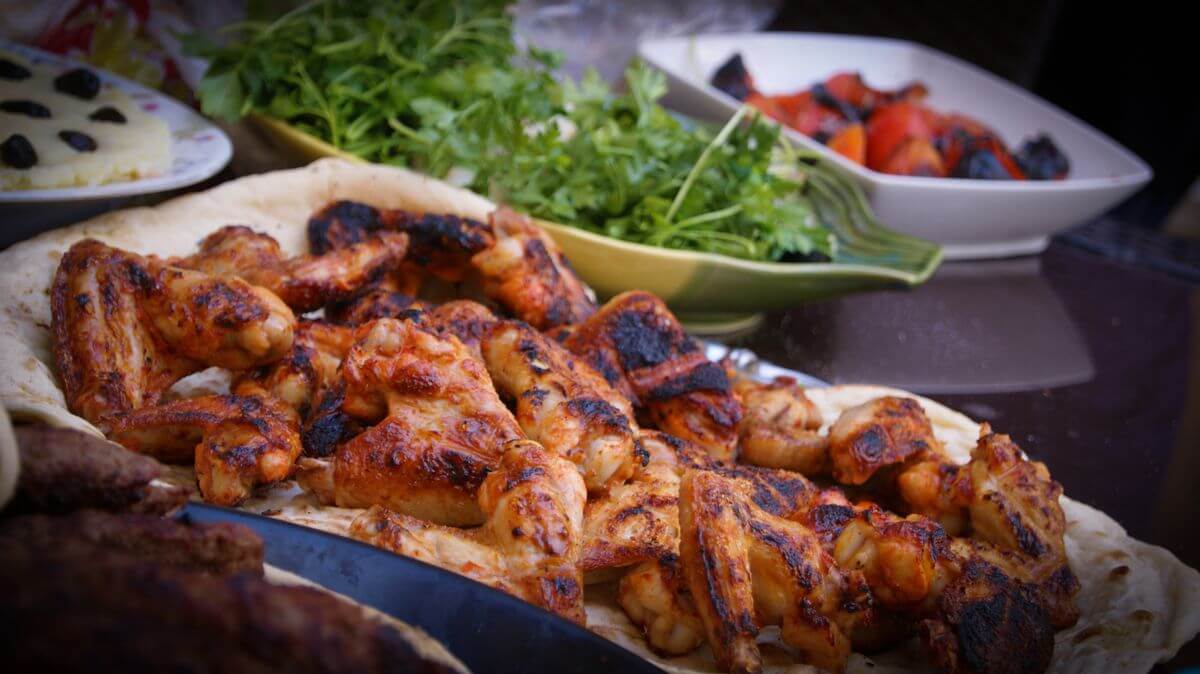
| Monday | Juicy sheet-pan lemon herb chicken with roasted sweet potatoes | Chicken breasts, sweet potatoes, lemons | Greek (Garlic, dried oregano, olive oil) | Sear chicken cutlets with sweet potato cubes on single sheet pan at 400°F (204°C). |
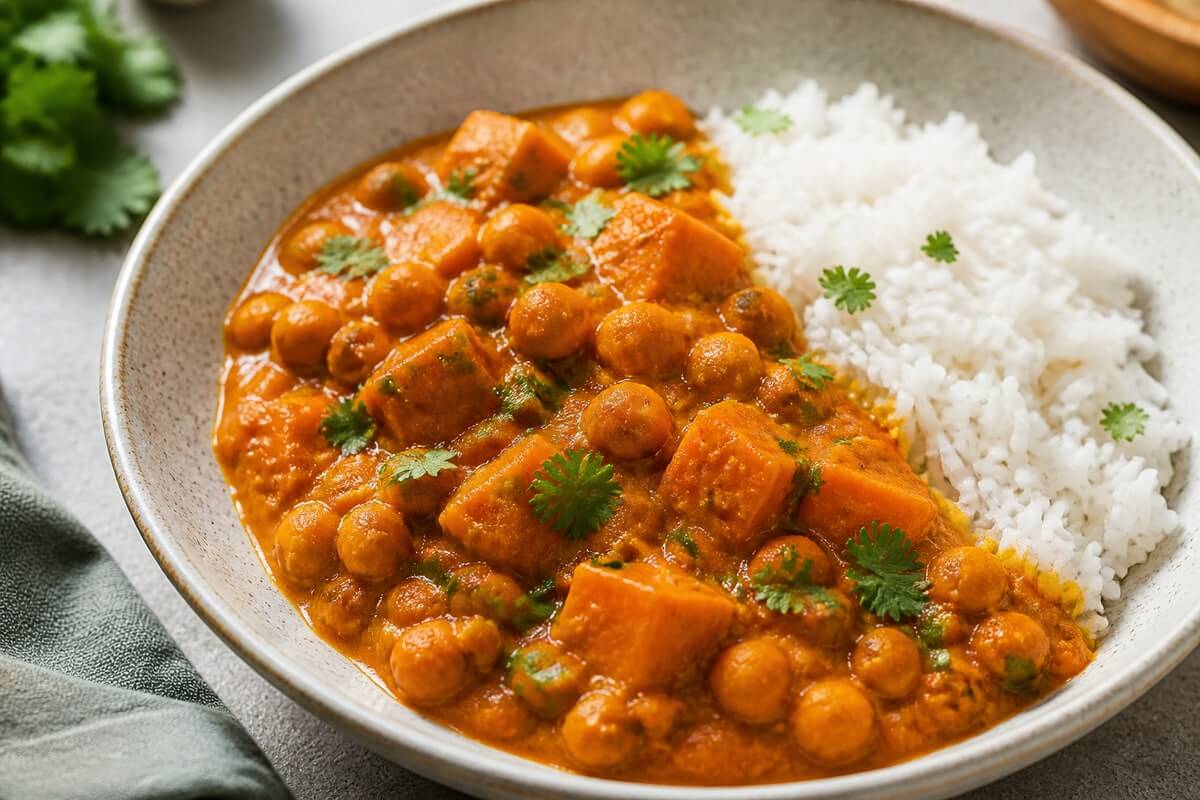
| Tuesday | Fragrant chickpea and sweet potato curry with baby spinach | Sweet potatoes, baby spinach, canned chickpeas | Indian (Curry spices, ginger, coconut milk) | Simmer sweet potato cubes in spiced coconut broth; fold in fresh baby spinach at the end. |
| Wednesday | Comforting bowl of hearty lentil soup with crusty bread | Brown lentils, baby spinach, lemons | French (Mirepoix, thyme, red wine vinegar) | Simmer brown lentils with root vegetables; stir in spinach and finish with fresh lemon juice. |
| Thursday | Charred greek chicken skewers with tzatziki and chopped salad | Chicken breasts, lemons, baby spinach | Mediterranean (Dill, garlic, cucumber tzatziki) | Thread marinated chicken breast cubes onto skewers; broil and serve over fresh baby spinach. |
| Friday | Savory Thai-style peanut noodle bowl with shredded vegetables | Baby spinach, shredded chicken, peanuts/sunbutter | Thai (Tamari, lime juice, ginger, sesame) | Toss warm noodles with shredded pre-cooked chicken breast, fresh baby spinach, and peanut sauce. |
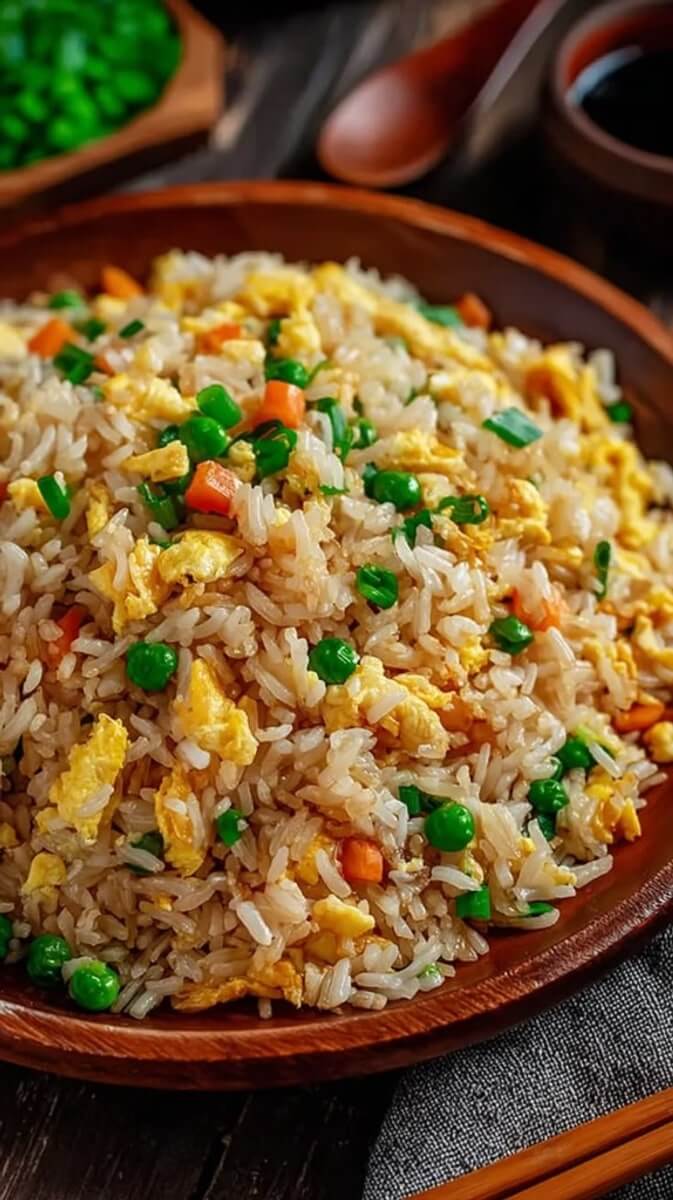
| Saturday | Golden pan-seared vegetable stir-fry with tofu over brown rice | Baby spinach, sweet potatoes, tofu | East Asian (Sesame oil, garlic, tamari) | Cube sweet potatoes small and steam; sear in wok with tofu cubes and baby spinach leaves. |
| Sunday | Sunday Kitchen Reset: Mediterranean grain bowls with lemon tahini | Lentils, sweet potatoes, baby spinach, lemons | Middle Eastern (Toasted tahini, garlic, cumin) | Combine all remaining prepped roasted sweet potatoes, cooked lentils, and fresh baby spinach. |
The 18-item master grocery list
Because the meals share ingredients, your supermarket list is dramatically consolidated into under 18 items:
- Proteins: 3 lb boneless skinless chicken breasts, 1 package extra-firm organic tofu, and 1 dozen pasture-raised eggs.
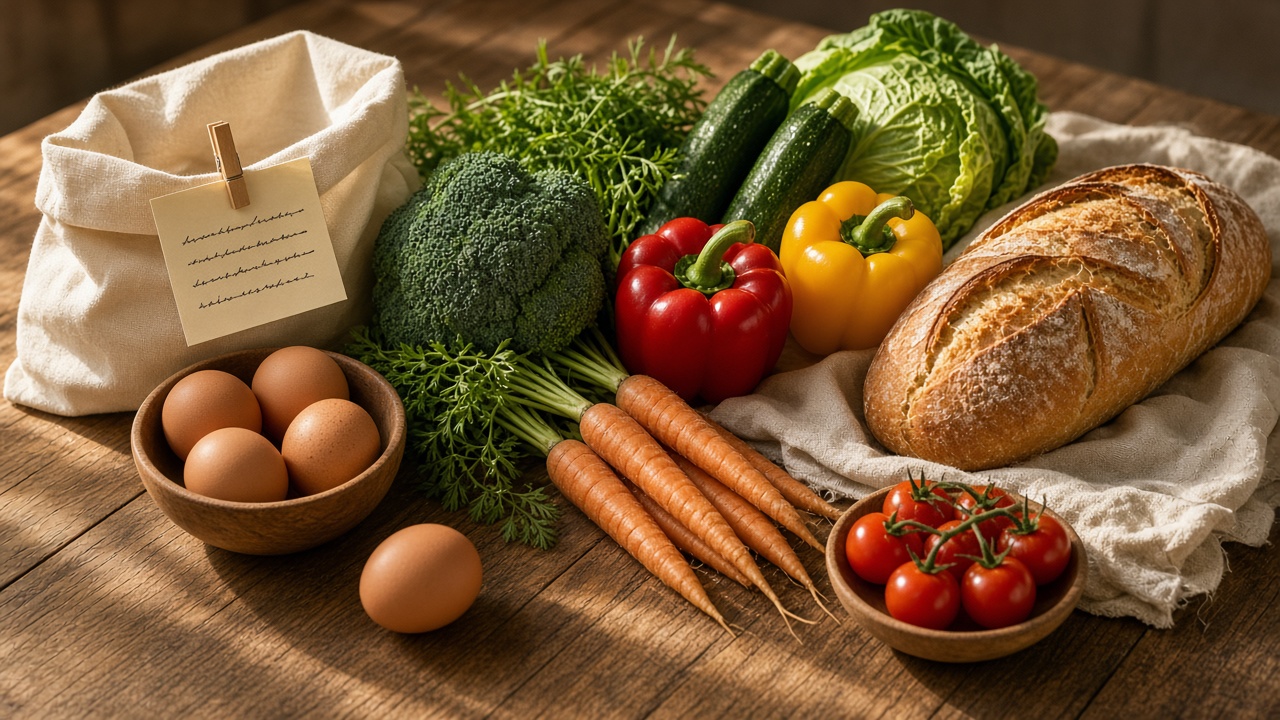
- Produce: 4 large sweet potatoes, 2 large containers (16 oz total) fresh baby spinach, 1 bag yellow onions, 1 bunch celery, 1 bunch carrots, 6 fresh lemons, and 2 garlic heads.
- Pantry Staples: 1 bag brown lentils, 2 cans chickpeas, 1 can full-fat coconut milk, brown jasmine rice, and whole wheat noodles.
- Flavor Anchors: Sesame tahini or natural peanut butter, extra virgin olive oil, tamari, and pantry dried herbs.
Use our automated grocery list generator to organize these items into a single aisle-by-aisle shopping run, and read our aisle navigation guide.
What fails: 5 mistakes in shared-ingredient planning
- Using the identical culinary seasoning every night: If you season chicken breast with garlic powder and black pepper on Monday, Tuesday, and Thursday, your household will revolt by Wednesday from sensory monotony. Vary your flavor accents aggressively: Greek lemon-oregano on Monday, Thai ginger-tamari on Friday.
- Buying bulk fresh herbs without a preservation plan: Fresh herbs (cilantro, dill, parsley) are the most frequently discarded items in modern kitchens. If you buy fresh cilantro, assign it to three consecutive nights (fajitas, black bean chili, and Asian salad), or blend the remainder with olive oil and freeze in ice cube trays.
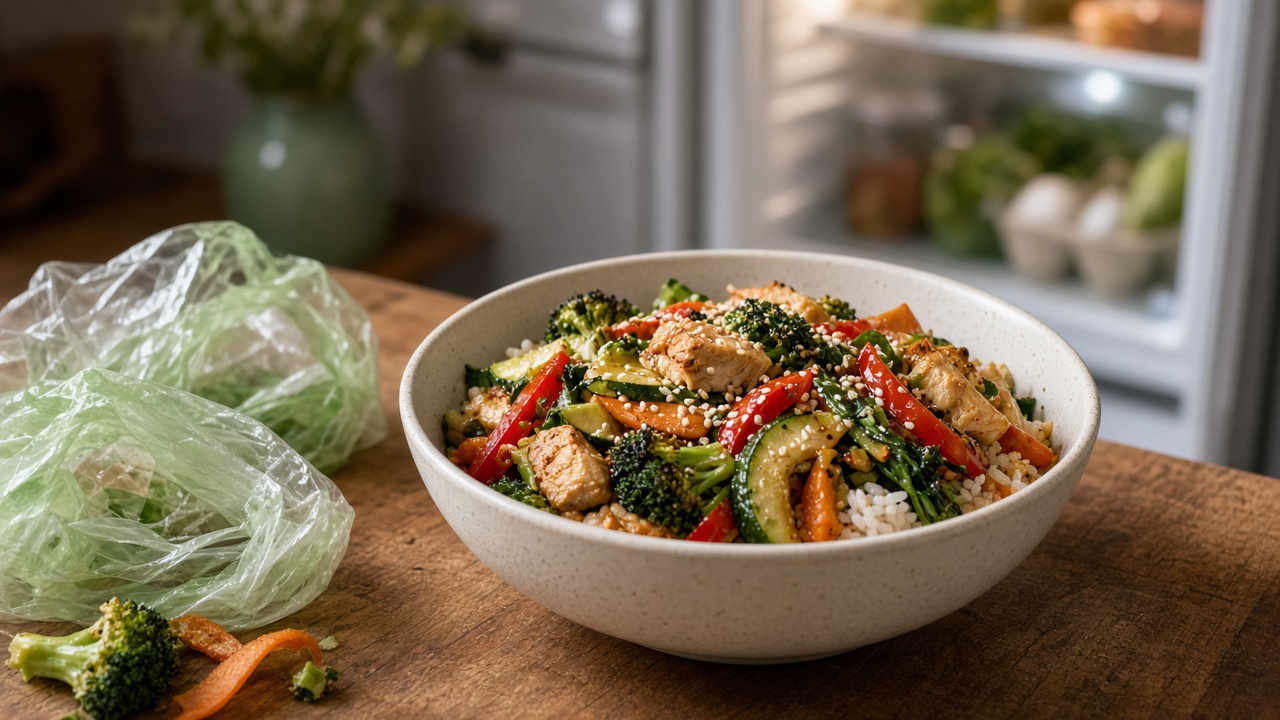
- Neglecting proper moisture barriers for prepped produce: When you chop vegetables for multiple days, storing them incorrectly ruins freshness. Store pre-chopped onions and carrots in airtight containers lined with dry paper towels to absorb condensation.
- Failing to cross-utilize open dairy containers: Buying heavy whipping cream for one recipe and letting the remaining 80% sour in the fridge door is common. Plan to use residual cream in scrambled eggs, pasta sauces, or freeze in silicone portions.
- Ignoring the freezer for protein surpluses: If you buy a 4-pound family pack of chicken cutlets on sale and only need 2.5 pounds for the week, do not let raw chicken sit in your fridge until Friday. Portion and freeze the extra 1.5 pounds immediately on Sunday.
Frequently asked questions
How many distinct recipes can share a single bunch of fresh herbs?
A standard bunch of fresh herbs (such as flat-leaf parsley or cilantro) typically yields 1.5 to 2 cups when finely chopped. This is sufficient to season 3 to 4 distinct family dinners: e.g., chopped parsley in a Monday chicken marinade, Tuesday lentil soup, Thursday quinoa salad, and Sunday frittata.
Doesn't eating the same anchor ingredients get boring for children?
Not when the textures and appearances vary. A child who eats sweet potatoes as baked orange fries on Monday will experience them as creamy yellow curry on Tuesday and mashed filling on Sunday. Sensory perception is driven by texture, color, and sauce rather than the botanical identity of the vegetable.
What are the best versatile ingredients that work across Mexican, Italian, and Asian cuisines?
The "Chameleon Five": yellow onions, garlic, fresh bell peppers, baby spinach, and skinless chicken cutlets. These five ingredients are foundational to Mexican fajitas, Italian cacciatore and pasta, and Asian stir-fries and noodle soups.
How can Recipe Planning help me design shared-ingredient meal plans?
Our free meal plan generator features an intelligent "Ingredient Overlap" optimization algorithm. It selects delicious recipes that cross-utilize high-perishable produce. Scale batch sizes with our servings scaler and find creative recipes for surplus staples with the leftover finder.