Recipe Planning
Food waste is one of the most frustrating and expensive leaks in the modern household budget. Studies consistently reveal that the average family discards between 25% and 35% of all purchased groceries, with cooked poultry and cooked grains ranking as the two most frequently tossed categories. All too often, Sunday’s golden roast chicken and oversized pot of rice are shoved into the refrigerator with good intentions, only to sit forgotten behind condiment jars until Friday morning, when fuzzy green mold forces them into the garbage bin.
The solution to kitchen waste is not forcing your family to endure the exact same meal three nights in a row until everyone rebels. The secret lies in embracing component cooking: viewing a roasted bird and a pot of cold rice not as "tired leftovers," but as valuable, pre-cooked building blocks. By applying quick sauces, fresh acid, crisp textures, and smart seasonings, you can transform yesterday’s chicken and rice into ten distinct, vibrant, 20-minute dinners that feel brand new. For deeper meal prep foundations, explore our how to stop food waste guide and our meal plan from what’s in the fridge.
The food safety fundamentals of leftover storage
Before launching into culinary transformations, you must master the biological rules of leftover safety. Cooked chicken and cooked grains are high-moisture, nutrient-rich environments that bacteria love.
1. The two-hour temperature drop rule
Cooked food must transition from hot (above 140°F / 60°C) to cold (below 40°F / 4°C) within two hours. If you leave a whole roast chicken or a deep 6-quart pot of steaming rice sitting on the counter while your family watches a movie, the interior of that dense food mass remains in the bacterial danger zone for hours. Immediately after dinner, strip the remaining chicken meat from the bones and transfer both the meat and rice into shallow glass containers (no deeper than 2 inches) before refrigerating.
2. The Bacillus cereus reality in cooked rice
Uncooked rice frequently harbors spores of Bacillus cereus, a bacterium capable of surviving boiling water temperatures. If cooked rice is left cooling at room temperature, these dormant spores germinate, rapidly multiplying and producing heat-stable emetic toxins that cannot be destroyed by subsequent frying or microwaving. The golden rule: cool cooked rice rapidly in the refrigerator, store at or below 40°F, eat within 3 to 4 days, and reheat cooked rice only once.
3. Reheat to a true steaming temperature
When reheating any dish containing cooked poultry, bring the internal temperature to a verified 165°F (74°C). For soups, stews, and curries, bring liquids to a rolling boil for at least 2 minutes. For stir-fries, ensure the meat is steaming hot throughout before taking it off the flame.
That stale, cardboard-like flavor in reheated chicken is caused by the oxidation of polyunsaturated fatty acids catalyzed by iron in the meat. To combat WOF, store shredded chicken tightly packed in airtight glass containers with minimal air headspace. When reheating, always reintroduce moisture and bright acidity: a splash of chicken broth, a squeeze of fresh lemon, or a splash of vinegar neutralizes oxidized flavor notes instantly.
5 genius transformations for leftover roast chicken
1. The 12-minute street-style chicken fried rice
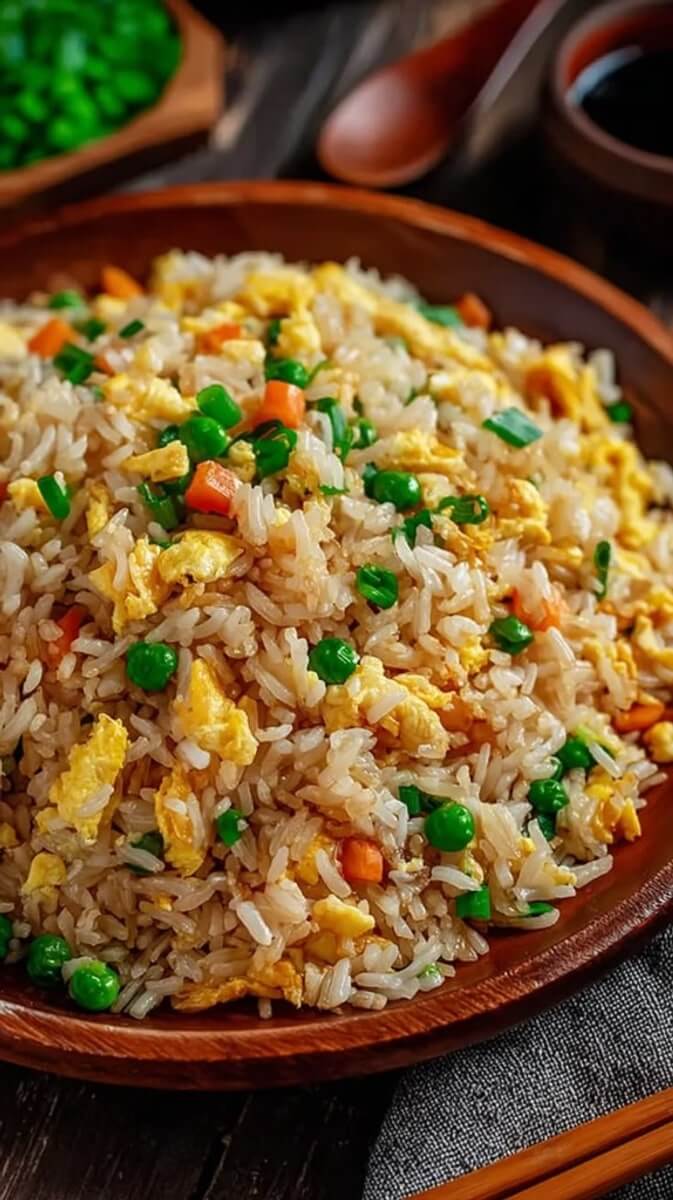
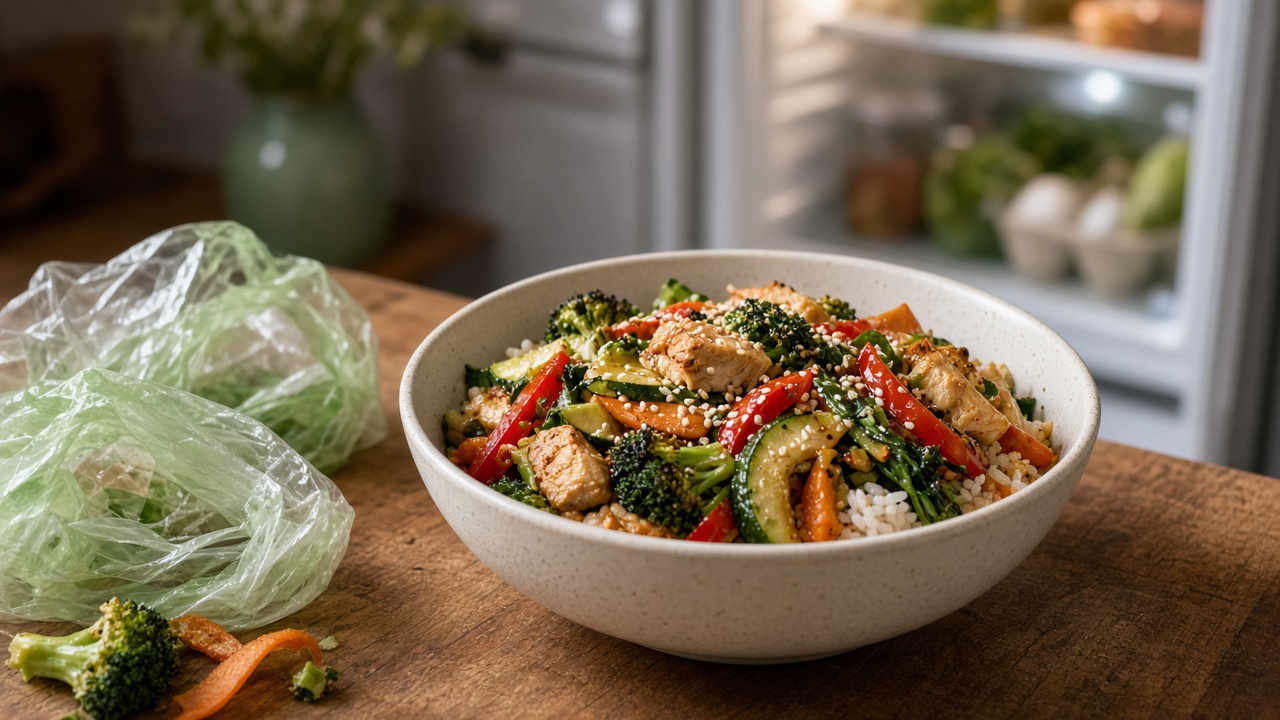
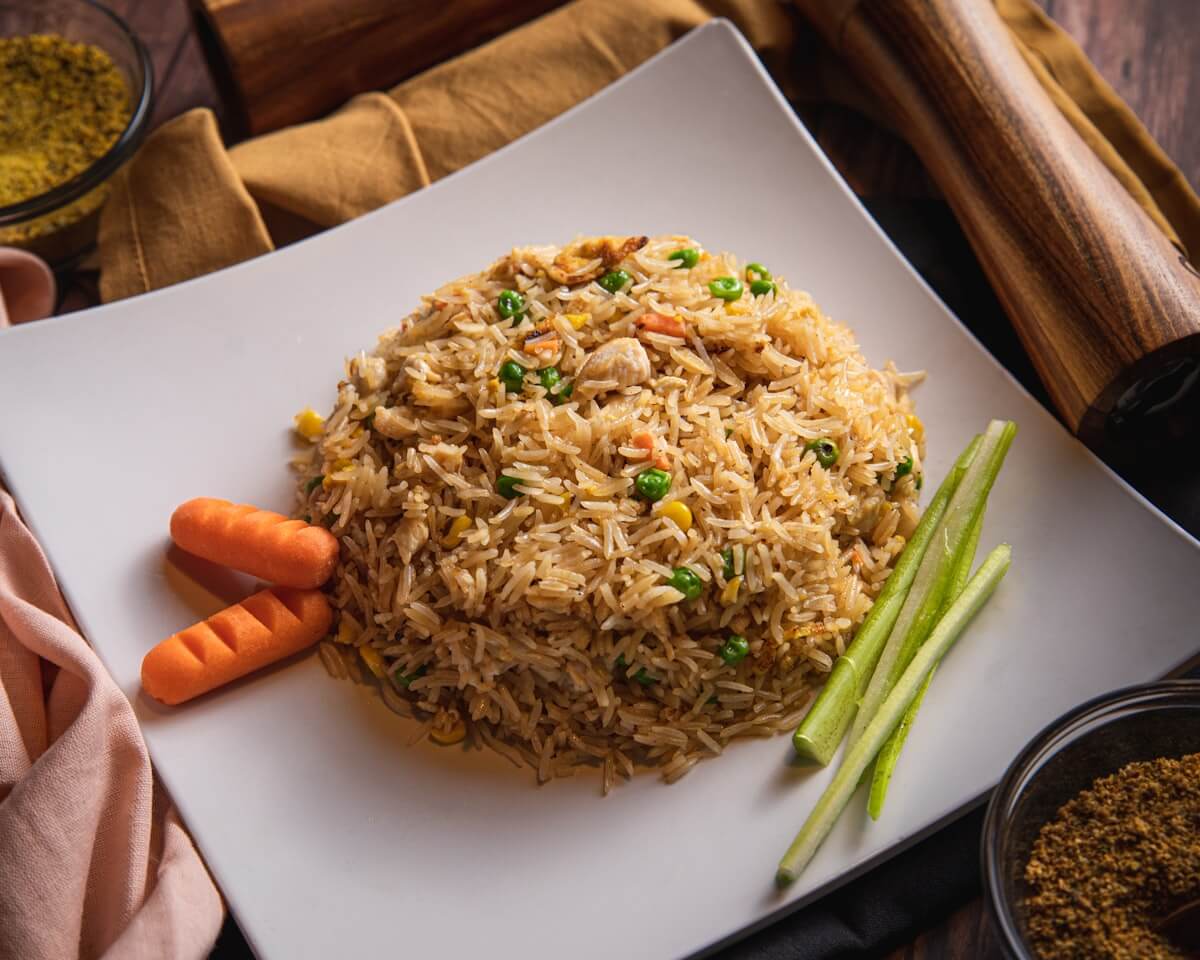
Day-old refrigerated chicken and cold cooked rice are culinary soulmates. The chilling process recrystallizes amylose starch in the rice (retrogradation), ensuring individual grains fry crisp in hot oil rather than clumping into gummy mush. Shred 1.5 cups of leftover chicken. In a smoking hot wok or cast-iron skillet, heat 2 tablespoons of oil, scramble two eggs, and remove. Sizzle garlic and ginger, toss in cold rice and shredded chicken, and stir-fry vigorously. Finish with frozen peas, diced carrots, soy sauce, toasted sesame oil, and scallions. Review our chicken fried rice lunch bowl for ideal ingredient ratios.
2. Golden scrap bone broth and chicken noodle soup
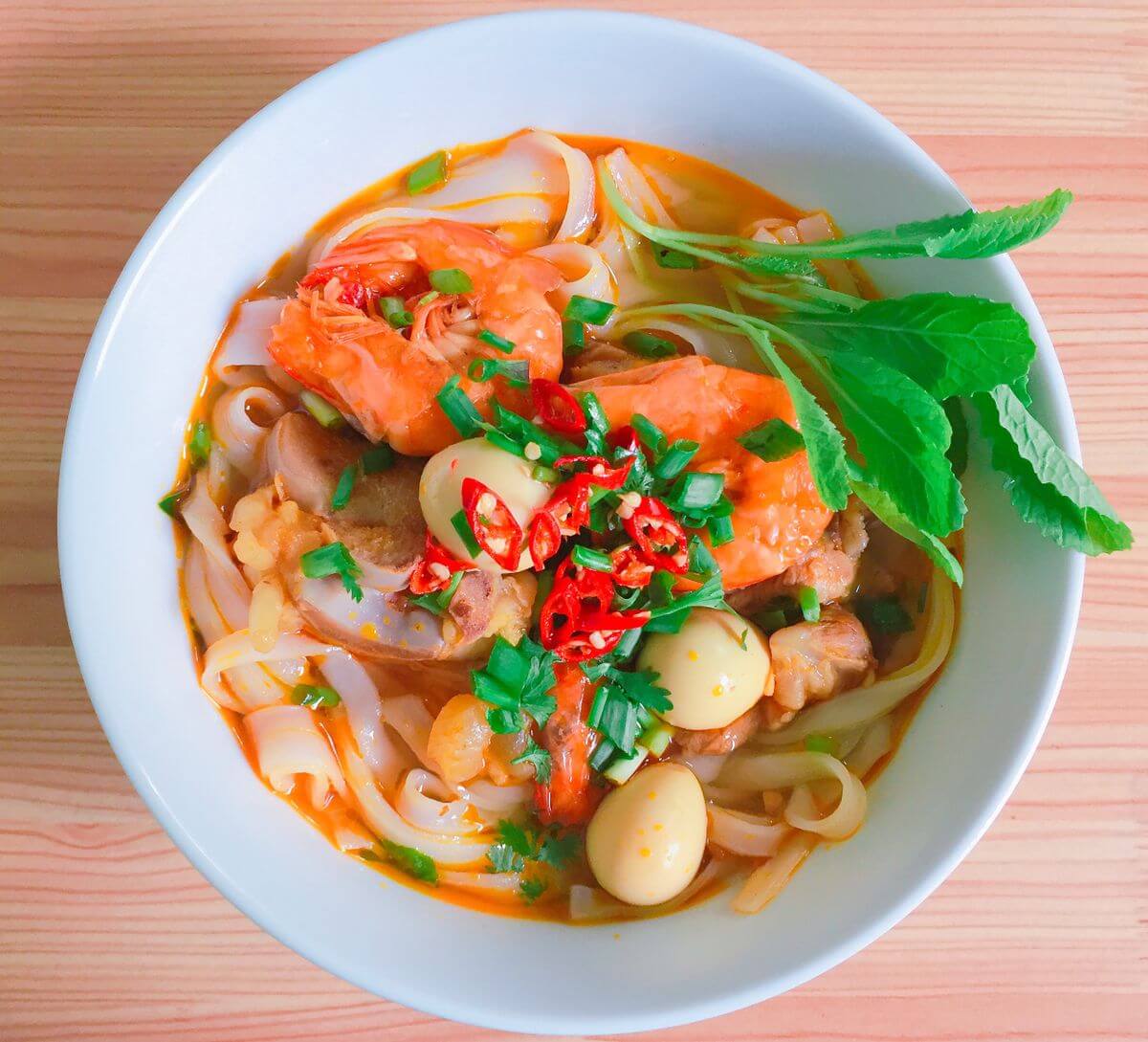
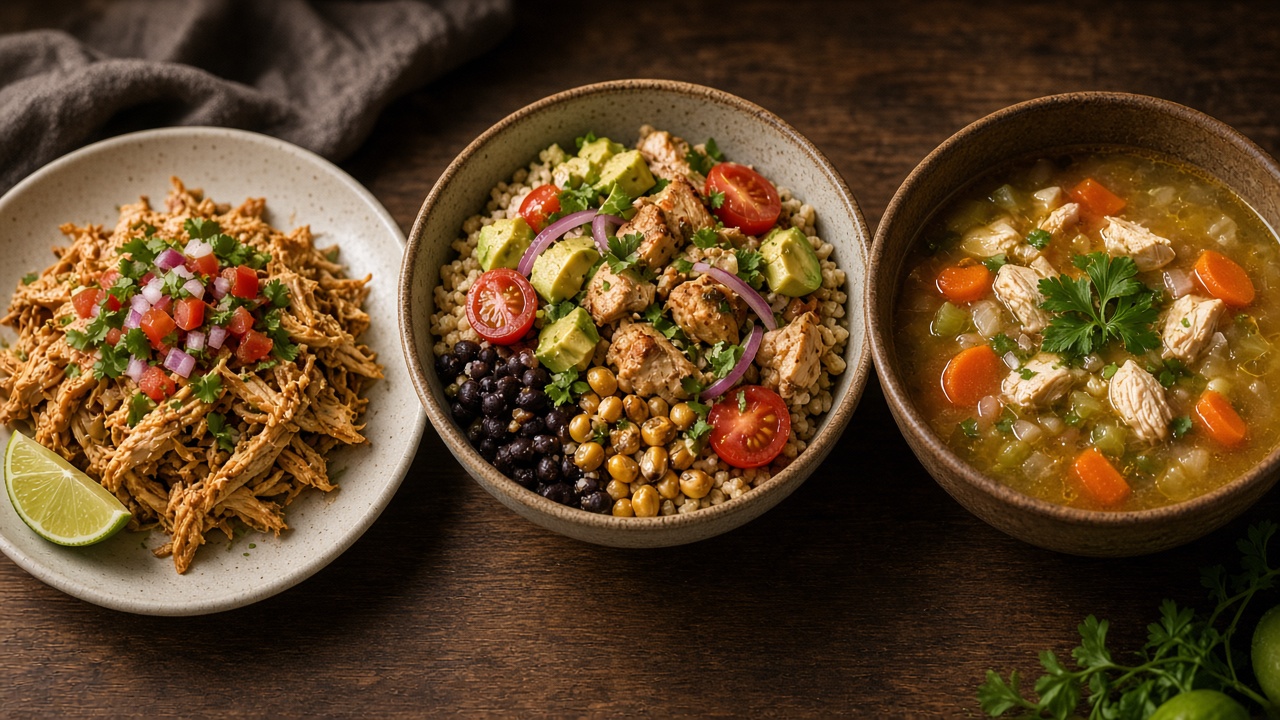
Never discard the stripped chicken carcass, neck, or wing tips. Place the bones in a stockpot along with clean vegetable trimmings saved in your freezer (onion skins, carrot ends, celery tops). Cover with cold water, add 1 bay leaf and a teaspoon of whole peppercorns, and simmer gently for 35 to 45 minutes. Strain the fragrant, golden broth. In a clean pot, sauté diced celery and carrots, pour in your homemade broth, add egg noodles or rice, and fold in shredded cooked chicken during the final 3 minutes. Season with fresh dill and lemon juice.
3. Crispy pan-seared chicken quesadillas or toasties
Toss shredded chicken with ground cumin, smoked paprika, chili powder, and a squeeze of lime juice. Spread over half of a whole-wheat tortilla, top with grated sharp cheddar or pepper jack cheese, and fold in half. Pan-sear in a dry skillet over medium heat for 3 to 4 minutes per side until the tortilla is golden and blistered and the cheese is melted and bubbling. Serve with salsa and plain Greek yogurt.
4. Creamy herbed lemon-yogurt chicken wraps
For a zero-heat lunch or dinner, combine cold shredded chicken with whole-milk Greek yogurt, a teaspoon of Dijon mustard, minced fresh tarragon or parsley, finely diced celery hearts for crunch, sea salt, and black pepper. Roll into large whole-wheat flatbreads or crisp romaine lettuce boats alongside sliced cucumbers and purple cabbage. For low-carb inspiration, see our turkey lettuce wraps and Mediterranean chickpea wrap.
5. High-protein Mediterranean chicken and chickpea salad
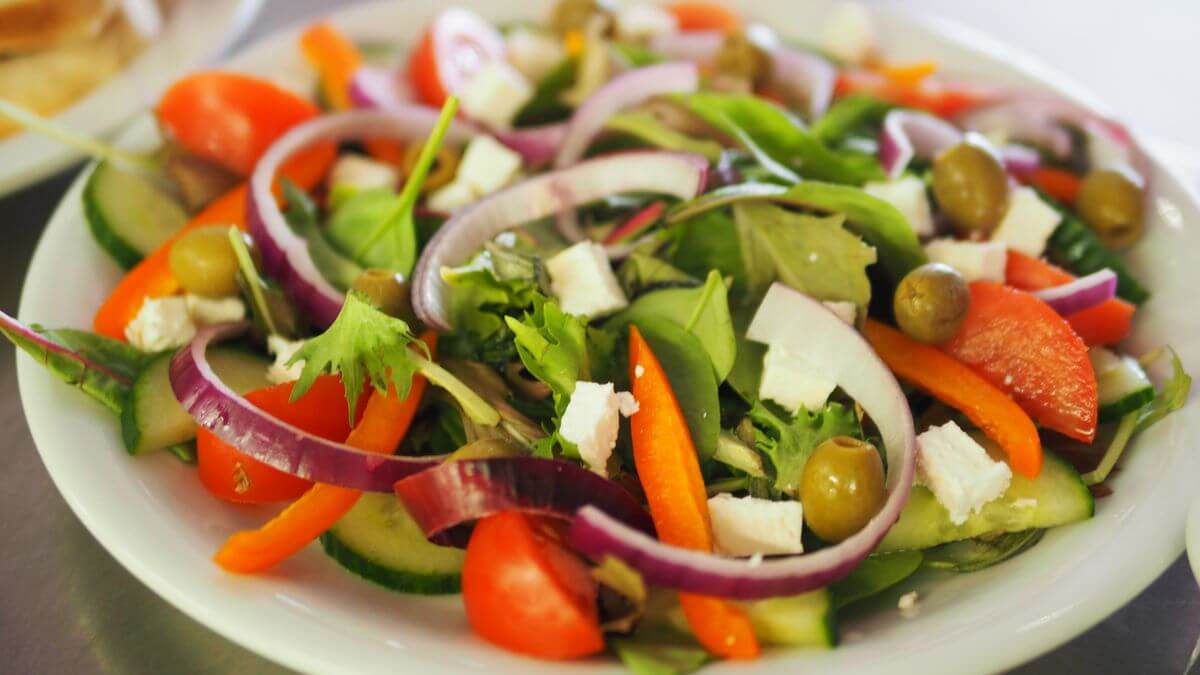
Drain and rinse one can of chickpeas. Toss in a large bowl with 1.5 cups of cold shredded chicken, diced Persian cucumbers, cherry tomatoes, kalamata olives, crumbled feta cheese, and chopped fresh mint. Whisk together extra virgin olive oil, red wine vinegar, dried oregano, and minced garlic. Pour over the salad and toss gently. This complete, fiber-rich dinner requires zero cooking and packs over 35 grams of protein per serving.
5 creative transformations for leftover cooked rice
1. Classic quick egg fried rice
When you have cold rice but no chicken, eggs provide instant, low-cost, high-biological-value protein. Heat neutral oil in a skillet, pour in three lightly beaten eggs, and scramble loosely. Toss in 3 cups of chilled rice, breaking apart clumps with your spatula. Season with dark soy sauce, a pinch of white pepper, and a generous handful of thinly sliced scallions. Check our quick egg fried rice for mastering wok heat.
2. Golden pan-seared rice fritters (Cheesy Arancini style)
Transform plain cold rice into crispy, golden party fritters. In a bowl, mix 2 cups of cold rice with 1 beaten egg, 1/2 cup of grated parmesan or sharp cheddar, 2 tablespoons of chopped parsley, 2 tablespoons of all-purpose flour, salt, and black pepper. Shape the mixture into flattened patties. Pan-fry in a shallow layer of olive oil over medium heat for 4 minutes per side until deeply golden and crunchy. Serve hot with marinara sauce or garlicky yogurt dip.
3. Oven-baked southwestern stuffed bell peppers
Slice 4 large bell peppers in half lengthwise and remove seeds. In a bowl, combine 2 cups of cold rice, 1 can of rinsed black beans, 1 cup of corn kernels, 1 cup of salsa, and 1 teaspoon of ground cumin. Spoon the seasoned rice mixture into the pepper halves. Place in a baking dish, sprinkle with shredded Monterey Jack cheese, cover with foil, and bake at 375°F (190°C) for 25 minutes until the peppers are tender and the cheese is melted.
4. Nourishing spiced dal and rice bowls
Reheating cold rice directly inside a simmering pot of spiced lentils is an ancient comfort food tradition across South Asia (reminiscent of khichdi). Warm a pot of red or yellow lentils, stir in cold rice, and simmer for 4 minutes until the grains absorb the savory, turmeric-scented broth. Finish with a squeeze of fresh lemon juice, fresh cilantro, and a spoonful of cold plain yogurt. Pair with our hearty lentil soup for easy execution.
5. 10-minute comforting cardamom rice pudding (Kheer)
Leftover rice makes an effortless, comforting dessert. In a small saucepan, combine 2 cups of cold cooked rice with 2 cups of whole milk (or coconut milk), 3 tablespoons of raw honey or brown sugar, 1/2 teaspoon of freshly ground green cardamom, and a pinch of salt. Simmer over medium-low heat for 10 minutes, mashing slightly with a wooden spoon until thick, creamy, and fragrant. Garnish with toasted slivered almonds and golden raisins.
The 3-night zero-waste dinner blueprint
| Day / Meal | Primary Menu | Prep & Cooking Action | Zero-Waste Strategy |
|---|---|---|---|
| Sunday Night | Whole roast chicken with garlic potatoes and a large pot of basmati rice | Cook full dinner; immediately strip remaining meat from bones; chill meat and rice flat. | Place bones into a freezer bag for stock; store meat and rice in shallow glass containers. |
| Monday Night | 12-minute street-style chicken and egg fried rice with peas and carrots | Stir-fry cold rice, half the chicken, and frozen veggies in hot oil; ready in 15 minutes. | Uses cold rice at peak frying texture; transforms leftovers into a completely distinct meal. |
| Tuesday Night | Homemade chicken scrap noodle soup with fresh dill and warm sourdough | Simmer chicken carcass 35 minutes for broth; add veggies, noodles, and remaining meat. | Extracts deep collagen from bones; clears out wilting carrots, celery, and herbs from crisper. |
What fails: 5 common leftover mistakes to avoid
- Reheating rice multiple times: Every time cooked rice warms up and cools down, bacterial spores find renewed opportunity to multiply and generate toxins. Only reheat the exact portion of rice you plan to eat immediately.
- Leaving the carcass in the fridge for a week: Chicken bones stored in the refrigerator slowly oxidize and develop sour, off-putting odors within 48 hours. Simmer your scrap broth on day one or two, or toss the carcass directly into your deep freezer until soup day.
- Making fried rice with hot, freshly boiled rice: Freshly steamed rice is full of internal moisture and loose surface starches. When dropped into a hot pan, it releases steam and clumps into a gummy, soggy mass. Always use chilled, day-old rice for stir-fries.
- Salting scrap stock before reduction: As bones and vegetable trimmings simmer, water evaporates, concentrating flavors. If you add heavy salt at the beginning, your finished broth will be overwhelmingly salty. Salt your homemade broth only after straining and reducing.
- Reheating cooked poultry uncovered in the microwave: Microwaving chicken without a cover expels moisture violently, leaving you with dry, rubbery, stringy protein. Always cover chicken with a damp paper towel or silicone lid, and add 2 tablespoons of water or broth to create steam.
Frequently asked questions
Can you freeze cooked rice, and how do you reheat it without it drying out?
Yes, cooked rice freezes exceptionally well. Spread freshly cooked rice onto a baking sheet to cool rapidly, then pack into portion-sized freezer bags, pressing out all air. To reheat frozen rice, transfer it to a microwave-safe bowl, sprinkle with 1 tablespoon of water per cup of rice, cover tightly with a plate or lid to trap steam, and microwave on high for 2 minutes. The trapped steam re-hydrates the starch, making the rice as soft and fluffy as freshly cooked.
What vegetable scraps should NOT be used for homemade chicken stock?
While onion skins, carrot ends, celery tops, leek greens, and parsley stems make magnificent stock, avoid cruciferous vegetables (broccoli, cauliflower, cabbage, Brussels sprouts, kale) and starchy vegetables (potatoes, turnips). Cruciferous vegetables release bitter sulfur compounds during simmering that turn stock cloudy and unpleasant.
How long do cooked chicken dishes stay safe in the freezer?
Shredded cooked chicken, chicken soups, and cooked chicken fried rice maintain peak flavor and texture for 3 to 4 months in heavy-duty airtight freezer containers at 0°F (-18°C). Label each container with the date and contents before freezing.
How do I find recipes for whatever random ingredients are left in my fridge?
Whenever you have odds and ends in your crisper drawer, use our interactive leftover finder to instantly match your leftover chicken, rice, or vegetables to practical recipes. To organize your weekly dinners and eliminate grocery waste before it starts, plan ahead with our meal plan generator and streamline shopping with the grocery list generator.