Recipe Planning
For individuals and families managing tree nut allergies, dinnertime can feel like an unending minefield of anxiety. Tree nuts—including almonds, cashews, walnuts, pecans, pistachios, hazelnuts, and macadamias—have proliferated across modern recipes and supermarket shelves. They hide in commercial pestos, disguise themselves as "healthy" grain-free flours, thicken dairy-free plant milks, and cross-contaminate bulk food bins. When a household member's health is on the line, the exhausting burden of deciphering ambiguous labels and improvising last-minute substitutions creates immense mealtime stress.
The secret to effortless nut-free home cooking is simple: subtractive filtering at the system level. Rather than falling in love with a dish and attempting to omit almond flakes or swap out cashew cream at the stove, you construct a weekly calendar from meals that are naturally, inherently nut-free from the start. By mastering safe seed substitutions, clear kitchen sanitation protocols, and a dependable rotation of whole foods, you can eliminate label panic entirely while feeding your family meals that taste gourmet.
Medical Disclaimer: This guide outlines culinary frameworks and home kitchen management for avoiding tree nuts. It does not replace individualized clinical advice from your board-certified allergist. Always carry prescribed epinephrine auto-injectors and adhere to your personalized anaphylaxis emergency plan.
The culinary anatomy of tree nut substitutions
Tree nuts primarily serve three distinct culinary functions in recipes: crunchy texture, emulsified creaminess, and toasted savory fats. To replace them effectively without sacrificing dinner quality, utilize these kitchen-tested substitutes:
- For Salad and Baking Crunch: Swap toasted chopped pecans or walnuts with roasted sunflower seeds (pepitas) or toasted pumpkin seeds. They provide the identical satisfying crunch, savory oils, and zinc/magnesium density without allergen risk.
- For Creamy Sauces and Dressings: Rather than relying on cashew creams, use hulled roasted white sesame tahini, sunflower seed butter (SunButter), or full-fat coconut milk. Emulsified with fresh lemon juice and garlic, tahini creates rich, velvety sauces for bowls and roasted vegetables.
- For Pesto and Herb Pastes: Traditional Genovese pesto relies on pine nuts (which are technically edible seeds of pines, though many tree nut allergic individuals avoid them due to cross-reactivity). Replace them 1:1 with toasted pumpkin seeds or hemp hearts for an emerald-green, intensely flavorful pesto.
- For Baking Flours: Never substitute almond flour directly with wheat flour at a 1:1 ratio because almond flour lacks gluten and absorbs moisture differently. Instead, seek recipes formulated around oat flour, certified nut-free cassava flour, or sprouted whole wheat.
7-day nut-free family dinner calendar
This weekly plan relies on naturally nut-free proteins, whole grains, and fresh vegetables. Portions can be easily adjusted with our servings scaler.
| Day | Breakfast | Lunch | Dinner | Nut-Free Strategy & Prep Logistics |
|---|---|---|---|---|
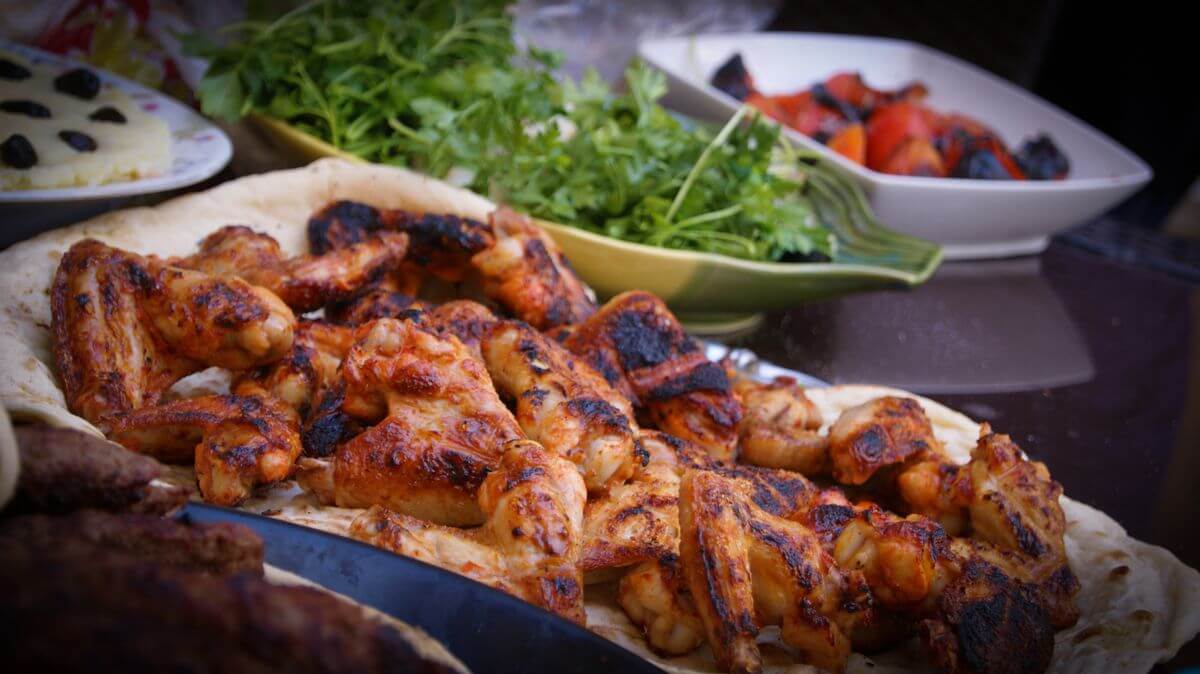
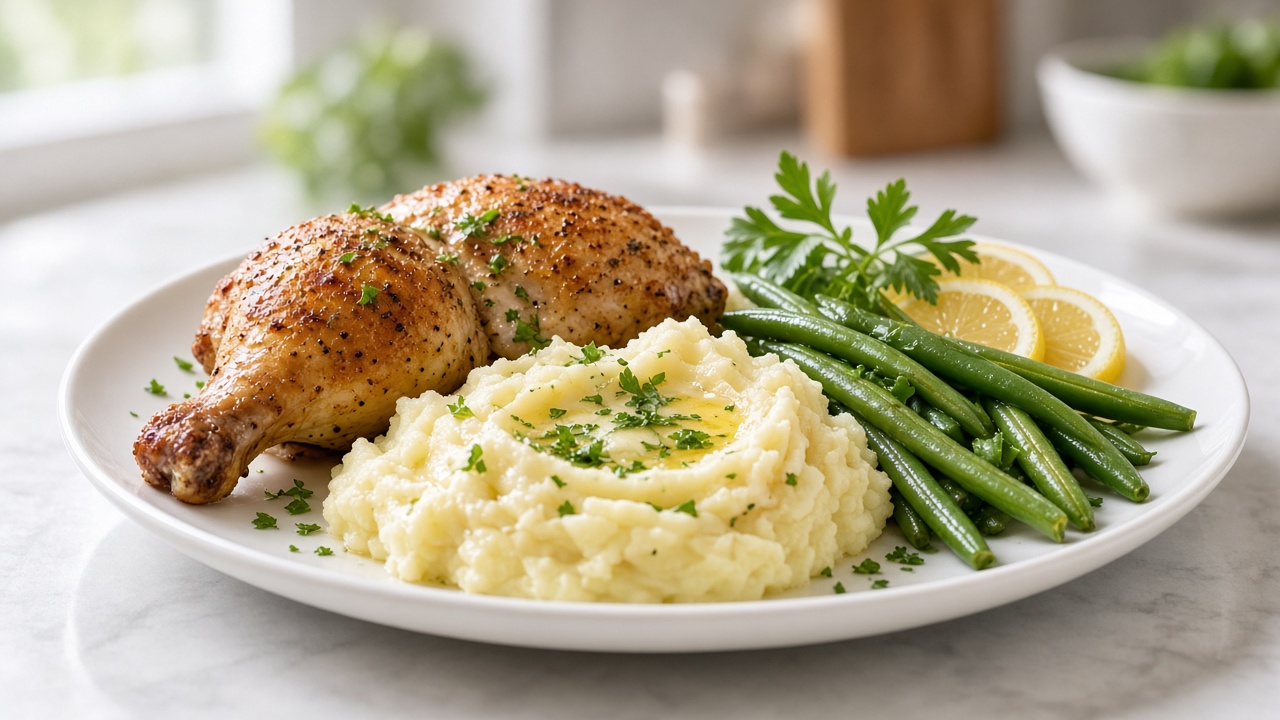
| Monday | Warm steel-cut oatmeal with cinnamon, diced apples, and toasted sunflower seeds | Mediterranean chickpea and cucumber salad with olive oil and oregano | Sheet-pan lemon herb chicken with roasted rosemary potatoes and green beans | Naturally nut-free classic dinner; roast chicken thighs alongside potatoes on a single sheet pan. |
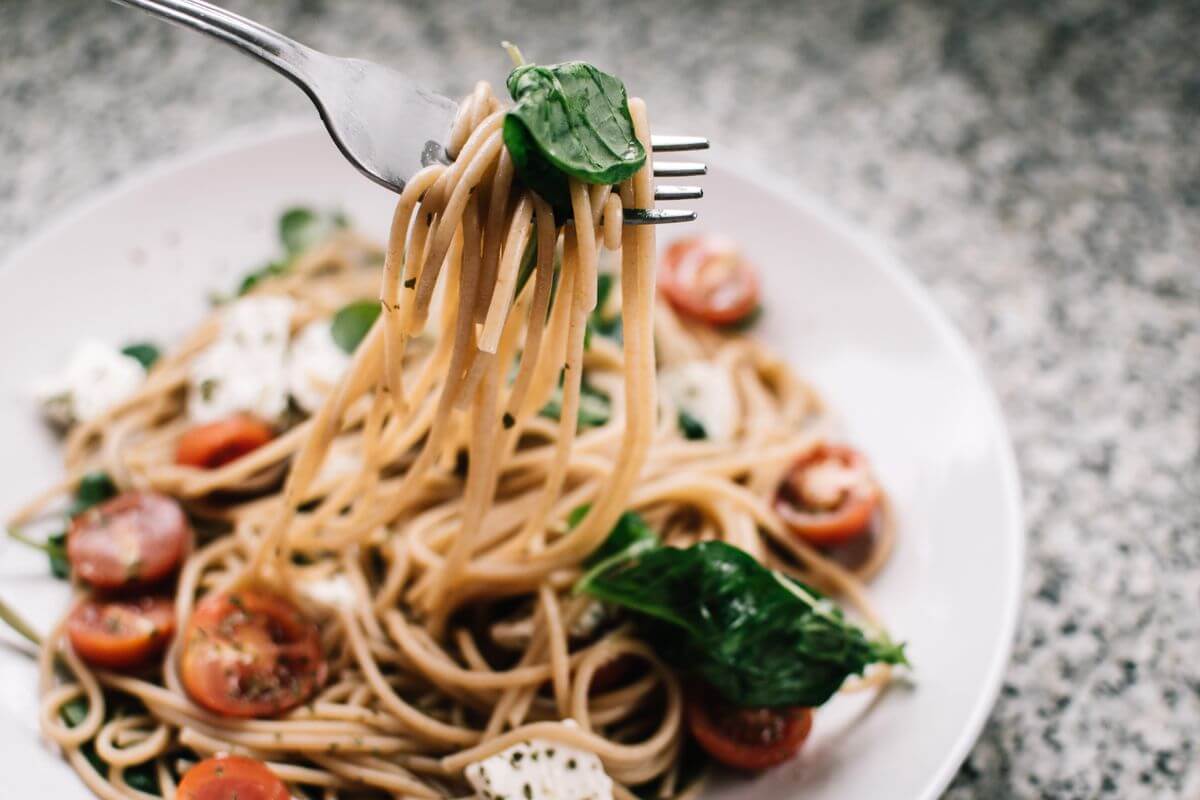
| Tuesday | 2 eggs scrambled with baby spinach, tomatoes, and sourdough toast | Shredded lemon herb chicken wrapped in whole wheat flatbread with tzatziki | Rich mushroom and spinach pasta with garlic, olive oil, and parmesan | Verify parmesan block is ungrated to prevent commercial anti-caking cross-contact; finish with fresh parsley. |
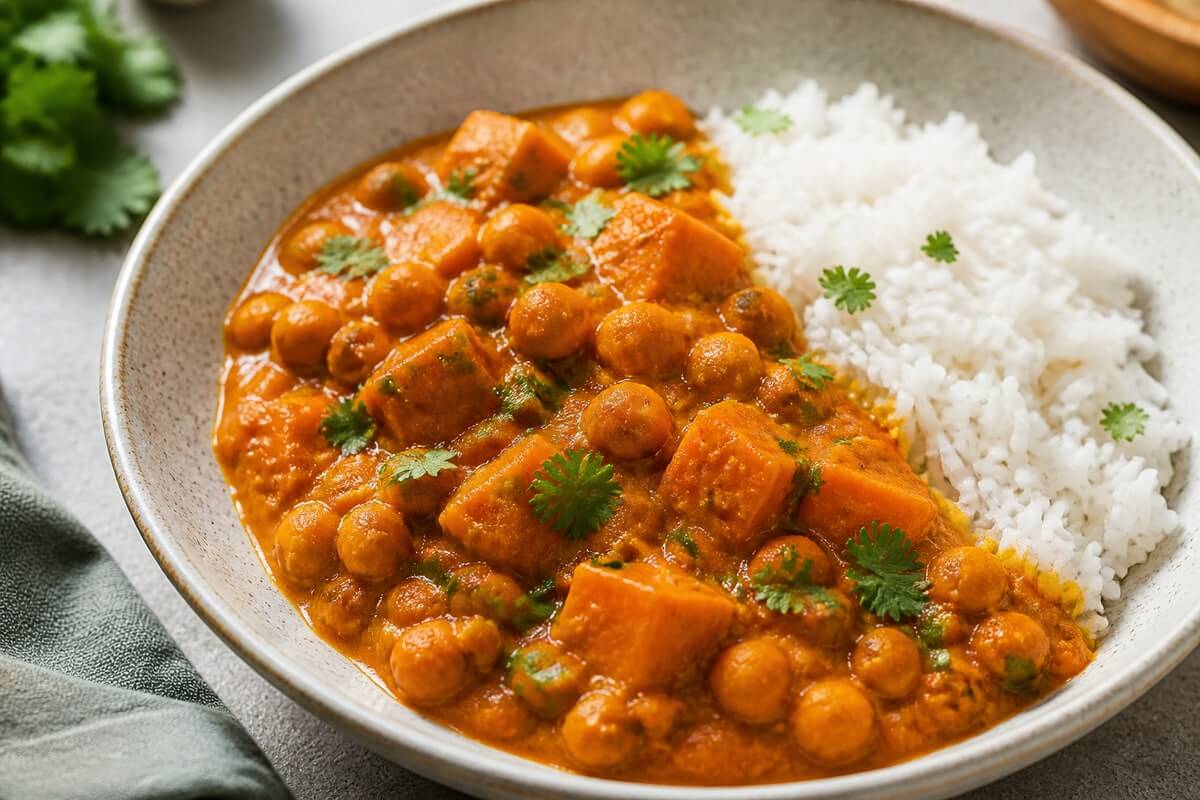
| Wednesday | Smoothie bowl with frozen blueberries, oat milk, hemp hearts, and sunflower butter | Leftover mushroom and spinach pasta served with crisp romaine salad | Fragrant chickpea and sweet potato curry over steamed basmati rice | Creamy richness derived entirely from pure coconut milk rather than cashew paste; double the batch. |
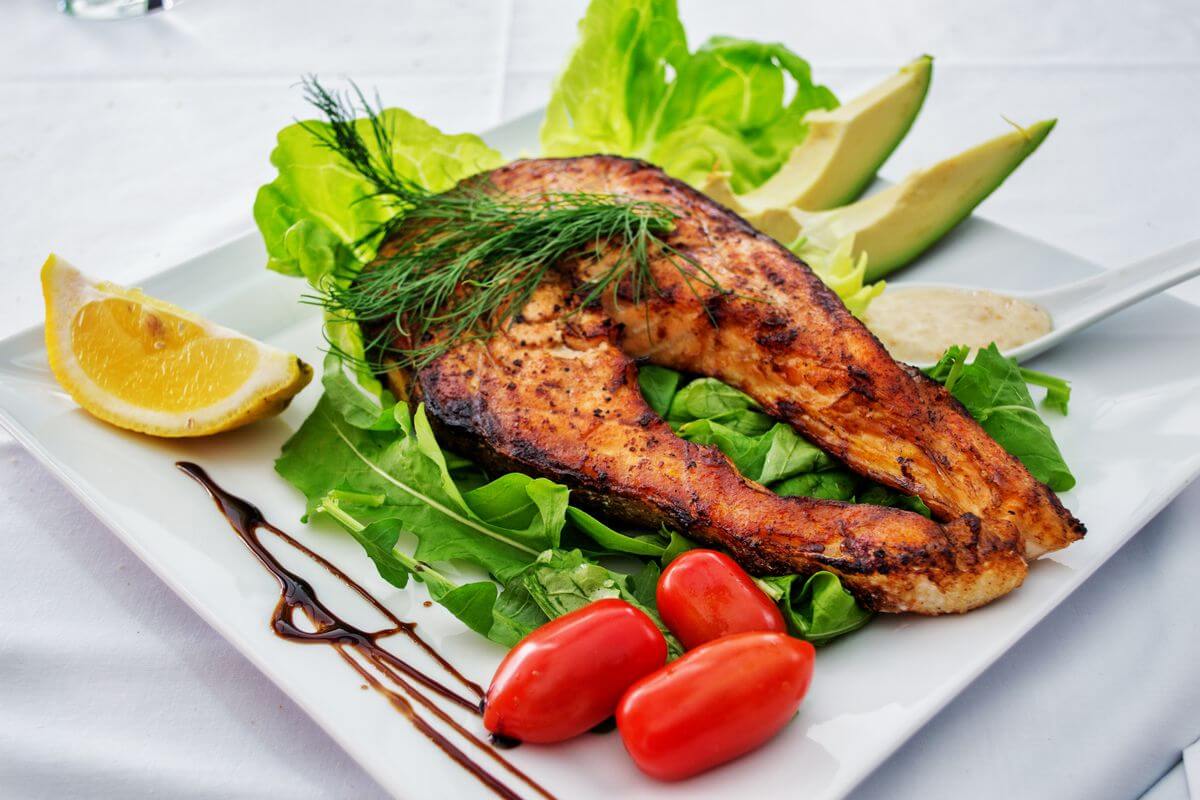
| Thursday | Avocado toast on artisan bread with poached eggs and toasted sesame seeds | Leftover chickpea sweet potato curry (flavors deepen overnight) | Delicate baked cod with cherry tomatoes and buttered green beans | Fast 20-minute seafood meal; cod fillets roast quickly under blistered cherry tomatoes and capers. |
| Friday | Nut-free granola with certified oats, pumpkin seeds, and Greek yogurt | Canned tuna salad with diced celery, olive oil mayonnaise, and crackers | Golden pan-seared vegetable stir-fry with tofu with sesame tamari glaze | Crispy pressed tofu seared in sesame oil; ensure soy sauce/tamari is produced in a dedicated nut-free facility. |
| Saturday | Buckwheat waffles topped with pure maple syrup and warm berry compote | DIY seed-butter and fruit skewers with apple slices and cheese sticks | Homemade personal pizza night with fresh mozzarella, basil, and tomato sauce | Store-bought crusts can have cross-contact warnings; look for certified allergy-friendly brands or make quick dough. |
| Sunday | Cast-iron vegetable frittata with cheddar, bell peppers, and scallions | Leftover vegetable frittata served cold with a crisp side salad | Sunday Kitchen Reset: clean-out-the-crisper grain bowls with tahini-lemon dressing | Blend sesame tahini, garlic, warm water, and lemon juice for a 100% nut-free luxury dressing. |
The nut-free supermarket shopping protocol
Avoiding accidental ingestion requires disciplined supermarket navigation. Implement these three operational rules on every grocery run:
- Never Buy from Open Bulk Bins: The plastic scoops and bins in supermarket bulk sections are notorious hotspots for cross-contact. Shoppers frequently use almond scoops for rolled oats or chia seeds. Always purchase pre-packaged, sealed grains, seeds, and dried fruits.
- Read Labels on Every Single Purchase: Food manufacturers regularly modify formulations and factory processing lines. A brand of bread or pasta sauce that was nut-free last month may suddenly introduce a "Manufactured in a facility that processes tree nuts" advisory. Check the label every single time.
- Beware of Artisanal Bakery and Deli Counters: Bakeries utilize shared mixers, baking sheets, and tongs for almond pastries and plain loaves. Choose commercially packaged bread from dedicated allergen-safe bakeries.
Use our automated grocery list generator to create a consolidated shopping checklist, and review our guide to allergy-friendly meal planning for comprehensive cross-contact strategies.
What fails: 5 mistakes in nut-free meal planning
- Relying on generic "healthy" recipe blogs: Mainstream paleo, keto, and vegan recipe blogs frequently substitute wheat flour with almond flour and dairy with cashew cheese without prominent warnings. Always filter recipes through an explicit nut-free database before menu planning.
- Assuming peanuts and tree nuts are identical: Peanuts are legumes that grow underground, whereas tree nuts grow on trees. While some individuals are allergic to both, many are allergic to only one class. Clarify your specific diagnosis with your doctor so you don't unnecessarily restrict safe foods.
- Overlooking hidden nuts in ethnic sauces: Traditional Mexican mole, Indian korma, and middle eastern pastries often use ground almonds, cashews, or walnuts as traditional thickeners. Always verify ingredients when dining out or using jarred simmer sauces.
- Failing to sanitize shared kitchen surfaces: In households with non-allergic members, tree nut oils can linger on wooden cutting boards, toasters, and cast-iron skillets. Maintain dedicated allergy-safe cutting boards and wash utensils in hot, soapy water.
- Neglecting to communicate with schools and caretakers: Even the most meticulously planned home meals fail if lunchbox items do not meet school nut-free campus guidelines. Standardize your lunchbox prep with certified nut-free snack brands and clear labeling.
Frequently asked questions
What is the difference between tree nuts and peanuts?
Tree nuts (walnuts, almonds, cashews, hazelnuts, pecans, pistachios, Brazil nuts) grow on trees and belong to diverse botanical families. Peanuts, by contrast, are legumes that grow underground and are related to lentils, soybeans, and chickpeas. An allergy to one does not automatically guarantee an allergy to the other, though cross-contact during commercial processing is common.
Are seeds like sunflower and pumpkin safe for someone with a tree nut allergy?
Most individuals with tree nut allergies can safely consume seeds such as sunflower, pumpkin, flax, and chia. However, because seeds are frequently processed on the same manufacturing equipment as tree nuts, it is essential to purchase brands that explicitly label their facilities as "dedicated peanut- and tree nut-free."
Are pine nuts and coconut classified as tree nuts?
In the United States, the FDA erroneously classifies coconut as a tree nut for labeling purposes, even though coconut is botanically a fibrous drupe (fruit). Most tree nut-allergic people tolerate coconut safely. Pine nuts are edible seeds from pine cones. Consult your allergist before introducing either food into your diet.
How can I build an automated nut-free weekly meal plan?
You can easily build a completely safe week using our free meal plan generator. Select the nut-free allergy filter, adjust family portions with our servings scaler, and discover smart recipes for leftover seeds with the leftover finder.