Recipe Planning
Managing a single food allergy is challenging enough. When a household must simultaneously navigate two, three, or four dietary restrictions—such as cooking meals that are strictly gluten-free, dairy-free, nut-free, and egg-free—the dinner hour can feel virtually impossible. Standard recipe websites become useless, supermarket shopping trips take hours of squinting at tiny ingredient lists, and dinner fatigue frequently leads to cooking separate meals for different family members.
The path out of culinary chaos is not finding ultra-processed convenience foods with thirty synthetic ingredients. The sustainable solution is naturally allergen-neutral whole-food foundations. Around the world, ancient culinary traditions—from Mediterranean coastal cooking to Latin American and South Asian cuisines—have thrived on meals centered around clean proteins, intact grains, tubers, fresh vegetables, and cold-pressed oils that contain zero top allergens. By designing your weekly system around these versatile building blocks, multiple-allergy cooking becomes calm, predictable, and deeply satisfying.
Medical Note: This guide provides domestic kitchen systems and culinary planning frameworks. If your family manages severe anaphylactic food allergies or celiac disease, work closely with your clinical allergist or pediatric gastroenterologist to establish individualized cross-contact and safety protocols.
The foundational whole-food building blocks
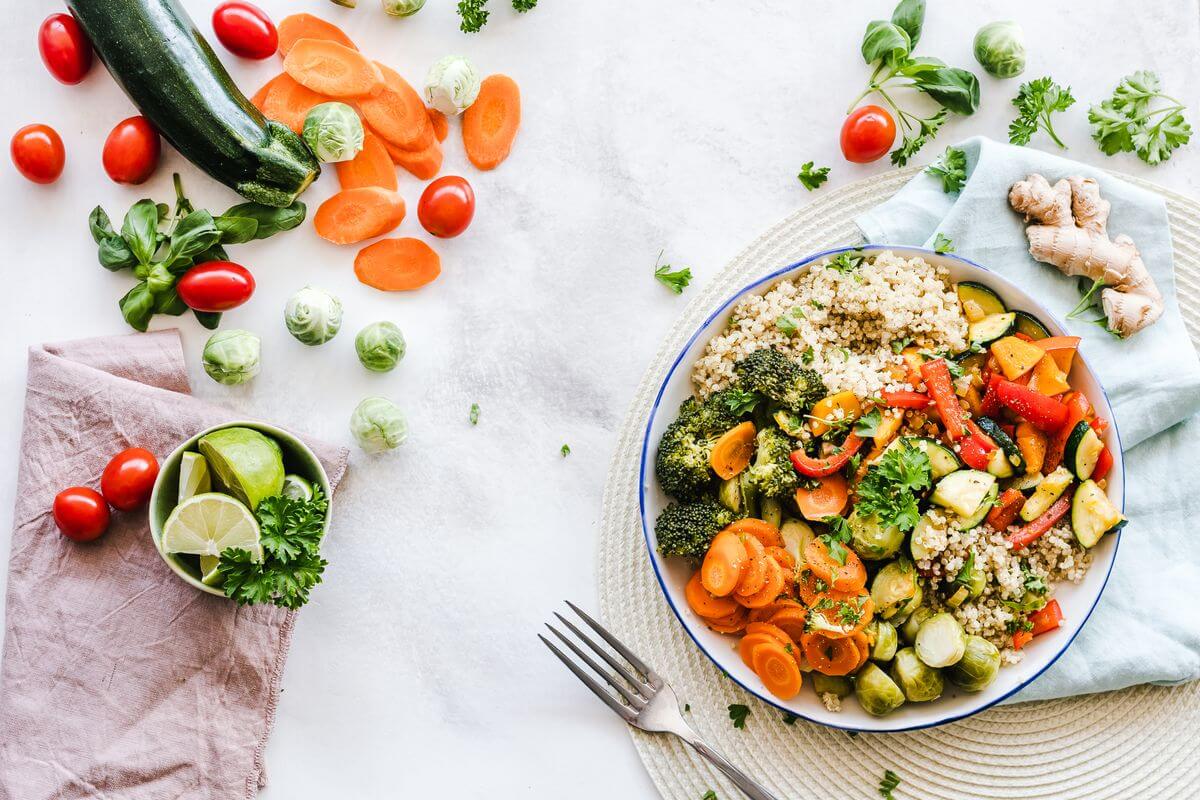
When you stack multiple allergen exclusions, do not attempt to make a traditional dairy-and-gluten-heavy casserole using five fragile substitutes. Instead, center your kitchen around foods that are naturally free from the top 9 allergens (milk, eggs, peanuts, tree nuts, wheat, soy, fish, crustacean shellfish, and sesame):
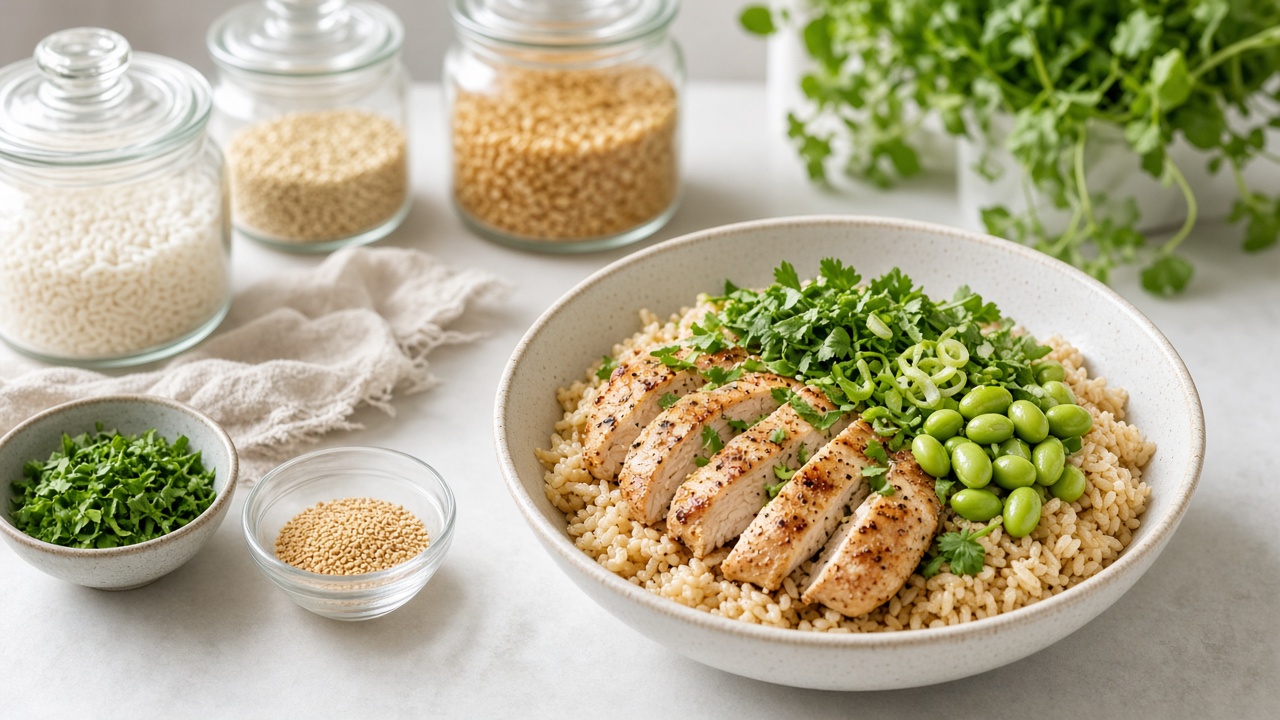
- Naturally Safe Carbohydrates: Brown jasmine rice, wild rice, certified gluten-free quinoa, sweet potatoes, russet potatoes, and certified gluten-free rolled oats.
- Clean Protein Anchors: Fresh poultry (chicken breast, turkey), lean beef, lamb, and certified allergen-free legumes (black beans, cannellini beans, green peas, brown lentils).
- Healthy Culinary Fats: Cold-pressed extra virgin olive oil, avocado oil, and unrefined coconut oil. These provide clean flavor and optimal satiety without dairy butter or seed blends.
- Dynamic Flavor Bases: Fresh alliums (garlic, yellow onions, shallots), fresh citrus (lemons, limes), fresh ginger, tomato paste, and single-origin dried herbs (oregano, cumin, smoked paprika, rosemary).
7-day top-allergen-free family meal matrix
Every dinner in this 7-day schedule is naturally free from gluten, dairy, tree nuts, peanuts, eggs, soy, and shellfish. Portions can be tailored with our servings scaler.
| Day | Breakfast | Lunch | Dinner | Multi-Allergen Safety & Prep Strategy |
|---|---|---|---|---|
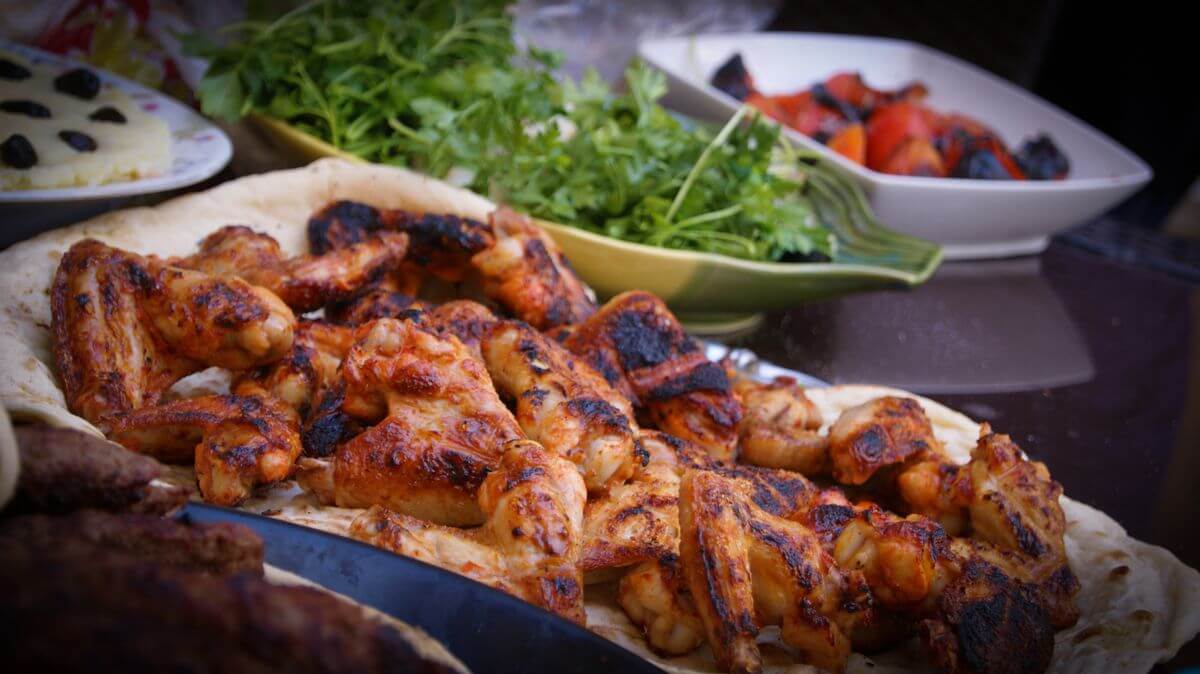
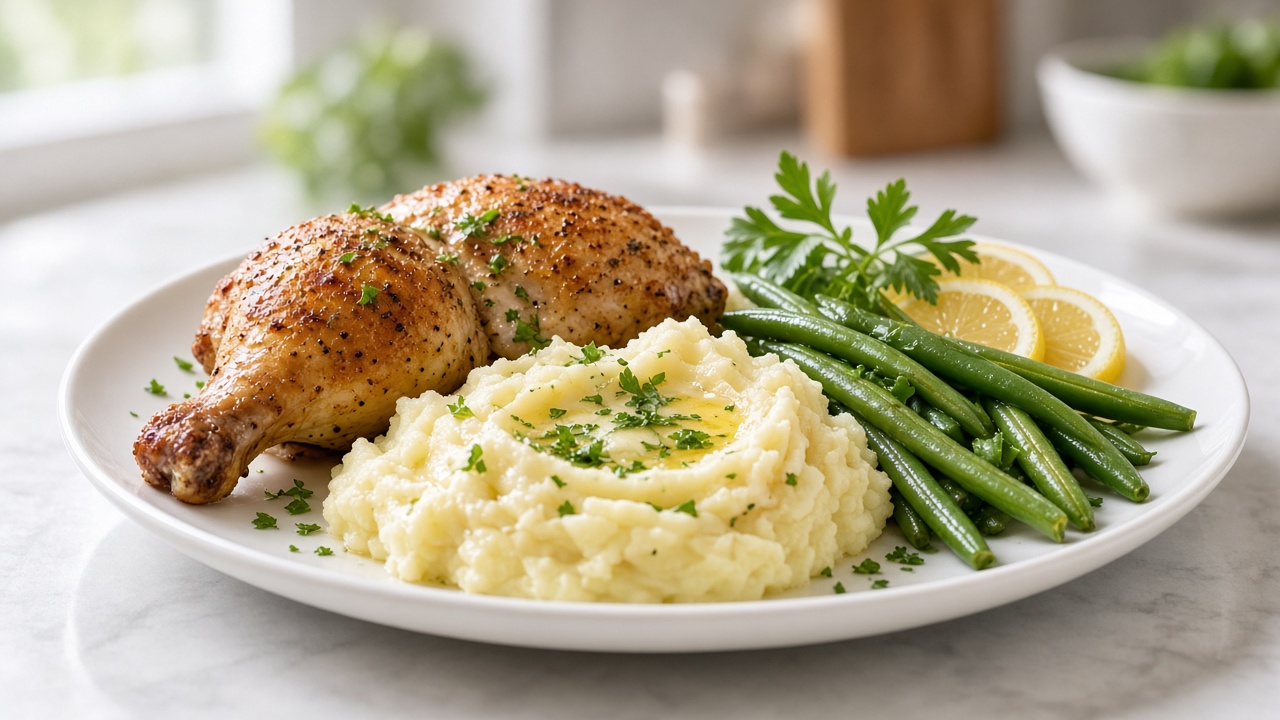
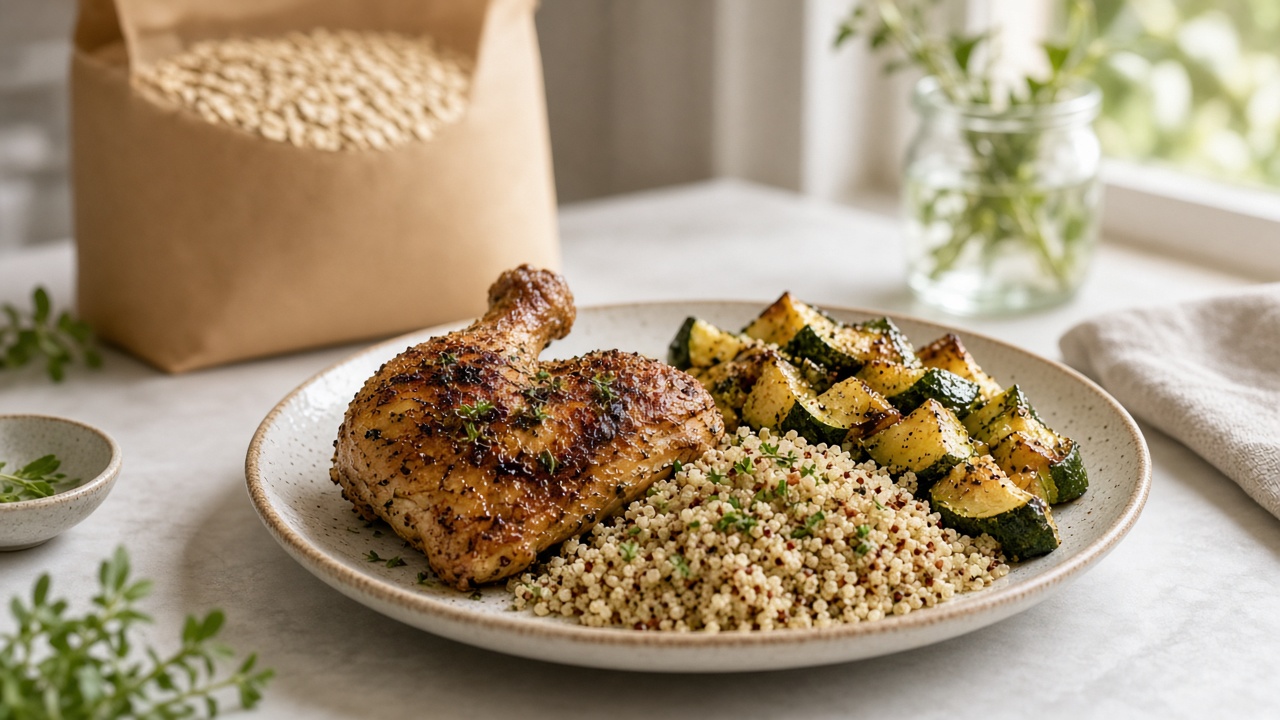
| Monday | Certified GF oatmeal simmered with water, chia seeds, sliced banana, and pure maple syrup | Black bean and sweet corn salad with diced bell peppers, cilantro, and lime vinaigrette | Sheet-pan lemon herb chicken with roasted rosemary potatoes and green beans | Naturally free from top 8 allergens; roast chicken breasts with potatoes and herbs on a single sheet pan. |
| Tuesday | Smoothie bowl: frozen blueberries, spinach, banana, and certified GF oat milk | Shredded lemon herb chicken over warm quinoa with sliced cucumbers and olive oil | Tender baked cod with cherry tomatoes and garlic-steamed green beans | Cod roasted with sweet cherry tomatoes, capers, and olive oil; naturally gluten, dairy, egg, and soy free. |
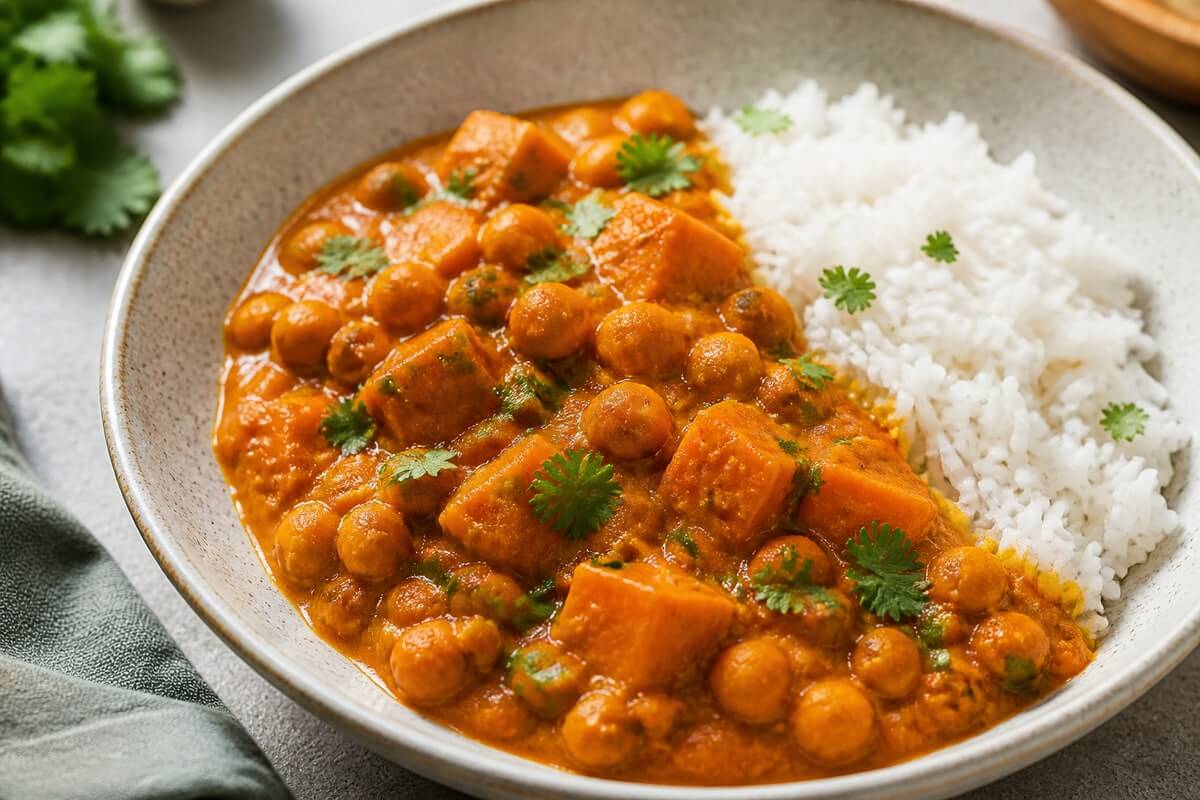
| Wednesday | Mashed sweet potato bowl with pumpkin seeds, cinnamon, and a drizzle of pure maple syrup | Leftover baked cod flaked over chilled quinoa and mixed greens with lemon | Fragrant chickpea and sweet potato curry over steamed brown basmati rice | Richness from canned coconut milk; double the batch to yield an effortless Wednesday-to-Thursday lunch. |
| Thursday | Certified GF oat porridge with grated apple, pumpkin seeds, and a pinch of sea salt | Leftover chickpea sweet potato curry (flavors deepen overnight) | Sheet-pan lean beef fajitas with charred bell peppers, sweet onions, and guacamole | Serve beef strips and roasted vegetables over brown rice bowls or inside certified GF corn tortillas. |
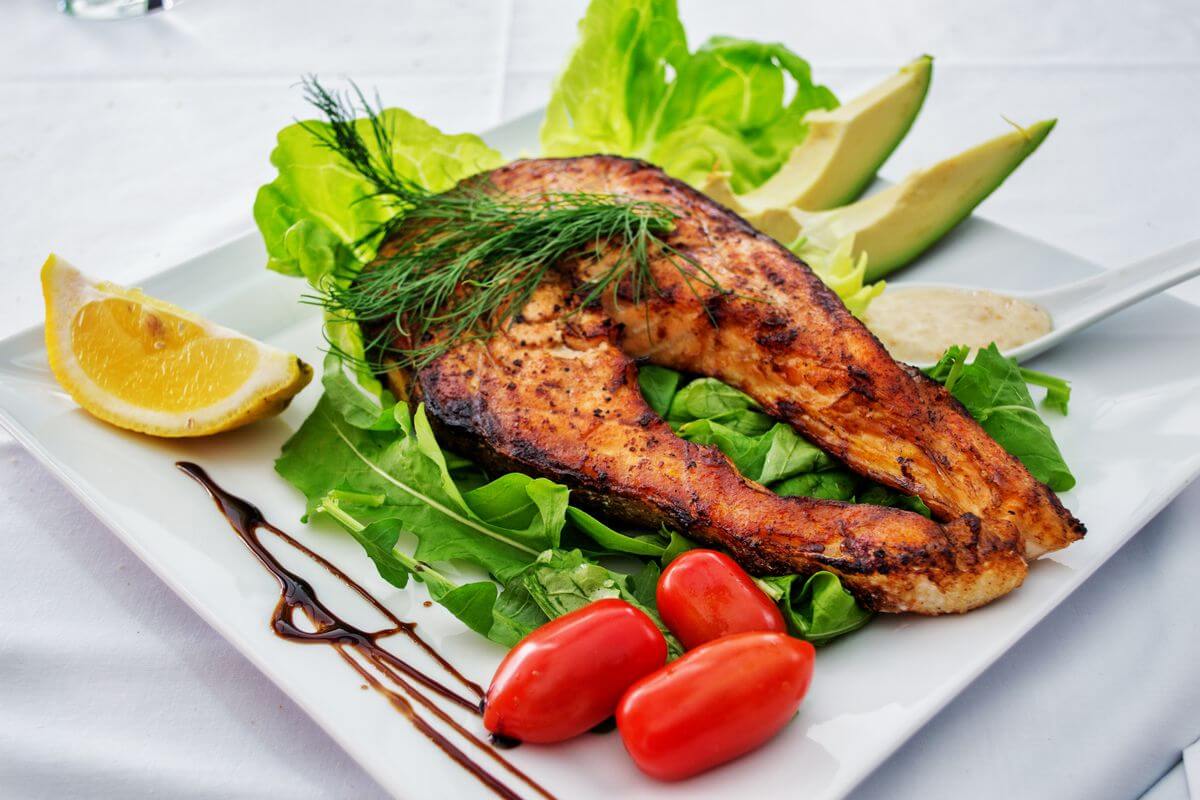
| Friday | Chia seed pudding prepared with coconut milk, fresh raspberries, and sunflower seeds | Beef fajita bowl with black beans, brown rice, fresh salsa, and diced avocado | Crispy skin herb-baked salmon with steamed asparagus and roasted sweet potato wedges | Oily vertebrate fish rich in anti-inflammatory omega-3 fats; season simply with fresh dill and lemon. |
| Saturday | Certified GF banana pancakes made with mashed banana, oat flour, and water | DIY baked potato bar: baked russet potatoes stuffed with black beans, salsa, and guacamole | Homemade turkey burgers wrapped in crisp butter lettuce with roasted carrot fries | Mix 93/7 ground turkey with grated onion and sea salt; pan-sear in olive oil until thoroughly cooked. |
| Sunday | Pan-fried breakfast hash: diced sweet potatoes, ground turkey, and baby spinach | Leftover turkey burger patty crumbled over a massive garden salad with olive oil | Sunday Kitchen Reset: comforting hearty lentil soup with steamed greens | Simmer brown lentils with carrots, celery, onion, and vegetable broth; freeze half for next week's emergency vault. |
The multi-allergen kitchen safety workflow
Preventing cross-contact in a home with multiple dietary requirements demands rigorous operational systems:
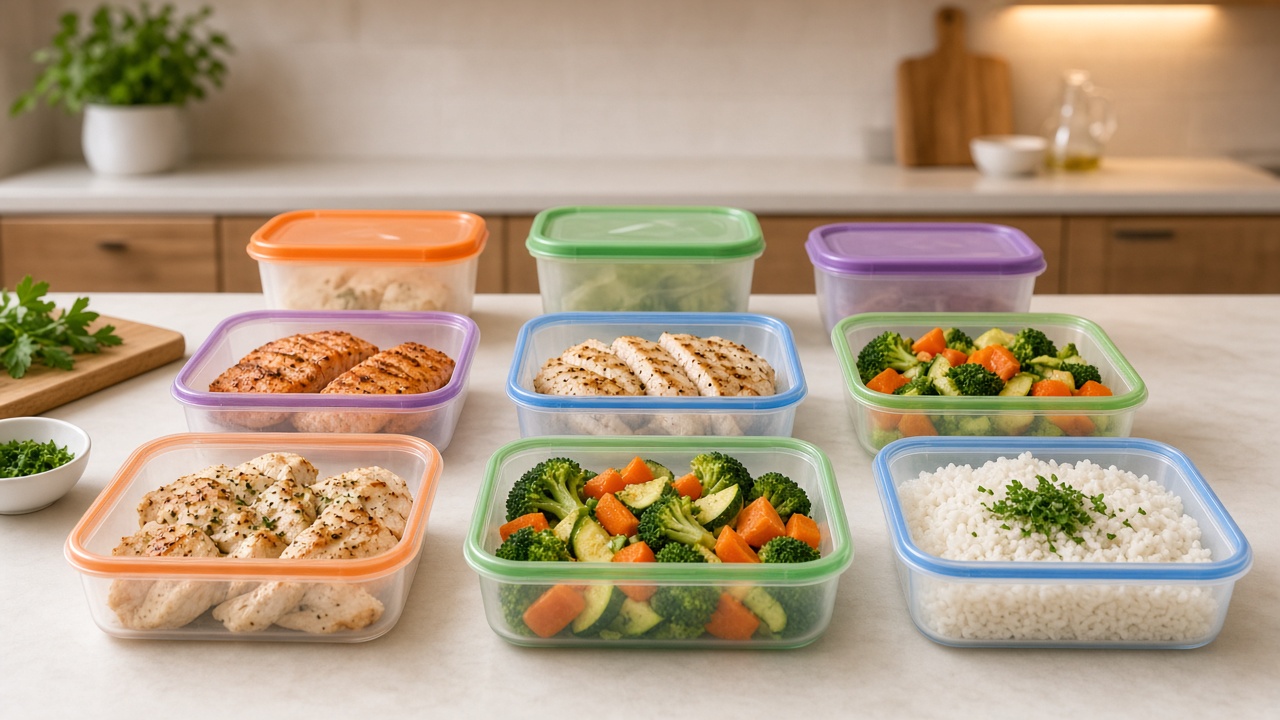
- Color-Coded Prep Gear: Maintain dedicated cutting boards, silicone spatulas, and chef's knives for allergen-safe meal prep (e.g., green cutting boards for allergy-free foods). Never cut allergen-free food on wooden boards that previously absorbed dairy or gluten flours.
- The Dedicated Top Shelf Protocol: In your pantry and refrigerator, store allergen-safe ingredients on the highest shelves. If an allergen-containing item (like wheat bread or cow's milk) leaks or spills, gravity ensures it will not contaminate safe foods below.
- Standardize Family Dinners: Do not cook two or three completely distinct meals every night. That is the fastest route to parental exhaustion and accidental cross-contact. Make the core dinner 100% safe for everyone, allowing non-allergic family members to add safe optional garnishes (like cheese or bread) at the table.
Use our automated grocery list generator to consolidate safe ingredients, and explore our guide to allergy-friendly meal planning for further kitchen isolation protocols.
What fails: 5 mistakes in multiple-allergy meal planning
- Relying on commercial multi-allergen convenience foods: Packaged cookies and frozen meals that eliminate 8 allergens simultaneously often compensate with high amounts of refined starches, inflammatory oils, and synthetic gums, resulting in chalky textures and poor nutrition. Prioritize whole foods first.
- Trying to replicate complex baked pastries: Attempting to bake traditional croissants or brioche without gluten, dairy, or eggs usually produces gummy, disappointing bricks. Satisfy sweet cravings with naturally compliant treats: baked cinnamon apples, coconut milk chia pudding, or dark chocolate with fruit.
- Failing to read labels on single-ingredient spices: Pre-ground spice blends often contain wheat starch as an anti-caking agent or are packaged on shared lines with peanuts and sesame. Always buy certified single-origin spices from dedicated brands.
- Overcomplicating weeknight sauces: You do not need twenty specialty bottles. Master three foundational emulsified dressings: 1) Extra virgin olive oil + fresh lemon juice + sea salt; 2) Sesame tahini (if tolerated) or sunflower butter + lime + tamari (coconut aminos); 3) Avocado + cilantro + garlic blended with water.
- Burnout from isolating the allergic person: Making the allergic family member eat a separate, bland meal while others enjoy a rich feast causes emotional isolation. Cooking unified, gourmet meals that everyone enjoys creates family harmony and absolute safety.
Frequently asked questions
How do I replace both dairy and gluten in creamy pasta dishes?
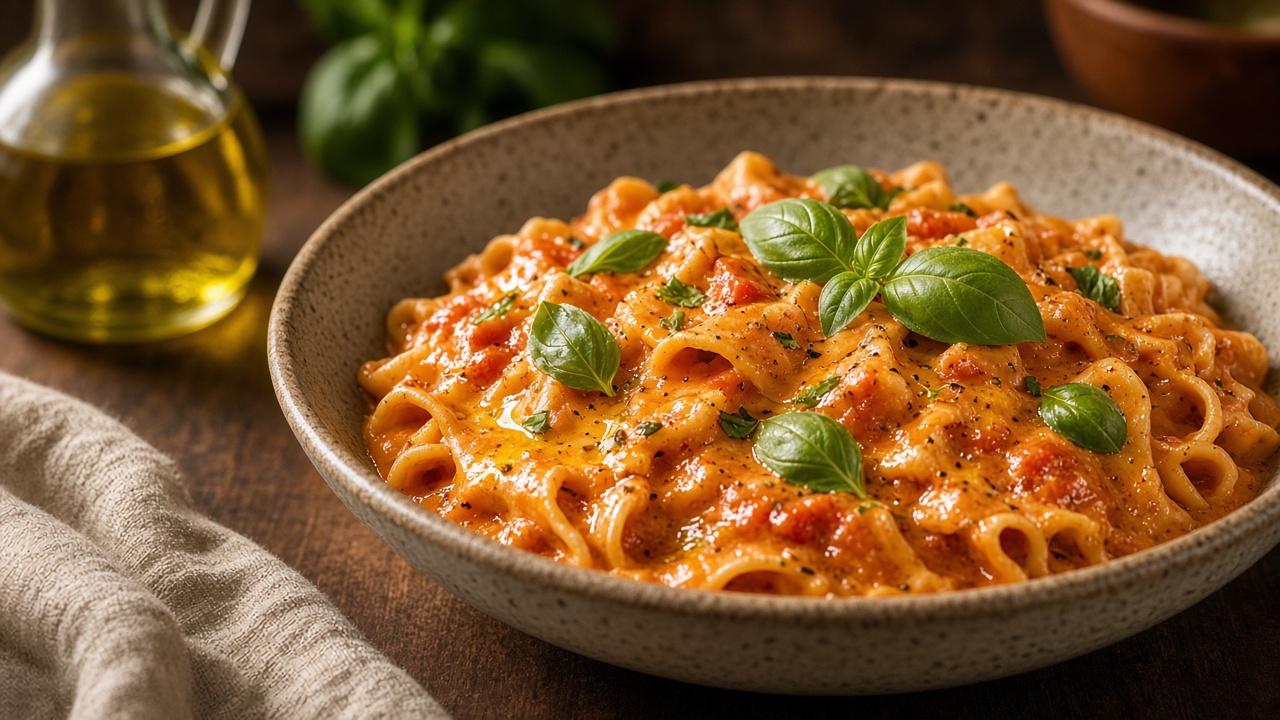
Use certified gluten-free pasta (such as 100% brown rice or chickpea pasta) cooked strictly al dente. For the cream sauce, blend boiled cauliflower florets or roasted sunflower seed butter with vegetable broth, nutritional yeast, roasted garlic, and a splash of olive oil for a luxurious, velvety sauce that contains zero dairy or gluten.
What is the safest grain when both gluten and corn must be avoided?
Certified gluten-free brown jasmine rice, quinoa, and wild rice are the safest and most nutritionally robust grain choices. Tubers like sweet potatoes, russet potatoes, and cassava also serve as outstanding, naturally allergen-free carbohydrate foundations.
How can I substitute soy sauce if soy and wheat are both excluded?
Organic coconut aminos are the premier substitute for soy sauce. Derived from the fermented sap of coconut blossoms, coconut aminos are naturally free from soy, wheat, and gluten, providing a savory, slightly sweet umami flavor with roughly 70% less sodium than traditional soy sauce.
How can I generate an automated multi-allergen grocery list?
Our free meal plan generator allows you to stack multiple allergen exclusions simultaneously. Adjust portion sizes with the servings scaler and find creative recipes for surplus safe staples using the leftover finder.