Recipe Planning
When most people think about hydration, they envision forcing themselves to drink eight identical glasses of plain, lukewarm tap water throughout the day. Yet, in human physiology, optimal cellular hydration is not simply a matter of pouring water down your esophagus like an empty plumbing pipe. If that water is void of mineral electrolytes or consumed without food, your kidneys rapidly filter it, resulting in frequent urination with minimal intracellular water retention. In clinical sports science and functional nutrition, true hydration is defined by Cellular Osmolarity: the ability of water molecules to cross cell membranes into the intracellular compartment where biochemical metabolism, enzyme catalysis, and waste clearance occur.
Between 20% and 30% of your daily biological hydration should originate not from a glass or bottle, but directly from the food on your plate. Fresh fruits, crisp vegetables, broths, and slow-simmered stews contain water bound inside complex plant cellular matrices alongside essential electrolytes: potassium, magnesium, sodium, and calcium. This "gel-structured" water digests slowly, providing a sustained release of hydration directly into your bloodstream while maintaining electrolyte balance. This practical 7-day culinary framework teaches you how to integrate water-rich foods, mineral-rich broths, and structured fluid routines seamlessly into your weekly meal plan.
Important: Fluid and electrolyte requirements vary substantially based on body mass, climate humidity, ambient temperature, physical exertion, and underlying medical status. If you have congestive heart failure, chronic kidney disease (CKD), end-stage renal disease, or cirrhosis of the liver, you may be on a clinically prescribed fluid restriction. Always follow the strict fluid and sodium thresholds provided by your nephrologist or cardiologist.
The physiology of cellular hydration: electrolytes and structured moisture
To master hydration through culinary design, understand the Four Pillars of Bioavailable Hydration:
- Gel-State Plant Water (Intracellular Moisture): Fresh raw vegetables—cucumbers (96% water), zucchini (94%), celery (95%), bell peppers (92%), and tomatoes (94%)—contain water molecules trapped within pectin and cellulose networks. When digested, this water is released gradually along the intestinal tract rather than flushing through the renal system in 20 minutes. Furthermore, plants contain organic mineral chelates that enhance cellular absorption across the mucosal barrier.
- The Potassium-to-Sodium Balancing Act: The sodium-potassium pump (Na+/K+-ATPase) is the primary cellular engine regulating water volume. Sodium commands fluid retention in the extracellular space (blood plasma and interstitial fluid), while potassium commands fluid volume inside the intracellular compartment. Consuming potassium-rich produce (avocados, sweet potatoes, spinach, coconut water, and bananas) counterbalances dietary sodium, preventing extracellular water retention and supporting healthy arterial tension.
- Collagenous and Mineral-Dense Broths: Slow-simmered bone broths and mineral-rich vegetable stocks contain gelatin, chondroitin, and trace minerals (magnesium, calcium, phosphorus). Gelatin acts as a natural hydrophilic colloid, attracting and holding liquid in the digestive tract, soothing intestinal mucosa, and maximizing fluid retention in connective tissues and joints.
- Circadian Fluid Pacing: Guzzling 32 ounces of cold water right before bed does not hydrate your tissues; it merely disrupts deep delta sleep by waking you to use the restroom. Effective hydration requires "front-loading" fluids in the morning and early afternoon, tapering fluid intake two hours before sleep.
The 7-day hydrating meal plan
This master schedule features water-dense salads, cold-pressed gazpachos, broths, and potassium-rich proteins that keep your cells fully hydrated all week long.
| Day | Breakfast (Morning Fluid Launch) | Lunch (High-Moisture Midday Plate) | Dinner (Mineral-Restoring Comfort) | Hydration Factor & Kitchen Tip |
|---|---|---|---|---|
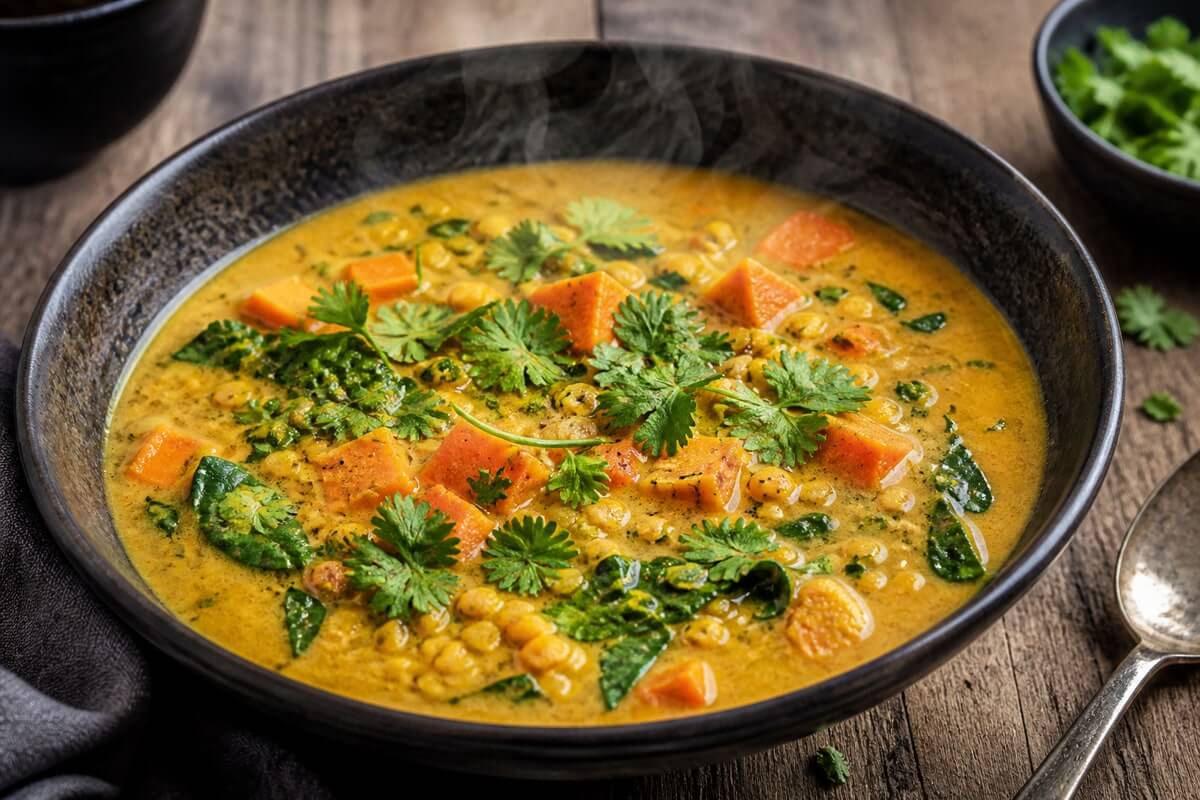
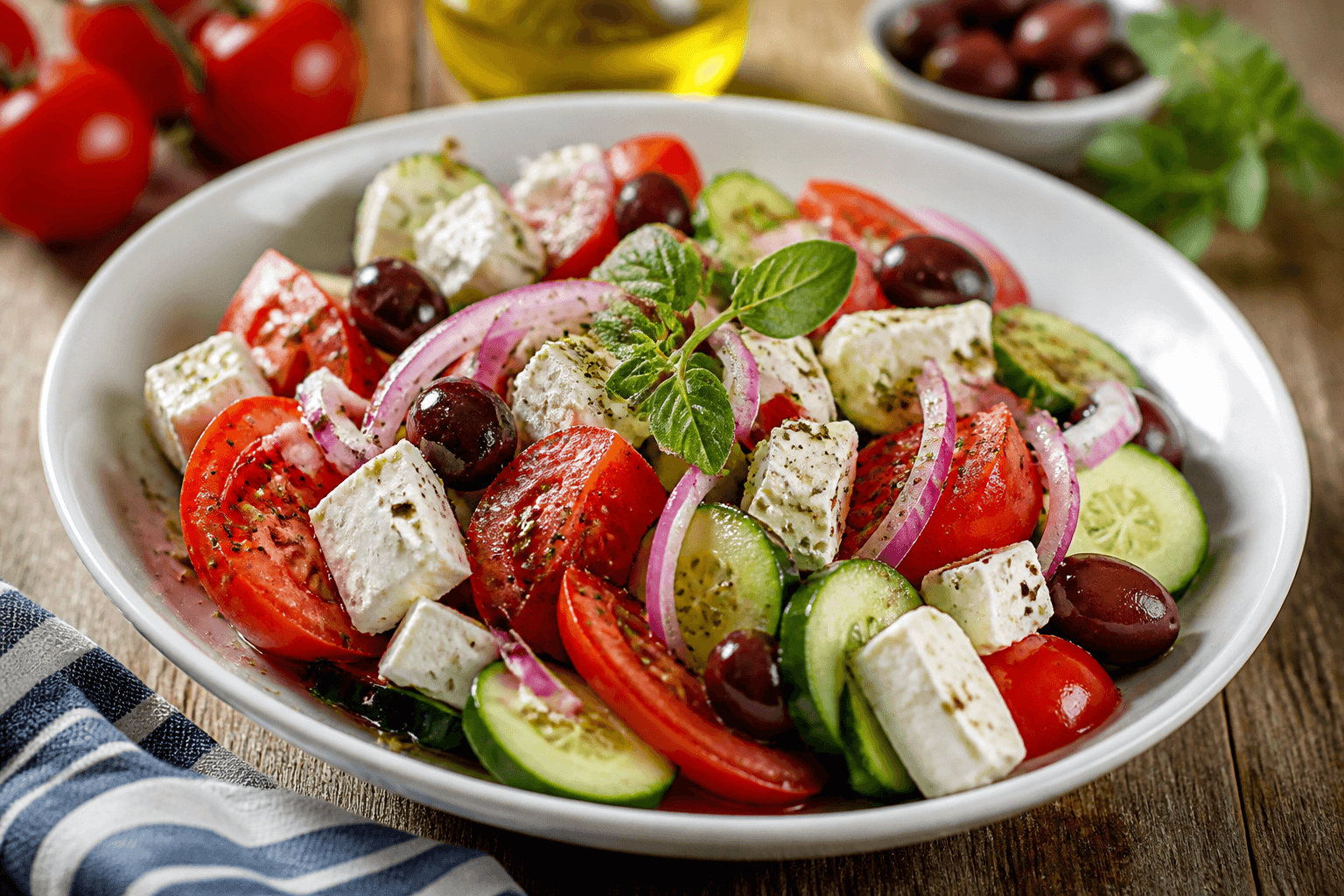
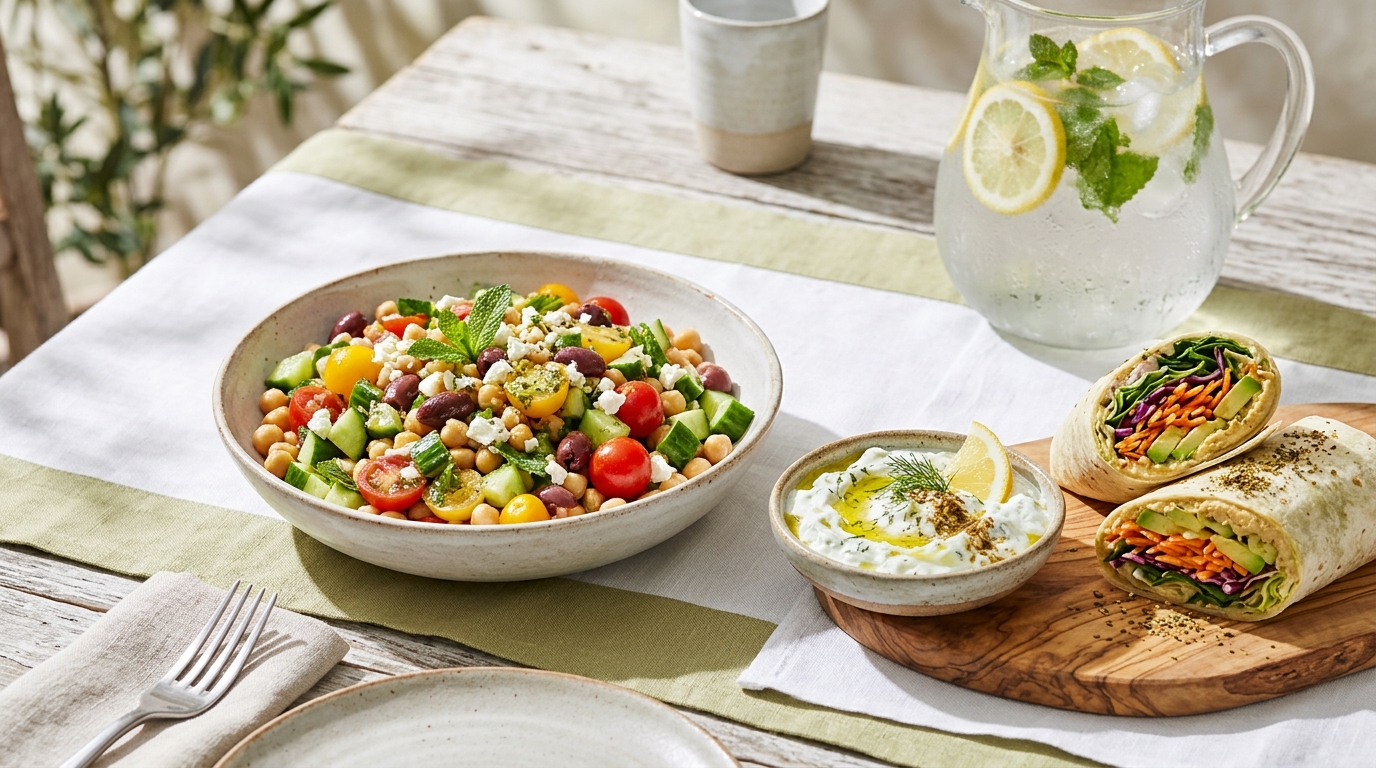
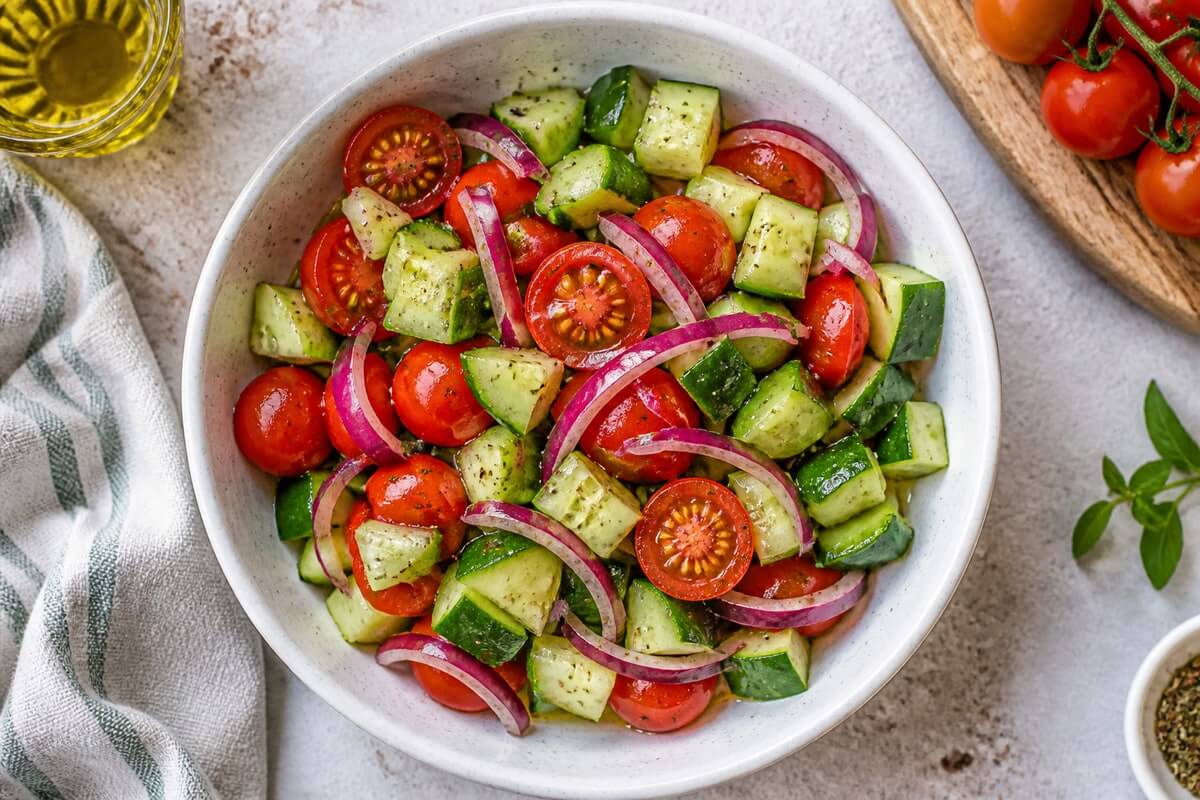
| Monday | Hydrating chia pudding soaked in unsweetened coconut water, layered with sliced kiwi, strawberries, and mint | Crisp cucumber tomato salad with crumbled feta, kalamata olives, and grilled lemon chicken strips | Fragrant coconut curry soup with baby bok choy, rice noodles, and cubed extra-firm tofu | Cucumbers and tomatoes provide 95% water volume alongside lycopene; coconut water supplies bioavailable potassium electrolytes. |
| Tuesday | Two-egg veggie scramble with juicy diced plum tomatoes, baby spinach, and a slice of toasted sourdough | Chilled Andalusian gazpacho (blended raw tomatoes, cucumbers, bell peppers, garlic, and EVOO) with sourdough bread | Slow-simmered bone broth chicken stew with carrots, celery, parsnips, and fresh rosemary sprigs | Raw gazpacho delivers cellular plant water rich in vitamin C and polyphenols without thermal moisture loss. |
| Wednesday | Green powerhouse smoothie blended with English cucumber, celery ribs, spinach, green apple, lime, and coconut water | Leftover chicken and vegetable bone broth stew served with a crisp romaine side salad with lemon dressing | Pan-seared cod with roasted zucchini ribbons, blistered cherry tomatoes, and steamed wild rice | Celery contains natural sodium clusters that facilitate water absorption across intestinal enterocytes. |
| Thursday | Warm steel-cut oatmeal cooked in almond milk, topped with sliced juicy peaches, blueberries, and ground flaxseed | Vibrant horiatiki village salad with crisp cucumbers, bell peppers, red onion, capers, and whole-wheat pita | Soothing tomato basil soup with a grilled goat cheese and spinach sandwich | The high fluid volume of tomato soup combined with healthy fats from cheese optimizes lycopene assimilation. |
| Friday | Unsweetened Greek yogurt bowl topped with fresh watermelon cubes, mint leaves, chia seeds, and raw honey | Chilled mediterranean quinoa salad with extra diced cucumbers, chickpeas, and fresh parsley | Oven-baked salmon with roasted asparagus spears, steamed baby red potatoes, and fresh lemon wedges | Watermelon is 92% water and packed with L-citrulline, an amino acid that improves endothelial nitric oxide and vascular hydration. |
| Saturday | Poached eggs over smashed avocado on toasted sprouted grain bread, paired with half a juicy grapefruit | Turkey and avocado wrap in a whole-grain tortilla with crunchy shredded iceberg lettuce, tomatoes, and tzatziki | Slow-cooked beef or vegetable stew simmered in rich bone broth with carrots, onions, and baby red potatoes | Tzatziki sauce made with strained Greek yogurt, grated cucumber, garlic, and lemon provides both probiotics and high moisture. |
| Sunday | Decadent chia pudding bowl soaked in almond milk with raspberries, hemp hearts, and toasted coconut flakes | Leftover beef and vegetable bone broth stew served with warm crusty sourdough bread | Moroccan spiced chickpea tagine with slow-braised zucchini, eggplant, tomatoes, and whole-wheat couscous | Simmering zucchini and eggplant releases their internal cellular moisture directly into the fragrant tagine sauce. |
Smart beverage habits: elevating plain water
If you struggle with the boredom of drinking plain water, upgrade your daily fluids using these natural, nutrient-dense infusions:
- The Morning Lemon & Himalayan Mineral Elixir: Squeeze half a fresh lemon into 16 ounces of lukewarm water with a tiny pinch of unrefined grey sea salt or pink Himalayan salt. Lemon stimulates salivary amylase and liver bile secretion, while trace minerals provide ionic conductivity to activate intestinal hydration channels.
- Cold-Steeped Botanical Pitchers: Keep a 2-quart glass pitcher in your refrigerator filled with water and fresh botanicals: crushed fresh mint leaves, sliced English cucumber, fresh ginger coins, and bruised rosemary sprigs. The cold extraction infuses subtle volatile terpenes and refreshing flavor without artificial sweeteners or sugar.
- Unsweetened Herbal Teas: Hibiscus tea (rich in vitamin C and anthocyanins), rooibos (caffeine-free and rich in quercetin), and peppermint tea count fully toward your daily fluid total while delivering potent cellular antioxidants.
What fails: 5 common hydration mistakes
- Chugging gallons of distilled or low-mineral water: Drinking excessive quantities (over 4 to 5 liters) of demineralized water flushes out sodium and potassium through the urine. In extreme cases, this causes dangerous exercise-associated hyponatremia (water intoxication); in everyday settings, it triggers cellular swelling, headaches, and muscle cramping. Water must be accompanied by minerals.
- Relying on commercial sports drinks loaded with high-fructose corn syrup: Neon-colored commercial electrolyte drinks often pack 35 grams of refined sugar and artificial food dyes per bottle. For non-marathoners, this sugar spike induces reactive hypoglycemia and gastrointestinal cramping. Opt for natural coconut water diluted with water and a pinch of salt instead.
- Waiting until your mouth feels dry to drink: Thirst is a delayed physiological indicator. By the time your brain's hypothalamic osmoreceptors trigger dry-mouth thirst, your body is already dehydrated by 1% to 2% of total body mass—sufficient to degrade cognitive concentration, physical coordination, and mood.
- Consuming dehydrating diuretics without compensatory water: Alcohol and excessive espresso suppress antidiuretic hormone (ADH / vasopressin) from the pituitary gland, accelerating urinary fluid loss. For every cup of espresso or alcoholic beverage consumed, drink an additional 8–12 ounces of water to maintain net fluid equilibrium.
- Ignoring the hydrating power of broths and hot soups: Many people view soups solely as cold-weather comfort food. In reality, light broths and chilled summer gazpachos are the premier delivery mechanisms for sustained intracellular hydration and digestive comfort year-round.
Frequently asked questions
Does daily coffee and tea count toward my hydration goal?
Yes. Comprehensive clinical trials have debunked the myth that moderate coffee consumption (2 to 3 cups per day) dehydrates the body. While caffeine has a mild, transient diuretic effect in caffeine-naive individuals, habitual coffee and tea drinkers develop tolerance. The total volume of water contained in a standard cup of black coffee or unsweetened tea significantly outweighs the fluid lost through mild diuresis, contributing positively to daily fluid totals.
How can I tell if my hydration level is clinically optimal?
The simplest, most reliable biomarker for daily hydration is urine color and frequency. Aim for light, pale straw or pale lemonade-colored urine, and urinating roughly every 2 to 4 hours while awake. Dark amber or honey-colored urine indicates dehydration, while completely crystal-clear urine with hourly urination signals that you are overconsuming plain water and flushing out critical electrolytes.
What are the highest water-content foods to buy at the grocery store?
The top water-dense foods to stock in your refrigerator include cucumbers (96%), iceberg and romaine lettuce (95%), celery (95%), radishes (95%), zucchini (94%), tomatoes (94%), bell peppers (92%), watermelon (92%), strawberries (91%), and cantaloupe (90%). Incorporating two or three of these items into every meal guarantees continuous cellular hydration.
How do I integrate hydrating foods into my meal prep routine?
Streamline your kitchen preparation by using our suite of culinary tools. Plan an entire week of water-rich, balanced meals with our meal plan generator, consolidate crisp produce and soup staples into one checklist with our grocery list generator, and discover smart recipes for leftover broths and vegetables with our leftover finder.