Recipe Planning
The human gastrointestinal tract is home to roughly 38 trillion microorganisms—a complex microbial ecosystem known as the gut microbiome that encodes over 150 times more genes than the human genome itself. Far from simply digesting dinner, this microbial community regulates 70% of systemic immune tissue, synthesizes critical neurotransmitters (including over 90% of the body's serotonin), produces short-chain fatty acids (SCFAs) that protect the colonic lining, and modulates metabolic inflammation. When your microbiome is starved of diverse dietary substrates, beneficial species diminish, the protective mucosal barrier thins, and gastrointestinal distress—bloating, irregular transit, and systemic fatigue—inevitably follows.
However, supporting gut health does not require extreme, restrictive elimination diets that strip all joy from cooking. In fact, prolonged avoidance of diverse plant fibers starves your beneficial microbes, reducing microbial richness. The cornerstone of clinical gut health is Substrate Diversity: supplying your resident microbiota with a wide spectrum of prebiotic fibers, polyphenols, resistant starches, and live fermented foods, cooked using gentle culinary techniques that ease mechanical digestion. This evidence-based 7-day meal plan provides a soothing, delicious blueprint to restore microbial balance and optimize digestion.
Important: This guide provides general digestive nutrition and microbiome support education, not clinical treatment for inflammatory bowel disease (Crohn's disease, ulcerative colitis), celiac disease, severe small intestinal bacterial overgrowth (SIBO), or active gastroparesis. If you experience persistent abdominal pain, unexplained weight loss, chronic severe diarrhea, or rectal bleeding, consult a gastroenterologist immediately.
The microbiome diversity architecture: fuel, flora, and soothing prep
A thriving intestinal ecosystem requires a holistic nutritional approach built on the Four Pillars of Digestive Balance:
- The 30-Plants-Per-Week Diversity Benchmark: Pioneering research from the American Gut Project demonstrated that individuals who consume more than 30 distinct plant species per week harbor significantly more diverse microbiomes and lower antimicrobial resistance genes than those consuming fewer than 10 plants. "Plants" include vegetables, fruits, whole grains, legumes, tree nuts, seeds, herbs, and culinary spices. Each unique plant species offers distinct polysaccharide chains that selectively nourish different bacterial phyla (such as Bacteroidetes, Firmicutes, and Actinobacteria).
- Prebiotic Soluble Fibers and Resistant Starches: Prebiotics are non-digestible food components that pass intact through the upper gastrointestinal tract to undergo bacterial fermentation in the colon. Key prebiotics include inulin and fructooligosaccharides (FOS) (found in garlic, onions, leeks, asparagus, and bananas) and beta-glucan (in oats and barley). Furthermore, cooking and subsequently cooling starches (potatoes, rice, legumes) creates Resistant Starch Type 3 (RS3), which bypasses small-intestine amylase and fermentatively fuels the production of butyrate—the primary fuel source for colonocytes that seals tight junctions and prevents intestinal permeability.
- Active Live-Culture Fermented Foods: Regularly consuming unpasteurized fermented foods—plain Greek yogurt, kefir, raw sauerkraut, kimchi, traditional miso, and tempeh—introduces transient lactic acid bacteria (Lactobacillus and Bifidobacterium species). These beneficial microbes transiently colonize the gut lumen, secrete antimicrobial bacteriocins that suppress opportunistic pathogens, and lower luminal pH to create an inhospitable environment for dysbiotic bacteria.
- Gentle Culinary Thermal Techniques: For individuals with sensitive digestion or sluggish motility, consuming massive bowls of raw, coarse vegetables can cause severe gas, cramping, and bloating. Mechanical cell walls can be tough to break down. Utilizing gentle culinary techniques—slow simmering, braising, steaming, pureeing, and soaking legumes before cooking—partially breaks down complex hemicellulose fibers and deactivates lectins and phytates, allowing easy digestion without mechanical irritation.
The 7-day gut-friendly meal plan
This master schedule emphasizes soothing, nutrient-dense meals that introduce plant diversity gradually, incorporate probiotic ferments, and utilize gentle cooking methods.
| Day | Breakfast | Lunch | Dinner | Digestive Mechanism & Kitchen Tip |
|---|---|---|---|---|
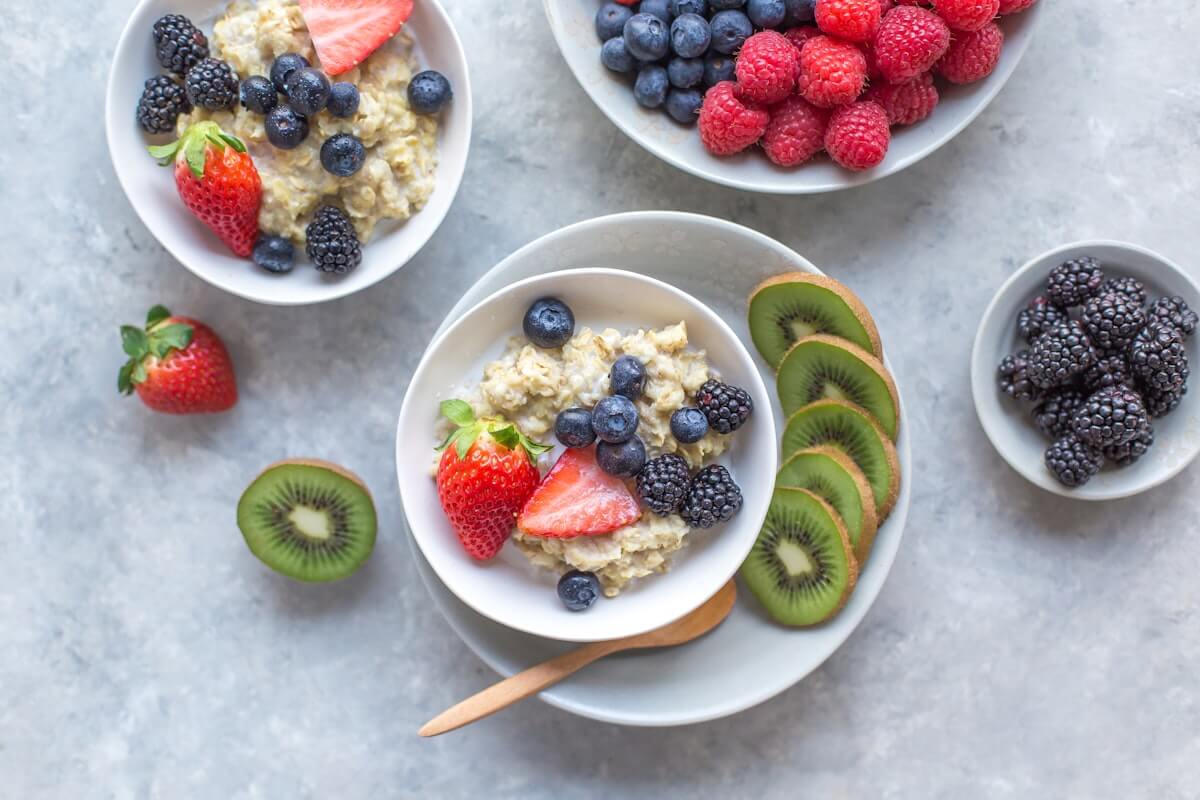
| Monday | Warm overnight oats with berries, stewed cinnamon apples, chia seeds, and plain unsweetened kefir | Silky pureed zucchini and leek soup topped with toasted pumpkin seeds and sourdough toast | Slow-simmered hearty lentil soup with carrots, peeled celery, crushed tomatoes, and tender Swiss chard | Soak dry lentils in warm water with a splash of apple cider vinegar for 6 hours prior to cooking to dramatically reduce raffinose gas-producing oligosaccharides. |
| Tuesday | Scrambled pasture-raised eggs cooked in olive oil with tender baby spinach and peeled diced zucchini | Soothing miso soup with tofu, steamed bok choy, and warm brown jasmine rice | Pan-seared lemon herb chicken with roasted kabocha squash cubes and steamed French green beans | Stir miso paste into the soup at the very end off the heat; boiling water kills beneficial live probiotic Aspergillus oryzae cultures. |
| Wednesday | Creamy Greek yogurt parfait with stewed wild blueberries, ground flaxseed, and a drizzle of raw honey | Leftover lemon herb chicken shredded over cooked, cooled, and rewarmed quinoa with peeled cucumbers and lemon vinaigrette | Fragrant chickpea and sweet potato curry simmered in ginger, turmeric, and light coconut milk over basmati rice | Cooling the cooked quinoa and basmati rice in the refrigerator overnight forms gut-healing resistant starch type 3 before gentle reheating. |
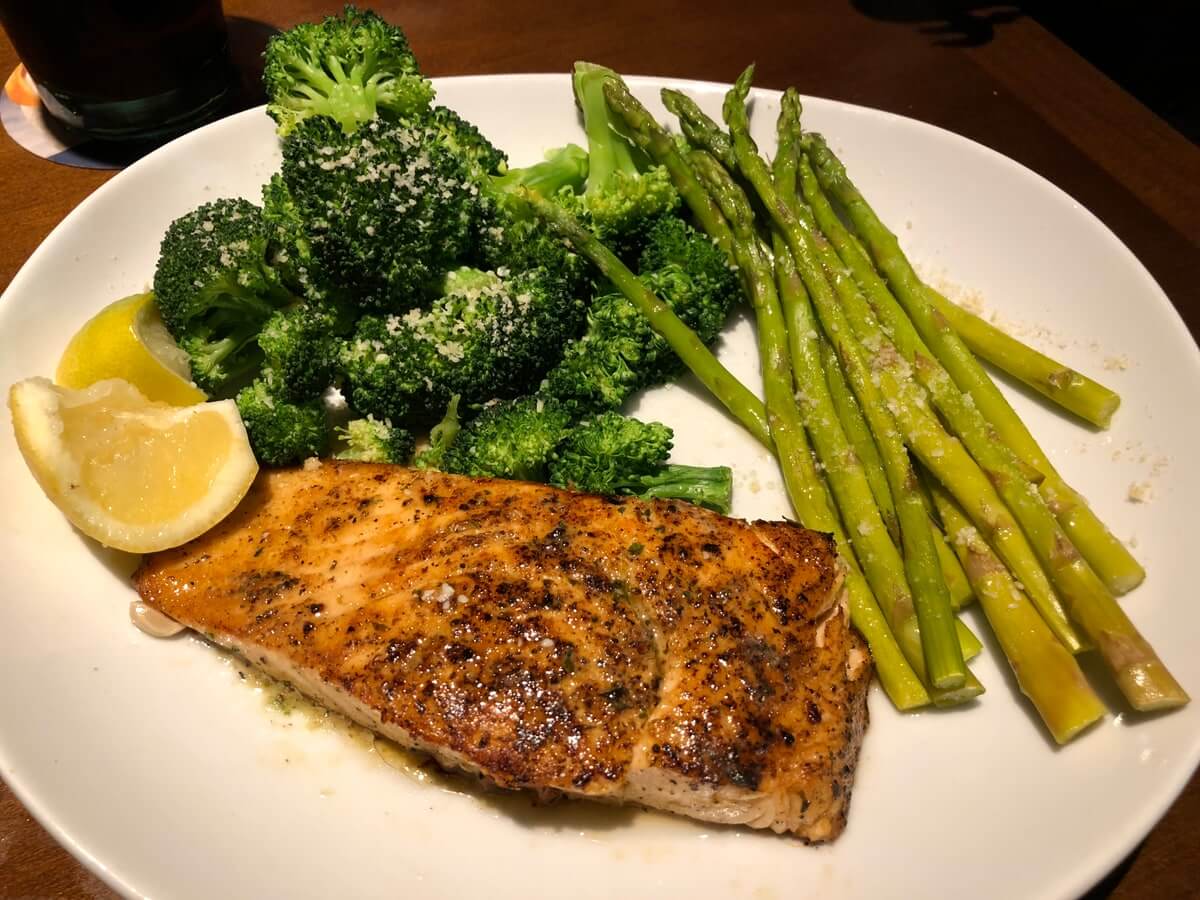
| Thursday | Congee (slow-simmered rice porridge) made with homemade bone broth, fresh grated ginger, poached egg, and scallions | Warm rainbow Buddha bowl with steamed sweet potato, tender massaged kale, warm chickpeas, and creamy tahini dressing | Oven-baked herb-baked salmon with steamed asparagus spears and roasted baby red potatoes | Collagen and amino acids (proline, glycine, glutamine) in bone broth provide essential structural substrates for mucosal epithelial lining repair. |
| Friday | Gluten-free buckwheat porridge cooked with unsweetened almond milk, topped with sliced banana and almond butter | Thermos of chickpea and sweet potato curry with warm sourdough flatbread and a side of raw unpasteurized sauerkraut | Herb-marinated grilled turkey cutlets with roasted carrots, parsnips, and sautéed rainbow chard in olive oil | Add 1–2 tablespoons of raw sauerkraut alongside warm meals; live lactobacilli enhance digestive enzyme secretion and motility. |
| Saturday | Sourdough toast topped with soft scrambled eggs, fresh herbs, sliced ripe avocado, and a sprinkle of sea salt | Chilled mediterranean quinoa salad with crumbled goat feta, peeled tomatoes, and extra virgin olive oil | Seared wild cod over braised fennel, leeks, and fire-roasted plum tomato reduction with roasted fingerling potatoes | Braised fennel bulb contains anethole, a volatile essential oil with carminative properties that relaxes gastrointestinal smooth muscle and eases bloating. |
| Sunday | Chia seed pudding soaked in coconut milk with raspberries, hemp hearts, and a sprinkle of ground cinnamon | Leftover cod and braised fennel bowl with warm sourdough bread and extra virgin olive oil | Slow-cooked Moroccan vegetable and chickpea tagine with caramelized onions, zucchini, and fluffy couscous | Prepare a large batch of stewed fruits and bone broth during Sunday prep to make weekday breakfasts and lunches effortlessly soothing. |
Smart digestive pantry swaps: soothing your gastrointestinal tract
Optimizing your digestive tolerance requires replacing common irritants with gut-nourishing alternatives:
- Commercial High-Fructose Dressings → Extra Virgin Olive Oil & Fresh Citrus: High-fructose corn syrup feeds dysbiotic colonic bacteria and can induce osmotic diarrhea in sensitive individuals. Replace with cold-pressed olive oil, fresh lemon juice, unpasteurized apple cider vinegar, and fresh herbs.
- Raw Cruciferous Vegetables → Steamed or Roasted Brassicas: Raw kale, broccoli, and cabbage contain dense fibrous structures and goitrogens that require immense digestive exertion. Lightly steaming or roasting them breaks down tough cellulose, preserving sulforaphane while preventing painful gas formation.
- Industrial Ultra-Processed Bread → Authentic Slow-Fermented Sourdough: Standard supermarket sandwich bread contains quick-acting commercial yeast, dough conditioners, and intact gluten matrices. Traditional long-fermented sourdough relies on wild lactobacilli and yeasts that pre-digest gluten proteins and phytic acid over 24 to 48 hours, making the bread exceptionally gentle on digestion.
- Artificial Sweeteners (Sucralose, Aspartame, Polyols) → Raw Honey or Stewed Fruit: Sugar alcohols (sorbitol, maltitol, xylitol) are poorly absorbed in the small intestine, drawing water into the bowel and undergoing rapid microbial gas production. Sweeten breakfast bowls with whole stewed berries or modest drizzles of raw honey.
What fails: 5 common gut health mistakes
- Ramping up fiber from 10 grams to 40 grams overnight: When people decide to "eat clean," they often go from eating zero fiber to consuming massive raw kale salads, chia bowls, and beans in a single day. The resident microbiome does not possess sufficient enzymatic machinery to process this sudden influx, resulting in agonizing gas, severe distension, and constipation. Fiber must be increased incrementally by 3 to 5 grams every few days, accompanied by ample water.
- Adopting permanent, overly restrictive elimination diets: The Low-FODMAP diet was designed clinically as a temporary, short-term diagnostic tool (4 to 6 weeks) to identify specific triggers. Remaining on a strict elimination diet permanently starves beneficial Bifidobacterium and Faecalibacterium prausnitzii, reducing long-term microbial resilience and creating severe food fear. Always systematically reintroduce food groups.
- Consuming pasteurized "fermented" foods: Many commercially canned pickles, jars of sauerkraut, and mass-market yogurts undergo high-temperature post-fermentation pasteurization to extend shelf life. This heat destroys all live beneficial bacteria, leaving you with tasty vinegar pickles but zero probiotic benefits. Always check labels for "contains live and active cultures" and look for items in the refrigerated section.
- Eating in a state of sympathetic "fight-or-flight" stress: Digestion is controlled strictly by the parasympathetic nervous system (the "rest and digest" branch of the vagus nerve). Eating while driving, answering stressful work emails, or rushing halts salivary amylase secretion, reduces stomach acid output, down-regulates pancreatic enzymes, and halts peristalsis. Sit down, take three deep diaphragmatic breaths, and chew every bite thoroughly before swallowing.
- Relying on expensive probiotic pills while starving microbes of prebiotic food: Taking a 50-billion CFU probiotic capsule is completely futile if your daily diet consists of processed foods void of fiber. Without prebiotic fiber substrates (inulin, resistant starch, pectin) to feed on, supplemental probiotic strains cannot survive or colonize the colon; they simply pass through unassimilated. Food diversity must come first.
Frequently asked questions
How do I know if my bloating is normal digestion or something serious?
Mild, temporary bloating after a large, high-fiber meal (such as a bean chili or lentil soup) is a normal byproduct of healthy microbial fermentation and gas production. However, severe abdominal distension that causes acute pain, worsens progressively throughout the day, occurs alongside altered bowel habits (chronic diarrhea or constipation), or is accompanied by "red flag" symptoms (unexplained weight loss, fever, blood in stool, vomiting) is not normal and requires clinical evaluation by a gastroenterologist to rule out SIBO, celiac disease, or IBD.
What is resistant starch, and how do I make it in my kitchen?
Resistant starch is a type of starch that resists digestion in the small intestine, traveling to the colon where it acts as a premier prebiotic food for butyrate-producing bacteria. You can easily create Resistant Starch Type 3 (retrograded starch) through a simple kitchen technique: cook starches like potatoes, white or brown rice, or legumes, and then cool them in the refrigerator at 39°F (4°C) for at least 12 to 24 hours. The starch molecules crystallize into tight structures that remain intact even after you gently reheat them for dinner.
Can bone broth heal a "leaky gut"?
While "leaky gut" is a popular wellness term, clinical gastroenterology recognizes intestinal hyperpermeability. High-quality bone broth is rich in gelatin, collagen, and amino acids—specifically L-glutamine, proline, and glycine—which are primary structural substrates used by enterocytes to maintain mucosal epithelial barrier integrity and tight junction proteins. While bone broth alone cannot cure gastrointestinal disease, it serves as a deeply soothing, easily digestible, nutrient-dense culinary foundation for a gut-supportive diet.
How can I organize a gut-friendly weekly meal routine?
Take the complexity out of microbiome meal planning with our interactive digital tools. Generate an individualized, fiber-balanced weekly plan using our meal plan generator, convert your selected recipes into an organized shopping list with our grocery list generator, and find creative, gentle recipes for extra produce with our leftover finder.