Recipe Planning
When a midsummer heatwave settles in and outdoor temperatures spike into the 90s or triple digits, standing over a roaring six-burner stovetop or preheating a 425°F oven is the last thing anyone wants to do. High indoor heat leads to inevitable cooking fatigue, short tempers, and late-night scrambles for greasy, sodium-heavy takeout that leaves you feeling even more sluggish and dehydrated.
The solution is not skipping dinner or subsisting solely on crackers and cheese. With a thoughtful heatwave meal strategy, you can enjoy refreshing, nutrient-dense, and deeply satisfying dinners that require zero oven time and minimal or no active stovetop heat. By leaning on cooling cultured dairy, canned legumes, crisp hydrating produce, smart no-cook proteins, and bold acid-forward vinaigrettes, you can feed a family in under 15 minutes while keeping your home cool and comfortable.
The four golden rules of hot-weather cooking
Adapting your kitchen routine for extreme heat requires rethinking how and when you apply heat, how you balance textures, and how you protect perishable ingredients.
1. Master thermal-shift prep
If any element of your meal requires boiling water—such as cooking a batch of quinoa, boiling eggs, or steaming pasta—never execute that task during the afternoon heat peak between 1:00 PM and 6:00 PM. Shift all thermal cooking to early morning (before 8:00 AM) or late evening after sundown. Cook double batches, chill them rapidly in shallow containers, and store them in the refrigerator so they are icy cold and waiting for you at dinner.
2. Hydrate through your dinner plate
During severe heatwaves, drinking water alone is not always enough to sustain cellular hydration; your body constantly expels essential electrolytes through sweat. Incorporate high-water-content produce into your dinner foundations. Cucumbers contain 96% water, zucchini 95%, tomatoes 94%, and watermelon 92%. Eating these water-rich vegetables provides slow-release cellular hydration accompanied by natural potassium and magnesium.
3. Amplify acids, fresh herbs, and aromatics
High-heat roasting and pan-searing naturally create flavor through the Maillard reaction (caramelization of sugars and amino acids). Because no-cook meals lack this browned depth, cold dishes can taste flat if under-seasoned. Compensate by dramatically elevating bright, sharp acids and fresh volatile herbs: freshly squeezed lime juice, raw apple cider vinegar, tangy pomegranate molasses, sumac, fresh spearmint, cilantro, and dill. Acid wakes up the palate instantly without adding thermal weight.
4. Enforce strict summer cold-chain food safety
Bacterial pathogens (including Salmonella, Staphylococcus aureus, and Bacillus cereus) reproduce exponentially between 40°F and 140°F (4°C to 60°C). While the general USDA guideline permits food to sit at room temperature for up to two hours, that window shrinks to exactly one hour when the ambient temperature exceeds 90°F (32°C). Keep yogurt dishes, chilled cooked rice, seafood salads, and cold poultry in the refrigerator until the exact moment of serving.
Raw red onions and shallots add fantastic crunch to summer salads, but their raw sulfur compounds can overpower delicate greens. After thinly slicing your onions, submerge them in a small bowl of ice water for 10 minutes, then drain and pat dry. This removes harsh biting sulfur while preserving crisp, sweet crunch.
Cooling cultured dairy: the centerpiece of summer comfort
Across South Asia, the Middle East, and the Mediterranean, cultured yogurt (curd, dahi, or labneh) is universally revered as the premier dietary antidote to intense summer sun. Cultured yogurt provides clean complete protein, bioavailable calcium, and gut-supporting probiotics. It acts as a culinary thermal buffer, soothing the digestive tract and providing sustained satiety without physical heaviness.
Authentic cucumber-mint raita as a meal foundation
Far more than a simple side dip, a well-engineered bowl of spiced yogurt can anchor an entire summer dinner when paired with warm flatbreads or cold grains. To make a rich, cooling meal-sized raita:
- Grate and press: Coarsely grate 2 Persian or English seedless cucumbers. Place them in a clean dish towel or mesh strainer, sprinkle with a pinch of sea salt, let sit for 5 minutes, and squeeze firmly to expel excess water. This prevents your yogurt bowl from turning watery and separation-prone.
- Whisk the base: In a large mixing bowl, whisk 2 cups of whole-milk plain yogurt or thick Greek yogurt with 2 tablespoons of ice water, 1 minced garlic clove, and the juice of half a lemon until glossy and smooth.
- The aromatic tempering: Fold in the drained cucumber, 1/4 cup of finely chopped fresh mint leaves, 1/2 teaspoon of freshly roasted ground cumin (bhuna jeera), and a pinch of black salt (kala namak) for distinctive savory depth.
- Finish with healthy fat: Drizzle a golden ribbon of extra virgin olive oil over the top and garnish with toasted pine nuts or pomegranate arils. For dip variations, explore our Greek yogurt veggie dip.
Cold yogurt-poached shredded chicken bowls
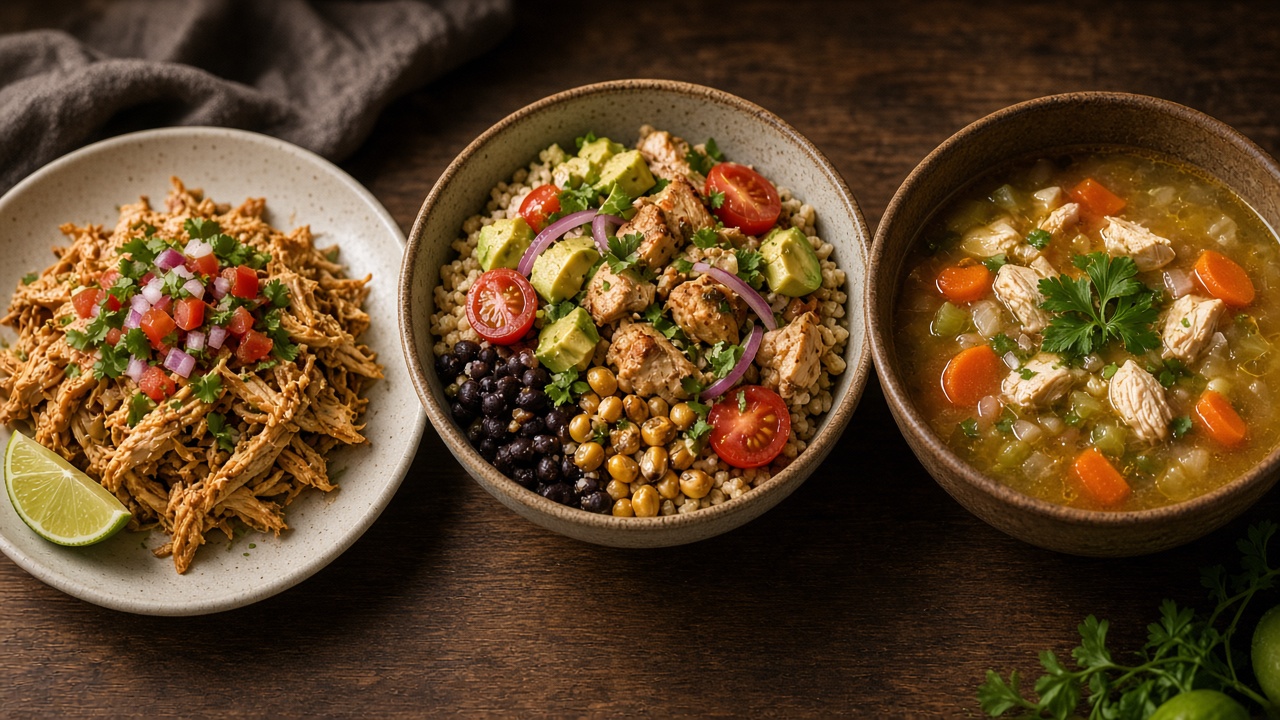
Combine shredded cold rotisserie chicken with a creamy dressing of plain yogurt, Dijon mustard, minced fresh tarragon, diced celery, and lemon juice. Serve over chilled basmati rice or a bed of crisp butter lettuce. The lactic acid in the yogurt keeps the chicken succulent and tender straight out of the refrigerator.
Five zero-cook and low-heat dinner blueprints
1. The 10-minute Mediterranean chickpea and feta salad
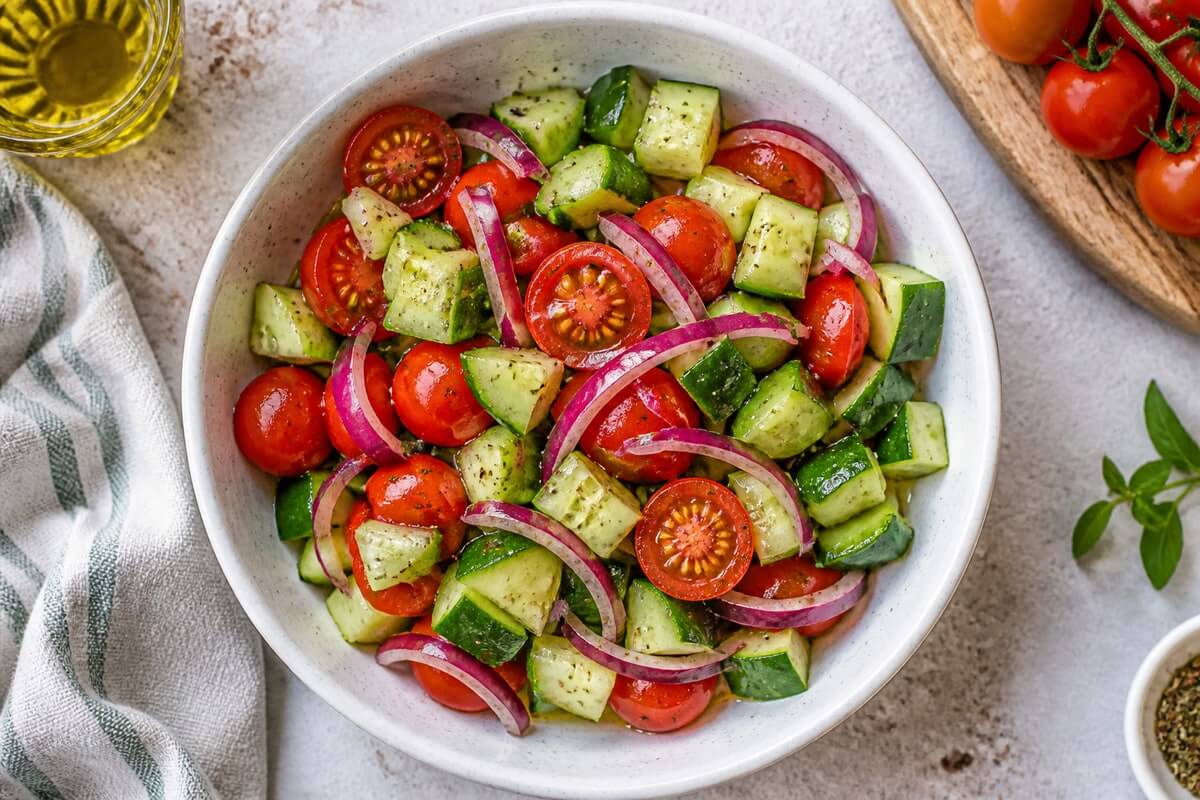
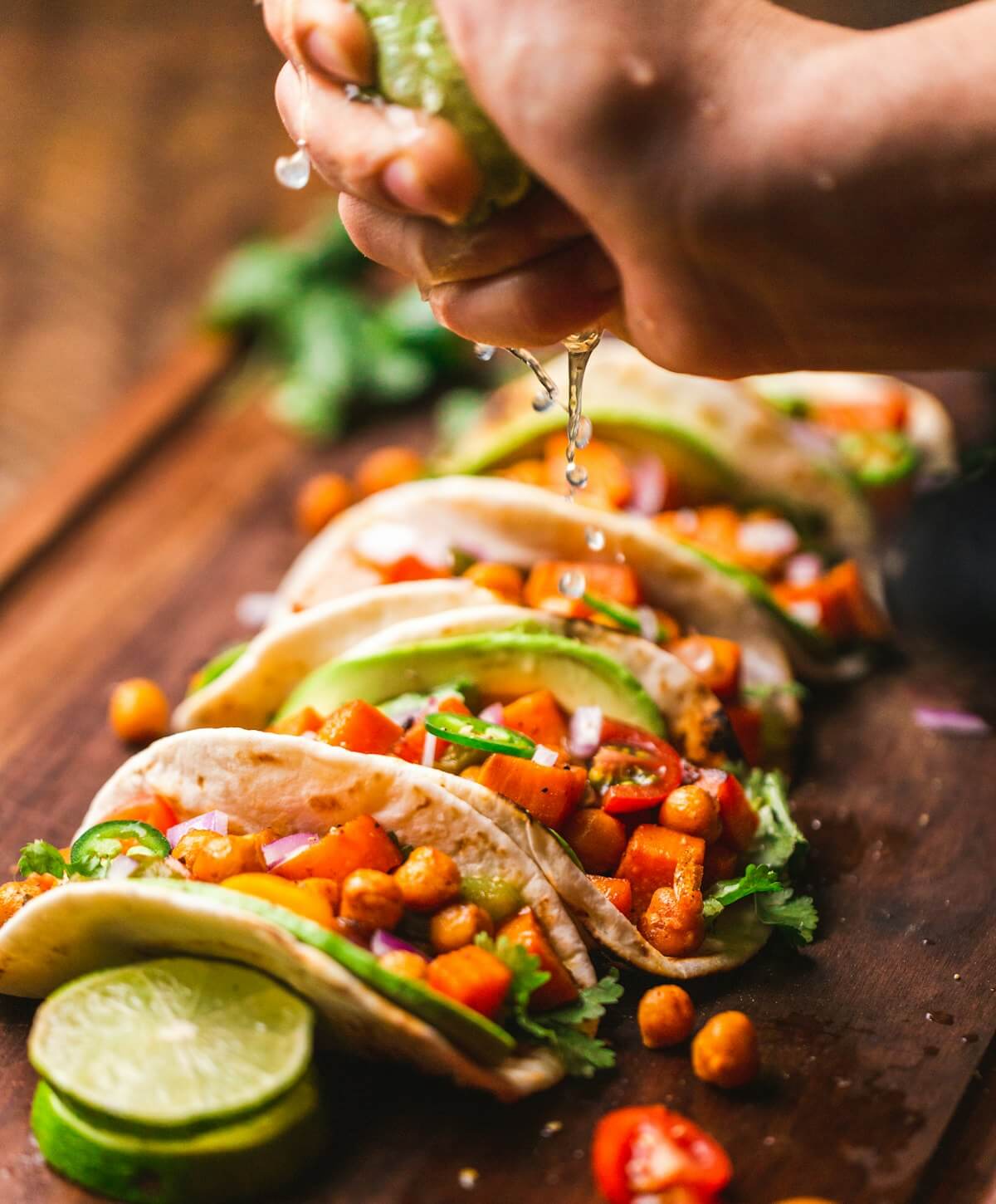
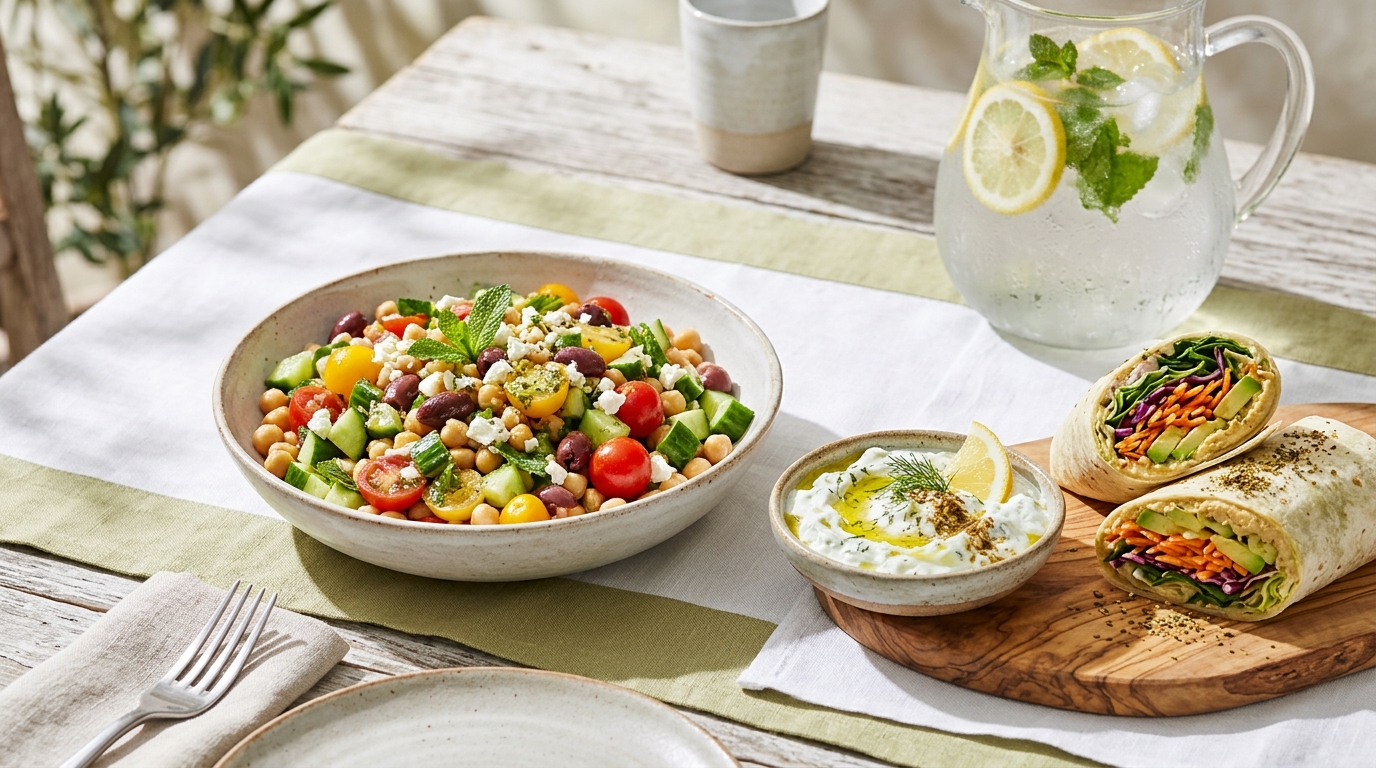
Drain and rinse two cans of organic chickpeas. Toss in a large bowl with diced English cucumbers, halved heirloom cherry tomatoes, pitted kalamata olives, thinly sliced drained red onions, and crumbled sheep’s milk feta. Whisk a simple dressing of 4 tablespoons extra virgin olive oil, 2 tablespoons red wine vinegar, 1 teaspoon dried oregano, sea salt, and black pepper. Toss together and serve with warm pita wedges or crusty sourdough. For a quick dinner wrap option, see our Mediterranean chickpea wrap.
2. Tuscan white bean and olive oil-packed tuna salad
Canned cannellini beans (white kidney beans) have a buttery, creamy texture that pairs exquisitely with sustainable jarred or canned albacore tuna packed in olive oil. Drain the beans, flake the tuna gently with a fork (keeping large, meaty flakes intact), and combine with thinly sliced celery hearts, chopped Italian flat-leaf parsley, capers, and lemon zest. Drizzle generously with peppery extra virgin olive oil and lemon juice. This meal provides over 32 grams of clean protein per serving without a single second of cooking.
3. Rainbow hummus and crunchy vegetable wraps
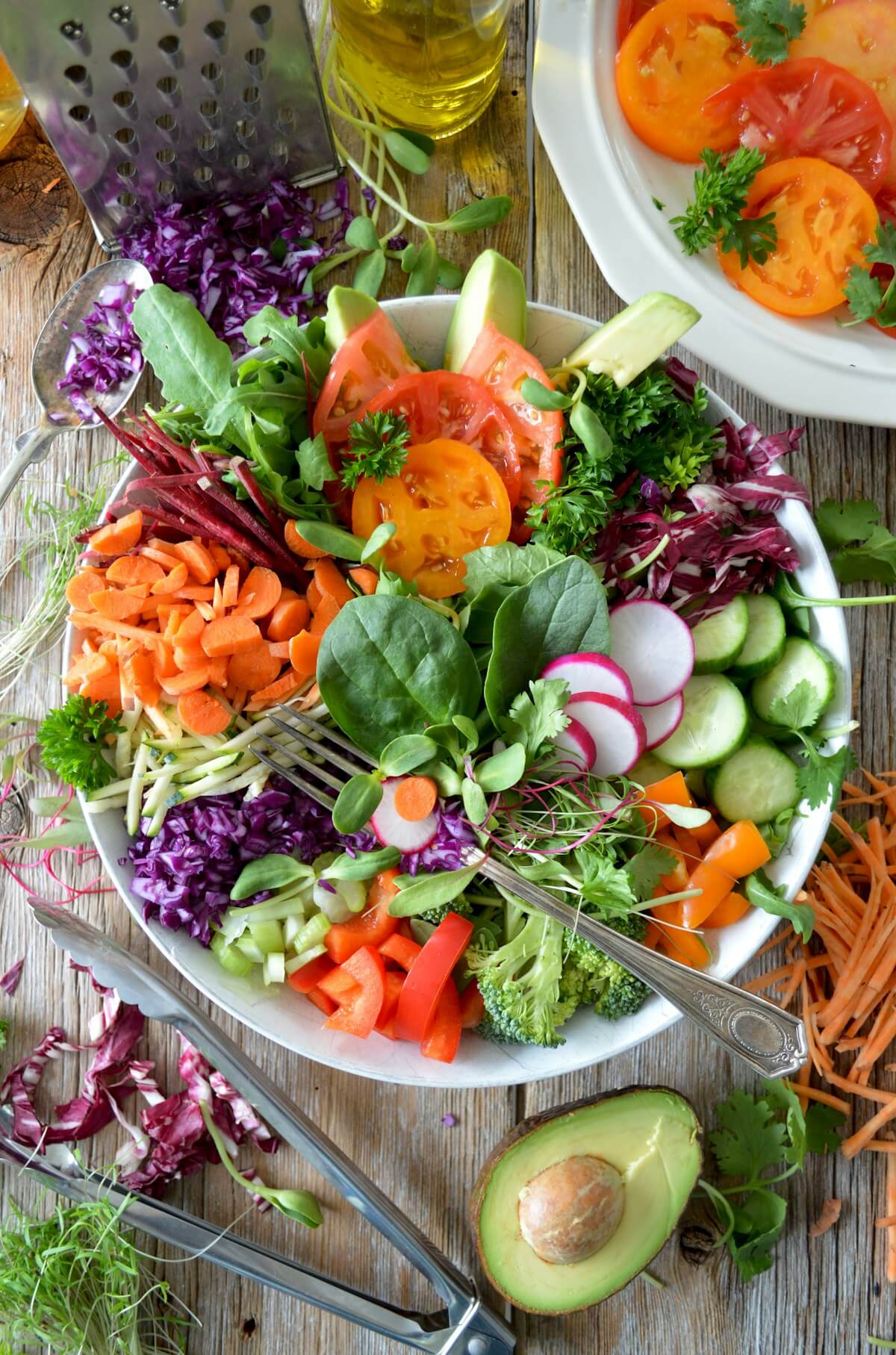
Lay large whole-wheat lavash or spinach tortillas flat. Spread an abundant layer of classic garlic hummus across the center. Layer thinly sliced avocado, shredded red cabbage, matchstick carrots, sliced red bell peppers, and tender baby spinach. Roll tightly like a burrito and slice on the diagonal. The combination of creamy healthy fats and crisp hydrating vegetables satisfies hunger while keeping energy levels soaring. Check our hummus veggie wrap recipe for full ratios.
4. Icy cold peanut-sesame noodle bowls
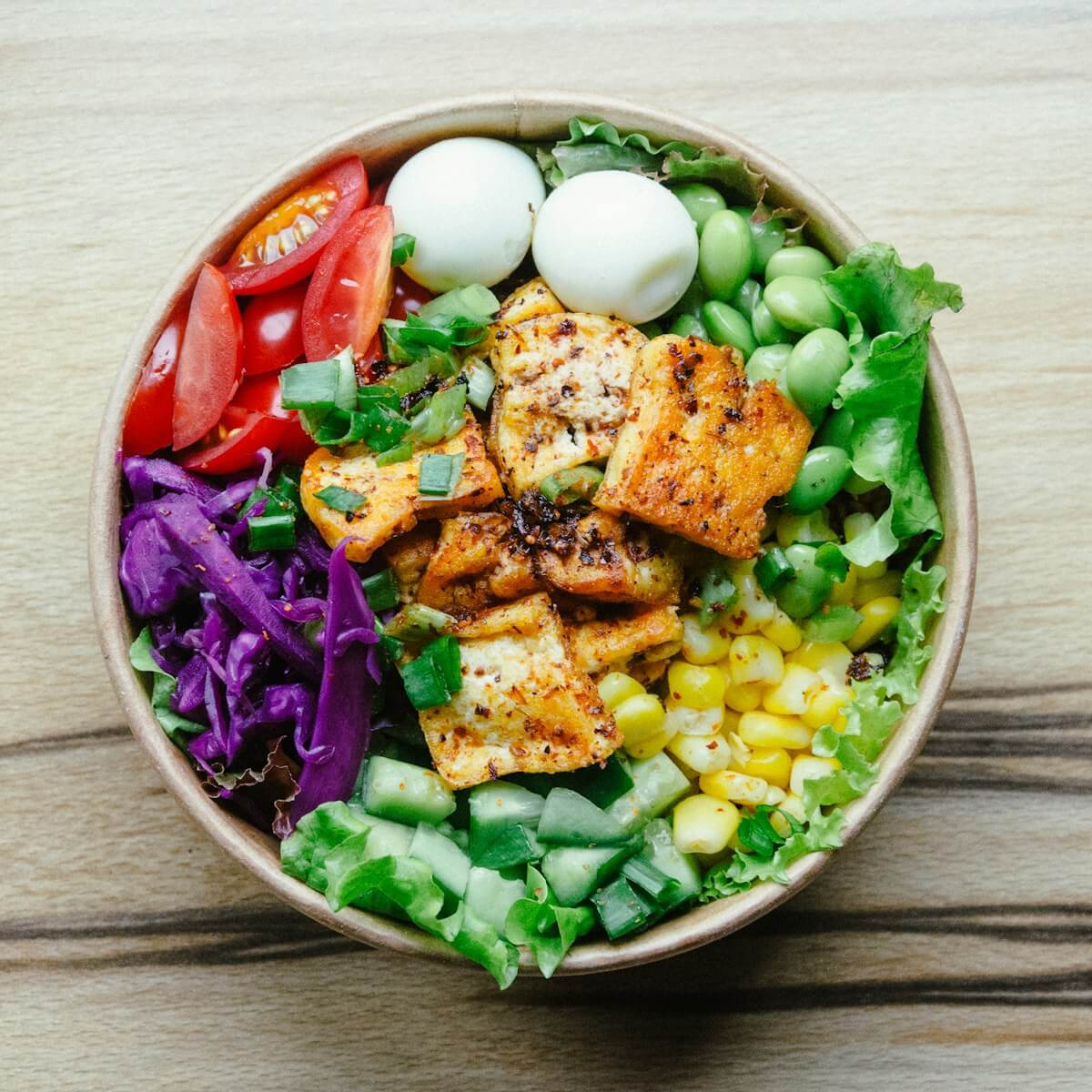
Cook soba (buckwheat noodles) or thin rice noodles in the early morning, drain, rinse under freezing cold running water until chilled, and toss with a drop of toasted sesame oil to prevent sticking. When dinner arrives, toss the chilled noodles with matchstick cucumbers, shredded purple cabbage, edamame beans, and fresh cilantro. Drizzle with a whisked no-cook dressing of natural creamy peanut butter, warm water, tamari or soy sauce, fresh lime juice, maple syrup, and sriracha. Top with crushed roasted peanuts for crunch. For salad inspiration, explore our Thai peanut salad.
5. The ultimate Spanish gazpacho and sourdough platter
Transform peak-summer ripe tomatoes into a refreshing, silky cold soup. In a high-speed blender, combine 2 pounds of ripe Roma or vine tomatoes, 1 Persian cucumber, 1/2 green bell pepper, 1 small garlic clove, 2 tablespoons sherry vinegar, 1/3 cup high-phenolic extra virgin olive oil, and 1 teaspoon sea salt. Blend on high for 2 full minutes until completely emulsified into a frothy, vibrant orange-red gazpacho. Chill for at least 2 hours. Serve in wide bowls garnished with tiny cucumber cubes and toasted sourdough rubbed with raw garlic.
The 5-day "keep the oven off" heatwave meal schedule
| Day | Dinner Menu | Active Kitchen Time | Assembly & Leftover Strategy |
|---|---|---|---|
| Monday | Mediterranean chickpea and feta salad with warm flatbreads and fresh mint | 10 minutes (no cooking) | Open canned beans, chop fresh produce, whisk dressing, and toss. Zero heat generated. |
| Tuesday | Chilled spiced yogurt chicken bowls with cucumber-mint raita over cold rice | 12 minutes (assemble) | Use morning-prepped cold basmati rice or flatbreads with shredded rotisserie chicken. |
| Wednesday | Icy cold soba noodle bowls with crunchy veggies and zesty peanut-lime dressing | 15 minutes (assemble) | Noodles boiled in early morning; toss cold ingredients with whisked pantry sauce. |
| Thursday | Tuscan white bean and albacore tuna salad paired with crisp cucumber tomato salad | 10 minutes (no cooking) | High protein, heart-healthy omega-3s, and zero cooking odors in the house. |
| Friday | Crisp rainbow hummus vegetable wraps served with chilled watermelon wedges | 15 minutes (roll & slice) | Effortless end-of-week dinner. Pack leftovers directly for weekend outdoor outings. |
What fails: 5 common summer meal prep mistakes
- Salting watery vegetables too early: If you toss salt into a large bowl of sliced cucumbers and tomatoes four hours before dinner, osmosis draws all intracellular water out. You end up with withered, rubbery vegetables floating in a puddle of diluted dressing. Always dress and salt high-moisture vegetables within 15 minutes of serving.
- Neglecting cooked rice safety (The Bacillus cereus hazard): Leaving a pot of freshly boiled rice to cool on the kitchen counter for hours creates ideal conditions for heat-resistant Bacillus cereus spores to germinate and produce emetic toxins that cannot be destroyed by reheating. Always spread hot rice onto a wide baking sheet, cool it in the fridge within 45 minutes, and store below 40°F.
- Storing salad greens damp: Washing salad greens and bagging them while still wet accelerates enzymatic cell breakdown, turning crisp greens into an unappetizing brown sludge within 48 hours. Run washed greens through a salad spinner until completely dry, and store in a container lined with clean dry paper towels.
- Using heavy mayonnaise dressings in the heat: Mayonnaise is an emulsion of oil and egg yolks that rapidly separates into an oily, unappealing film when exposed to ambient room warmth, in addition to being difficult to digest on sweltering days. Opt for light, probiotic yogurt dressings or clear olive oil and citrus vinaigrettes.
- Under-seasoning chilled foods: Cold temperatures temporarily numb our taste buds, reducing perception of sweetness and saltiness. A dressing that tastes perfectly balanced at room temperature may taste muted once poured over icy noodles or cold beans. Always give chilled salads a final taste test right before serving, adding an extra squeeze of lemon or pinch of sea salt if needed.
Frequently asked questions
How do I meal prep summer salads ahead without them turning soggy?
The secret to multi-day summer salad prep is ingredient layering (the mason jar method). Always place your acidic dressing at the very bottom of the container. Layer sturdy, non-absorbent ingredients next (chickpeas, drained white beans, cubed carrots, cucumbers). Place delicate ingredients like crumbled feta, shredded chicken, or nuts in the middle layer. Finally, pack delicate leafy greens (arugula, baby spinach, fresh herbs) at the very top, completely away from the dressing. When ready to eat, simply invert the container into a wide bowl and toss.
What are the healthiest no-cook proteins to keep in the pantry and fridge?
The top convenience staples for zero-cook summer dinners include: organic canned legumes (chickpeas, black beans, cannellini beans, lentils), canned or pouch-packed wild tuna and salmon in extra virgin olive oil, whole-milk Greek yogurt, cottage cheese, natural organic tofu (which can be cubed and marinated cold without cooking), pre-steamed edamame beans, and clean quality store-bought rotisserie chicken.
How long do no-cook yogurt and bean salads keep in the refrigerator?
Bean-based salads dressed in oil and vinegar keep exceptionally well in airtight glass containers for 4 to 5 days, actually improving in flavor as the beans absorb the marinade. Cucumber raita and yogurt-based dishes are at their textural peak within 24 to 48 hours, as cucumbers naturally release moisture over time. Shredded cooked poultry should be consumed within 3 to 4 days.
How can I build an automated grocery list for hot-weather dinners?
Instead of wandering warm grocery aisles without a plan, use our automated meal plan generator to organize your week around zero-cook dinners, and then generate a consolidated shopping list with our grocery list generator to get in and out of the market in a single efficient trip. If you have leftover beans or produce, plug them into our leftover finder for instant cold dinner ideas.