Recipe Planning
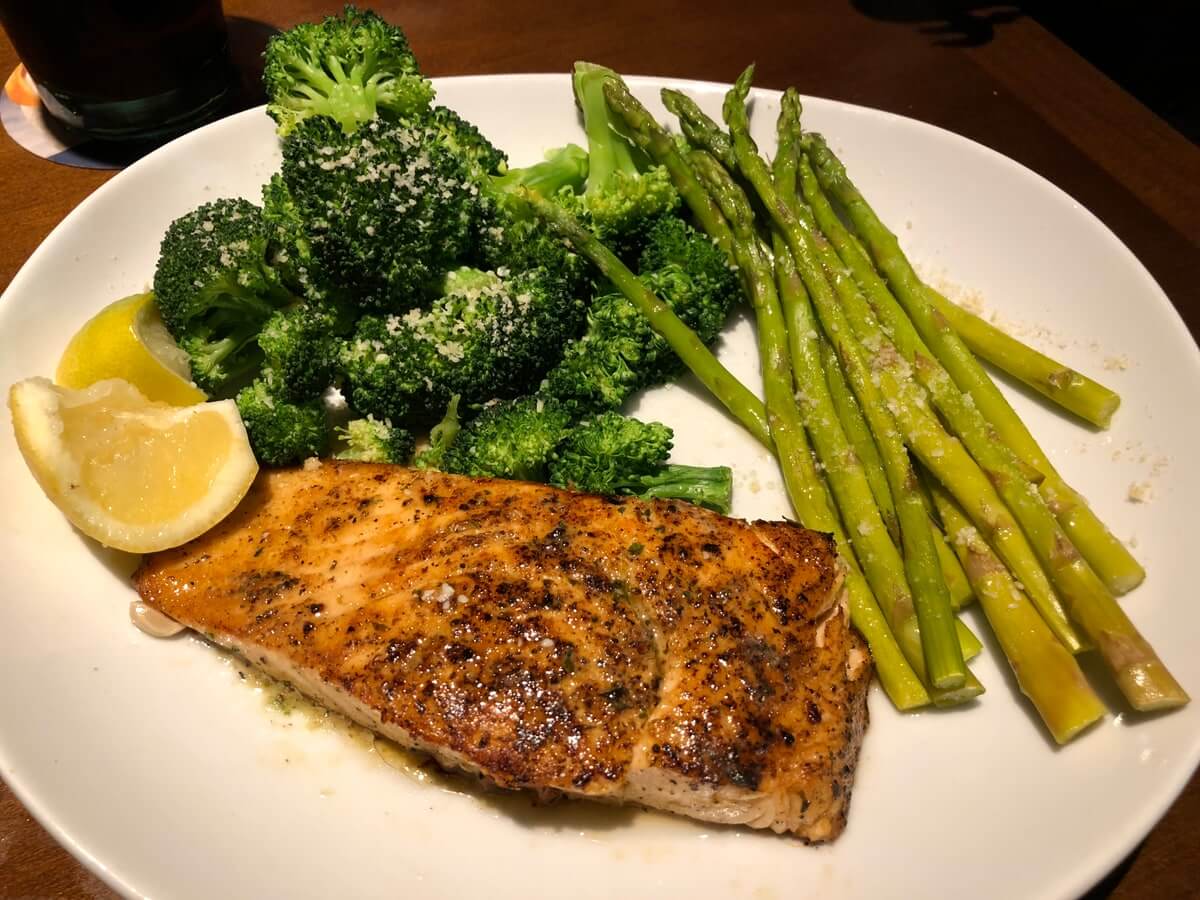
Chronic low-grade systemic inflammation is increasingly recognized by modern medical science as the common underlying biological driver uniting nearly all degenerative lifestyle diseases—including cardiovascular atherosclerosis, type 2 diabetes, non-alcoholic fatty liver disease, metabolic syndrome, neurodegenerative decline, and autoimmune flare-ups. Unlike acute inflammation, which is a life-saving immunological response to pathogens or tissue injury, chronic inflammation operates silently below the threshold of physical pain, elevated by sustained levels of inflammatory cytokines such as interleukin-6 (IL-6), tumor necrosis factor-alpha (TNF-α), and high-sensitivity C-reactive protein (hs-CRP).
While genetic and environmental factors contribute to systemic inflammatory tone, dietary choices exert the most direct, controllable daily influence on these pathways. Highly refined carbohydrates, industrial seed oils rich in oxidized omega-6 fatty acids, advanced glycation end-products (AGEs), and artificial additives continuously stimulate immune receptors and fuel cellular oxidative stress. Conversely, an anti-inflammatory eating pattern—grounded in the principles of the traditional Mediterranean and Cretan diets—actively quenches oxidative cascades, modulates nuclear factor kappa B (NF-κB) gene expression, and resolves inflammation through bioactive polyphenols, marine omega-3 fatty acids, and virgin culinary oils. This comprehensive 7-day meal plan provides an authentic, whole-food roadmap to lower your inflammatory burden while savoring vibrant, deeply nourishing meals.
Important: This guide provides evidence-based nutritional education on anti-inflammatory dietary patterns, not medical therapy or treatment for diagnosed autoimmune conditions (such as rheumatoid arthritis, lupus, or Hashimoto's thyroiditis) or acute inflammatory illness. Always coordinate dietary modifications with your primary physician or rheumatologist, and never alter prescribed anti-inflammatory or immunosuppressive medications without clinical supervision.
The biochemical quenching framework: the cellular anti-inflammatory pillars
An effective anti-inflammatory meal plan is not defined by consuming a single "superfood" powder; it is defined by a comprehensive biochemical synergy built across Four Culinary Pillars:
- Optimizing the Omega-3 to Omega-6 Ratio (Resolvin & Protectin Synthesis): The modern Western diet typically features an inflammatory omega-6 to omega-3 ratio of roughly 16:1 or 20:1, largely driven by refined soybean, corn, and cottonseed oils. When arachidonic acid (omega-6) dominates cell membranes, it is metabolized by COX and LOX enzymes into pro-inflammatory prostaglandin E2 (PGE2) and leukotriene B4 (LTB4). Consuming marine omega-3 fatty acids (EPA and DHA from wild salmon, sardines, mackerel, and trout) displaces arachidonic acid in phospholipid membranes, serving as direct precursors for specialized pro-resolving mediators (SPMs)—resolvins, protectins, and maresins—that actively signal the immune system to turn off inflammatory fires.
- The Polyphenol and Anthocyanin Defense Matrix: Plants synthesize secondary metabolites—polyphenols, flavonoids, and anthocyanins—to protect their own tissues from ultraviolet radiation and oxidative damage. When consumed by humans, these compounds (such as anthocyanins in wild blueberries, epigallocatechin gallate in green tea, and quercetin in red onions) act as direct cellular signaling modulators. They activate the Nrf2 pathway (the master regulator of antioxidant response element gene expression), prompting the body to manufacture its own endogenous antioxidants: glutathione, superoxide dismutase, and catalase.
- Oleocanthal and Phenolic Compounds in Extra Virgin Olive Oil: Cold-pressed extra virgin olive oil (EVOO) is a cornerstone of anti-inflammatory gastronomy. Beyond its cardioprotective monounsaturated oleic acid content, EVOO contains a naturally occurring phenolic compound called oleocanthal. Groundbreaking pharmacological research published in Nature demonstrated that oleocanthal operates as a natural non-steroidal anti-inflammatory agent, selectively inhibiting both cyclooxygenase-1 (COX-1) and cyclooxygenase-2 (COX-2) enzymes in a biochemical manner remarkably similar to ibuprofen.
- Phytochemical Spice and Herb Synergy: Spices are the most chemically concentrated sources of anti-inflammatory phytochemicals on the planet. Curcumin (the yellow pigment in turmeric root) directly down-regulates the NF-κB inflammatory cascade; when paired with piperine from freshly cracked black pepper, curcumin's intestinal bioavailability increases by 2,000%. Similarly, gingerols and shogaols in fresh ginger and allicin in crushed alliums inhibit the synthesis of pro-inflammatory cytokines and leukotrienes.
The 7-day anti-inflammatory meal plan
This master schedule features an abundance of wild oily fish, cold-pressed olive oil, colorful antioxidant vegetables, gut-supportive legumes, and healing spices.
| Day | Breakfast | Lunch | Dinner | Anti-Inflammatory Mechanism & Prep Note |
|---|---|---|---|---|
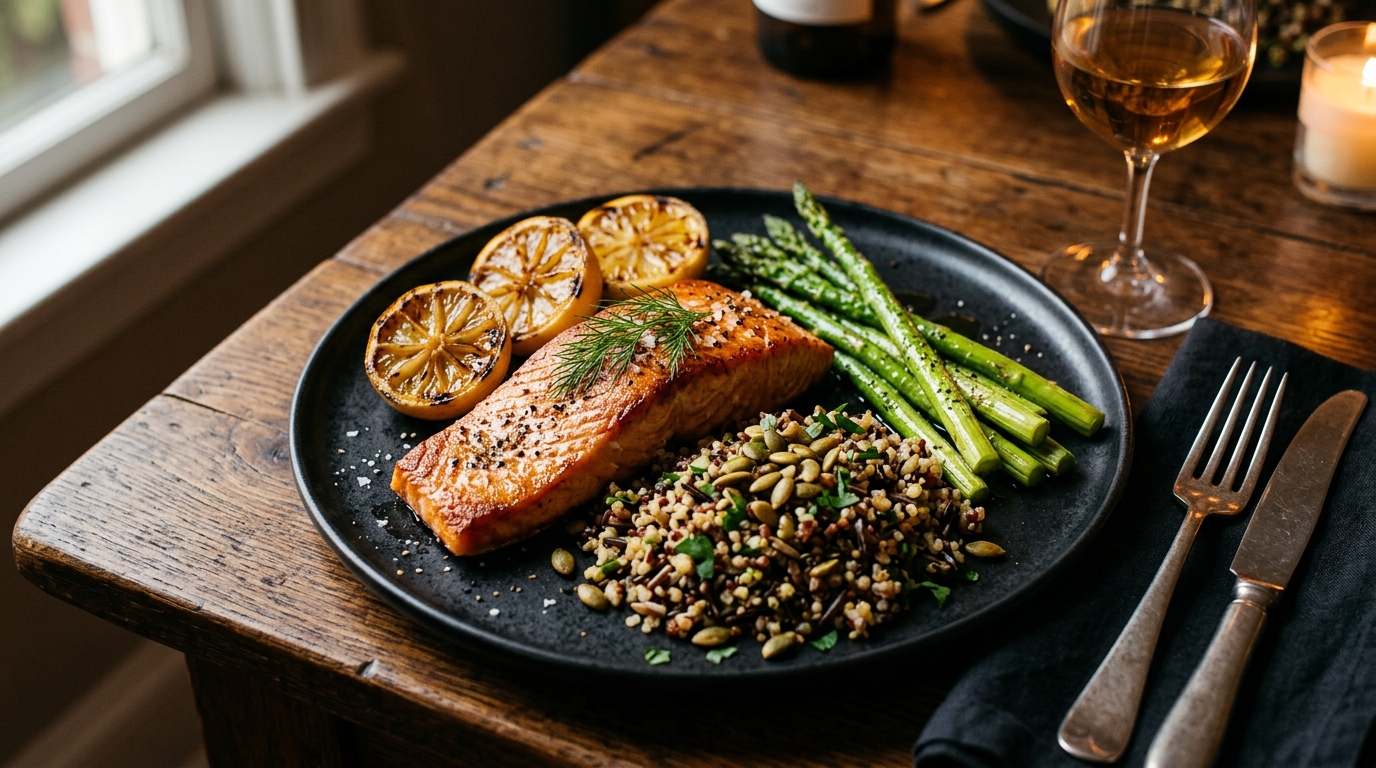
| Monday | Warm steel-cut oats cooked with cinnamon and crushed ginger, topped with wild blueberries, walnuts, and chia seeds | Mediterranean lentil and baby spinach salad tossed with kalamata olives, cherry tomatoes, and extra virgin olive oil | Pan-seared salmon with roasted asparagus spears and steamed baby red potatoes with fresh dill | Astaxanthin (the vibrant red-pink marine carotenoid in salmon) crosses the blood-brain barrier to quench neuro-inflammation. |
| Tuesday | Two pasture-raised eggs poached soft, served over sautéed Tuscan kale and roasted sweet potato wedges with avocado | Chilled mediterranean quinoa salad with rinsed chickpeas, diced Persian cucumbers, and lemon-tahini vinaigrette | Slow-simmered hearty lentil soup packed with carrots, celery, crushed tomatoes, and turmeric | Turmeric in the lentil soup down-regulates NF-κB; pair with black pepper and olive oil to maximize systemic bioavailability. |
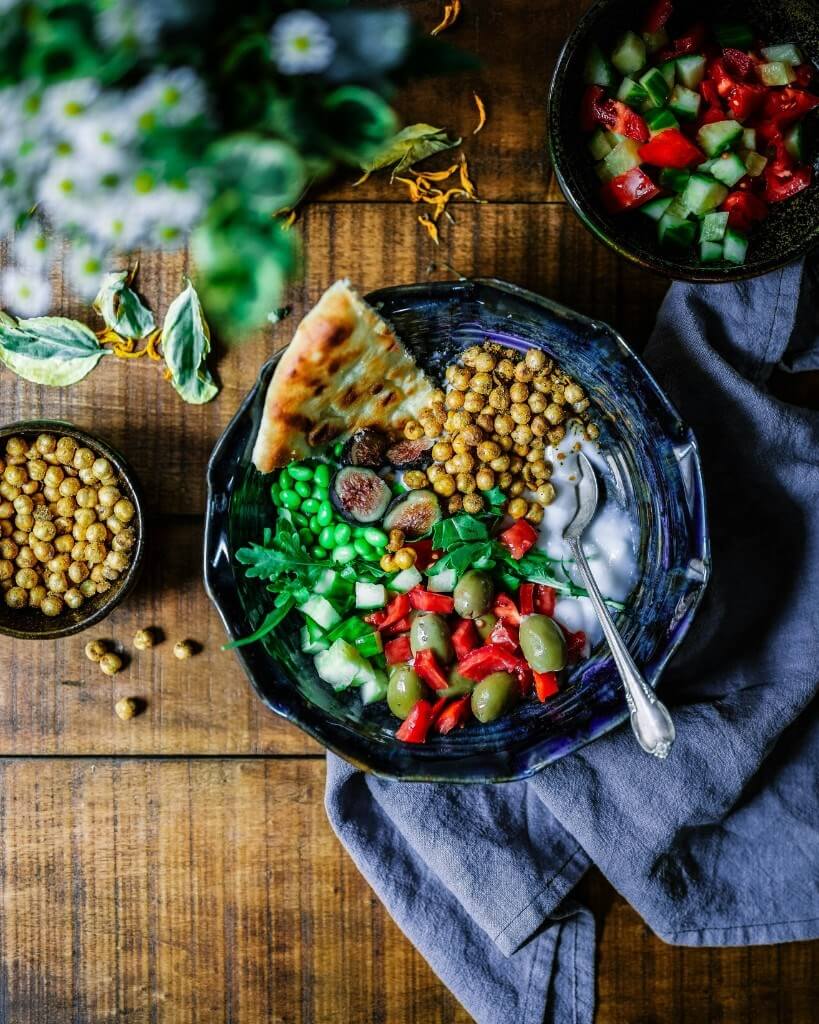
| Wednesday | Chia seed and unsweetened almond milk pudding layered with fresh raspberries, hemp hearts, and toasted pumpkin seeds | Thermos-packed hearty lentil soup served with seeded gluten-free crackers and garlic-herb hummus | Aromatic moroccan chickpea tagine with slow-simmered zucchini, butternut squash, cinnamon, and whole-grain couscous | Cinnamon and cumin in the tagine stabilize postprandial glycemic excursions, blunting insulin-mediated inflammatory cascades. |
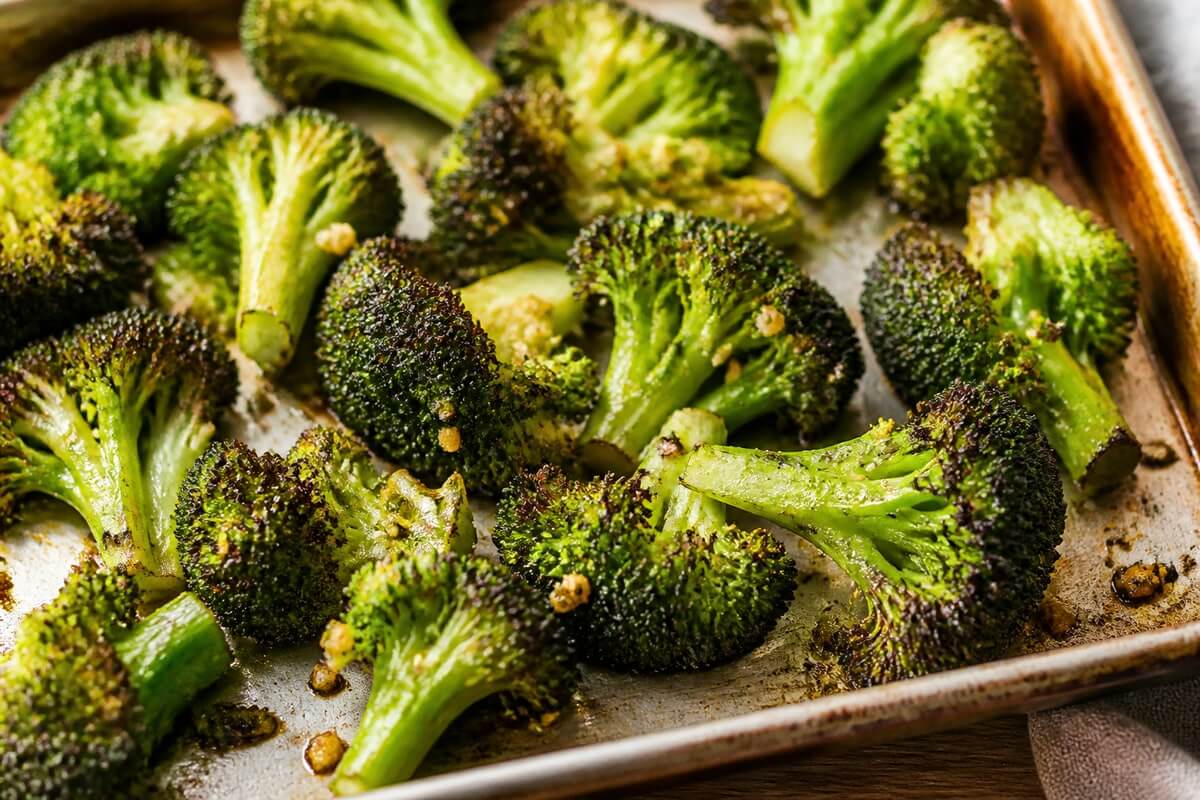
| Thursday | Unsweetened Greek yogurt bowl topped with pomegranate arils, crushed walnuts, ground flax, and a sprinkle of raw cacao nibs | Leftover Moroccan chickpea tagine served warm over steamed quinoa with a side of dressed arugula | Oven-baked herb-baked salmon fillet paired with garlic roasted broccoli and sweet potato mash | Sulforaphane in roasted broccoli stimulates Nrf2 cellular detoxification; garlic allicin inhibits inflammatory cytokines. |
| Friday | Green powerhouse smoothie blended with baby spinach, English cucumber, fresh ginger root, green apple, and plant protein | Sardines or wild salmon mashed with ripe avocado, Dijon mustard, and capers on toasted whole-grain sourdough | Sheet-pan baked chicken breasts with roasted Brussels sprouts, red onion wedges, and a drizzle of aged balsamic reduction | Glucosinolates in Brussels sprouts break down into isothiocyanates that scavenge reactive oxygen species and support cellular repair. |
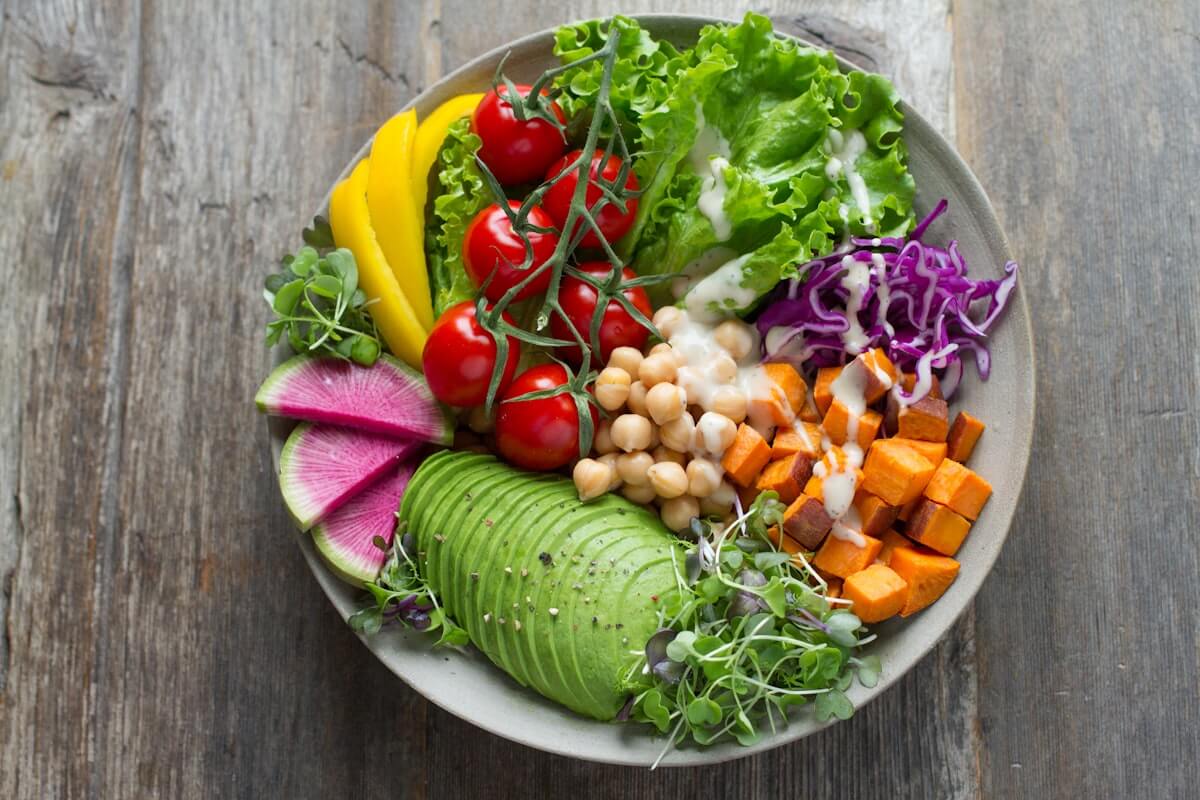
| Saturday | Fluffy buckwheat banana pancakes topped with warm stewed blackberry reduction and toasted pecans | Vibrant rainbow Buddha bowl with roasted beets, steamed edamame, shredded red cabbage, and lemon-tahini dressing | Seared wild cod with roasted cherry tomatoes, kalamata olives, capers, fresh oregano, and steamed farro | Betalains in roasted beets reduce cellular oxidative stress and suppress inflammatory endothelial dysfunction. |
| Sunday | Pasture-raised three-egg scramble with diced bell peppers, red onion, baby spinach, and avocado slices | Leftover cod and tomato-olive reduction with farro and a crisp garden side salad | Slow-cooked bone broth chicken stew with leeks, carrots, parsnips, shiitake mushrooms, and fresh rosemary sprigs | Beta-glucans and eritadenine in shiitake mushrooms modulate systemic immune responses and reduce inflammatory markers. |
Kitchen wisdom: cooking methods that prevent inflammatory AGEs
How you cook your food is just as critical as the ingredients you select. High-heat, dry cooking techniques (such as deep-frying, commercial broiling, and heavy charring on charcoal grills) cause chemical reactions between reducing sugars and proteins or lipids, forming Advanced Glycation End-Products (AGEs). AGEs bind to specific receptors on cell surfaces (RAGE), triggering persistent intracellular oxidative stress and inflammatory signaling.
- Embrace Moisture-Rich, Gentle Cooking: Steam, poach, stew, braise, and slow-cook foods below 300°F (150°C). Cooking with water and steam prevents the formation of inflammatory AGEs and lipid peroxides.
- Marinate with Acidic Reductions: Marinating meats in acidic mixtures—such as lemon juice, apple cider vinegar, or red wine—for 30 to 60 minutes before light cooking reduces AGE formation by over 50%.
- Drizzle EVOO Post-Heat: While high-quality extra virgin olive oil has a stable smoke point (approx. 400°F / 204°C), protect its delicate phenolic oleocanthal compounds by drizzling fresh, unheated oil over roasted vegetables, soups, and grain bowls immediately before serving.
What fails: 5 mistakes that maintain systemic inflammation
- Relying on turmeric supplements while consuming ultra-processed foods: Taking a high-potency curcumin capsule in the morning cannot counteract the systemic vascular inflammation caused by consuming fast-food burgers fried in oxidized soybean oil, sugary sodas, and ultra-processed baked goods. True anti-inflammatory benefits require removing the inflammatory fuel first.
- Cooking delicate fish and healthy oils at scorching temperatures: Searing salmon in a smoking hot skillet or reusing vegetable cooking oil oxidizes delicate polyunsaturated fatty acids into inflammatory lipid peroxides and aldehydes. Always cook delicate omega-3 seafood at moderate temperatures with moisture or protective parchment paper.
- Consuming "healthy" commercial salad dressings: Many store-bought dressings marketed with words like "olive oil vinaigrette" list refined soybean oil or canola oil as their very first ingredient, with olive oil added as a token percentage, and sneak in 5 to 8 grams of high-fructose corn syrup per serving. Whisk your own dressing in 60 seconds with pure EVOO, Dijon, and lemon.
- Peeling off the nutrient-rich skins of fruits and vegetables: Discarding the peel of apples, pears, cucumbers, sweet potatoes, and carrots eliminates up to 70% of their total polyphenol and antioxidant content. Wash organic produce thoroughly and leave the edible skins intact.
- Treating nutrition as isolated from sleep and psychological stress: Chronic sleep deprivation (under 7 hours) and severe unmanaged psychological stress elevate cortisol and sympathetic adrenaline, which directly stimulate white blood cells to release inflammatory IL-6 and TNF-α even if your diet is flawless. Anti-inflammatory living must integrate restful sleep, movement, and stress regulation.
Frequently asked questions
Do nightshade vegetables (tomatoes, peppers, eggplants) cause inflammation?
In the vast majority of the population, nightshade vegetables (Solanaceae family) are deeply anti-inflammatory. Tomatoes are the premier source of lycopene, a carotenoid proven to lower cardiovascular inflammation, while bell peppers provide exceptional concentrations of vitamin C. While a small subset of individuals with specific inflammatory joint conditions report personal sensitivity to nightshade alkaloids (such as solanine), there is no broad clinical evidence justifying the blanket elimination of nightshades for the general public.
How long does it take for an anti-inflammatory diet to lower CRP levels?
Clinical trials examining Mediterranean and whole-food anti-inflammatory interventions demonstrate measurable reductions in high-sensitivity C-reactive protein (hs-CRP) and interleukin-6 within 4 to 8 weeks of consistent adherence. Patients frequently report subjective improvements in joint morning stiffness, digestive comfort, and daily energy within the first two weeks.
Which cooking oils should I keep in my kitchen, and which should I discard?
Stock your pantry with cold-pressed extra virgin olive oil for everyday dressings, marinades, and gentle cooking, along with avocado oil for higher-heat roasting, and modest amounts of grass-fed clarified butter (ghee) or extra virgin coconut oil. Eliminate industrial refined seed oils—soybean oil, corn oil, cottonseed oil, and partially hydrogenated oils—which are high in oxidized omega-6 fatty acids and prone to free-radical generation during commercial refining.
How do I plan and budget an anti-inflammatory grocery haul?
Streamline your weekly anti-inflammatory preparation with our digital cooking tools. Build an optimized 7-day culinary schedule using our meal plan generator, consolidate whole-food ingredients into a structured shopping checklist with the grocery list generator, and find creative recipes for leftover leafy greens and roasted root vegetables with our leftover finder.