Recipe Planning
Packing a toddler lunchbox for daycare, preschool, or weekend outings requires solving three logistical challenges simultaneously: adhering to strict classroom nut-free and allergen regulations, maintaining microbiological temperature safety across four to five hours without refrigeration, and presenting wholesome food in accessible, bite-sized portions that a two-year-old can navigate independently without educator intervention. Morning kitchen stress often leads caregivers to fall back on heavily processed, packaged convenience snacks that spike blood sugar and leave toddlers irritable by midday.
Important Pediatric Notice: This guide provides general nutritional frameworks, culinary preparation guidelines, and caregiver meal-planning routines. It is not medical or feeding advice. Always verify your specific daycare, nursery, or preschool facility's allergy policies, reheating capabilities, and banned ingredient lists. Never pack whole grapes, uncut cherry tomatoes, hard raw vegetables, or whole nuts in toddler lunchboxes due to severe choking risks. Consult your pediatrician or pediatric dietitian regarding specific food allergies or medical dietary requirements.
By shifting to an engineered "Bento Box Formula," mastering the physics of cold-chain and hot-thermos temperature preservation, and leveraging weekend batch cooking, you can pack vibrant, nutrient-dense toddler lunches in under five minutes each morning.
The 4-Compartment Bento Lunchbox Architecture
Modern compartmentalized bento-style lunchboxes (such as stainless steel or BPA-free silicone boxes) are ideal for toddlers. They eliminate messy plastic baggies, keep foods visually distinct to prevent sensory neophobia, and allow the child to open a single latch to access their entire meal. Use this reliable 4-part formula to achieve nutritional balance:
- Compartment 1: The Protein Anchor (20–30% of box): Provides sustained amino acids and healthy fats that stabilize afternoon blood sugar and support emotional regulation. Options: diced hard-boiled pasture-raised eggs, shredded slow-cooked chicken, roasted edamame, cubed firm tofu sautéed in sesame oil, turkey-cheese pinwheels, or red lentil patties.
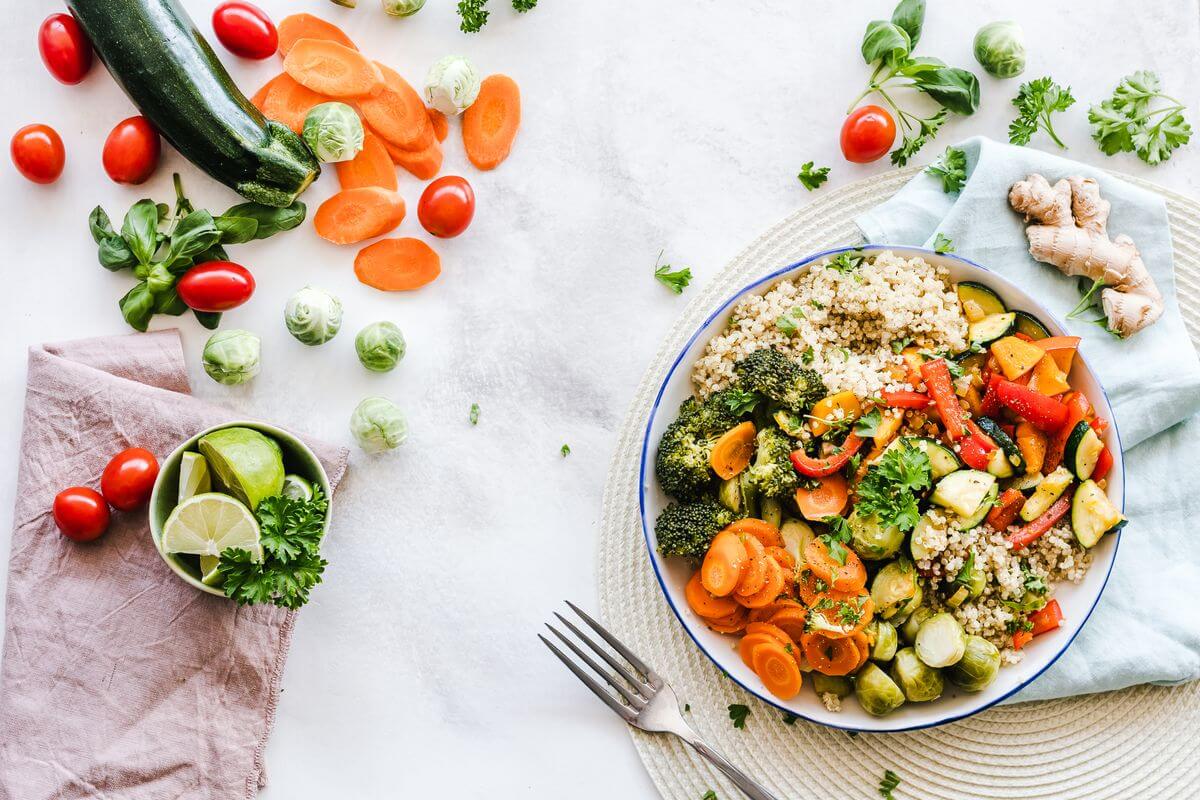
- Compartment 2: Complex Carbohydrate Energy (25–35% of box): Powers brain cognition and active muscle movement with sustained glucose release. Options: soft whole-wheat pasta spirals tossed in olive oil, brown rice balls with toasted nori, sweet potato waffles, mini whole-grain pita triangles, or quinoa grain salads. See our mediterranean quinoa salad for grain inspiration.
- Compartment 3: Colorful Produce & Crunch (25–35% of box): Delivers essential micronutrients, hydration, and dietary fiber. Options: fork-tender steamed broccoli trees, sliced cucumber matchsticks, quartered ripe strawberries, flattened blueberries, or steamed carrot half-moons.
- Compartment 4: The Sensory Dip or Healthy Fat (10–15% of box): Promotes self-feeding engagement and enhances fat-soluble vitamin absorption. Options: smooth garlic hummus (hummus recipes), guacamole with lime, whole Greek yogurt dip (parfaits), or certified nut-free sunflower seed butter.
Food Safety Thermodynamics: Maintaining the Cold and Hot Chains
Foodborne illness bacteria multiply with astonishing speed between 40°F (4°C) and 140°F (60°C)—the clinical "Danger Zone." Most daycare centers do not have refrigerator space for thirty individual lunchboxes, meaning food sits in cubbies at warm ambient room temperatures for 4 to 5 hours before lunchtime.
Follow these essential food safety thermodynamics rules:
- The Dual Ice Pack "Sandwich": A single flimsy ice pack placed at the bottom of an insulated bag is inadequate. To keep dairy, eggs, and cooked meats below 40°F, you must "sandwich" the bento box: place one frozen gel pack underneath the box and a second frozen gel pack on top, zipped inside a high-density insulated lunch bag.
- Thermos Pre-Heating Physics for Warm Lunches: Never pour warm food into a room-temperature stainless steel vacuum thermos; the cold metal walls will instantly suck heat out of the food, dropping it straight into the bacterial danger zone. Instead:
- Boil water in a kettle and fill the thermos to the brim.
- Screw the lid on tightly and let the boiling water sit for 10 minutes to pre-heat the steel walls.
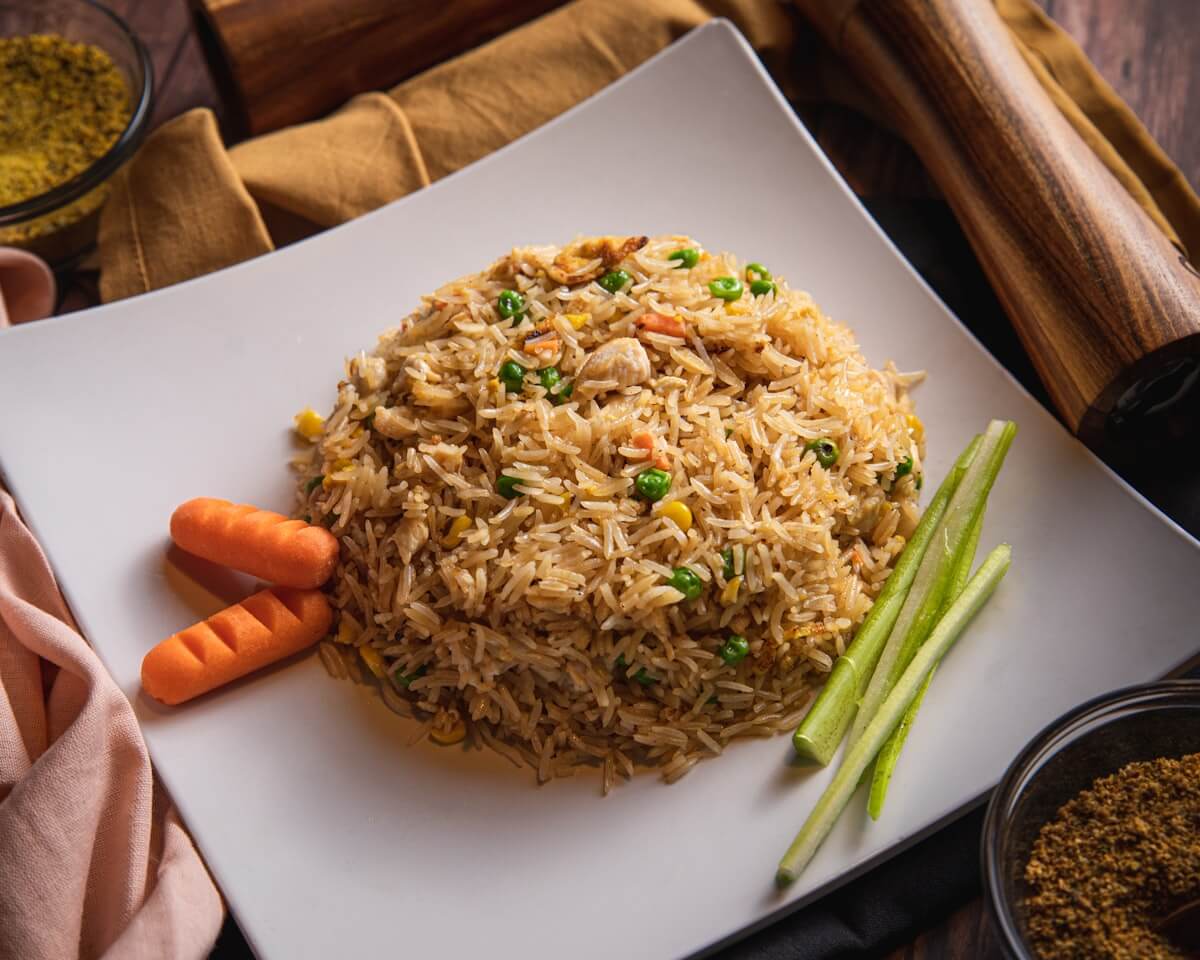
- Heat the food (e.g., our chicken fried rice or lentil stew) until piping hot (at least 165°F / 74°C).
- Dump out the water, immediately transfer the hot food into the thermos, and seal the lid tightly. It will remain safely above 140°F until lunchtime.
Nut-Free Classroom Swaps and Allergen Management
Because peanut and tree nut allergies can trigger life-threatening anaphylaxis, the vast majority of modern childcare centers strictly prohibit nut products. Replace classic peanut butter with these safe, nutrient-dense alternatives:
| Traditional Nut Item | Safe Nut-Free Classroom Swap | Nutritional & Culinary Advantage |
|---|---|---|
| Peanut Butter | Roasted Sunflower Seed Butter (SunButter) | Comparable protein, higher magnesium and vitamin E, identical spreadable texture. |
| Almond Flour | Finely ground pumpkin seed meal or oat flour | Rich in zinc and iron, binds perfectly in homemade toddler oat muffins. |
| Nutella or Chocolate Spread | Mashed avocado mixed with unsweetened cocoa powder and maple syrup | Loaded with monounsaturated healthy fats, potassium, and zero artificial additives. |
| Trail Mix / Granola | Toasted pumpkin seeds (pepitas), puffed rice, and unsweetened coconut flakes | Crisp crunch without hard dental-hazard almonds or round whole peanuts. |
| Pesto with Pine Nuts | Hemp seed and basil pesto made with olive oil and parmesan | Delivers complete plant-based protein and optimal omega-3 to omega-6 ratios. |
5-Day Daycare Lunchbox Rotation Schedule
This 5-day rotation minimizes morning prep time by relying on batch-cooked components and simple assembly. Use our grocery list generator to organize your weekly shop.
| Day | Main Bento Anchor | Fresh Fruit & Vegetable Sides | Crunch or Dip Accent | Sunday Batch Prep Step |
|---|---|---|---|---|
| Mon | Deconstructed turkey and cheddar pinwheel roll-ups (recipe) | Quartered ripe strawberries + steamed carrot matchsticks | Lemon-garlic hummus dip + mini whole-wheat crackers | Steam a large batch of carrots; slice strawberries. |
| Tue | Warm chicken fried rice packed in a pre-heated thermos (recipe) | Steamed broccoli trees + sweet mango cubes | Edamame beans (flattened gently between fingers) | Cook brown rice and chicken fried rice on Sunday evening. |
| Wed | Whole-wheat pasta spirals with pesto and ricotta (recipe) | Quartered cherry tomatoes + peeled cucumber coins | Shredded mozzarella cheese cup | Boil pasta spirals; toss in olive oil and store in fridge. |
| Thu | Mini sweet potato black-bean quesadilla triangles with guacamole | Steamed sweet corn kernels + quartered blueberries | SunButter oat energy bite | Bake batch of oat bites; mash sweet potatoes. |
| Fri | Pasture-raised hard-boiled egg quarters with avocado toast soldier strips | Soft steamed green beans + diced ripe kiwi | Whole Greek yogurt dip with cinnamon (ideas) | Boil 6 pasture-raised eggs; keep peeled in cold water container. |
What Fails: 5 Common Toddler Lunchbox Mistakes
- Mistake 1: Packing Foods That Require Difficult Fine-Motor Unwrapping. Daycare educators often supervise 8 to 12 toddlers simultaneously during a chaotic 30-minute lunch window. If your child's lunch contains tight plastic wrap, vacuum-sealed cheese sticks, or complex twist-off lids, they will spend half their lunch period waiting for assistance. Everything inside the bento should be unwrapped, sliced, and ready to pick up.
- Mistake 2: Introducing Completely Novel Foods in the Lunchbox. School lunch is not the environment to test an unfamiliar food for the first time. The distraction of peers, unfamiliar noises, and fatigue make toddlers crave comfort and predictability. Introduce novel foods at home around the family table; pack reliable, accepted foods in the school lunchbox.
- Mistake 3: Packing High-Risk Choking Foods Out of Convenience. Squeezing whole cherry tomatoes or whole grapes into the lunchbox to save 30 seconds of knife work is a dangerous risk. Always quarter round foods lengthwise.
- Mistake 4: Overpacking and Creating Food Guilt. Piling an enormous volume of food into a 5-compartment box overwhelms toddlers. When parents open the box at 5:00 PM and see half the food untouched, they often express disappointment: "Why didn't you eat your lunch?!" Toddler appetites vary; pack realistic, child-sized portions.
- Mistake 5: Neglecting Waterproof Name Labels. Toddler daycare cubbies and lunch bins are high-turnover zones where identical lunchboxes easily get swapped. Label every bento container, thermos lid, and water bottle with dishwasher-safe waterproof labels.
Frequently Asked Questions
How do I prevent sliced apples and pears from turning brown in the lunchbox?
Soak sliced apples or pears in a bowl of cold water with a tiny pinch of salt (1/4 teaspoon salt per 2 cups water) for 5 minutes, rinse lightly under cold water, and pat dry before packing. The mild sodium ions inhibit polyphenol oxidase (the enzyme responsible for enzymatic browning) without leaving an overt salty or sour lemon taste.
What should I pack if my child's daycare has no microwave or refrigerator?
Rely on shelf-stable cold-pack lunches maintained by dual ice packs. Excellent non-reheated staples include whole-wheat pinwheels, hard-boiled eggs, cold pasta salads tossed in olive oil, deconstructed cheese and bean quesadillas, and hummus dipping platters. For warm meals, invest in a high-grade 8-ounce stainless steel vacuum thermos.
How do I handle lunchbox peer pressure and food trading?
Teach your toddler a simple, empowering verbal script: "I eat my food; you eat your food." Because of severe food allergies, most licensed daycares strictly prohibit children from sharing or trading food. Reassure your child that the fun, colorful items in their box are specially chosen for them.
What are the most durable, easy-to-open bento boxes for 2-year-olds?
Look for bento boxes featuring a single, large, central snap latch (such as Bentgo Kids, OmieBox, or Yumbox) rather than four individual corner clasps that require complex finger strength. Test the box at home on the living room floor several times before the first day of school to ensure your toddler can open and close it independently.
Helpful resources from Tap Baby Care
If you are planning meals, routines, or navigating growth milestones for your infant or toddler, Tap Baby Care provides research-backed clinical trackers and developmental guides that pair seamlessly with meal planning:
- Baby Development Hub (0–12 Months) — Evidence-based milestone timelines, sleep guides, and complementary feeding trackers for the foundational first year.
- Toddler Care & Routines (13–36 Months) — Practical guidance for managing toddler developmental leaps, behavior shifts, and family meal integration.
- Stage-by-Stage Age Guides — Month-by-month nutritional readiness indicators, physical milestones, and age-calibrated activity ideas.
- Wake Window Calculator — Calculate age-appropriate daytime wake windows to align feeding times with optimal hunger and alert states.
- Baby Feeding Calculator — Estimate liquid feeding volumes (breast milk and formula) based on your infant's weight and age.
- Newborn Diaper Tracker — Log daily wet and dirty diapers to monitor hydration status and digestive efficiency.
- Baby Growth Percentile Calculator — Track WHO growth curve trajectories for weight, length, and head circumference for pediatrician visits.
- Printable Baby Log — Comprehensive paper logs to track feedings, sleep intervals, and diaper changes during shifts.
- Newborn Essentials Checklist — Practical prep lists for nursery setup, caregiver stations, and infant feeding gear.
- Tap Baby Care Articles — Deep dives across baby feeding, newborn care, sleep hygiene, and milestones & routines.
Educational content only — not medical advice. Always consult your pediatrician, child health nurse, or pediatric feeding therapist for individual guidance.