Recipe Planning
Feeding a toddler often feels like walking an exhausting tightrope between nutritional ideals and everyday kitchen chaos. Between the ages of one and three, the human brain undergoes a massive burst of synaptic remodeling and myelination, consuming roughly 60% of an infant's total metabolic energy. Yet, this exact developmental stage frequently coincides with the notorious "beige food trap"—a phase where toddlers stubbornly gravitate toward bland, carbohydrate-heavy foods like crackers, processed chicken nuggets, and plain buttered pasta.
Important Pediatric Notice: This guide provides general nutritional frameworks, culinary preparation guidelines, and caregiver meal-planning routines. It is not medical or feeding advice. Nutritional needs, growth curves, and sensory tolerances differ widely. Always consult your pediatrician, pediatric nurse, or pediatric registered dietitian for guidance regarding nutritional deficiencies, food allergies, swallowing difficulties, or weight-percentile plateaus. Avoid whole nuts, raw hard vegetables, and un-quartered round foods due to choking risks.
Breaking out of the beige routine does not require culinary acrobatics or cooking two distinct meals every night. By mastering the clinical concept of "deconstructed plating," understanding the true role of healthy dietary fats in pediatric neurodevelopment, and retiring the counterproductive habit of "stealth vegetable hiding," caregivers can cultivate adventurous, joyful eaters who enjoy whole family foods.
The Deconstructed Plating Strategy for Toddler Success
A primary driver of toddler food refusal is visual overwhelm. In the adult world, a rich, complex casserole, stir-fry, or mixed pasta dish is a culinary triumph. In the toddler brain, however, mixed foods trigger deep sensory neophobia—the fear of the unknown. When peas, onions, chicken, and sauce are intimately fused together, a toddler cannot visually inspect what they are eating or isolate unfamiliar textures, causing them to reject the entire dish outright.
The solution is the Deconstructed Plate:
- Separate into Distinct Island Compartments: Use a divided suction plate. If you are preparing chicken stir-fry with rice and broccoli, do not toss everything in the wok together for the child. Place a small pile of plain steamed rice in one compartment, two strips of tender chicken in the second, and a soft broccoli tree in the third. Offer the stir-fry sauce in a tiny dipping ramekin.
- Dips as Sensory Gateways: Toddlers love agency and cause-and-effect interaction. Providing healthy dips—such as lemon-garlic hummus (hummus recipes), whole Greek yogurt with mint (yogurt ideas), or fresh guacamole—transforms a challenging roasted vegetable into an engaging finger-food activity.
- Visual Safety & Palatability: When ingredients are visually isolated, the child feels safe to explore each component on their own terms. Even if they initially ignore the vegetable, seeing it cleanly presented beside familiar staples fosters positive desensitization.
Brain-Building Nutrients: Beyond the Beige Trap
Toddlers need nutrient density in tiny volumetric packages. Because their stomach capacity is restricted, every bite should deliver meaningful micronutrients and healthy fats rather than empty, refined starches:
- Essential Fatty Acids (DHA & EPA): The human brain is composed of nearly 60% fat. Long-chain omega-3 fatty acids (specifically DHA) are structural components of cerebral cortex membranes and retinal tissue. Serve low-mercury fatty fish like wild salmon, sardines, and enriched eggs twice weekly.
- Choline for Memory Architecture: Choline is the precursor for acetylcholine, a neurotransmitter governing cognitive processing, memory formation, and sleep cycles. Two whole pastured egg yolks deliver almost 100% of a toddler's daily choline requirement.
- Bioavailable Iron and Zinc: Iron fuels hemoglobin synthesis and supports dopamine pathways governing attention. Pair slow-braised beef, tender turkey thighs, and brown lentils with vitamin C-rich fruits and vegetables to maximize non-heme absorption.
- Intestinal Microbiome Diversity: A diverse gut microbiome directly communicates with the brain via the vagus nerve (the gut-brain axis). Include fermented whole foods like plain kefir, active-culture whole yogurt, and naturally fermented sourdough bread alongside diverse vegetable fibers.
The Stealth Veggie Myth vs. Transparent Culinary Education
A pervasive parenting trend involves pureeing spinach, zucchini, and cauliflower and secretly hiding them in brownies, pancakes, and mac-and-cheese sauces. While well-intentioned, relying exclusively on "stealth vegetables" carries major long-term behavioral downsides:
If a child only consumes vegetables when they are hidden inside sweet brownies or salty cheese sauce, they never learn what a real broccoli floret, roasted carrot, or zucchini spear actually looks, smells, feels, and tastes like. Furthermore, if a perceptive toddler discovers hidden purees in their favorite comfort food, it can trigger deep trust betrayal and widespread food refusal. Instead, practice transparent culinary inclusion: blend nutrient-rich vegetable marinara over pasta, but celebrate the vegetables openly ("Look at our bright orange carrot-tomato sauce!"), while always serving visible, fork-tender vegetable pieces on the side.
15 Nutrient-Dense Toddler Meals for Real Life
Here are 15 balanced, realistic meal concepts divided across breakfasts, lunches, and dinners that can be prepared in minutes using basic pantry staples. Scale portions effortlessly with our servings scaler.
| Meal Category | Dish Name & Description | Primary Nutrients | Picky-Eater Adaptation |
|---|---|---|---|
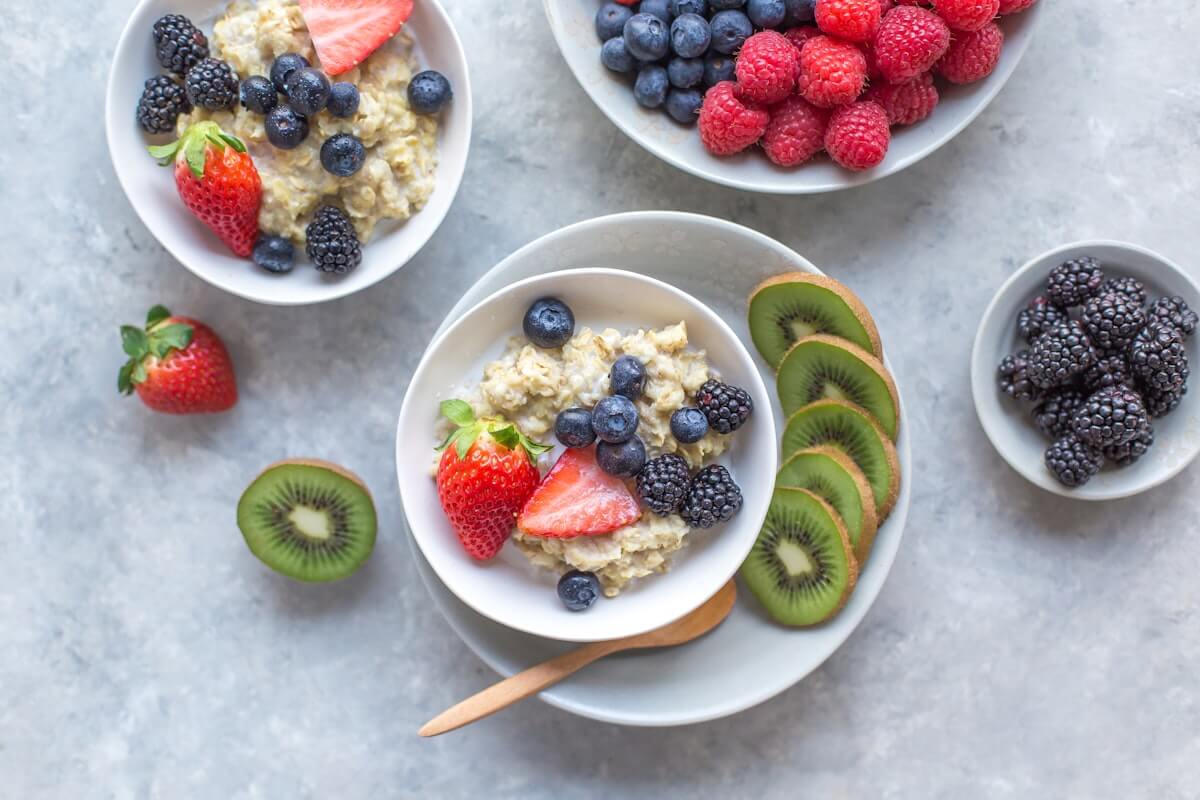
| Breakfast 1 | Overnight oats with chia, whole milk, and mashed berries (recipe) | Beta-glucan fiber, calcium, antioxidants | Serve chilled with a tiny sprinkle of toasted coconut flakes or oat cereal. |
| Breakfast 2 | Two scrambled eggs cooked in butter with mashed avocado toast strips | Choline, healthy monounsaturated fats, protein | Cut toast into "soldier" dipping sticks; keep avocado on the side if preferred. |
| Breakfast 3 | Two-ingredient banana-egg blender pancakes topped with almond butter | Potassium, vitamin B6, complete amino acids | Cut into fun shapes using mini cookie cutters for visual appeal. |
| Breakfast 4 | Whole-milk Greek yogurt parfait with hemp seeds and stewed peaches (recipe) | Probiotics, zinc, magnesium, protein | Offer yogurt in a small silicone cup with a colorful infant spoon. |
| Breakfast 5 | Warm oat porridge simmered in bone broth with a soft-cooked egg yolk | Collagen, electrolytes, bioavailable iron | Stir yolk completely into warm porridge so the texture is velvety and mild. |
| Lunch 1 | Deconstructed hummus, cheddar cheese, and turkey roll-up skewers (wrap) | Protein, complex carbs, healthy fats | Thread turkey and cheese onto blunt coffee stirrer straws for playful fingers. |
| Lunch 2 | Chicken fried rice lunch bowl with tender peas and scrambled egg (recipe) | B-vitamins, iron, digestible energy | Use day-old cold rice; keep peas whole if tolerated or lightly squashed. |
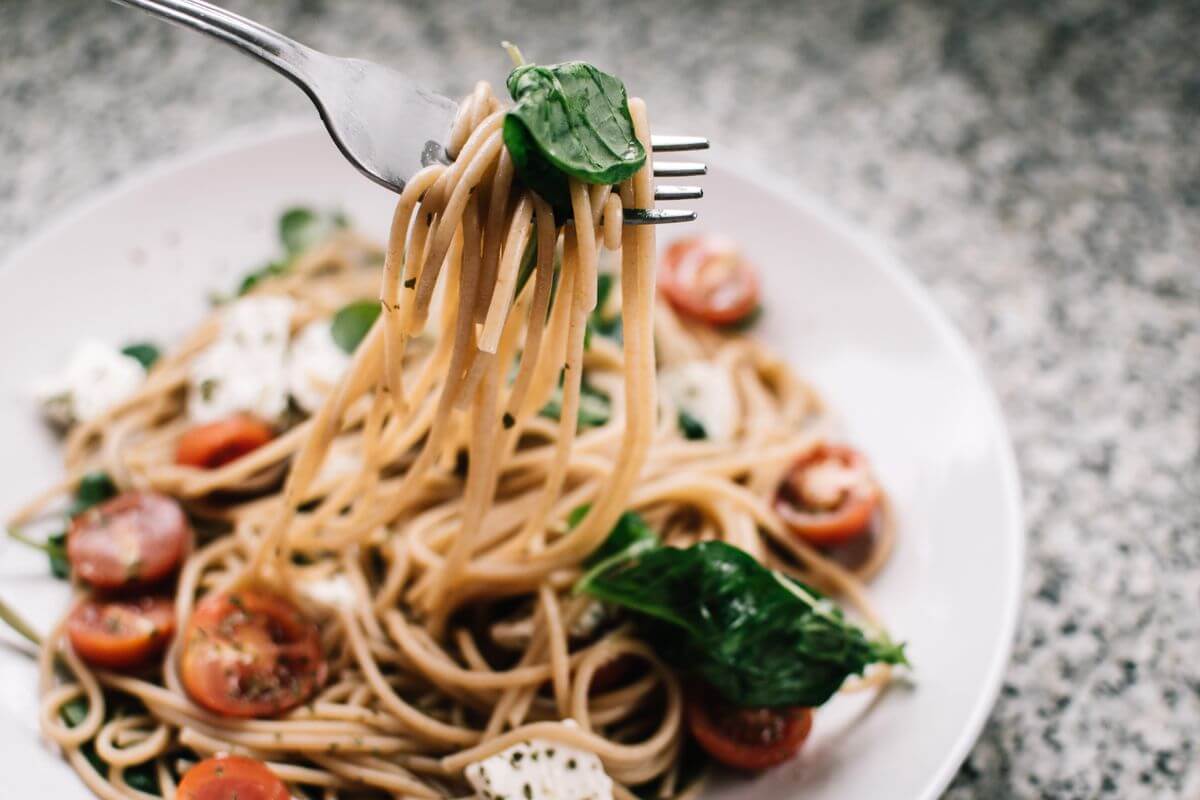
| Lunch 3 | Soft whole-wheat pasta spirals tossed with olive oil, spinach, and ricotta (recipe) | Folate, calcium, sustained complex starch | Finely mince spinach into the melted ricotta so it clings gently to the spirals. |
| Lunch 4 | Crispy baked tofu cubes with steamed edamame and soft jasmine rice (stir-fry adapted) | Isoflavones, plant-based iron, magnesium | Toss warm tofu in mild garlic powder and sesame oil for rich umami flavor. |
| Lunch 5 | Mini black bean and mild cheddar quesadilla with fresh guacamole dip | Dietary fiber, potassium, calcium | Cut into small triangular wedges that fit perfectly in toddler hands. |
| Dinner 1 | Tender beef meatballs simmered in unsalted tomato-carrot marinara over penne | Heme iron, lycopene, vitamin C synergy | Crush meatballs gently with a fork into bite-sized rustic crumbles. |
| Dinner 2 | Wild salmon fillet flaked over mashed sweet potatoes and soft green beans | DHA omega-3, beta-carotene, vitamin A | Mash sweet potato with butter and milk until smooth, fluffy, and sweet. |
| Dinner 3 | Slow-cooker pulled chicken thighs with soft polenta and stewed zucchini | Zinc, complete protein, gentle soluble fiber | Serve shredded chicken moist with a spoonful of warm broth over polenta. |
| Dinner 4 | Red lentil and butternut squash dahl with warm buttered naan strips | Folate, plant iron, prebiotics | Lentil dahl acts as a natural savory dip for soft bread strips. |
| Dinner 5 | Baked cod loin with roasted carrot fries and buttered sweet corn kernels | Lean iodine, selenium, dietary fiber | Roast carrots with olive oil and cinnamon until soft, caramelized, and sweet. |
What Fails: 5 Common Healthy Toddler Meal Traps
- Mistake 1: Relying on Squeezable Fruit and Veggie Pouches. While convenient for travel, frequent consumption of puree pouches bypasses oral chewing muscles, promotes jaw underdevelopment, and baths teeth in concentrated natural sugars. Children need to chew solid food to develop rotary jaw mechanics.
- Mistake 2: Buying Low-Fat or "Diet" Toddler Foods. Toddlers require 30–40% of their daily calories from dietary fats to support brain myelination and hormonal synthesis. Never purchase skim milk, fat-free yogurts, or diet foods for a child under age two unless explicitly instructed by a pediatric cardiologist.
- Mistake 3: Over-Seasoning with Sodium While Neglecting Herbs. While table salt should be kept modest, bland food bores toddlers just like adults. Season meats and vegetables generously with flavorful, non-spicy aromatic herbs like garlic, dill, basil, cumin, coriander, and sweet paprika.
- Mistake 4: Giving Large Juice Bottles. Fruit juice—even 100% organic juice—lacks fiber and delivers massive hits of fructose that cause diarrhea ("toddler's diarrhea"), tooth decay, and poor mealtime appetite. Offer water and whole fruit instead.
- Mistake 5: Expecting Linear Progress. A toddler who happily eats salmon on Monday may throw it on the floor on Wednesday. Toddler taste buds are hyper-sensitive and their independence drives periodic food testing. Stay emotionally neutral and continue offering variety without despair.
Frequently Asked Questions
How can I get my toddler to eat vegetables without fighting?
Shift from pressure to repeated, neutral exposure. Serve small, bite-sized portions of vegetables alongside a favorite "safe food." Roasting vegetables (such as carrots, cauliflower, or sweet potatoes) caramelizes their natural sugars, making them significantly more palatable to sensitive young taste buds than bitter boiled greens. Offer healthy dips like hummus or yogurt dip to increase engagement.
Are plant-based milks acceptable substitutes for whole cow's milk?
If your child is allergic to dairy or your family follows a plant-based diet, fortified soy milk or pea-protein milk (such as Ripple Kids) are the most nutritionally comparable alternatives to cow's milk in terms of protein and fat density. Almond milk, oat milk, and rice milk are generally too low in protein and fats to serve as primary beverages for toddlers under age two unless fortified under clinical supervision.
How much sodium can a toddler safely consume each day?
According to dietary guidelines, toddlers aged 1 to 3 should consume no more than 1,200 milligrams of sodium per day (roughly half a teaspoon of table salt). To stay within healthy limits, minimize processed deli meats, canned soups, fast foods, and heavily salted snack chips, prioritizing fresh whole-food preparation.
What are the best healthy fat sources for toddlers?
Outstanding whole-food fat sources include extra virgin olive oil drizzled on grains, ripe avocados, whole-milk plain Greek yogurt (parfaits), smooth nut and seed butters (thinned or spread thin on toast), pastured egg yolks, fatty fish like salmon, and grass-fed butter or ghee.
Helpful resources from Tap Baby Care
If you are planning meals, routines, or navigating growth milestones for your infant or toddler, Tap Baby Care provides research-backed clinical trackers and developmental guides that pair seamlessly with meal planning:
- Baby Development Hub (0–12 Months) — Evidence-based milestone timelines, sleep guides, and complementary feeding trackers for the foundational first year.
- Toddler Care & Routines (13–36 Months) — Practical guidance for managing toddler developmental leaps, behavior shifts, and family meal integration.
- Stage-by-Stage Age Guides — Month-by-month nutritional readiness indicators, physical milestones, and age-calibrated activity ideas.
- Wake Window Calculator — Calculate age-appropriate daytime wake windows to align feeding times with optimal hunger and alert states.
- Baby Feeding Calculator — Estimate liquid feeding volumes (breast milk and formula) based on your infant's weight and age.
- Newborn Diaper Tracker — Log daily wet and dirty diapers to monitor hydration status and digestive efficiency.
- Baby Growth Percentile Calculator — Track WHO growth curve trajectories for weight, length, and head circumference for pediatrician visits.
- Printable Baby Log — Comprehensive paper logs to track feedings, sleep intervals, and diaper changes during shifts.
- Newborn Essentials Checklist — Practical prep lists for nursery setup, caregiver stations, and infant feeding gear.
- Tap Baby Care Articles — Deep dives across baby feeding, newborn care, sleep hygiene, and milestones & routines.
Educational content only — not medical advice. Always consult your pediatrician, child health nurse, or pediatric feeding therapist for individual guidance.