Recipe Planning
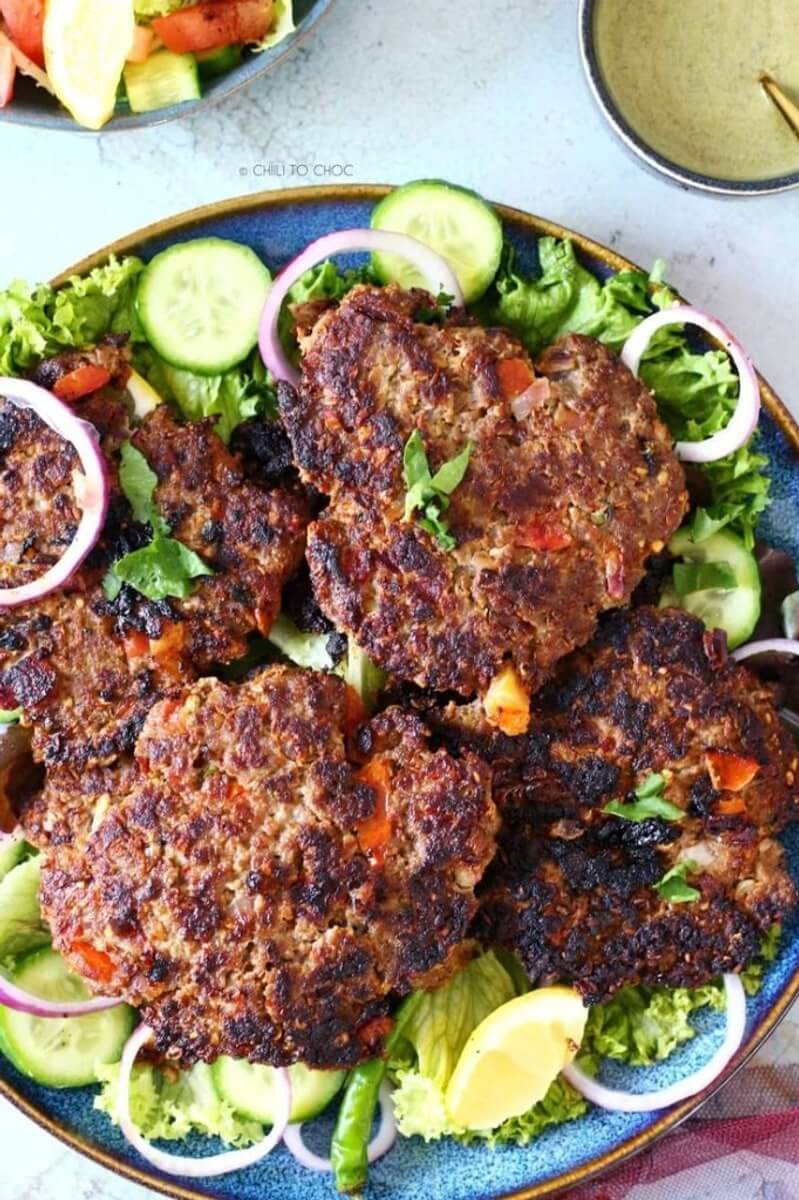
If you have ever stood on the bustling sidewalks of Burns Road in Karachi at midnight, navigated the sensory haze of Gawalmandi Food Street in Lahore, or wandered past the sizzling vertical spits near Istanbul's Kadıköy ferry terminal, you understand that street food is not merely nourishment. It is theatrical culinary adrenaline. You hear the rhythmic metal-on-metal clatter of the vendor’s spatulas scraping across an enormous, concave iron *tawa*; you watch plumes of cumin-scented smoke billow into the night air; and within sixty seconds, you are handed a piping-hot, greaseproof paper parcel bursting with contrasting sensations that make restaurant dining feel sanitized by comparison.
Home cooks often assume that street food magic is impossible to replicate in a domestic kitchen without commercial rotisseries, outdoor tandoors, or industrial fryers. In truth, street food perfection relies entirely on fundamental food chemistry: extreme surface contact heat, dramatic textural polarity (shatter-crisp meeting pillowy soft), and unapologetic acid-tannin balance. By understanding how street vendors layer raw aromatics, whipped egg foams, toasted whole spices, and three foundational chutneys, you can recreate the iconic street food culture of South Asia and the Levant on a standard residential stovetop. This comprehensive guide details the five rules of street-food contrast, delivers master recipes for authentic bun kebabs, loaded street chaat, and Istanbul-style pan döner, and provides a foolproof weekend street-party blueprint.
The Five Laws of Street-Food Sensory Chemistry
Street food vendors captivate human palates because their dishes stimulate every sensory receptor simultaneously. Every iconic street bite is engineered around these five non-negotiable contrasts:
1. Extreme Textural Polarity
Monotony is the enemy of street food. A single bite of Karachi street chaat contains soft, yielding boiled potatoes, velvety chickpeas, crunchy raw red onions, and shatter-crisp fried pastry wafers (*papri*). If your home street food feels uninspiring, you have neglected the crunch element. Always preserve texture by adding crispy garnishes at the absolute final second before serving.
2. Thermal Dynamic Tension (Hot Meets Cold)
Watch how a classic Pakistani bun kebab is assembled: a scalding, spicy lentil-beef patty freshly lifted from a sizzling griddle is immediately married with chilled, crisp cucumber coins, raw onion rings, and refrigerator-cold mint raita inside a lightly toasted, steaming bun. That temperature contrast between sizzling core and cold garnishes electrifies the palate.
3. The Acid-Fat Ratio (Tamarind, Amchur & Lime)
Because street food incorporates rich pan fats and hearty carbohydrates, it requires massive hits of dietary acid to prevent palate fatigue. Street vendors do not rely solely on citrus; they layer multiple acid sources: the deep, fruity malic tang of tamarind pulp (*imli*), the sharp citric kick of fresh limes, and the pungent, sun-dried tartness of green mango powder (*amchur*).
4. The Umami Punch of Kala Namak (Himalayan Black Salt)
The distinctive, intoxicating "street aroma" of South Asian chaat and chutneys comes from kala namak—a kiln-fired volcanic mineral salt containing sulfur compounds. When sprinkled over chickpeas, potatoes, or fruit, it imparts a savory, funk-rich depth that ordinary table salt can never achieve.
5. Maximum Pan Surface Contact
Street stalls cook on wide, seasoned iron surfaces that develop extraordinary Maillard caramelization. At home, forget thin nonstick pans: use your heaviest, seasoned cast-iron skillet, carbon steel pan, or flat tawa preheated over high heat.
Three Iconic Street Food Masterpieces to Master at Home
Recreate these celebrated street-food legends in your domestic kitchen with authentic flavor and zero compromises:
1. The Burns Road Daal-Beef Bun Kebab (Karachi)
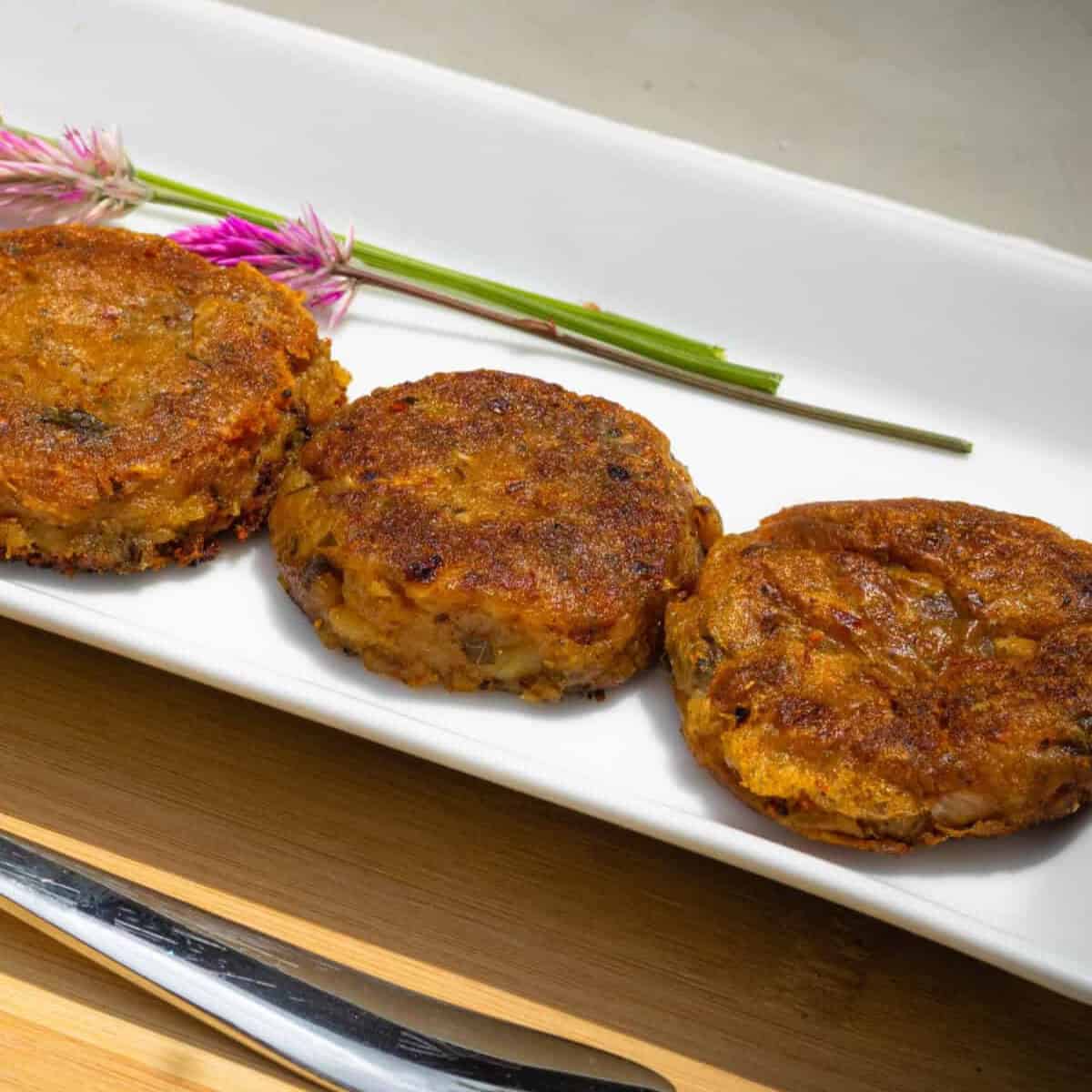
The bun kebab is Pakistan’s legendary predecessor to the Western hamburger. The authentic Burns Road version features a spiced chana daal (split Bengal gram) and beef patty enveloped in a cloud of whipped egg white foam before hitting the tawa. Soak 1 cup of chana daal for 2 hours; simmer with 1/2 lb (225g) of halal lean minced beef, 1 sliced onion, 4 dried red chilies, 1 teaspoon of cumin, and 1 teaspoon of ginger-garlic paste until the lentils are completely tender and all water has evaporated. Grind or mash into a smooth, malleable paste; season with garam masala, fresh mint, and salt, and shape into four thin, wide patties. In a clean bowl, beat 2 egg whites with a pinch of salt using a whisk until stiff, airy foam forms; gently fold in the yolks. Heat 2 tablespoons of oil on a flat cast-iron griddle over medium heat. Dip each patty entirely into the airy egg foam, coating it like a pillow, and slide onto the sizzling pan. Fry for 3 minutes per side until the egg foam puffs into a golden, lace-edged cloud. Slice soft, slightly sweet bakery burger buns in half; toast cut-side down in the fragrant pan juices. Spread fiery green chutney on the bottom bun, place the hot egg-wrapped patty, stack thinly sliced red onion rings and tomato slices, drizzle with sweet-sour tamarind chutney, and cap with the toasted top bun. Pair with our crisp aloo tikki framework for vegetarian variations.
2. The Anarkali Loaded Chana Chaat (Lahore)
Lahori street chaat is an explosion of sweet, sour, spicy, and crunchy notes assembled in under ten minutes. In a wide mixing bowl, combine 2 cans (or 3 cups cooked) of tender chickpeas, 1 large boiled russet potato cut into 1/2-inch cubes, 1 finely diced red onion, 2 diced Roma tomatoes, and 2 finely sliced green serrano chilies. In a small bowl, whisk the dressing: 3 tablespoons of thick tamarind chutney, 2 tablespoons of fresh lemon juice, 1.5 teaspoons of roasted ground cumin seeds, 1 teaspoon of chaat masala, and 1/2 teaspoon of pungent black salt (*kala namak*). Pour the dressing over the chickpea-potato mixture and toss gently so the starches absorb the tangy liquid. Spread onto a serving platter. Dollop with 1/2 cup of whisked cold plain yogurt. Immediately before serving, scatter a generous handful of crushed fried flour wafers (*papri*), crunchy chickpea vermicelli (*sev*), and freshly torn cilantro leaves. The crunch against the velvety spiced legumes is pure euphoria.
3. The Kadıköy Skillet Chicken Döner / Shawarma Wrap (Istanbul)
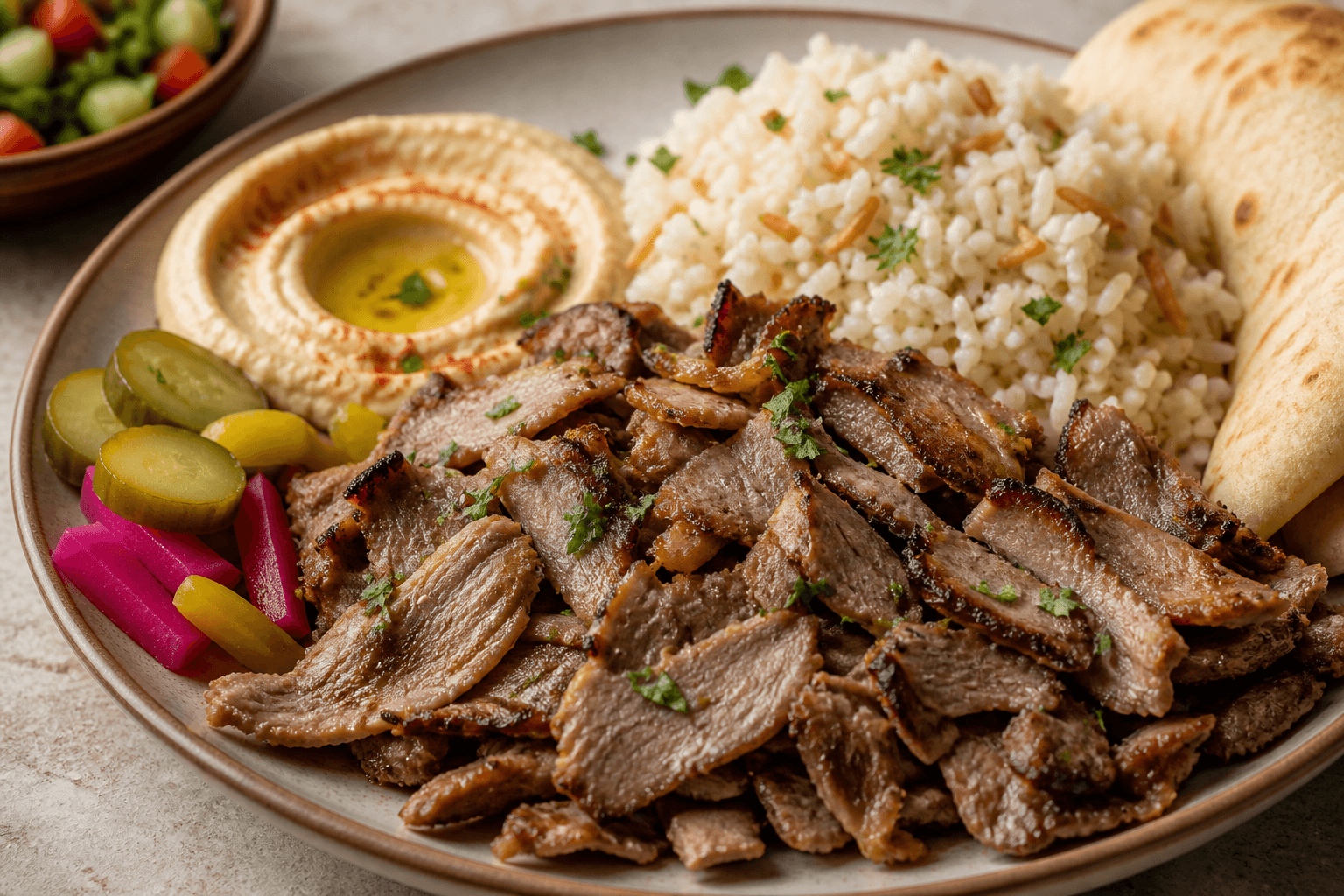
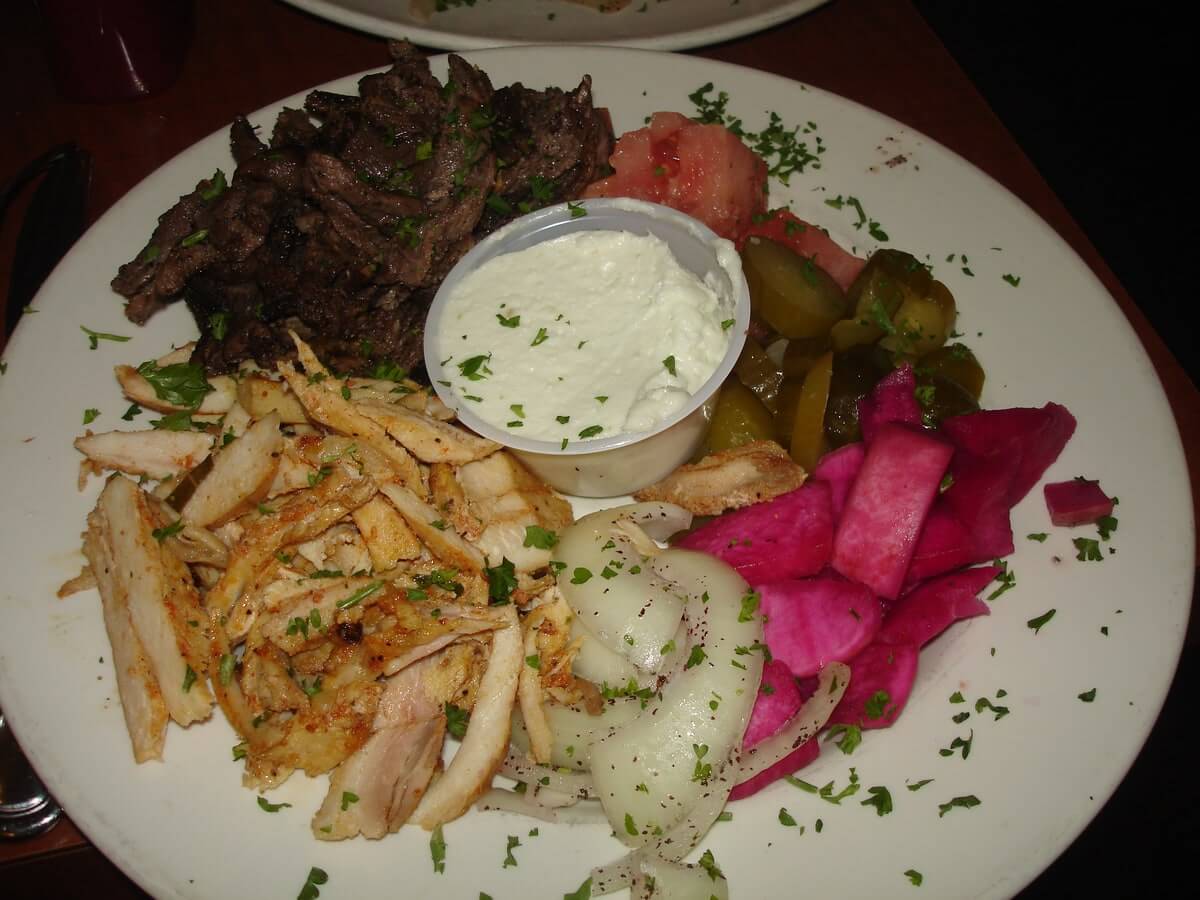
Istanbul’s street stalls are famed for shaving spiced chicken from massive rotating vertical spits. You can achieve an identical charred, spiced crust in a smoking-hot cast-iron pan. Thinly slice 1.5 lb (700g) of boneless, skinless halal chicken thighs into wide strips. In a bowl, whisk the Turkish marinade: 3 tablespoons of plain whole-milk yogurt, 2 tablespoons of olive oil, 3 minced garlic cloves, 1 tablespoon of Turkish sweet red pepper paste (*tatlı biber salçası* or tomato paste), 1 tablespoon of ground sumac, 1 teaspoon of dried oregano, 1 teaspoon of cumin, 1/2 teaspoon of cinnamon, and 1 teaspoon of coarse salt. Marinate the chicken for at least 45 minutes (or overnight). Heat a dry cast-iron skillet over maximum heat until lightly smoking. Lay the marinated chicken strips in a single layer—do not crowd the pan! Sear undisturbed for 4 minutes until deeply charred and blistered; flip and cook for 3 minutes more. Remove to a cutting board and roughly chop into thin, ragged street-style ribbons. Warm fresh lavash or pita bread directly on the hot pan to soak up the residual spiced chicken drippings. Lay the bread flat, arrange the hot chicken döner, add crisp shredded iceberg lettuce, sliced tomatoes, sumac-rubbed red onions, and sour pickled cucumbers. Drizzle generously with **Turkish Garlic-Yogurt Sauce** (whisk 1 cup of strained yogurt with 1 grated garlic clove, lemon juice, and salt), roll tightly into a wrap, and crisp the seam in the hot skillet for 60 seconds. Channel the rustic magic of our chicken shawarma plate and lamb shawarma plate.
The Holy Trinity of Street-Food Sauces
Street food relies entirely on pre-made sauces that can be spooned, drizzled, and splashed to order. Make these three master condiments on Sunday; they stay fresh in glass jars in your refrigerator for up to 10 days:
| Sauce Name | Primary Ingredients & Profile | Culinary Role & Pairing | Storage Shelf Life |
|---|---|---|---|
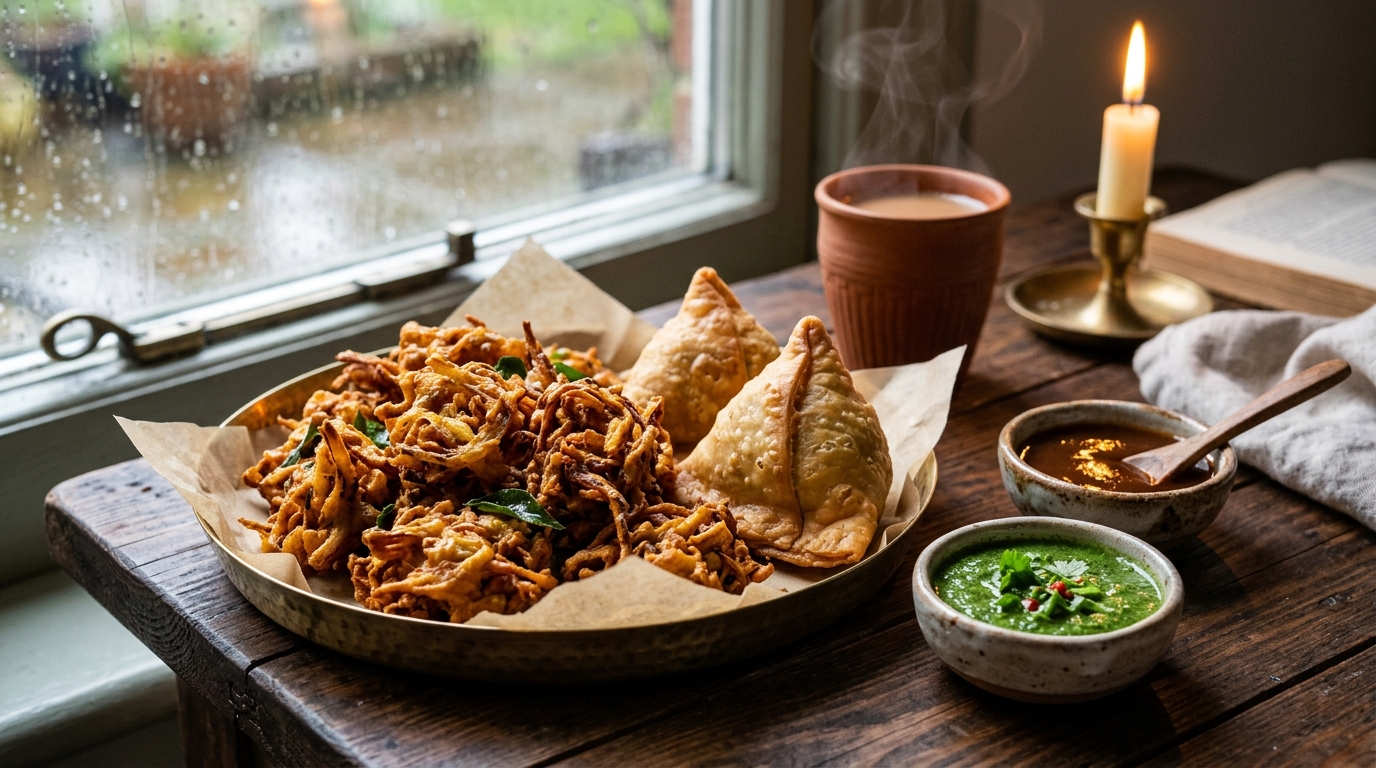
| 1. Fiery Mint-Coriander Chutney | 1 bunch cilantro + 1/2 bunch mint + 2 green chilies + 1 clove garlic + juice of 1 lemon + salt, blended smooth. | Provides intense herbaceous brightness and sharp capsaicin heat; cuts through rich fried bun kebabs and samosas. | 7 days in refrigerator (keep sealed). |
| 2. Sweet & Tangy Tamarind Reduction | 1/2 cup seedless tamarind pulp soaked in boiling water, simmered with jaggery/brown sugar, cumin, and ginger. | Sticky, luxurious sweetness balanced by deep malic fruit acidity; the essential gloss for chaats and samosa dips. | 3 weeks in airtight glass jar. |
| 3. Istanbul Garlic-Yogurt Crema | 1 cup thick strained whole yogurt + 2 cloves microplaned garlic + 1 tbsp olive oil + pinch of sea salt. | Cooling, probiotic, velvety garlic cream that balances fiery sumac and charred meats in döner wraps. | 6 days in refrigerator. |
The Weekend Street-Food Feast Planning Table
Transform your weekend family dinner or casual gathering into an unforgettable interactive street food market:
| Street Food Station | Core Menu Offerings | Make-Ahead Prep Window | Tabletop Assembly Flow |
|---|---|---|---|
| The Karachi Bun Kebab Griddle | Daal-beef patties wrapped in egg foam; toasted milk buns; green & tamarind chutneys; sliced onions. | Boil and shape patties 24 hours ahead; whip egg whites right before cooking. | Griddle patties on demand (3 min); let guests build their own custom bun kebabs. |
| The Lahori Chaat Bar | Spiced chickpeas, boiled potatoes, chopped tomatoes, chilies, yogurt, chutneys, fresh papri & sev. | Boil chickpeas & potatoes on Friday; chop fresh vegetables 2 hours ahead. | Keep cold elements chilled; guests spoon chickpeas into bowls and top with crispy crunch. |
| The Istanbul Döner Wrap Station | Charred yogurt-sumac chicken thighs; warm lavash flatbreads; sumac onions; garlic crema; pickles. | Marinate chicken overnight; chop pickles and salad 2 hours ahead. | Flash-sear chicken in smoking cast iron; slice and wrap tightly inside toasted flatbreads. |
5 Costly Mistakes When Cooking Street Food at Home
Avoid these five frequent blunders to ensure your home street food captures genuine night-market intensity:
- Making Bun Kebab Patties Too Wet: If your boiled chana daal mixture contains excess water when mashed, the patties will turn mushy, stick violently to the tawa, and disintegrate upon flipping. Ensure all cooking water is completely evaporated before grinding, and chill the shaped patties in the refrigerator for 30 minutes before frying to firm up the starches.
- Adding Crispy Papri or Sev Too Early: Never mix crispy fried papri, crushed tortilla chips, or chickpea sev into chaat ahead of time. The moisture from the yogurt and chutneys softens fried dough within four minutes, transforming crisp wafers into soggy dumplings. Always keep crunchy toppers in a separate dry bowl and scatter them over the plate at the table.
- Crowding the Pan When Searing Chicken Döner: If you pile a pound of cold marinated chicken into a medium skillet, the pan temperature plummets and the chicken stews in its own juices. You completely lose the smoky, charred edges that define döner. Sear the chicken in small, uncrowded batches over blistering heat.
- Skipping the Bread Toasting Step: Street vendors never serve cold bread. Always toast your burger buns or flatbreads cut-side down on the seasoned griddle directly in the residual rendered spiced fats. This warms the bread, caramelizes the starches, and creates a fat-resistant barrier that keeps chutneys from soaking through.
- Under-Salting Street Food Components: Bland street food is an oxymoron. Because street food is eaten quickly and features bold spices, starches (potatoes, chickpeas, buns) require assertive, confident seasoning. Use coarse sea salt during cooking and finish with a sprinkle of black salt (*kala namak*) or chaat masala at the table.
Streamline Your Street-Food Nights with Digital Tools
Hosting a weekend street food party is stress-free when portioning and shopping lists are automated:
- Scaling from a family dinner of four to a neighborhood street-food party of twelve? Automatically adjust meat weights, chickpea cans, and bun counts with our servings scaler.
- Plan your street-food weekend into your overall weekly meal schedule using the meal plan generator.
- Generate a consolidated market shopping list that sorts spices, produce, halal meats, and bakery items by aisle with the grocery list generator.
- Have extra boiled chickpeas, potatoes, or shredded chicken left over on Sunday night? Transform them into Monday night skillet dinners with the leftover finder.
Frequently Asked Questions
How do Karachi vendors get that signature fluffy egg coating on bun kebabs?
The secret is separating the eggs and beating the egg whites with a pinch of salt until they form stiff, cloud-like peaks before gently folding the yolks back in. When the dense lentil-beef patty is submerged into this airy foam and dropped onto a hot oiled griddle, the trapped air bubbles expand rapidly, creating an ultra-light, soufflé-like golden lace crust that encases the patty.
What can I substitute for papri or sev if I cannot find an Indian grocery store?
If authentic flour papri or chickpea sev are unavailable, exceptional supermarket substitutes include crushed salted pita chips, crushed plain corn tortilla chips, or toasted wonton wrappers cut into thin strips and flash-fried in oil for 60 seconds. They provide the identical shatter-crisp textural contrast against creamy chickpeas.
How can I get authentic rotisserie char on chicken döner without a vertical spit?
Use a screaming-hot, dry cast-iron skillet or grill pan. Press the thin marinated chicken thighs flat against the smoking metal with a heavy burger press or cast-iron bacon weight for 3 minutes. The intense direct pressure forces maximum surface contact, replicating the dark charred crispy bits that a vertical rotisserie spit develops as it spins past gas flames.
What is kala namak and why is it irreplaceable in authentic street food?
Kala namak (Himalayan black rock salt) is an unrefined volcanic mineral salt containing natural iron sulfide compounds. When ground into a pinkish-grey powder, it imparts a unique, sulfurous, deeply savory umami flavor reminiscent of hard-boiled eggs. It is the definitive secret ingredient in chaat masala; without it, street chaat and chutneys taste flat and one-dimensional.