Recipe Planning
Every summer, grocery store aisles, fruit markets, and ethnic bazaars erupt with stacks of vibrant wooden crates holding peak-season mangoes. Whether you cherish fragrant Pakistani Chaunsa and Sindhri, legendary Indian Alphonso and Kesar, or silky Mexican Ataulfo (Honey) mangoes, bringing home a full 10-to-12-pound crate is an annual summer ritual celebrated across cultures.
However, the window of mango perfection is notoriously brief. Within 72 to 96 hours of opening a crate in midsummer heat, a dozen mangoes can race from peak fragrance to bruised, over-fermenting fruit-fly magnets. Successfully conquering mango season requires a structured culinary plan: understanding the science of ethylene ripening, knowing which textures suit sweet versus savory applications, and executing a zero-waste processing timeline that fills your week with refreshing drinks, bright salsas, decadent desserts, and months of frozen inventory.
Choosing, ripening, and cutting mangoes like a pro
Navigating a crate of mangoes begins with assessing ripeness without bruising the delicate fruit fibers beneath the skin.
The sensory test: smell and give, not color
The single most common consumer error is judging mango readiness purely by skin pigmentation. Certain world-class cultivars (such as Keitt or Kent) maintain green skins even when fully ripe, while others blush crimson or golden yellow. Instead, rely on two foolproof sensory markers:
- The stem fragrance: Bring the stem end of the fruit directly to your nose. A ripe mango emits a lush, intoxicating, sweet tropical perfume. If it has no aroma at all, it is still unripe. If it smells sour or alcoholic, fermentation has already begun.
- The gentle palm test: Cup the mango in the palm of your hand and apply gentle, uniform pressure with the pads of your fingers. A ripe mango should yield slightly, similar to a ripe avocado or peach. Never poke the fruit with your fingertips, which creates deep internal brown bruises.
The science of ethylene gas ripening
Mangoes are climacteric fruits, meaning they continue to ripen after harvest by releasing natural ethylene gas. To accelerate the ripening of firm mangoes, place them inside a breathable brown paper bag alongside a ripe banana or apple for 24 to 48 hours. The trapped ethylene gas speeds up starch-to-sugar conversion dramatically.
Conversely, once mangoes reach peak ripeness, immediately move them to your refrigerator’s crisper drawer (set around 50°F to 55°F / 10°C to 12°C). Cold temperatures decelerate cellular respiration, holding the fruit at peak sweetness for an extra 4 to 5 days.
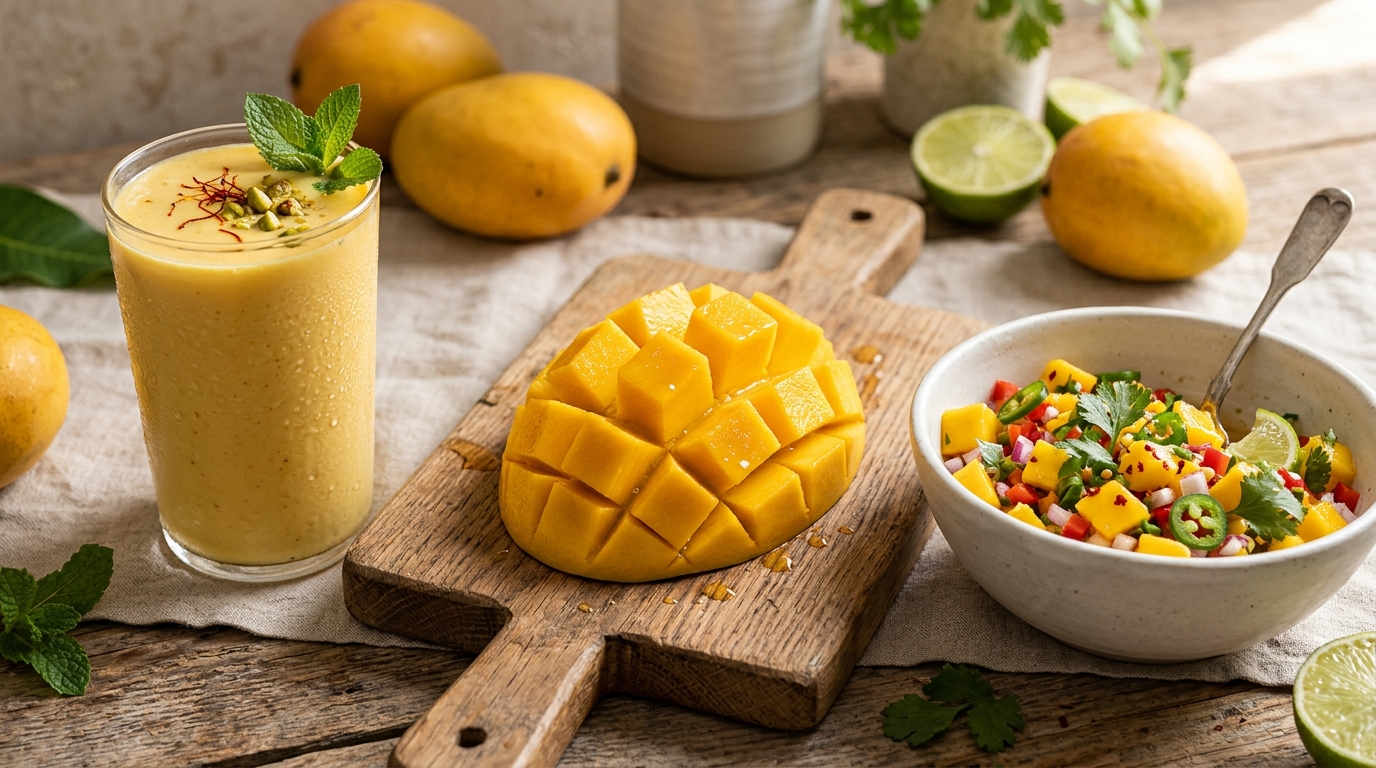
Never peel a ripe mango with a potato peeler—slippery fruit leads to kitchen slips and lost juice. Stand the mango upright on a cutting board inside a rimmed baking sheet. Slice straight down on either side of the wide, flat central seed, creating two fleshy "cheeks." Score a 1/2-inch diamond grid into the flesh without cutting through the skin. Push the skin from behind to turn the cheek inside-out into a "hedgehog," and slice off perfect cubes directly into a bowl.
Refreshing summer drinks: liquid gold
When temperatures soar, mangoes provide instant refreshing hydration paired with natural potassium, vitamin C, and beta-carotene.
1. Authentic restaurant-quality mango lassi
The world’s favorite yogurt drink relies on the perfect balance between whole-milk dairy acidity and concentrated mango sweetness. To make four tall glasses:
- In a high-speed blender, combine 2 cups of ripe diced mango pulp (or canned Alphonso pulp), 1.5 cups of whole-milk plain yogurt, 1/2 cup of cold whole milk, 2 tablespoons of raw honey or simple syrup, and 1/4 teaspoon of freshly crushed green cardamom seeds.
- Add 1 cup of crushed ice and blend on high for 60 seconds until frothy and velvety.
- Pour into tall chilled glasses and garnish with a few delicate saffron threads and crushed bright green pistachios.
2. Sparkling mango-mint Agua Fresca
For an ultra-hydrating, non-dairy cooler, blend 2 cups of ripe mango cubes with 2 cups of cold filtered water, 2 tablespoons of freshly squeezed lime juice, and a handful of fresh spearmint leaves. Strain through a fine-mesh sieve into a pitcher filled with ice, and top with sparkling mineral water or club soda for an effervescent summer mocktail.
Decadent desserts: sweet summer endings
1. Traditional authentic mango kulfi
Kulfi is the traditional dense, un-churned ice cream of South Asia. It differs from Western ice cream because the dairy is gently reduced over hours rather than whipped with air, resulting in an intensely rich, custard-like density that melts slowly in summer heat.
- In a heavy, wide saucepan, bring 4 cups of whole milk and 1 can (14 oz) of sweetened condensed milk to a simmer over medium-low heat. Stir frequently for 25 to 30 minutes until the milk volume reduces by nearly half.
- Stir in 1/2 teaspoon of ground cardamom, a pinch of saffron steeped in warm milk, and 2 tablespoons of finely chopped pistachios. Remove from the heat and allow to cool completely to room temperature.
- Whisk in 1.5 cups of fresh smooth mango purée until fully incorporated. Pour into kulfi moulds or small popsicle cups and freeze for at least 8 hours. Dip moulds in warm water for 5 seconds to slide out silky, frozen mango kulfi bars.
2. Thai-inspired mango coconut sticky rice
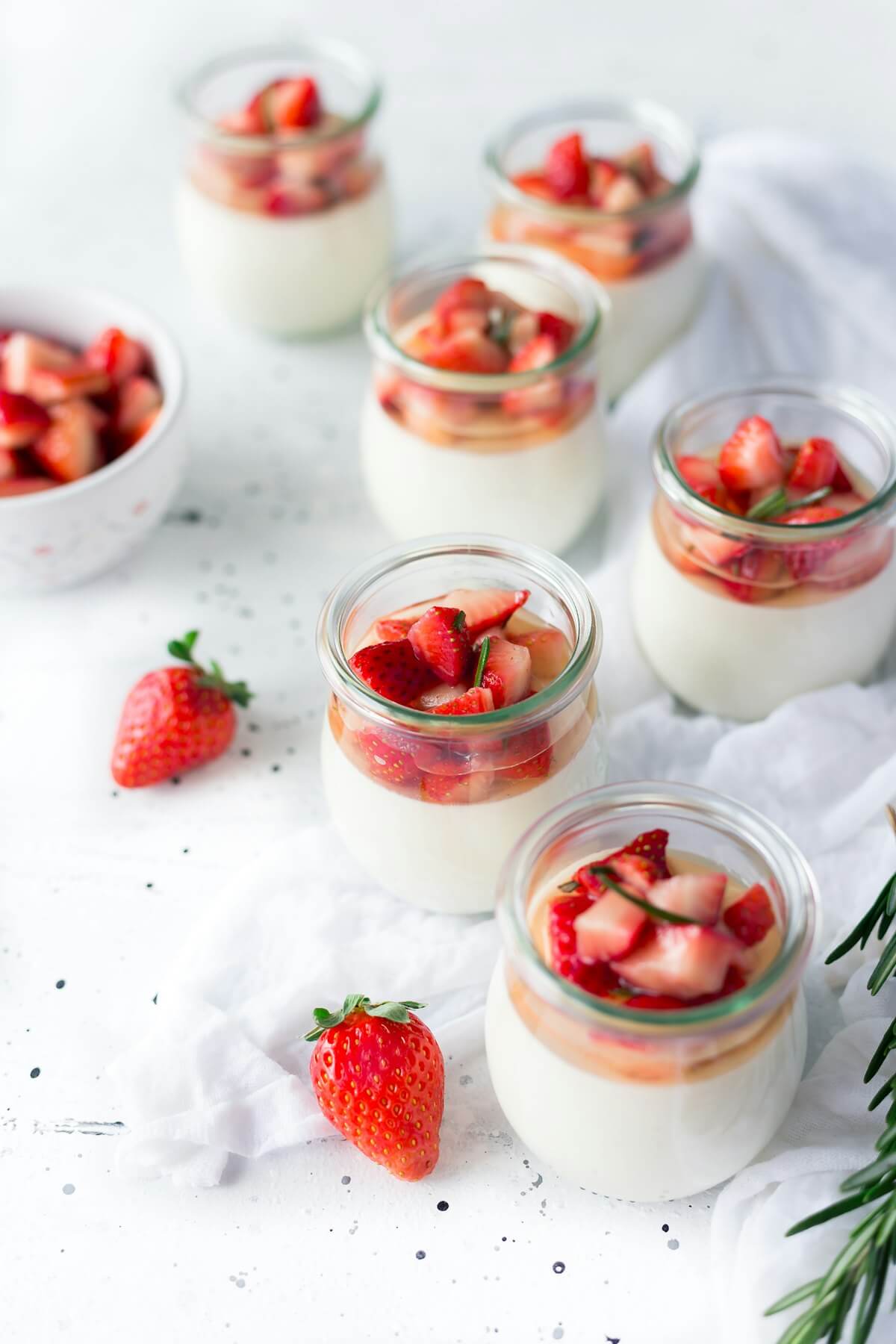
Few flavor pairings on earth match the harmony of warm, salted sweet coconut sticky rice and icy chilled ripe mangoes. Steam sweet glutinous rice until tender, gently fold in a warm sauce made from rich coconut cream, cane sugar, and a generous pinch of sea salt, and let the rice absorb the coconut nectar. Serve beside freshly sliced mango cheeks. For breakfast variation, explore our Greek yogurt parfait and the tropical Thai mango sticky rice dessert.
Savory applications: salsas, chutneys, and salads
Because mangoes contain both natural sweetness and balancing malic acid, they shine brilliantly in savory dishes when paired with salt, heat, and smoke.
1. The 5-minute charred jalapeño mango salsa
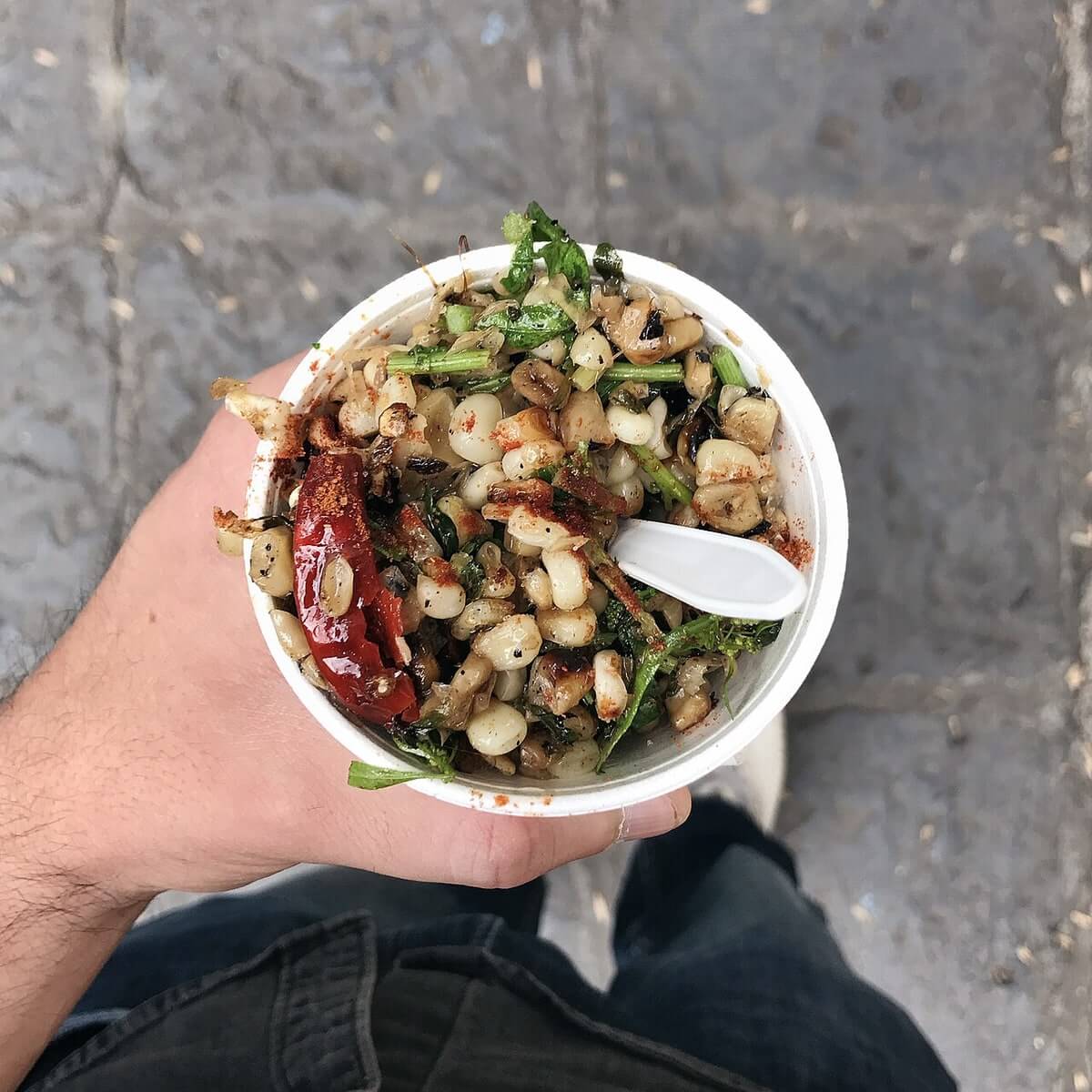
Dice 2 ripe but firm mangoes into 1/4-inch cubes. Combine in a medium bowl with 1/2 cup of finely diced red bell pepper, 1/2 small red onion (rinsed in cold water), 1 finely minced jalapeño or serrano chili, 1/3 cup of chopped fresh cilantro, the juice of two juicy limes, and 1/2 teaspoon of coarse sea salt. Let the salsa rest for 15 minutes before serving over grilled chicken skewers, blackened salmon, or crispy tortilla chips. For more summer sides, check our Mexican street corn salad.
2. Sweet and tangy mango chutney (Aam ki Launji)
If you have mangoes that are still firm and tart, transform them into a versatile spiced chutney. Heat 1 tablespoon of mustard oil in a pan, bloom cumin seeds, fennel seeds (saunf), and nigella seeds (kalonji). Add sliced firm mangoes, water, jaggery (or dark brown sugar), turmeric, chili powder, and black salt. Simmer for 20 minutes until the fruit is tender and enveloped in a glossy, sweet-tart syrup. This chutney keeps in a sealed glass jar in the refrigerator for up to three weeks.
The 5-day "empty the crate" masterplan
Never let a single mango in your 12-fruit crate go to waste. Follow this structured five-day kitchen strategy:
| Day | Crate Priority | Culinary Application | Storage / Prep Outcome |
|---|---|---|---|
| Day 1 | The softest, most fragrant ripe mangoes | Eat 2 fresh; blend a batch of frothy mango lassi for the family | Enjoy at peak room-temperature sweetness immediately upon opening crate. |
| Day 2 | Juicy, medium-firm mangoes | Dice into vibrant charred jalapeño mango salsa for dinner | Pairs with grilled chicken or fish; leftover salsa refrigerated for Day 3 wraps. |
| Day 3 | The bulk ripening phase (4 to 5 mangoes) | The Batch Freeze: slice into cubes and freeze flat on baking sheets | Bag frozen cubes into portioned freezer bags for 6 months of winter smoothies. |
| Day 4 | Sweet ripe mangoes | Blend into rich mango kulfi moulds or serve with sticky coconut rice | Freezer dessert ready for weekend entertaining and family treats. |
| Day 5 | The final firm or tart mangoes | Simmer into spiced sweet-and-sour mango launji / chutney | Pack into glass jars; preserves flavor and shelf life for 3 weeks in the fridge. |
What fails: 5 costly mango mistakes to avoid
- Refrigerating rock-hard mangoes: Storing unripened, hard green mangoes in temperatures below 45°F (7°C) causes "chilling injury." The cold temperatures permanently deactivate the enzymes responsible for ripening, leaving you with rubbery, flavorless fruit that never ripens. Always ripen on the counter first.
- Freezing whole mangoes: Never toss a whole unpeeled mango into the freezer. The skin turns pitch black, cellular expansion destroys the meat, and peeling a frozen rock is dangerous. Always peel, cube, and flash-freeze on parchment paper before bagging.
- Over-sweetening desserts before chilling: High temperatures accentuate perceived sweetness, while freezing numbs sweet receptors. When making kulfi or lassi, taste the mixture at room temperature; it should taste slightly sweeter than your desired finished target so it tastes balanced once frozen.
- Discarding the flavorful seed flesh: A massive amount of sweet, rich pulp clings to the large flat mango stone. Never throw it away. Scrape the seed with a paring knife or squeeze the pulp with clean hands into a bowl to collect 3 to 4 tablespoons of pure nectar for salad dressings or marinades.
- Neglecting knife safety: Mango skins contain slippery urushiol-like plant resins and sweet juice that make handles slick. Always wipe your hands, cutting board, and chef’s knife dry with a kitchen towel between cuts.
Frequently asked questions
How do I flash-freeze mango cubes so they don’t freeze into a solid brick?
Line a large rimmed baking sheet with parchment paper. Arrange your freshly diced mango cubes in a single layer with a small space between each piece (ensure they are not touching). Place the baking sheet flat in your freezer for 2 to 3 hours until the cubes are frozen rock-solid. Remove the sheet and quickly transfer the loose cubes into heavy-duty zip-top freezer bags, pressing out all air. The cubes will remain individually loose, allowing you to scoop out exact single-cup portions for smoothies.
Which mango varieties are best for sweet desserts versus cooking?
For smooth, luxurious purées, lassis, and kulfi, fiberless varieties like Pakistani Chaunsa, Indian Alphonso, and Mexican Ataulfo (Honey mango) are world champions because their flesh is completely free of stringy fibers. For firm salsas, chutneys, and salads where you want distinct structural cubes that don’t turn to mush, Florida cultivars like Tommy Atkins, Kent, and Keitt hold their shape exceptionally well.
Can you eat the skin of a mango?
While the skin is technically non-toxic and contains fiber and antioxidants, mango peels contain compounds related to urushiol (the active chemical in poison ivy). In sensitive individuals, biting into mango skins can cause contact dermatitis, lip tingling, and allergic rashes. Furthermore, mango skins have a bitter, waxy, and tough texture; it is best to peel them completely before serving.
How do I integrate seasonal mangoes into my weekly meal plan?
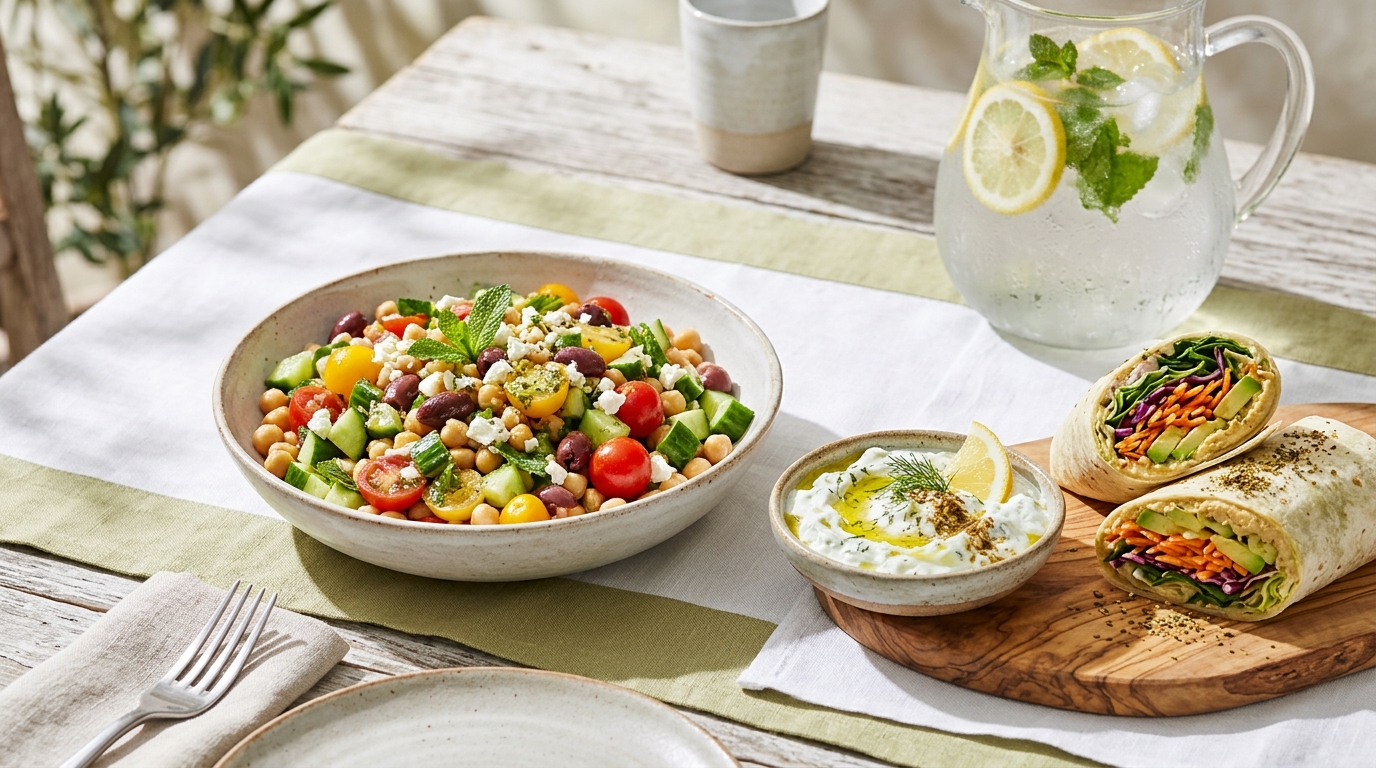
Use our interactive leftover finder to discover inventive pairings for extra mango cubes with pantry staples like black beans, chickpeas, and Greek yogurt. To schedule your week’s dinners and avoid produce spoilage, design balanced seasonal menus with our meal plan generator and organize your market run with the grocery list generator.