Recipe Planning
Dietary culture has long been plagued by tribal dogmatism. Consumers are frequently told that they must choose between extreme extremes: either adopt 100% strict veganism or eat an all-meat carnivore diet. For the overwhelming majority of modern households, neither extreme is sustainable or socially practical. What families genuinely need is a pragmatic, health-promoting middle ground: the Flexitarian Dietary Framework.
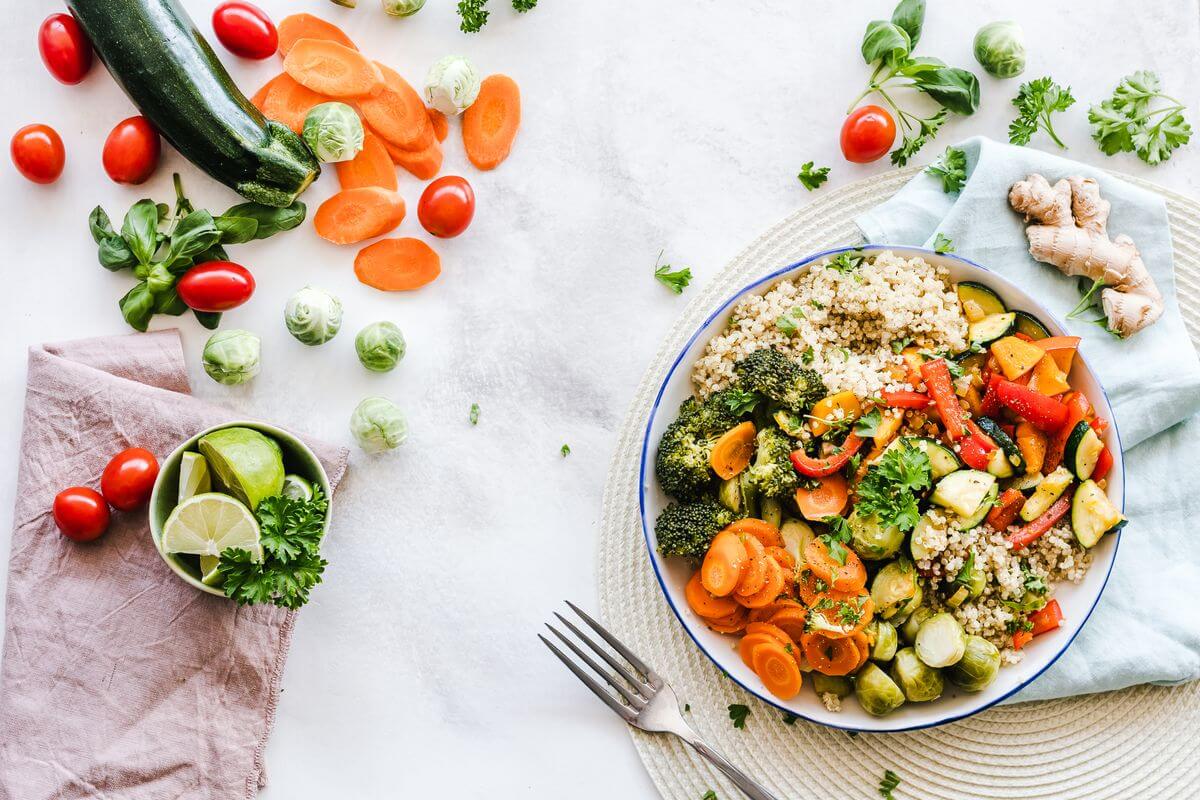
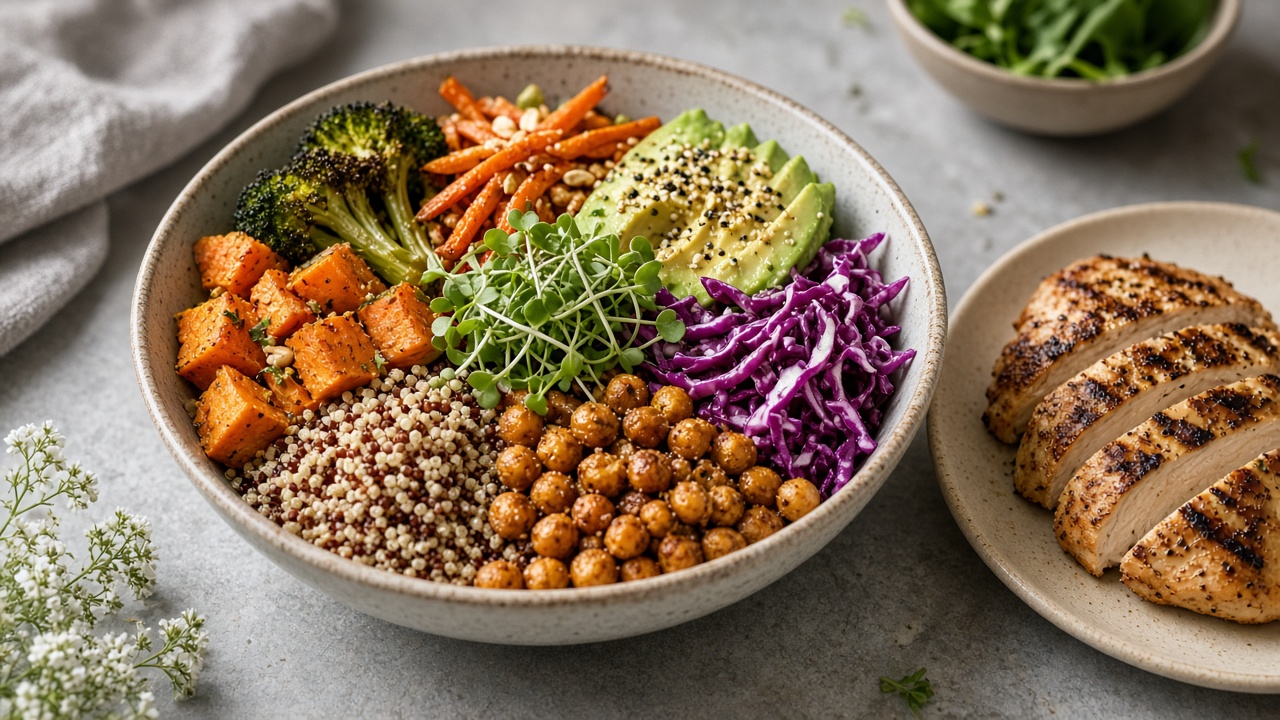
Coined by registered dietitians, flexitarianism is simply a "flexible vegetarian" approach. Rather than declaring meat forbidden, you intentionally elevate plants—legumes, whole grains, nuts, seeds, and vibrant vegetables—to the center of your plate for five or six dinners each week, while enjoying high-quality pasture-raised poultry, beef, or seafood on one or two evenings. This simple shift reduces household grocery spending by 30%, slashes dietary saturated fat, doubles daily fiber intake, and completely eliminates the emotional guilt associated with restrictive diets.
The 5:2 flexitarian weekly cadence
To implement flexitarian eating smoothly across a busy month, adopt this structured weekly rhythm:
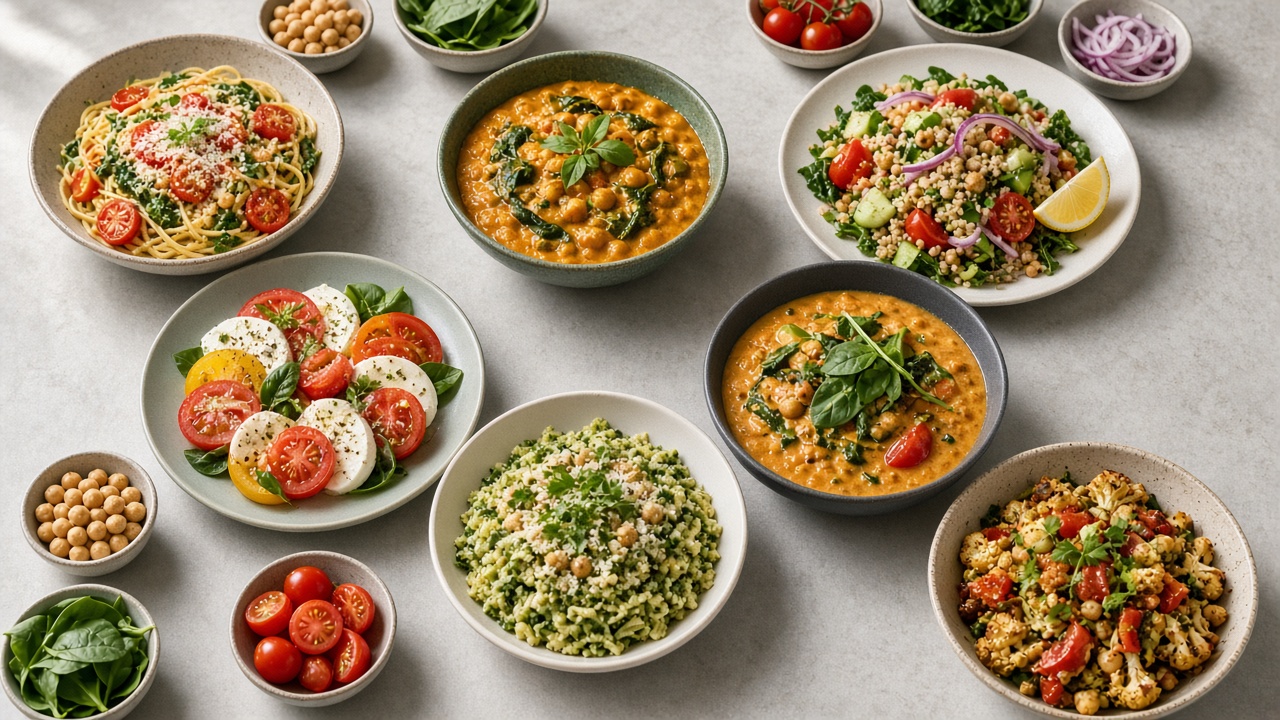
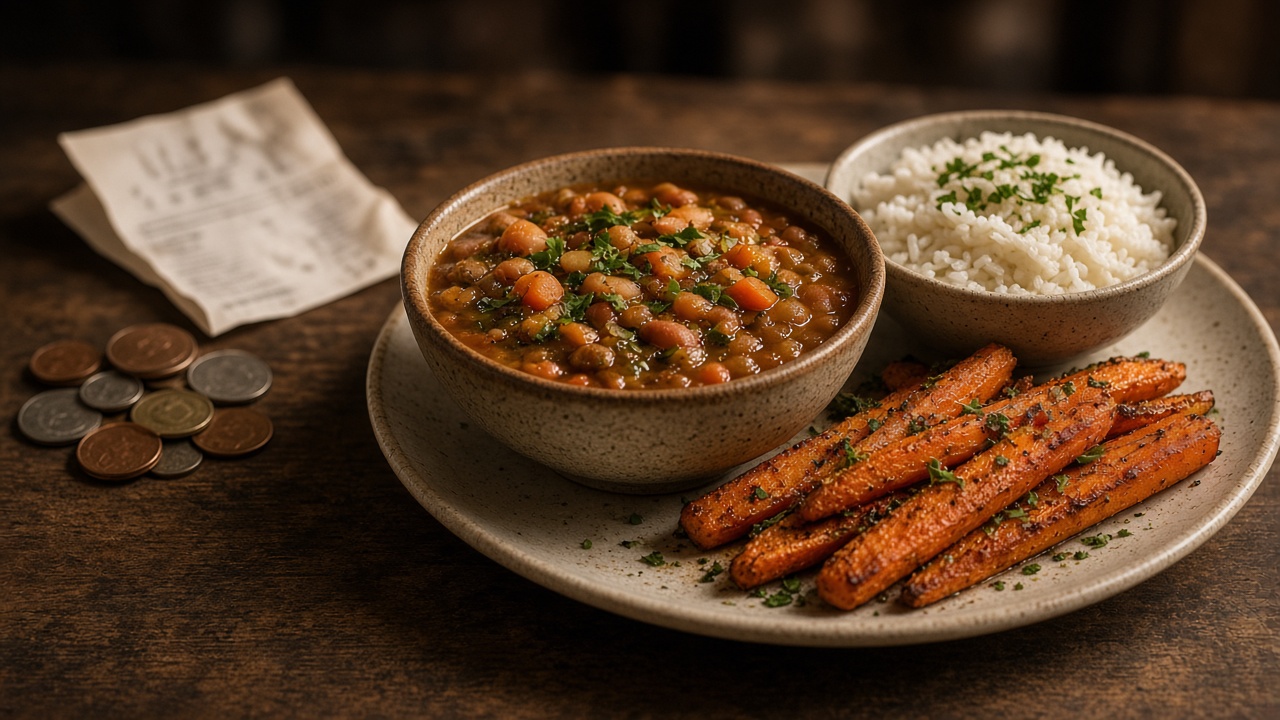
- 4 Plant-Only Dinners: Hearty lentil soups, spicy chickpea curries, golden tofu stir-fries, and black bean burgers. These nights cost under $3 per serving and deliver 15g+ of gut-nourishing prebiotic fiber.
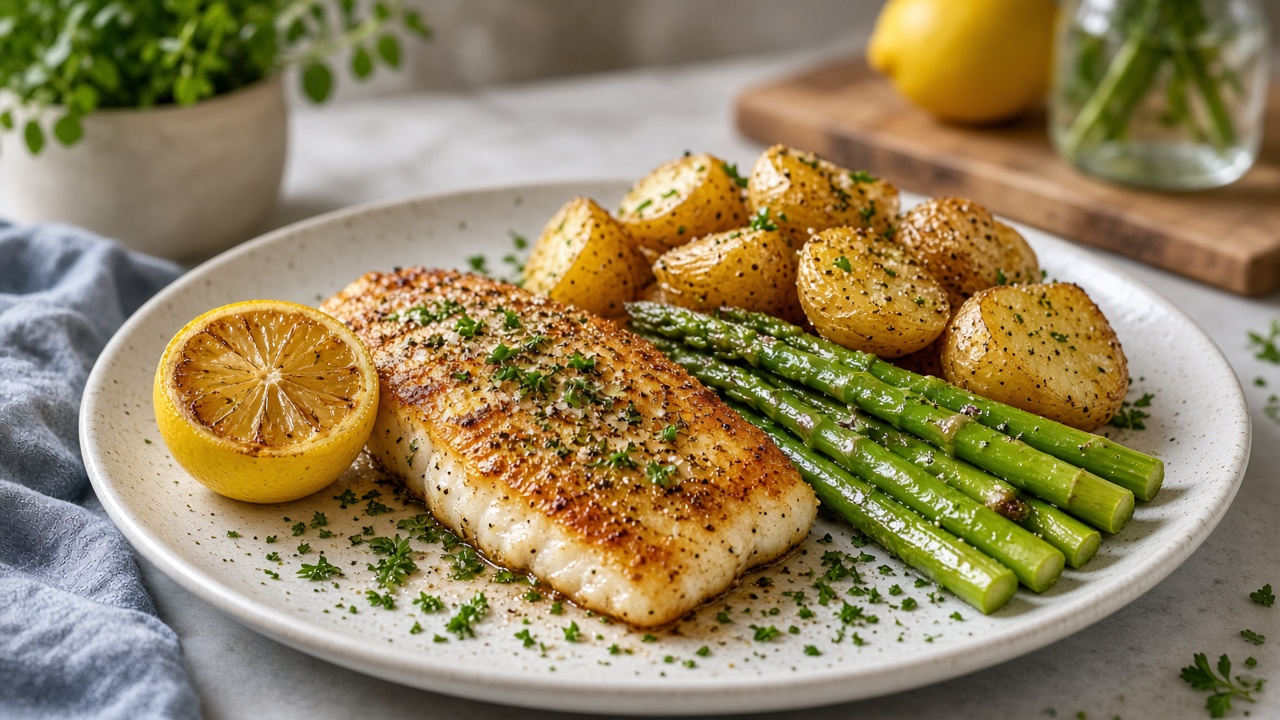
- 2 Seafood or Poultry Dinners: Sheet-pan lemon chicken or wild salmon with roasted seasonal vegetables. Animal protein is enjoyed as a deliberate, high-quality centerpiece.
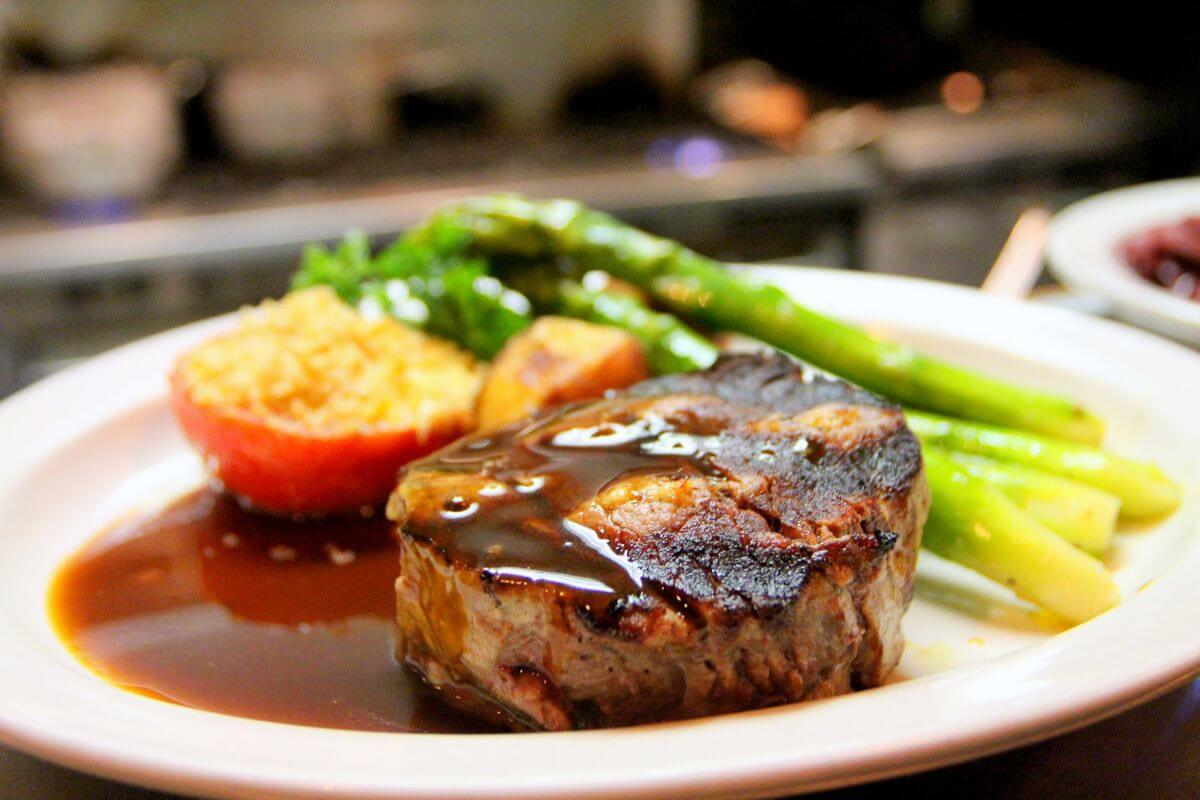
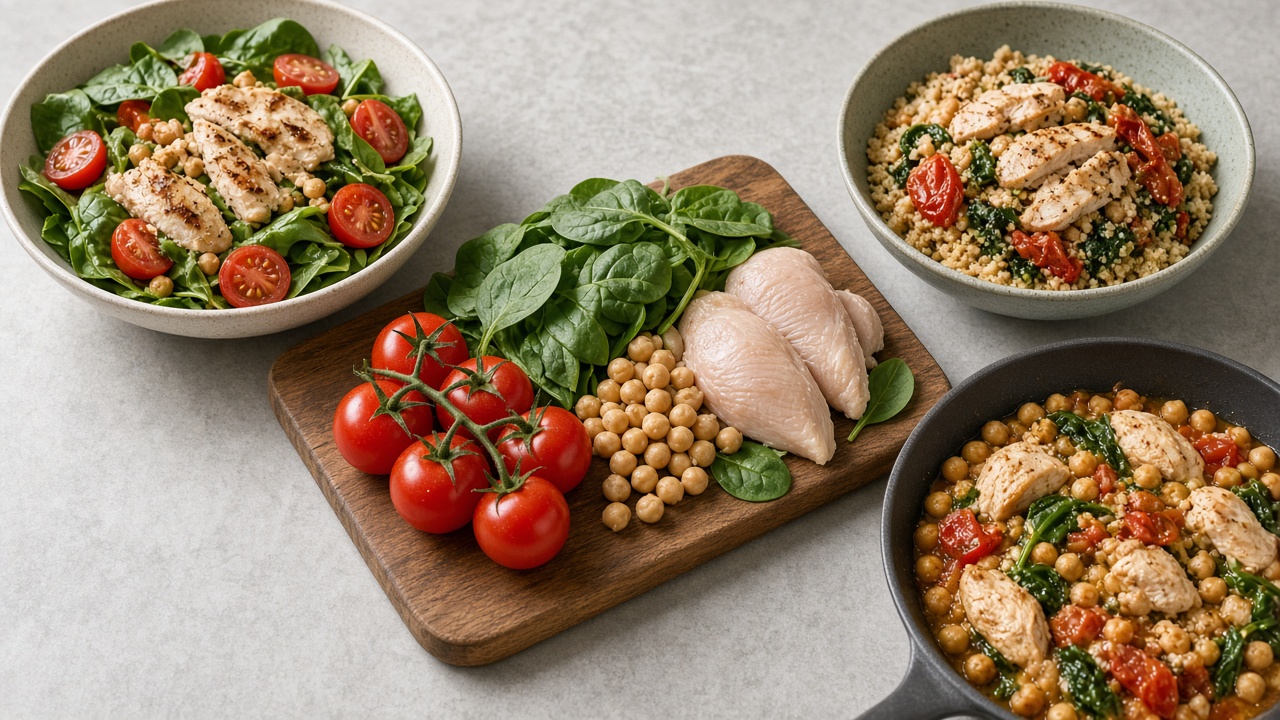
- 1 "Meat as a Garnish" or Social Night: Rather than serving an 8-ounce steak, incorporate 3 ounces of pasture-raised beef or turkey into a massive vegetable-dense stir-fry, pasta, or fajita skillet where plants remain the star.
7-day balanced flexitarian dinner calendar
This plan demonstrates how to seamlessly weave plant proteins and quality meats into a single harmonious weekly grocery basket. Scale portions with our servings scaler.
| Day | Meal Focus | Dinner Recipe Solution | Primary Protein Sources | Culinary Satiety Strategy |
|---|---|---|---|---|
| Monday | Plant-Forward | Golden pan-seared vegetable stir-fry with tofu over brown jasmine rice | Extra-firm pressed tofu + edamame (26g protein) | High-heat sesame wok searing provides deep savory umami and satisfying crunch. |
| Tuesday | Poultry Centerpiece | Juicy sheet-pan lemon herb chicken with roasted potatoes | Pasture-raised chicken breast (42g protein) | Roast double chicken breasts; enjoy one hot tonight, slice the other for tomorrow's lunch. |
| Wednesday | Plant-Forward | Fragrant coconut chickpea and sweet potato curry with basmati rice | Organic chickpeas + sweet potatoes (18g protein) | Simmer chickpeas in coconut milk, turmeric, ginger, and cumin; rich and comforting. |
| Thursday | Meat as Accent | Savory beef and broccoli stir-fry over brown rice | Lean flank steak (0.75 lb for 4 servings) + broccoli | Flank steak sliced thin acts as an accent across mountains of crisp broccoli and onions. |
| Friday | Plant-Forward | Spicy Southeast Asian peanut noodle bowl with shredded cabbage | Natural peanut butter + edamame (22g protein) | Toss warm noodles with shredded purple cabbage, carrots, lime, and peanut sauce. |
| Saturday | Omega-3 Seafood | Crispy skin salmon with roasted asparagus and sweet potatoes | Wild salmon fillets (36g protein) | Weekend gourmet seafood dinner; bake salmon fillets alongside asparagus on one sheet pan. |
| Sunday | Plant-Forward Reset | Comforting pot of hearty lentil soup with crusty sourdough | Brown lentils + mirepoix (20g protein) | Simmer brown lentils with root vegetables; freeze half for future busy weeknights. |
The flexitarian grocery budgeting advantage
Meat is the single most expensive line item on the average household grocery receipt. By shifting to a flexitarian rhythm, the financial math transforms dramatically:
- Standard Omnivore Household (Meat 7 nights/week): Approximately $65 to $80 spent exclusively on fresh beef, poultry, and pork each week.
- Flexitarian Household (Meat 2 nights, Plants 5 nights): Approximately $22 spent on high-quality pasture-raised meat/fish + $8 spent on dried lentils, tofu, and canned chickpeas = $30 total protein expenditure.
- Annual Cash Savings: Over $2,000.00 saved every year on groceries while actually increasing dietary antioxidant and fiber intake.
Use our automated grocery list generator to create a consolidated shopping checklist, and review our budget meal planning strategies.
What fails: 5 mistakes new flexitarians make
- Serving "side dishes" as dinner on plant nights: If you try to feed your family plain steamed carrots and white rice on a plant night, everyone will be raiding the pantry for snacks at 8:30 p.m. Plant meals must have substance: dense legumes, whole grains, healthy fats, and bold sauces.
- Relying on expensive packaged vegan mock meats: Replacing real meat with ultra-processed faux beef patties eliminates the budget benefits and introduces excess sodium. Use real whole foods: lentils, chickpeas, black beans, and tofu.
- Neglecting bold seasoning on plant nights: Plant proteins lack animal fats; you must provide culinary fat and acid. Season generously with extra virgin olive oil, toasted sesame oil, garlic, lemon juice, smoked paprika, and tamari.
- Preaching to unenthusiastic family members: Announcing "we are going mostly vegetarian" often triggers immediate psychological resistance from partners and children. Instead, simply cook mouthwatering dishes like Thai peanut noodles or sweet potato curry; when food tastes incredible, no one complains about missing meat.
- Forgetting to plan lunches from plant dinners: Dishes like chickpea curry and lentil soup taste even better the next day. Cook once and pack the leftovers for lunch to maximize your time.
Frequently asked questions
How much meat does a flexitarian eat in a typical week?
There are no rigid laws. Most flexitarians consume meat or poultry one to three times per week, typically in smaller 3- to 5-ounce portions, while obtaining the rest of their protein from legumes, tofu, eggs, dairy, and whole grains.
Will I get enough iron and zinc without eating daily red meat?
Yes. Lentils, chickpeas, tofu, pumpkin seeds, and dark leafy greens are rich in non-heme iron and zinc. Enhance non-heme iron absorption by pairing these foods with vitamin C (citrus juice, tomatoes, bell peppers) at the same meal.
How long do prepped flexitarian meals keep in the fridge?
Cooked lentils, curries, and roasted vegetables keep safely for 4 to 5 days in airtight glass containers. Cooked poultry and fish are best enjoyed within 3 to 4 days.
How can Recipe Planning help me adopt a flexitarian lifestyle?
Our free meal plan generator allows you to set your target meat-to-plant ratio. Scale portions with our servings scaler and find creative recipes for leftover ingredients with the leftover finder.