Recipe Planning
During pregnancy, your body is engaged in an extraordinary act of biological construction. Every organ, bone, blood vessel, and neural circuit of your developing baby is formed from the nutrients circulating in your bloodstream. While modern prenatal vitamins provide an essential safety net, clinical research confirms that the biological synergy of whole foods—where vitamins, minerals, phytonutrients, and fibers exist in natural, bioavailable matrices—cannot be replicated by supplements alone.
Rather than feeling overwhelmed by restrictive checklists, a healthy pregnancy diet is grounded in abundance. By emphasizing nutrient-dense proteins, colorful plant fibers, intact whole grains, and healthy fats, you provide the structural building blocks for fetal tissue while keeping maternal blood sugar, blood pressure, and energy stable. This guide breaks down the essential pregnancy power nutrients, top culinary food sources, and simple preparation strategies for your weekly routine.
Important: This guide is for general meal-planning ideas only, not medical advice. Always consult your OB-GYN, midwife, or registered dietitian for personal nutrition needs, supplements, food safety, weight changes, gestational diabetes, blood pressure, nausea, breastfeeding, or recovery.
The six essential pregnancy power nutrients
To support organogenesis, skeletal development, and maternal plasma volume, design your weekly meals around these critical micronutrients:
- Folate & Folinic Acid (Vitamin B9): Folate is vital during preconception and the first trimester for DNA synthesis, cellular division, and closure of the embryonic neural tube (preventing spina bifida and anencephaly). Top culinary sources include dark leafy spinach, lentils, chickpeas, asparagus, avocado, and broccoli.
- Choline (The Brain Architecture Nutrient): Choline works synergistically with folate to support fetal brain development, hippocampal memory center formation, and placental vascularization. Over 90% of pregnant women fail to meet the recommended daily intake of 450 mg. The richest dietary source is egg yolks (two large eggs provide ~300 mg of choline), alongside chicken breast, salmon, and Brussels sprouts.
- Bioavailable Iron (Heme & Non-Heme): Maternal red blood cell mass expands by up to 50% during pregnancy to deliver oxygen to the fetus and placenta, drastically increasing iron requirements to 27 mg daily. Heme iron from pasture-raised poultry and lean meats is absorbed roughly 2 to 3 times more efficiently than non-heme iron from lentils, beans, and spinach. Always pair plant-based iron with vitamin C (like citrus or bell peppers) to boost absorption.
- Calcium & Vitamin D: If maternal dietary calcium intake is insufficient to build the fetal skeleton (particularly during the third trimester), maternal bones will undergo resorption to supply fetal demands. Prioritize pasteurized Greek yogurt, kefir, calcium-set tofu, collard greens, and canned bone-in sardines.
- DHA Omega-3 Fatty Acids: Docosahexaenoic acid (DHA) is the primary structural lipid of the human cerebral cortex and retina. Fetal brain tissue accumulates DHA rapidly during the third trimester. Aim for 200 to 300 mg of DHA daily from cooked low-mercury fatty fish (salmon, sardines, trout) or microalgae oil.
- Dietary Fiber & Probiotics: Surging progesterone relaxes smooth muscle throughout the body, including the intestinal tract, which frequently leads to sluggish digestion, bloating, and constipation. Consuming 28 to 35 grams of diverse dietary fiber alongside probiotic fermented foods (like plain yogurt or kefir) maintains healthy gut motility.
Master pregnancy food reference guide
Use this reference table to plan your weekly meals around nutrient-dense whole foods:
| Food Category | Top Pregnancy Staples | Key Nutrients Delivered | Everyday Culinary Preparation |
|---|---|---|---|
| Pasture-Raised Eggs | Whole eggs (whites + yolks, thoroughly cooked) | Choline, lutein, complete protein, vitamin B12 | Hard-boiled for snacks, vegetable frittatas, morning scrambles. |
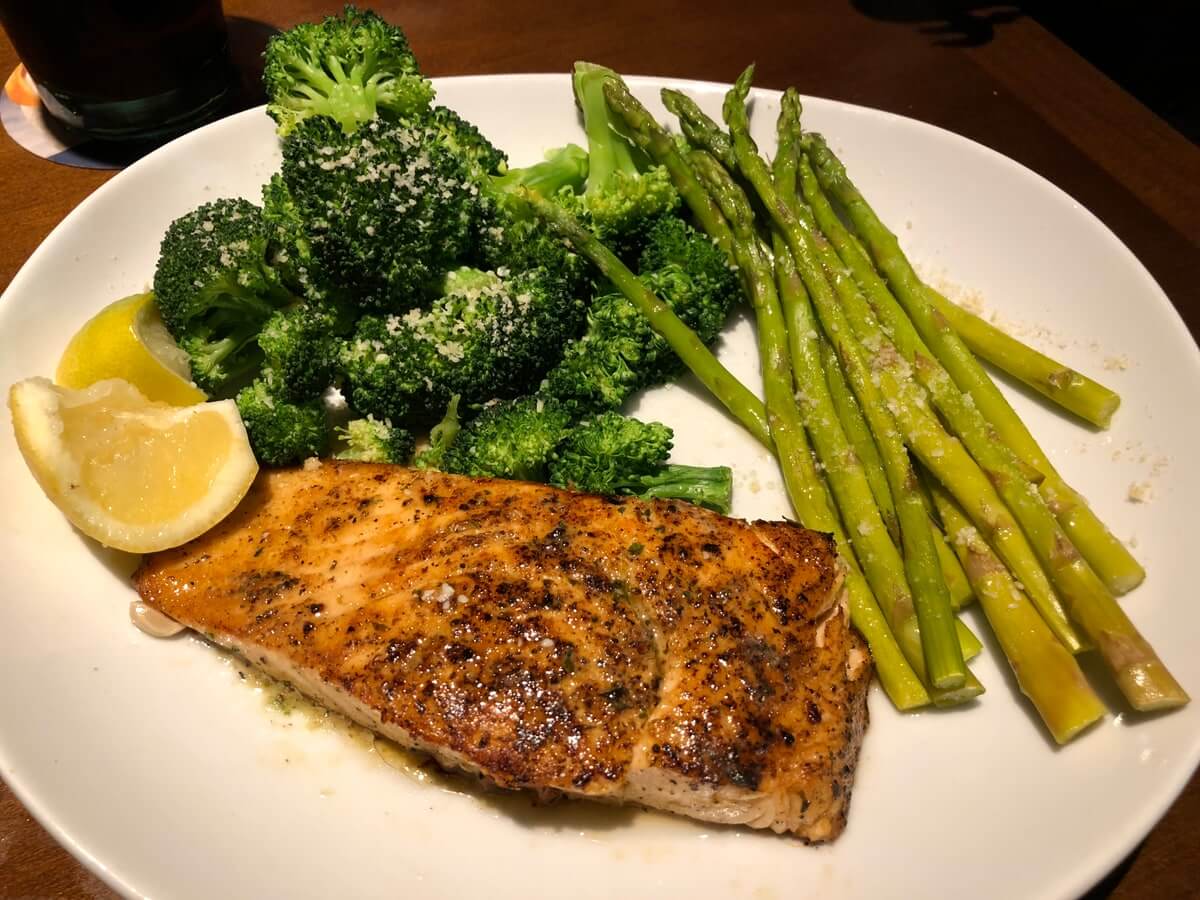
| Cold-Water Seafood | Wild salmon, Atlantic sardines, canned light tuna, rainbow trout | DHA/EPA omega-3s, bioavailable iodine, zinc, selenium | Oven-baked salmon with roasted asparagus. |
| Legumes & Pulses | Brown lentils, black beans, chickpeas, edamame | Natural folate, plant iron, potassium, soluble fiber | Slow-simmered hearty lentil soup with lemon. |
| Dark Leafy Greens | Baby spinach, kale, Swiss chard, arugula | Folate, vitamin K1, magnesium, carotenoids | Tossed into mediterranean quinoa salad or blended in smoothies. |
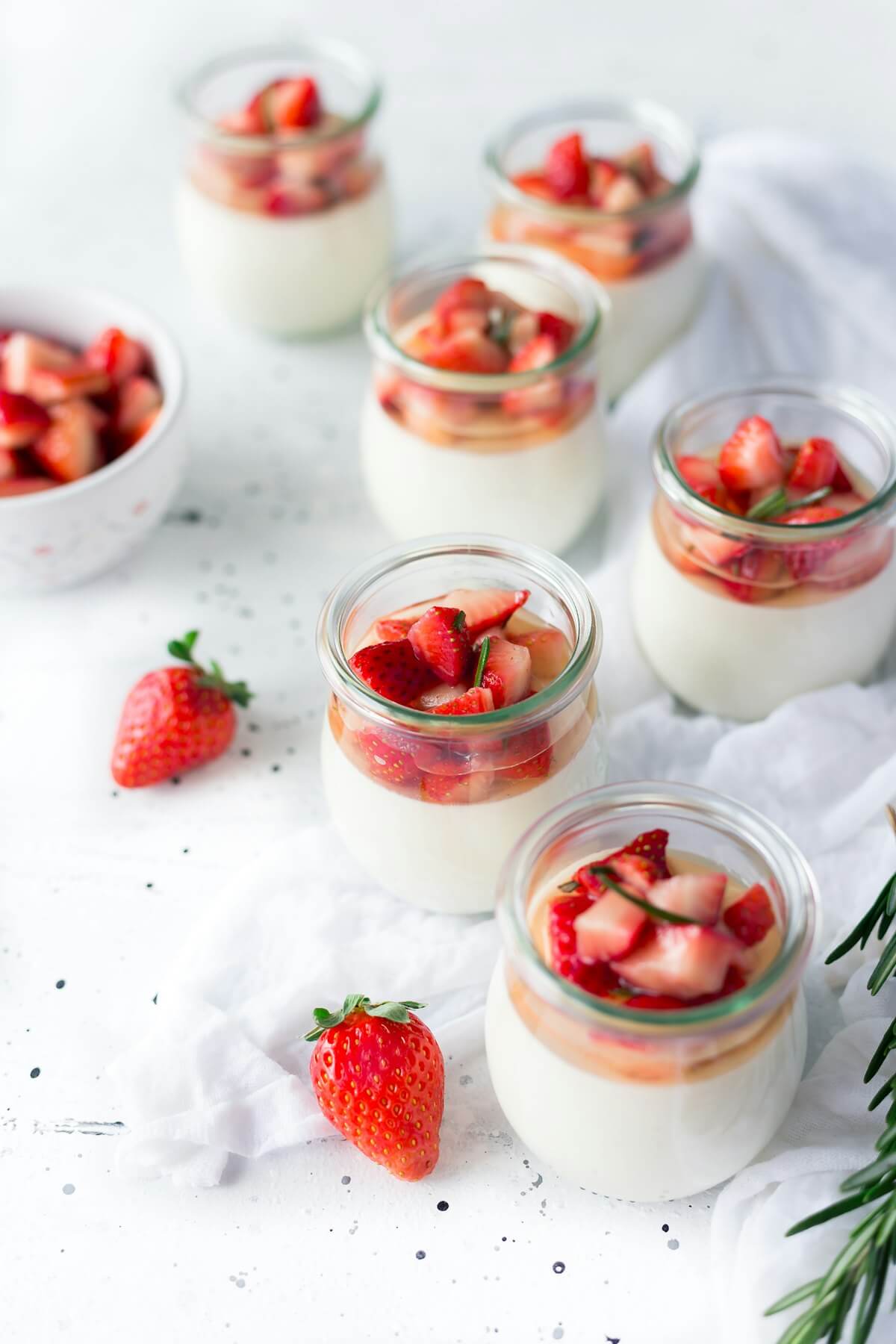
| Cultured Dairy | Pasteurized plain Greek yogurt, kefir, cottage cheese | Calcium, bioavailable protein, live probiotics | Layered in a greek yogurt parfait with fresh berries. |
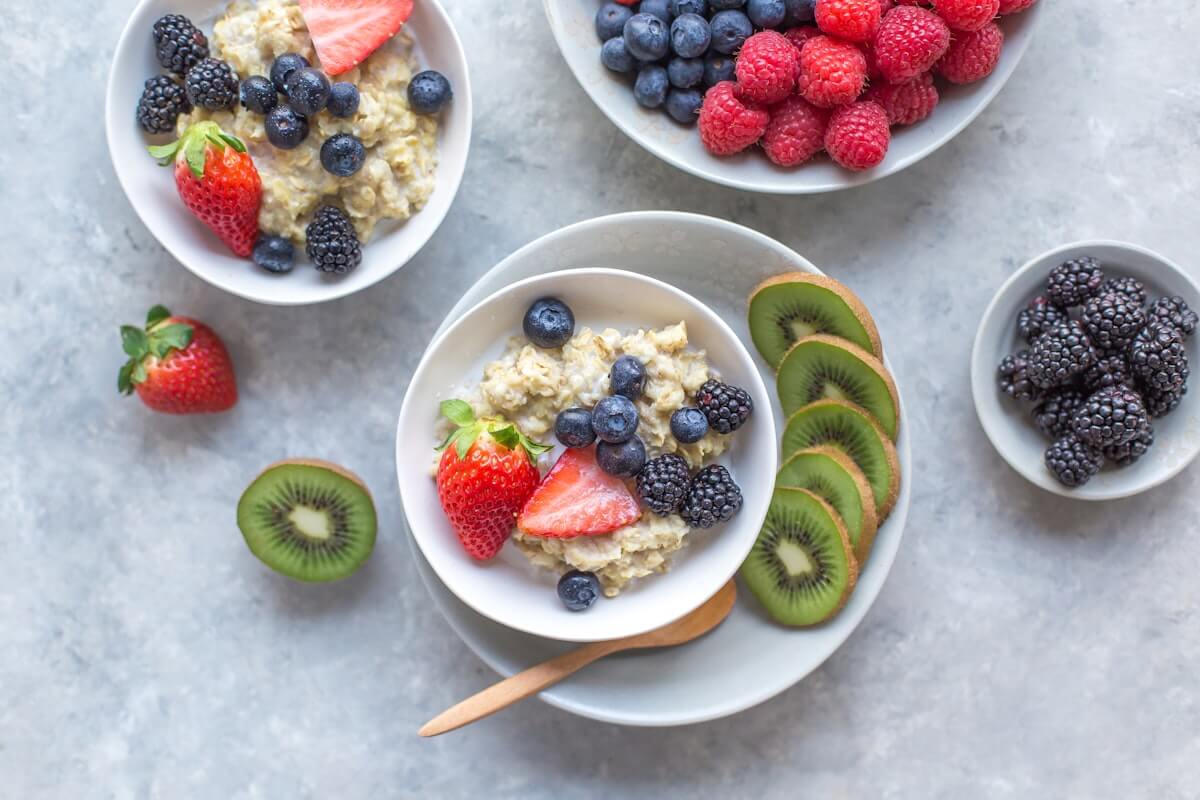
| Intact Whole Grains | Rolled oats, steel-cut oats, quinoa, brown rice, farro | B-complex vitamins, zinc, slow-burning complex carbs | Batch-cooked overnight oats with berries. |
Smart snacking strategies for pregnancy
When appetite drops due to nausea or stomach compression, nutrient-dense snacks keep blood sugar steady and prevent dizzy spells. Keep these grab-and-go options stocked:
- Apple Slices with Natural Almond Butter: Delivers sweet crunch, soluble pectin, and healthy monounsaturated fats.
- Pasteurized Greek Yogurt with Berries and Chia: Packed with 15g of protein, bone-building calcium, and antioxidant anthocyanins.
- Trail Mix of Raw Walnuts, Pumpkin Seeds, and Unsweetened Cranberries: Provides zinc, magnesium, and plant-based ALA omega-3s.
- Steamed Edamame with Sea Salt: A 1-cup portion provides 18 grams of complete plant protein and 8 grams of digestive fiber.
What fails: 5 common pregnancy nutrition pitfalls
- Skipping egg yolks out of habit: Discarding the egg yolk eliminates virtually all of the egg's choline, lutein, and vitamin B12. Eat the whole egg, ensuring both white and yolk are cooked until firm to prevent Salmonella risk.
- Consuming unpasteurized juices or raw sprouts: Freshly squeezed unpasteurized juices and raw alfalfa or clover sprouts present high risks for E. coli and Salmonella contamination. Sprout seeds require warm, humid conditions to germinate—the exact environment where bacteria thrive. Cook sprouts thoroughly or avoid them entirely during pregnancy.
- Relying exclusively on prenatal gummies: Many prenatal gummy vitamins omit calcium, iron, and choline entirely because these minerals are bulky and have a metallic taste that ruins gummy texture. Always check your supplement label and rely on real food (eggs, dairy, lentils, leafy greens) to supply these crucial building blocks.
- Drinking excessive commercial fruit juices for hydration: Sipping large glasses of commercial apple, grape, or orange juice spikes blood sugar rapidly without providing intact fiber, increasing gestational diabetes risk. Hydrate with water, lemon-infused sparkling water, or unsweetened herbal teas.
- Ignoring the importance of iodine: Maternal iodine deficiency impairs fetal thyroid hormone synthesis and neurodevelopment. Ensure you use iodized salt rather than un-iodized specialty sea salts, and include cooked low-mercury seafood and dairy in your weekly rotation.
Frequently asked questions
How many extra calories do I actually need during pregnancy?
During the first trimester, you do not need extra calories unless advised by your doctor for underweight status. In the second trimester, aim for an additional 300 to 350 calories per day. In the third trimester, increase intake by approximately 450 calories per day. Focus on nutrient quality: 300 calories is easily achieved with a cup of Greek yogurt with walnuts and berries.
Is it safe to follow a vegetarian or vegan diet during pregnancy?
Yes, but careful planning is essential. Plant-based mothers should work with a registered dietitian to ensure adequate intake of vitamin B12, bioavailable iron, zinc, iodine, choline, calcium, and microalgae-derived DHA. Rely heavily on lentils, calcium-set tofu, tempeh, hemp seeds, and fortified plant milks.
What should I do if I cannot tolerate vegetables during early pregnancy?
First-trimester food aversions are normal and biologically protective. If green vegetables trigger nausea, do not force them. Focus on bland, nutrient-dense alternatives: blend mild baby spinach into cold fruit smoothies, eat cold watermelon or apples, and lean on fortified whole grains and lentils until your appetite normalizes in the second trimester.
How can I build an automated grocery list for pregnancy meal prep?
Streamline your weekly shopping with our free kitchen tools. Use our meal plan generator to organize your recipes, export your ingredients into an aisle-organized shopping trip with our grocery list generator, and discover creative dinners for your pantry staples with our leftover finder.
Helpful resources from Tap Baby Care
For pregnancy tracking and newborn planning, Tap Baby Care provides trusted free clinical tools and guides:
- Getting pregnant hub and Pregnancy hub.
- Due date calculator, Ovulation calculator, and Pregnancy weight gain calculator.
- Kick counter, Contraction timer, Hospital bag checklist, and Birth plan tool.
- Newborn essentials checklist and Baby hub for life after delivery.
- Tap Baby Care blog with evidence-based articles on pregnancy and maternal wellness.
Educational content only — not medical advice. Consult your OB-GYN, midwife, or care team.