Recipe Planning
In a culture hyper-focused on weight loss, people who struggle to gain weight or build muscle are frequently overlooked. Whether recovering from illness, managing a naturally hyper-metabolic ectomorphic physiology, navigating senior frailty, or training for athletic mass, "hardgainers" face real physiological hurdles. Being told to "just eat more" is unhelpful when early satiety, lack of appetite, and gastrointestinal fullness make consuming large volumes of food physically uncomfortable.
Healthy weight gain is not about "dirty bulking"—bingeing on deep-fried fast food, ultra-processed pastries, and sugary drinks that promote visceral adiposity, elevate systemic inflammation, and trigger cardiovascular risk. The secret to healthy, lean mass accretion is maximizing caloric density per volume of whole food: incorporating energy-rich, nutrient-dense ingredients (raw nuts, nut butters, avocados, cold-pressed oils, whole grains, and liquid nutrition) that deliver calories without triggering premature gastric fullness. This comprehensive 7-day meal plan shows you how to establish a sustainable caloric surplus of 300 to 500 kcal per day to fuel muscle hypertrophy and vitality.
Important: This guide is for general meal-planning ideas, not medical advice. Unintentional rapid weight loss, chronic low appetite, or difficulty swallowing should always be evaluated by a physician to rule out underlying medical conditions (such as hyperthyroidism, celiac disease, or inflammatory bowel disease).
The physiological rules of lean caloric surplus
To ensure that weight gain translates primarily into functional lean muscle mass rather than excess fat deposition, adhere to these three nutritional principles:
- Caloric Density Over Sheer Food Volume: If you try to gain weight solely by eating massive bowls of chicken breast and broccoli, you will fail; the fiber and water volume will trigger gastric fullness long before you reach a caloric surplus. Instead, increase the energy density of your meals by layering in healthy fats: drizzle 2 tablespoons of extra virgin olive oil over grains, stir almond butter into oats, and blend avocado into smoothies.
- The Liquid Calorie Advantage: Liquids bypass oral mastication and empty through the pyloric sphincter significantly faster than solid foods, generating substantially less satiety signaling in the brain. Incorporating one to two nutrient-dense whole-food smoothies daily (milk, protein powder, rolled oats, banana, peanut butter, chia seeds) delivers 600 to 800 easy calories without leaving you uncomfortably stuffed for dinner.
- Fueling Frequency & Digestive Pacing: Trying to consume 3,500 calories in two giant meals overwhelms pancreatic enzyme production and gastric capacity. Spacing nutrition across 3 main meals and 2 to 3 dense snacks every 3 to 4 hours maintains a continuous influx of amino acids and glucose to support cellular anabolism.
7-Day weight gain meal plan
This 7-day template delivers energy-rich, nutrient-dense breakfasts, lunches, dinners, and snacks. Scale portions easily for your personal calorie targets using our free servings scaler.
| Day | Breakfast (High-Calorie) | Lunch (Energy-Dense) | Dinner (Hypertrophy Support) | Dense Snack / Smoothie |
|---|---|---|---|---|
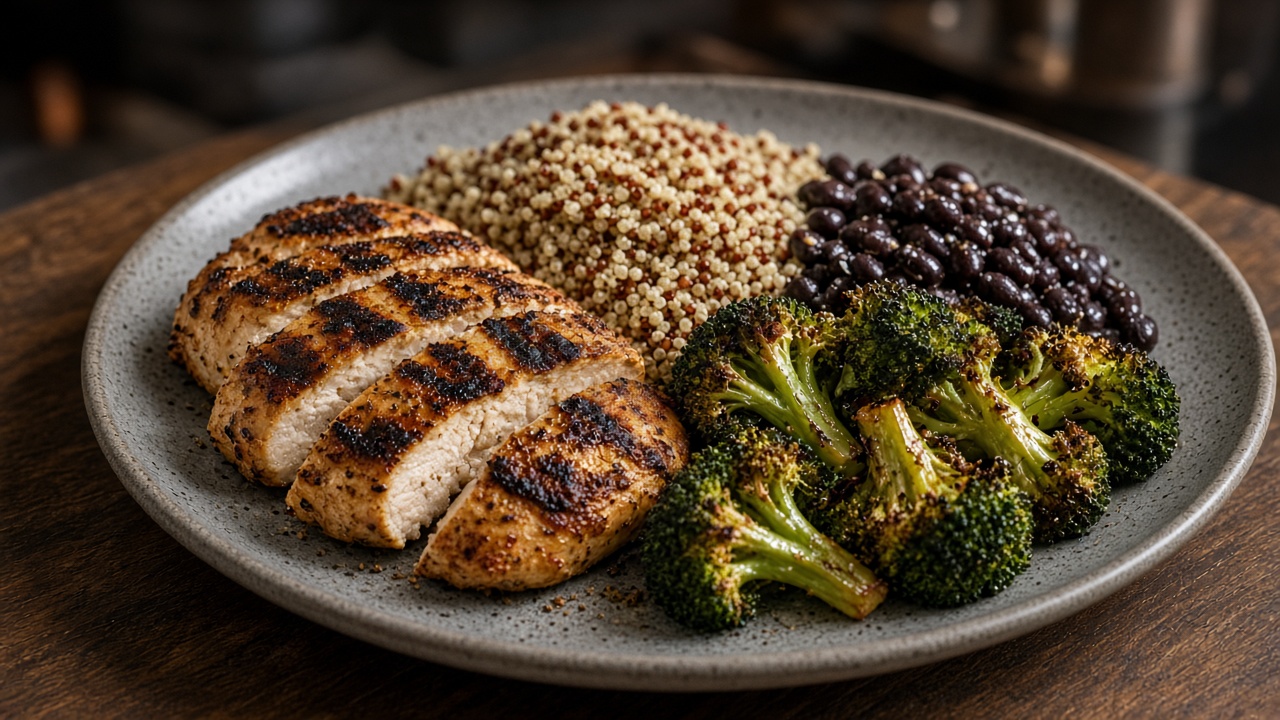
| Monday | Warm rolled oats simmered in whole milk with 2 tbsp peanut butter, sliced banana, and hemp seeds | Mediterranean chicken and quinoa bowl with avocado, kalamata olives, feta, and extra virgin olive oil | Rich creamy mushroom chicken served over buttered egg noodles and green beans | Smoothie: whole milk, 1 scoop whey/plant protein, 1/2 cup oats, 1 tbsp honey, and frozen blueberries. |
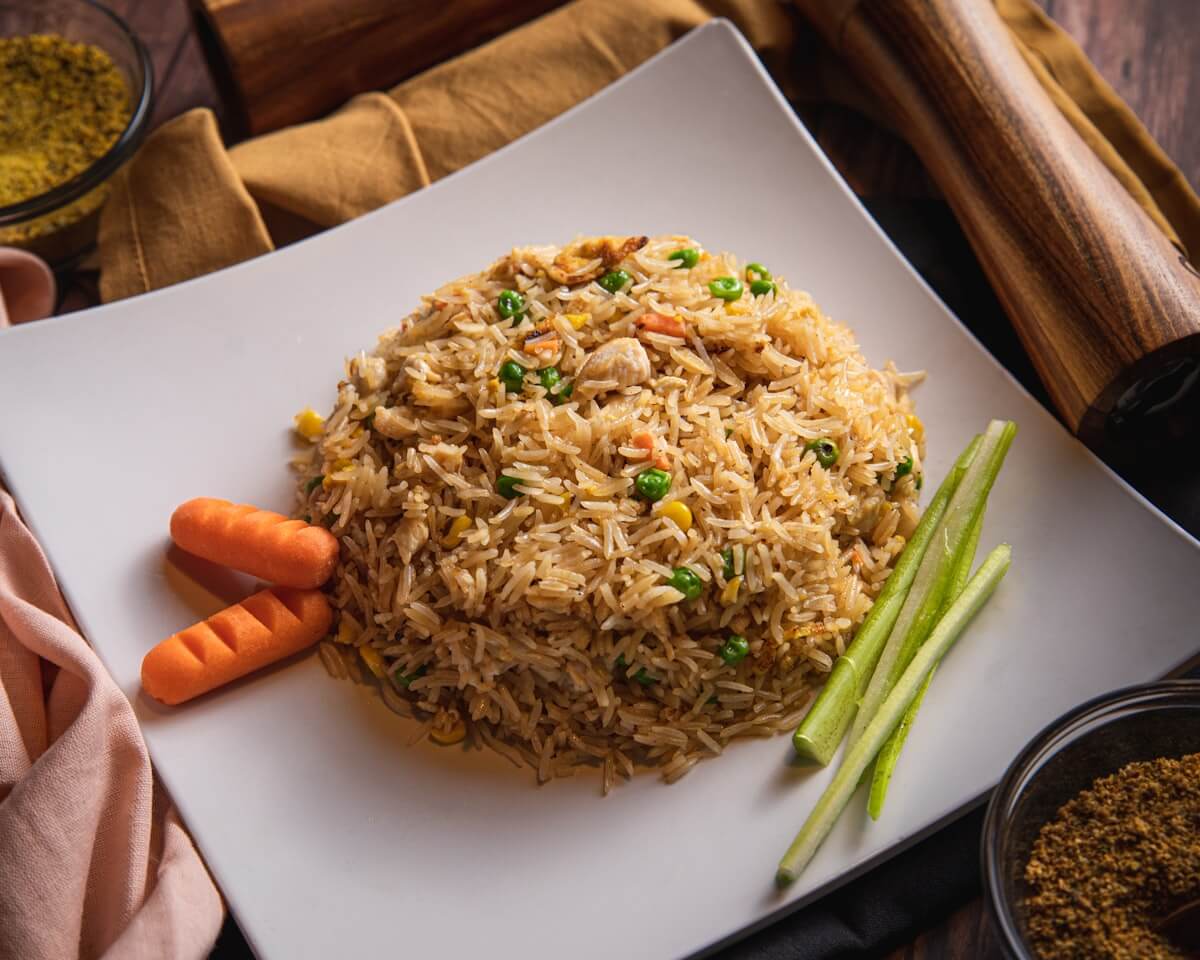
| Tuesday | Three whole eggs scrambled with cheddar cheese, diced avocado, and 2 slices sprouted whole-grain toast | Hearty chicken fried rice lunch bowl with scrambled eggs, chicken thighs, and sesame oil | Hearty beef and broccoli stir-fry served over a double portion of jasmine rice | Whole-milk Greek yogurt bowl with granola, raw walnuts, and sliced honeycrisp apple. |
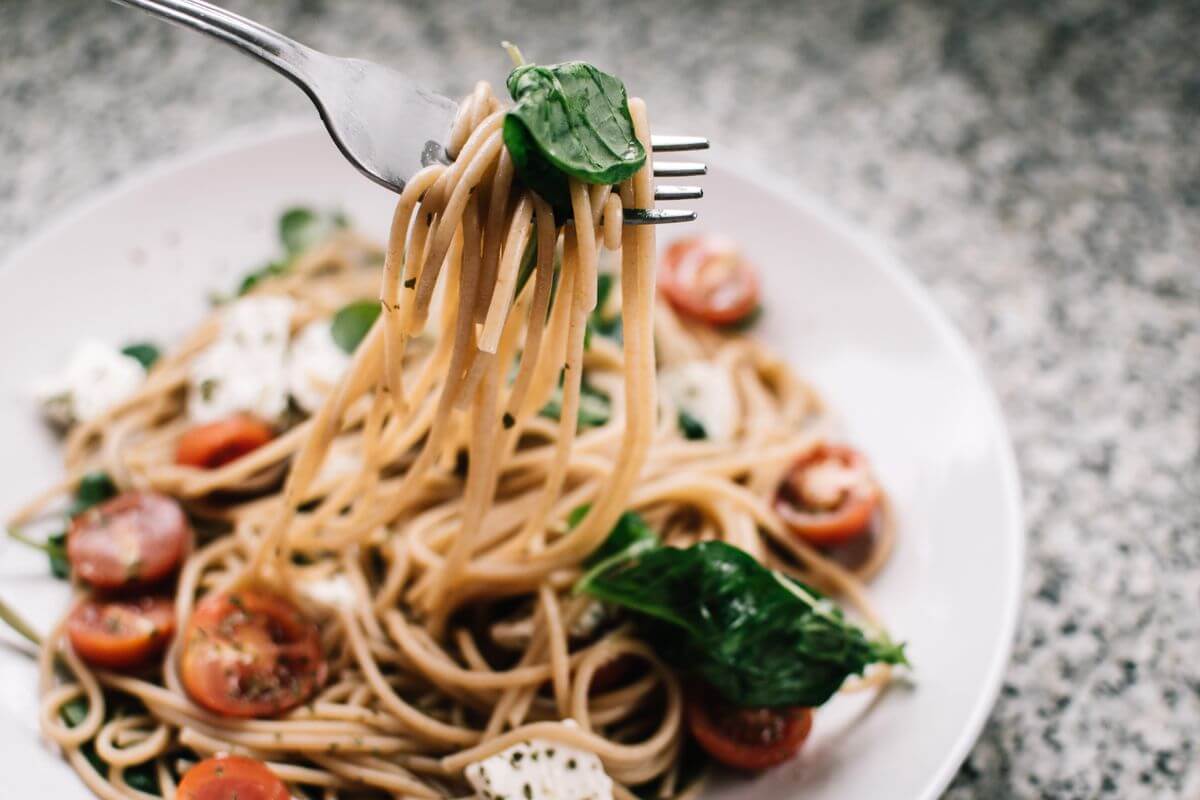
| Wednesday | Bagel with cream cheese, smoked salmon, sliced cucumber, and capers with a glass of orange juice | Leftover beef and broccoli stir-fry with a side of steamed edamame | Comforting mushroom and spinach pasta with grilled chicken breast and parmesan | Handful of raw almonds, dried apricots, and dark chocolate squares. |
| Thursday | Oatmeal cooked in soy milk with 2 tbsp almond butter, ground flaxseed, and diced stewed cinnamon apples | Whole-grain wrap stuffed with flaked tuna in olive oil, avocado spread, and cheddar cheese | Flaky oven-baked salmon fillet with garlic mashed sweet potatoes and roasted asparagus | Smoothie: oat milk, banana, 2 tbsp sunflower seed butter, cocoa powder, and protein powder. |
| Friday | Three-egg vegetable frittata with diced potatoes, bacon or turkey bacon, and goat cheese | Leftover mushroom and spinach pasta with a side salad drizzled with olive oil | Lean ground beef or bison chili with kidney beans, topped with diced avocado and crushed tortilla chips | Cottage cheese (4% fat) with pineapple chunks and toasted pumpkin seeds. |
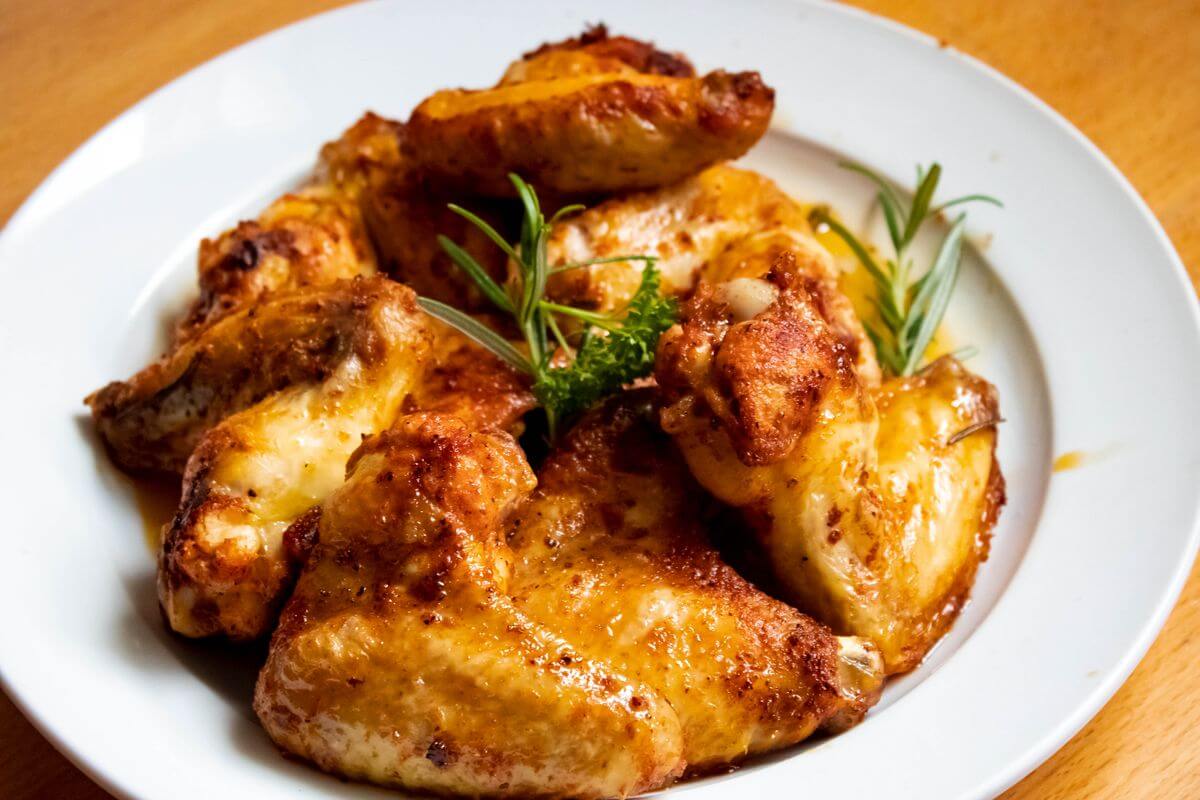
| Saturday | Buckwheat pancakes topped with pure maple syrup, sliced bananas, and a generous scoop of nut butter | Leftover beef chili served over baked jacket potatoes with sour cream | Juicy grilled chicken thighs with roasted rosemary baby potatoes and butter-glazed carrots | Two whole-grain toasts with natural peanut butter, chia seeds, and sliced strawberries. |
| Sunday | Breakfast burrito: scrambled eggs, black beans, cheddar cheese, avocado, and salsa in a large tortilla | Quinoa and roasted sweet potato bowl with shredded chicken thighs and lemon tahini dressing | Slow-baked cod or haddock with stewed Mediterranean tomatoes, kalamata olives, and farro | Homemade trail mix: raw cashews, walnuts, pumpkin seeds, and dark chocolate chips. |
Smart grocery swaps for easy caloric density
Upgrading your kitchen for healthy weight gain requires swapping low-calorie diet foods for nutrient-rich, calorie-dense whole foods:
- Skim Milk → Whole Milk or Soy Milk: Upgrades calories from 80 kcal to 150 kcal per cup while providing fat-soluble vitamins A and D.
- Chicken Breasts → Chicken Thighs: Skinless chicken thighs deliver roughly 30% more calories, higher bioavailable zinc, and stay remarkably juicy when reheated.
- White Potatoes → Sweet Potatoes or Buttery Yukon Golds: Mash potatoes with extra virgin olive oil, whole milk, or grass-fed butter to increase energy density effortlessly.
- Water-Based Smoothies → Milk-and-Nut Butter Smoothies: Blending with milk, oats, and 2 tablespoons of peanut butter adds 400 to 500 nutrient-rich calories without increasing fluid volume.
What fails: 5 common weight gain pitfalls
- "Dirty bulking" on fast food and sugary bakery goods: Consuming massive amounts of trans fats, refined sugars, and commercial fried foods causes rapid visceral fat accumulation, hepatic steatosis (fatty liver), and insulin resistance rather than muscular hypertrophy. Build your surplus on whole, nutrient-dense foods.
- Eating only 1 or 2 giant meals per day: Intermittent fasting makes healthy weight gain extraordinarily difficult. If you must consume 3,200 calories in a 6-hour window, you will experience severe digestive sluggishness and fatigue. Eat regularly every 3 to 4 hours.
- Neglecting progressive resistance training: A caloric surplus without resistance exercise signals the body to store extra energy as adipose fat tissue. Lifting weights 3 to 4 times weekly with progressive overload directs those surplus calories and amino acids toward muscle protein synthesis.
- Over-relying on water before meals: Drinking 24 ounces of water right before sitting down to dinner distends the stomach and dampens appetite. Drink fluids throughout the day between meals, and keep drinks moderate during mealtime.
- Inconsistent weekend eating: Many people eat in a caloric surplus Monday through Thursday, but sleep in, skip meals, and under-eat on Saturday and Sunday, completely erasing their weekly caloric surplus. Maintain consistent eating schedules 7 days a week.
Frequently asked questions
How fast should I expect to gain weight?
For sustainable lean muscle accretion with minimal fat gain, aim for a rate of 0.5 to 1 pound (0.25 to 0.5 kg) per week (roughly 2 to 4 pounds per month). Gaining faster than this usually indicates excess adipose tissue accumulation or fluid retention.
What should I do if I feel too full to eat?
If solid food fullness is overwhelming, rely on liquid calories: drink a homemade smoothie, consume whole milk or fortified plant milk, add an extra tablespoon of olive oil to warm pasta, or snack on handfuls of raw macadamia nuts and cashews, which pack high calories into tiny, easily chewable portions.
Do I need to take mass gainer supplement powders?
No. Commercial "mass gainer" powders are notoriously expensive and consist mostly of cheap maltodextrin (refined corn starch) and artificial flavorings that cause extreme blood sugar spikes and bloating. A homemade shake made from milk, whey or plant protein, rolled oats, banana, and natural peanut butter is far more nutritious, tastes better, and costs a fraction of the price.
How can I automate my weekly weight gain meal planning?
Cooking at home is easy when your kitchen is organized around repeatable whole foods. Use our free meal plan generator to customize weekly recipes, build an aisle-organized shopping trip with our grocery list generator, and check recipe ingredients with our diet and allergy checker.