Recipe Planning
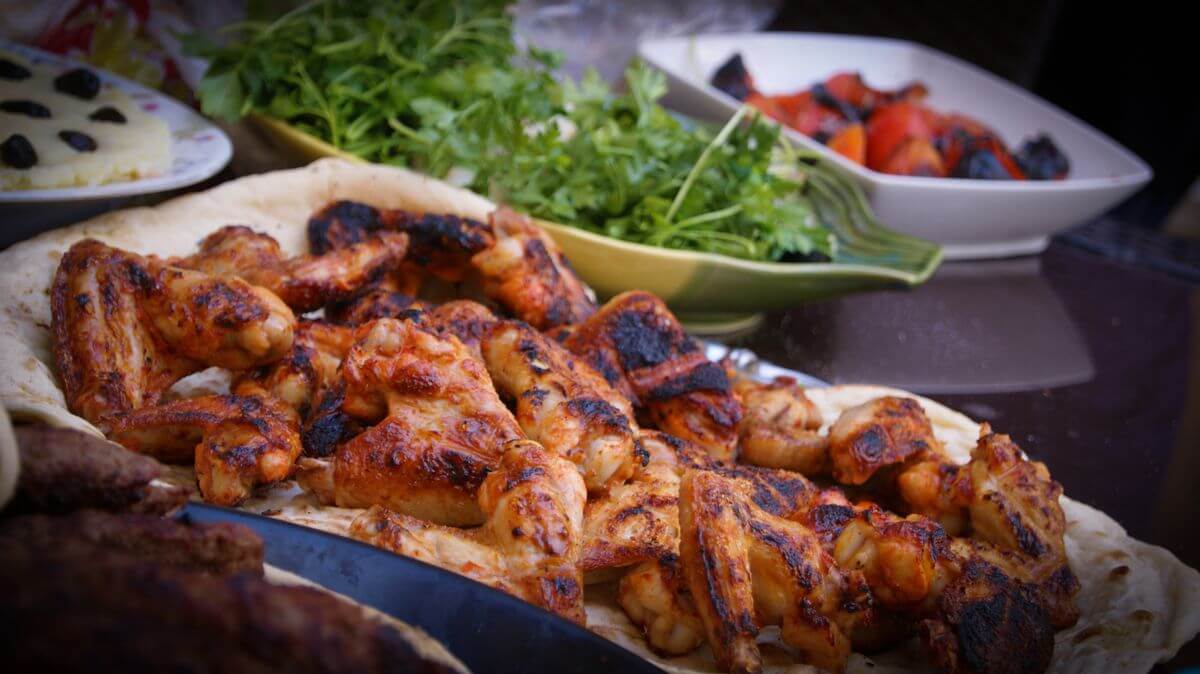
Sunday batch cooking is the single most effective habit for reclaiming weeknight sanity, controlling grocery inflation, and eliminating the chronic 6:00 PM question: "What are we having for dinner?" Yet most home cooks abandon batch cooking within three weeks. Why? Because the conventional advice teaches you to cook five identical plastic containers of boiled chicken, plain broccoli, and dry brown rice. By Wednesday afternoon, opening the refrigerator feels like a culinary punishment, and by Thursday evening, you find yourself ordering expensive takeout while four days of rubbery leftovers spoil on the bottom shelf.
True meal-prep longevity relies on a completely different strategy: modular component batch cooking. Instead of cooking finished, assembled plates that deteriorate in texture and lock you into repetitive meals, you spend two synchronized hours on Sunday preparing four versatile, high-flavor foundations: one high-yield protein, one sturdy pot of grains, one rich simmering sauce or legume curry, and two sheet pans of high-heat caramelized vegetables. With these four pillars standing in your refrigerator, weeknight cooking transforms from a 60-minute scramble into an eight-minute assembly job. This comprehensive guide delivers a minute-by-minute two-hour kitchen schedule, food safety rules for cooling and storage, a day-by-day meal assembly matrix, and the costly mistakes that ruin batch meals.
The Component Philosophy: Why Modular Prep Beats Finished Meals
When you cook complete meals—such as a chicken Alfredo pasta bake or beef stew with potatoes—the ingredients undergo continuous chemical osmosis in the refrigerator. Sauces thin out or turn gelatinous, starches absorb excess moisture and turn to mush, and delicate greens oxidize. More importantly, your psychological appetite shifts daily. A meal that sounded appetizing on Sunday afternoon might feel uninspiring on a rainy Wednesday night.
Component prep solves both the textural and psychological flaws of traditional meal prepping:
- Flavor Flexibility: A batch of shredded lemon-herb chicken breast or thighs can become a Mediterranean grain bowl on Monday, a spiced taco bowl on Tuesday, a creamy curry topper on Wednesday, and a crisp vegetable stir-fry on Thursday.
- Textural Integrity: By storing crunchy roasted vegetables separately from simmering sauces and tender grains, each item preserves its distinct bite and mouthfeel when reheated.
- Zero Waste Scaling: If your schedule suddenly changes and you eat dinner with colleagues on Tuesday, loose components do not instantly spoil together. Individual components can be pivoted into quick lunches, frozen in single portions, or reinvented into weekend frittatas.
The Master Two-Hour Sunday Schedule (Minute-by-Minute)
The secret to finishing four days of meals in exactly 120 minutes is parallel station cooking. Inexperienced cooks work linearly—chopping one vegetable, cooking it, washing the pan, and then starting the next. Professional kitchens function by loading thermal reservoirs (ovens and slow simmers) first, utilizing passive cooking time to complete manual cutting board tasks.
| Time Window | Primary Kitchen Station | Actionable Tasks & Parallel Execution |
|---|---|---|
| 0:00 – 0:15 | Setup & Thermal Initiation | Preheat oven to 425°F (220°C). Clear cutting boards, wipe down countertops, and set out storage containers. Rinse 3 cups of basmati rice or quinoa in cold water, start on stovetop or electric rice cooker with broth and bay leaf. |
| 0:15 – 0:40 | Board Work & Marination | Dice onions, mince 1 head of garlic, and grate fresh ginger. Trim 2 lb (900 g) chicken thighs or tofu blocks; toss in olive oil, smoked paprika, dried oregano, garlic powder, salt, and black pepper. Halve carrots, chop broccoli florets, and slice bell peppers into sturdy 1-inch batons. |
| 0:40 – 0:50 | Loading Ovens & Dutch Ovens | Spread seasoned chicken thighs on one rimmed baking sheet. Spread chopped root vegetables across two baking sheets lined with parchment paper. Transfer all three trays into the hot oven. In a heavy-bottomed Dutch oven, heat oil over medium heat and sauté aromatics for your legume curry base. |
| 0:50 – 01:25 | Active Simmer & Passive Roasting | Add spices, canned crushed tomatoes, and 2 cans of drained chickpeas into the Dutch oven; reduce heat to medium-low and let simmer uncovered for 35 minutes. At the 25-minute mark, pull roasted vegetables when edges are caramelized. At the 35-minute mark, check chicken internal temp (165°F/74°C) and remove. Remove cooked grains from heat. |
| 01:25 – 01:45 | The Rapid Cooling Window | Do not seal hot food into airtight plastic lids. Spread hot rice and roasted vegetables in wide, shallow metal or glass baking dishes so steam escapes quickly. Allow food temperature to drop below 70°F (21°C) safely on countertops within 20 minutes without sweating inside airtight containers. |
| 01:45 – 02:00 | Portioning, Labeling & Clean-Up | Transfer components into designated glass containers. Slice half the chicken; shred the remainder for quick tacos or soups. Apply blue painter's tape labels with date and item name. Load cutting boards and pots into the dishwasher. Kitchen is clean; four days of dinners are locked in. |
The Four Foundation Components to Prep
To maximize variety and nutritional balance across Monday through Thursday, structure your Sunday prep around these four core pillars:
1. The Foundation Protein: Garlic-Herb Roasted Chicken or Marinated Tofu
Boneless, skinless chicken thighs are vastly superior to chicken breasts for batch cooking. Breast meat contains very little intramuscular fat and dries out aggressively when reheated on Tuesday or Wednesday. Thigh meat remains tender, juicy, and gelatinous through multiple reheating cycles. Toss 2 lb (900 g) of thighs with olive oil, lemon juice, smoked paprika, dried oregano, and crushed garlic. If you want a foolproof step-by-step recipe, follow our lemon herb chicken recipe. Plant-based cooks can substitute extra-firm pressed tofu cubes tossed in nutritional yeast, soy sauce, and garlic powder, baked at 400°F until golden and crisp.
2. The Complex Starch: Herb-Infused Fragrant Rice or Tricolor Quinoa
Plain boiled white rice is functional, but cooking grains with aromatics elevates every meal of the week. Cook 3 dry cups of aged basmati rice or rinsed tricolor quinoa in rich vegetable or chicken bone broth instead of tap water. Drop a split cardamom pod, one cinnamon stick, and a bay leaf into the pot. As the grains steam, they absorb essential savory depth without locking you into a single regional cuisine profile.
3. The Flavor Sauce & Legume Core: Simmered Chickpea Curry
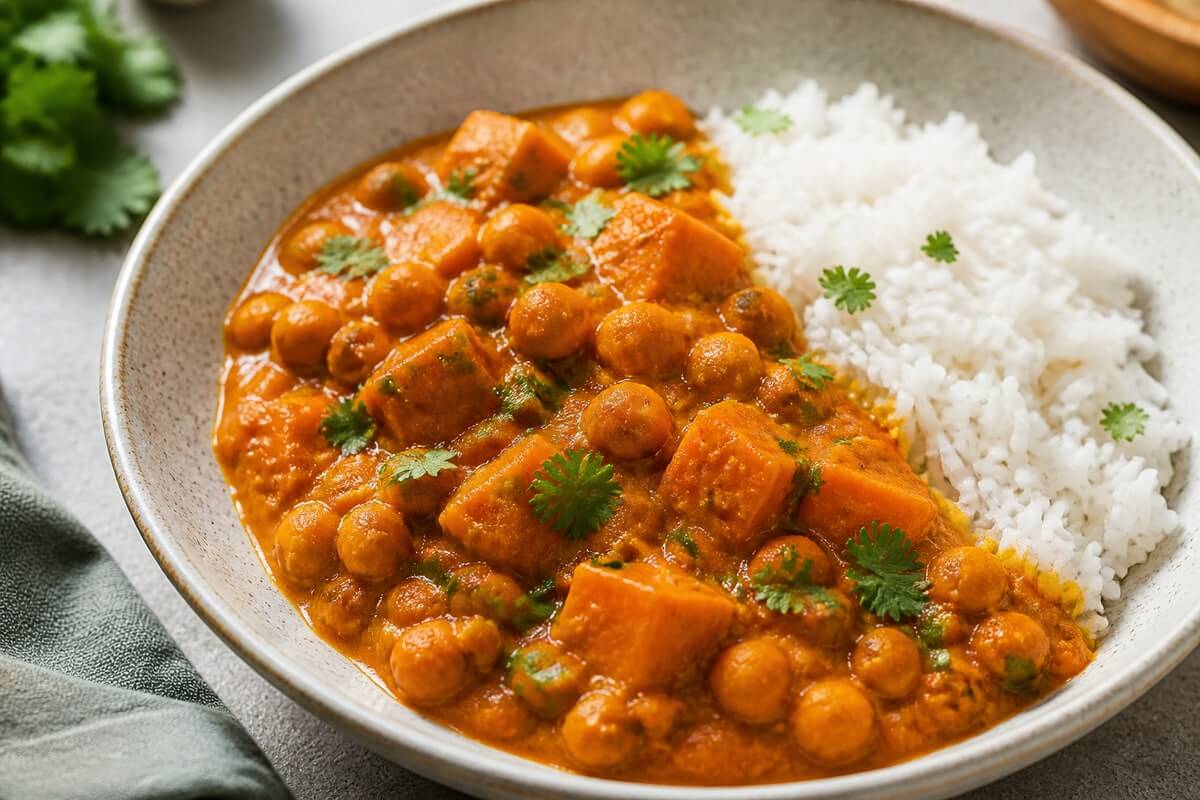
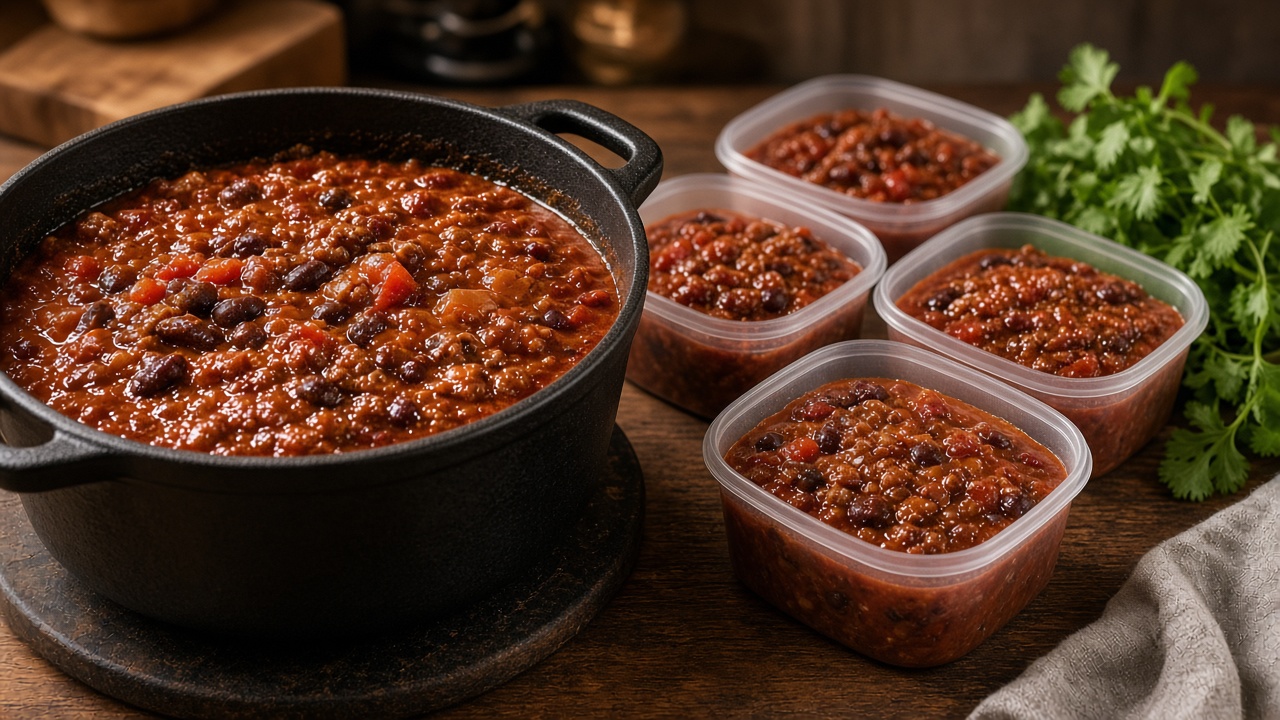
A simmering pot of spiced legumes serves a double duty: it provides an intensely comforting vegetarian dinner on Tuesday and functions as a luxurious, spoonable sauce for roasted proteins on Wednesday. Our fragrant chickpea and sweet potato curry or a pot of hearty lentil soup builds depth as it rests in the refrigerator. Spices like turmeric, cumin, coriander, and garam masala bloom over 48 hours, making the curry taste even richer on Wednesday than it did fresh out of the pot on Sunday afternoon.
4. The Caramelized Sheet-Pan Vegetables: High-Heat Roasted Medley
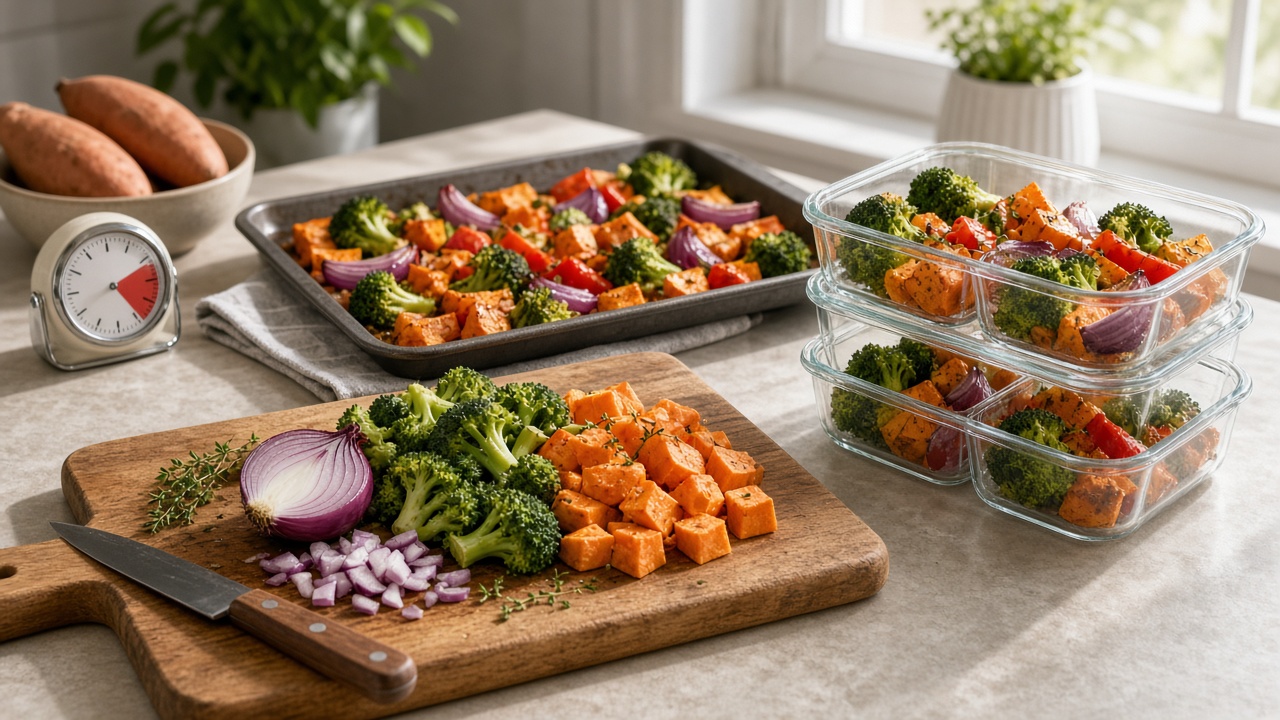
Water-heavy vegetables (like zucchini, squash, and spinach) turn watery and limp after 24 hours of refrigeration. For batch prep, choose sturdy, dense vegetables that develop sweetness through caramelization: carrots, broccoli crowns, cauliflower florets, bell peppers, and thick wedges of red onion. Toss with high-smoke-point oil (avocado or light olive oil), coarse kosher salt, and cracked black pepper. Roast at 425°F (220°C) until blistered at the edges. The high heat seals in moisture while preserving a tender-crisp core.
The 4-Day Dinner & Lunch Transformation Matrix
Here is how your four Sunday components seamlessly transform into four distinct weeknight dinners and four packed office lunches without cooking from scratch each evening:
| Day & Meal | Component Assembly | Fresh Flavor Additions & Finishing Touches | Prep Time |
|---|---|---|---|
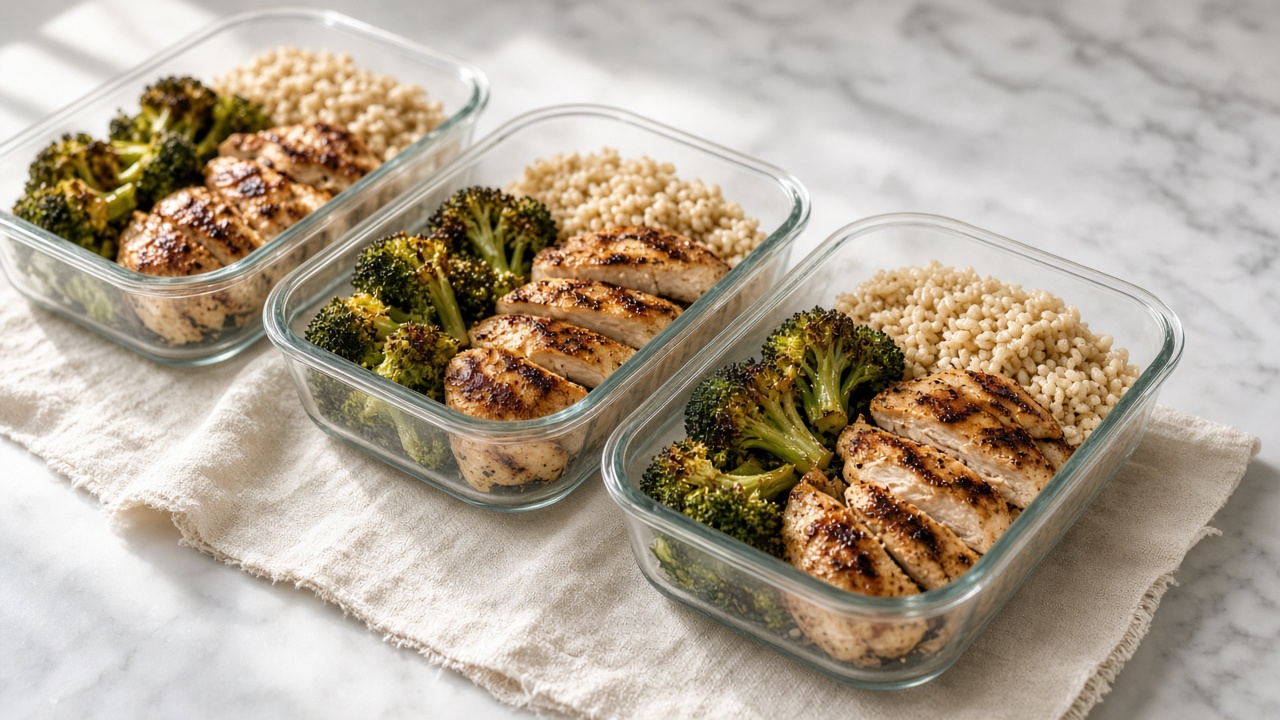
| Monday Dinner: The Classic Harvest Bowl | 1 cup herb basmati rice + 1 sliced roasted chicken thigh + 1 cup caramelized roasted vegetables. | Warm components in skillet or microwave; drizzle with fresh tahini-lemon dressing or yogurt garlic sauce; top with toasted pumpkin seeds. | 5 minutes |
| Tuesday Dinner: Cozy Spiced Chickpea Curry | 1.5 cups chickpea and sweet potato curry + 1 cup warm fragrant basmati rice. | Heat curry gently on stovetop; stir in a handful of fresh baby spinach until wilted; garnish with fresh cilantro leaves and a squeeze of lime juice. Serve with warm roti or naan. | 7 minutes |
| Wednesday Dinner: Pulled Spiced Chicken Naan Wraps | 1 cup shredded chicken thighs + 1/2 cup roasted bell peppers and onions. | Toss warm shredded chicken in a splash of warm curry sauce; pile onto toasted flatbread or pita; add crisp cucumber slices, pickled red onions, and cool mint raita. | 8 minutes |
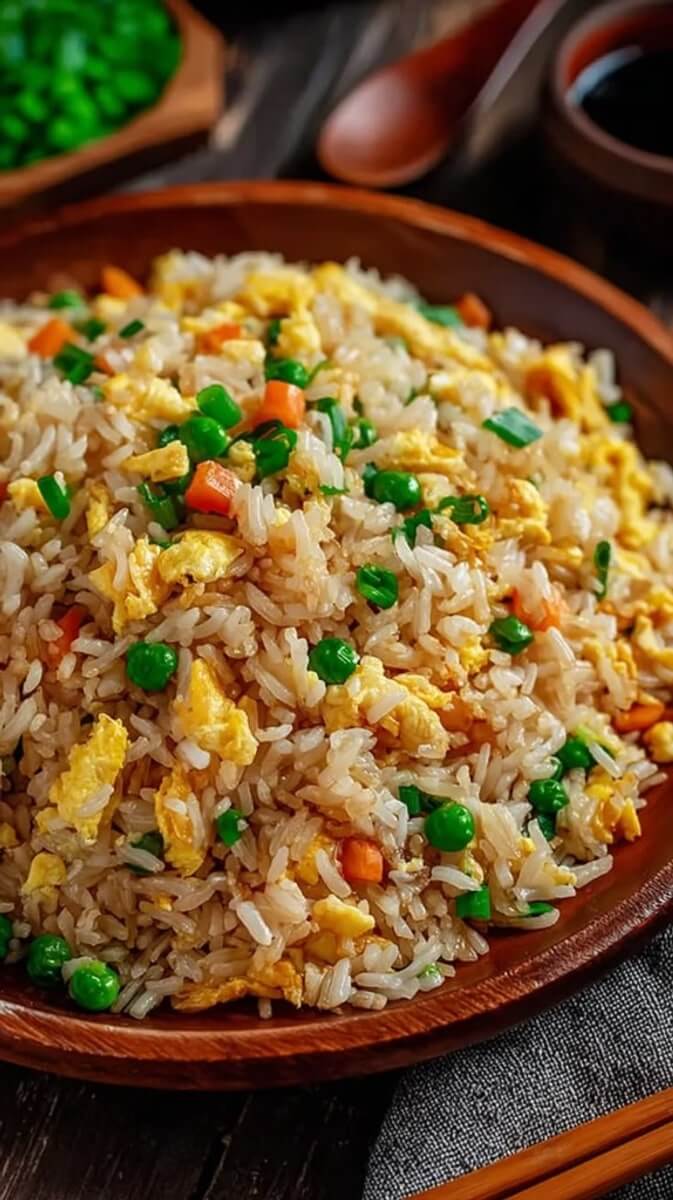
| Thursday Dinner: The Skillet Golden Rice Bowl | Final remaining rice + leftover roasted vegetables + 1/2 cup chickpeas. | Flash-fry rice and vegetables in a smoking hot skillet with sesame oil and a dash of soy sauce; push to side and fry two sunny-side-up eggs; top with chili crunch oil and scallions. | 10 minutes |
| Mon–Thu Lunches: Portable Protein Salads & Warm Jars | Divide grains, protein, and roasted veggies into 4 airtight glass bento containers. | Keep cold dressings in separate 2-oz condiment cups. Reheat at office microwave for 90 seconds, then drizzle dressing and crisp greens. | 2 min morning pack |
The Science of Safe Storage: Temperature Danger Zones and Shelf Life
Foodborne illness and premature spoilage occur when home cooks violate the USDA Temperature Danger Zone (40°F to 140°F / 4°C to 60°C). Bacteria such as Staphylococcus aureus, Salmonella, and Bacillus cereus double in population every 20 minutes in warm conditions. Mastering safe storage science keeps your batch cooking clean, vibrant, and completely safe through Thursday:
1. The 2-Inch Shallow Container Rule
Never pack hot cooked food into deep plastic tubs. When a dense 5-quart pot of curry or a thick container of cooked rice is placed in a home refrigerator, the core temperature of the food can remain warm (above 70°F) for up to 8 hours, transforming the container into an incubation chamber. Always spread cooked proteins, grains, and curries into wide, shallow glass dishes where the food layer is no more than two inches thick. This allows cold air to penetrate the center within two hours.
2. The Bacillus Cereus Threat in Stored Rice
Raw rice naturally contains dormant bacterial spores of Bacillus cereus that survive boiling water. If cooked rice is left sitting at room temperature on the kitchen counter for hours, these spores germinate and produce heat-stable toxins that cannot be destroyed by microwave reheating. Always chill cooked grains rapidly: spread them on a shallow tray, let the visible steam blow off for 15 minutes, and refrigerate immediately.
3. Recommended Refrigeration & Freezing Timelines
- Cooked Poultry & Meats: Safe in the refrigerator (below 38°F / 3.3°C) for 3 to 4 days. If prepping for Friday or the weekend, immediately freeze half the cooked meat on Sunday evening.
- Cooked Grains (Rice & Quinoa): Best consumed within 4 days. Grains freeze exceptionally well: portion 1-cup blocks into freezer bags, press flat, and freeze for up to 3 months.
- Simmered Bean Curries & Soups: Last comfortably for 4 to 5 days in the fridge. The acidity in tomato-based curries naturally inhibits bacterial proliferation.
- Roasted Root Vegetables: Maintain excellent texture for 4 days. Avoid freezing roasted vegetables, as freezing ruptures vegetable cell walls and produces mushy textures upon thawing.
Essential Equipment for Frictionless Batch Prepping
You do not need an industrial kitchen, but investing in five targeted tools eliminates frustration and cuts your cleanup time by half:
- Commercial Half-Sheet Rimmed Baking Pans: Standard flimsy grocery store cookie sheets buckle under high heat and crowd food, causing vegetables to steam instead of roast. Heavy-gauge 18x13-inch aluminum half-sheet pans distribute heat evenly for golden caramelization.
- Glass Food Storage Containers with Locking Silicone Lids: Glass is non-porous, does not stain from turmeric or tomato curries, and can transition straight from the refrigerator into the microwave or oven.
- Unbleached Parchment Paper Sheets: Pre-cut parchment sheets fit half-sheet pans perfectly. They prevent chicken and vegetables from sticking and reduce sheet pan cleanup to a 10-second wipe.
- Instant-Read Digital Thermometer: Stop slicing chicken thighs in half to check for pinkness, which dumps out flavorful juices. An instant-read probe confirms the safe 165°F (74°C) threshold in two seconds.
- Roll of Blue Painter's Masking Tape & Permanent Marker: Every professional kitchen labels container contents and dates. Blue painter's tape peels off glass cleanly without leaving gummy adhesive residue in your dishwasher.
What Fails: 5 Costly Batch-Cooking Mistakes to Avoid
Avoid these five common pitfalls that cause cooks to ditch their weekly prep routine:
- Pre-Dressing Salads and Greens: Never combine delicate greens (arugula, baby spinach, crisp romaine) with warm proteins or oily dressings days in advance. Acidic dressings break down plant cell membranes within 3 hours, leaving an unappealing slime. Store greens and dressings bone-dry in separate containers until the moment of serving.
- Over-Salting the Base Components: When food rests in the refrigerator, moisture evaporates, concentrating salt levels. If you heavily salt your chicken, your grains, your curry, and your vegetables on Sunday, assembling them together on Wednesday creates an aggressively salty plate. Season with restraint during Sunday prep, and add flaky sea salt, fresh lemon juice, or herbs at the table.
- Stacking Hot Containers Directly in the Fridge: Stacking warm glass containers on top of each other insulates the centers and prevents heat dissipation. Keep containers separated on refrigerator shelves during the first 4 hours of chilling to facilitate airflow.
- Choosing the Wrong Cooking Oils: Roasting vegetables at 425°F with extra virgin olive oil causes the oil to break down past its smoke point, generating bitter compounds and smoke. Use avocado oil, refined olive oil, or ghee for high-heat oven roasting, saving delicate extra virgin oils for finishing dressings.
- Cooking Monochromatic Flavors: If your chicken, grain, and vegetables all share the same garlic-onion profile, your palate will be exhausted by Tuesday night. Pair sweet roasted root vegetables with an earthy savory curry and a bright, lemony-oregano protein. Contrast in acidity, sweetness, and heat keeps leftovers thrilling.
Streamline Your Weekly Batch Prep with Smart Digital Tools
Planning your Sunday batch session does not require scribbling notes on scraps of paper. Use our free interactive tools to automate your meal architecture:
- Plan four days of cohesive recipes tailored to your household size with our meal plan generator.
- Instantly convert your component plan into a consolidated, aisle-sorted shopping list using the grocery list generator.
- Scaling up for a family of six or down for one? Scale ingredient weights perfectly with the servings scaler.
- Have odd vegetable odds and ends left over on Thursday? Plug them into the leftover finder to generate quick skillet dinners.
Frequently Asked Questions
How long do cooked chicken thighs stay fresh compared to chicken breasts?
Both cooked chicken thighs and breasts remain safe to eat for 3 to 4 days when stored in an airtight container at or below 38°F (3.3°C). However, chicken thighs retain significantly better culinary quality. Due to their higher collagen and intramuscular fat content, thighs do not suffer from the stringy, cardboard texture that dried-out chicken breast develops after 48 hours of refrigeration.
Is it safe to reheat batch-cooked rice more than once?
No. Reheat cooked rice only once. If you cook a large container of rice, portion out only the exact amount you plan to consume for that meal and heat that portion until steaming hot (at least 165°F / 74°C). Reheating the entire container, letting it cool, and putting it back in the fridge drastically multiplies the risk of Bacillus cereus food poisoning.
How do I keep roasted vegetables from turning soggy by day three?
To preserve crisp edges, roast vegetables at high heat (425°F / 220°C) on well-spaced baking sheets—if the pan is overcrowded, the vegetables steam rather than roast. After cooking, let them cool completely on an open baking sheet before transferring them to glass storage containers. When reheating on Wednesday or Thursday, skip the microwave and flash-heat them in an air fryer at 380°F for 3 minutes or in a hot dry skillet.
Can I safely freeze glass meal prep containers?
Only if the containers are made of thermal-shock-resistant borosilicate glass and you leave at least 1/2 inch of headspace at the top. Liquids and moisture-rich stews expand as they freeze; in standard soda-lime tempered glass or overfilled containers, this expansion will shatter the glass. For freezer storage, silicone bags or freezer-safe BPA-free plastic containers are often the safer choice.