Recipe Planning
Every active individual has experienced the consequences of improper pre-workout fueling: either training on an empty stomach and hitting a wall of trembling hypoglycemia 20 minutes in, or eating the wrong meal too close to exercise and spending the workout battling gastrointestinal reflux, nausea, and sluggish fatigue. Your digestive system and your working skeletal muscles are in direct competition for blood flow: during high-intensity training, cardiac output shifts toward working limbs, drastically reducing splanchnic blood flow to the stomach and intestines.
Optimal pre-workout nutrition is fundamentally an exercise in digestive transit timing and carbohydrate bioavailability. What you eat 3 hours before exercise should look radically different from what you eat 30 minutes before stepping into the gym. By tailoring the ratio of carbohydrates, proteins, fats, and dietary fibers to your specific digestive window, you deliver circulating glucose directly to working muscle tissue without leaving a heavy, unabsorbed food bolus in your stomach. This comprehensive guide outlines the four pre-workout fueling windows, top culinary recipes, and practical timing protocols for peak performance.
Important: This guide is for general meal-planning ideas, not medical advice. If you have diabetes, reactive hypoglycemia, gastrointestinal conditions, or take medications that affect blood pressure, consult your sports dietitian or physician before modifying pre-exercise fueling.
The four pre-workout timing windows
Structure your pre-training food intake according to how many minutes remain before your warm-up:
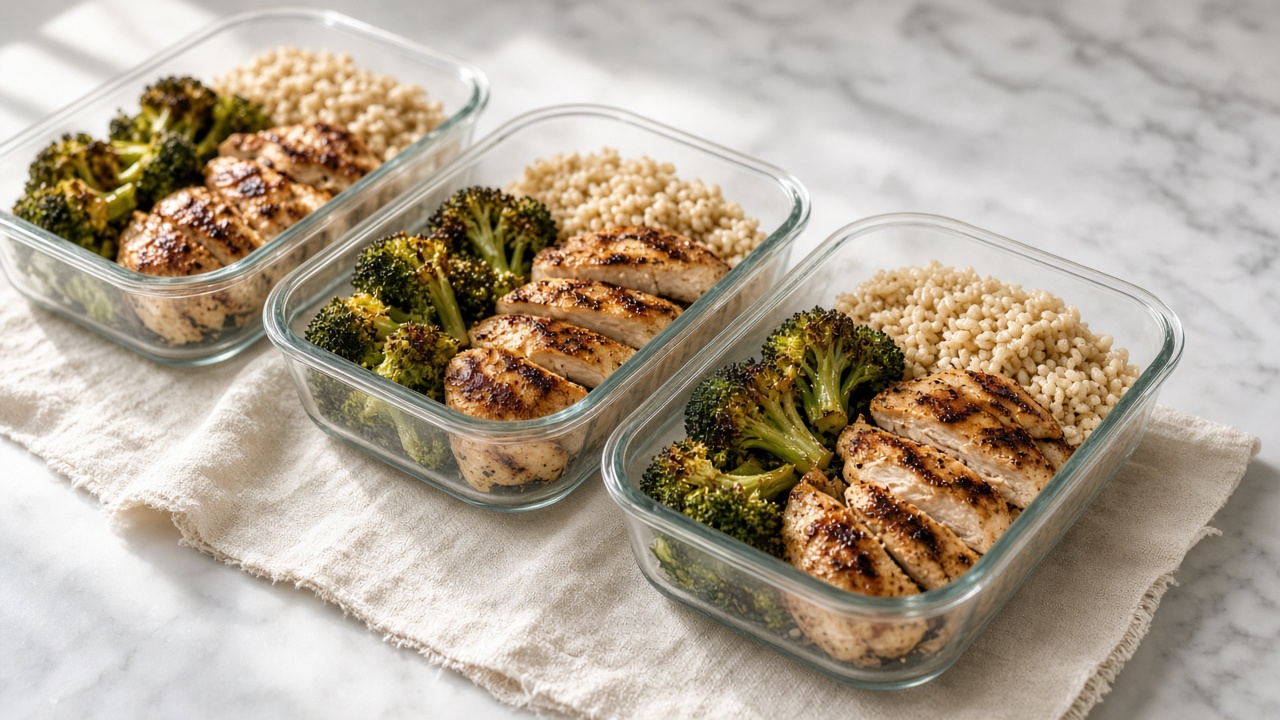
- The 3-to-4-Hour Window (The Complete Fueling Meal): At this distance, your body has ample time to complete gastric digestion and begin storing glycogen. Consume a balanced, full-plate meal containing complex carbohydrates, lean protein, and moderate healthy fats. Example: Grilled chicken breast with roasted sweet potatoes, green beans, and a light drizzle of extra virgin olive oil.
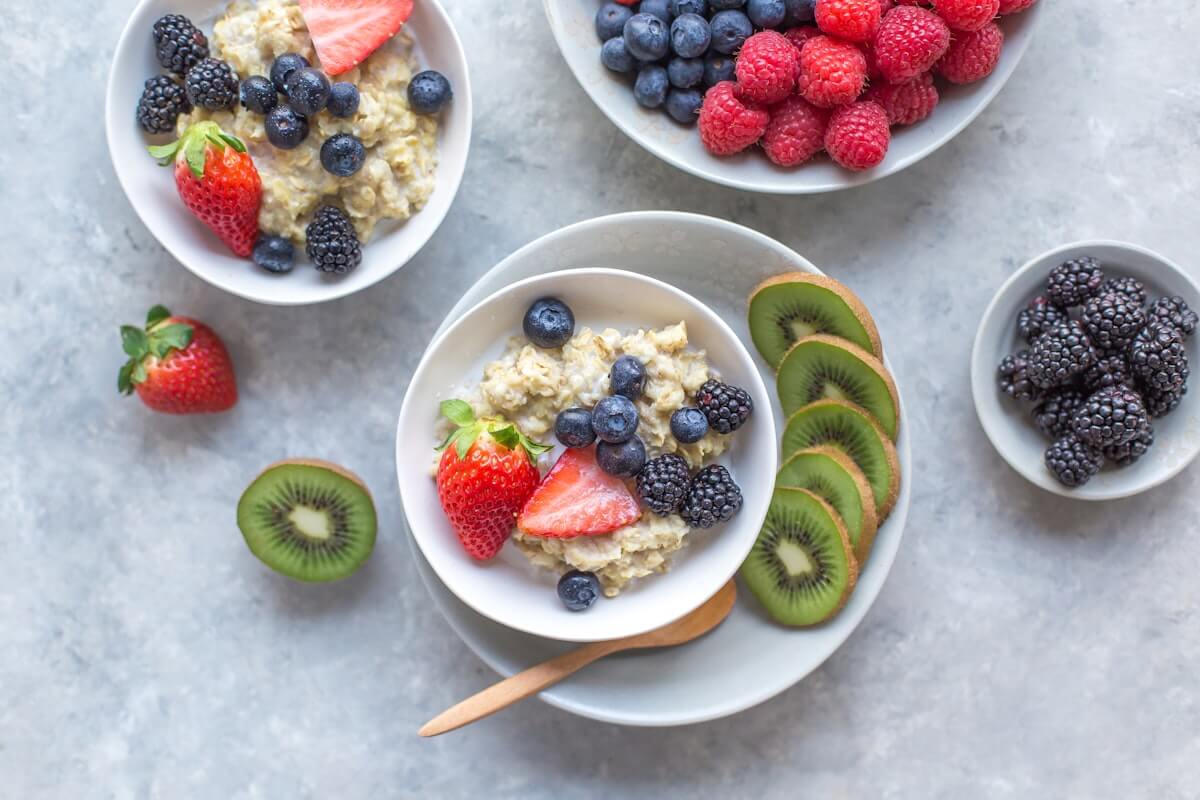
- The 2-Hour Window (The Moderate Energy Plate): Gastric emptying is compressed. Reduce dietary fat and fiber to prevent gastrointestinal delay, while emphasizing easily digestible starches and clean protein. Example: A bowl of rolled oats cooked in milk with a scoop of protein powder and fresh blueberries, or a turkey and avocado wrap on a soft tortilla.
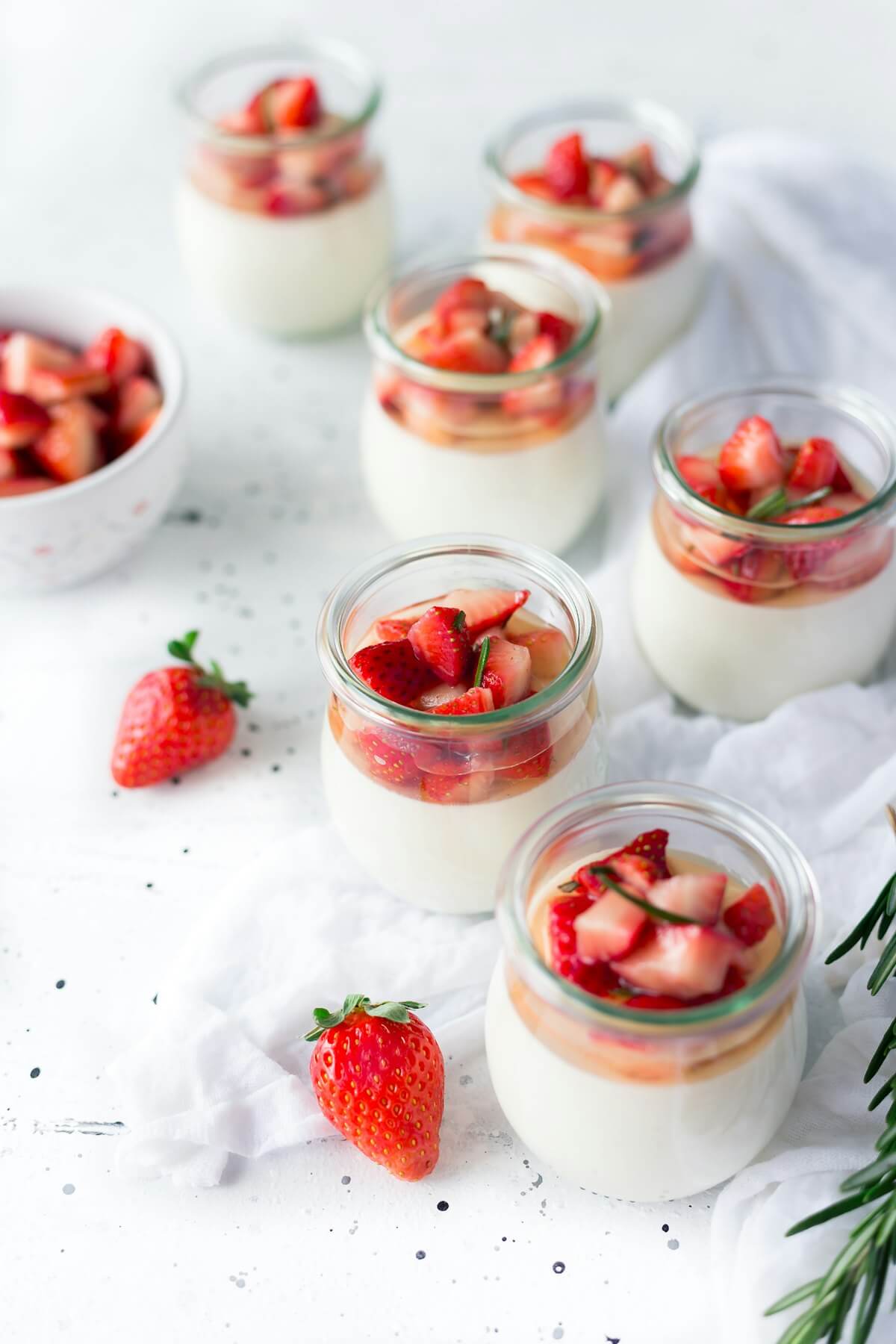
- The 60-Minute Window (The Rapid Glycemic Snack): Fat and fiber must be kept minimal (under 3 grams each) because they delay stomach transit. Focus on fast-clearing carbohydrates with a tiny touch of amino acids. Example: A sliced banana with a tablespoon of peanut butter, a cup of low-fat Greek yogurt with strawberries, or a slice of sourdough toast with honey.
- The 15-to-30-Minute Window (The Instant Bioavailable Burst): Only simple, ultra-fast carbohydrates that require virtually zero enzymatic breakdown belong here. Example: A handful of raisins or dried dates, half a ripe banana, or 8 ounces of diluted fruit juice.
Master pre-workout fueling reference table
Use this reference table to match your meal choices to your training schedule:
| Timing Window | Recommended Food Combinations | Macronutrient Target | Physiological Rationale |
|---|---|---|---|
| 3 to 4 Hours Prior | Grilled chicken, sweet potato, and steamed zucchini; or lemon herb chicken with brown rice | 40–60g complex carbs, 25–35g lean protein, 10–15g fat | Full enzymatic digestion; stabilizes blood glucose and fully saturates liver and muscle glycogen. |
| 2 Hours Prior | Overnight oats with berries; or hummus veggie wrap with turkey | 30–45g moderate-GI carbs, 15–20g protein, <5g fat | Moderate transit time; prevents hypoglycemia while avoiding gastrointestinal fullness. |
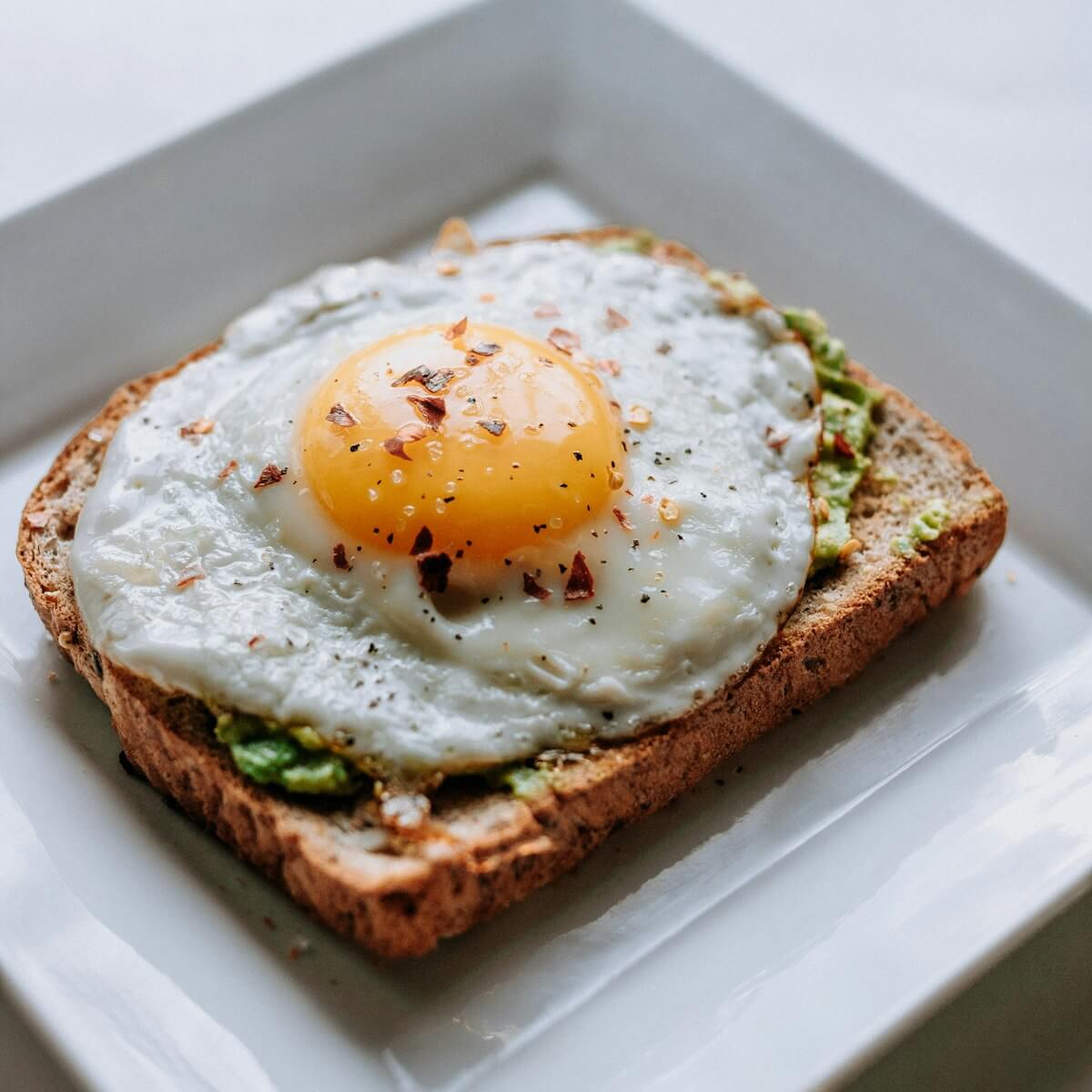
| 60 Minutes Prior | Greek yogurt parfait with raspberries; or avocado toast with eggs | 25–35g fast carbs, 10g protein, <3g fat | Quick gastric emptying; amino acids reduce exercise-induced muscle protein breakdown. |
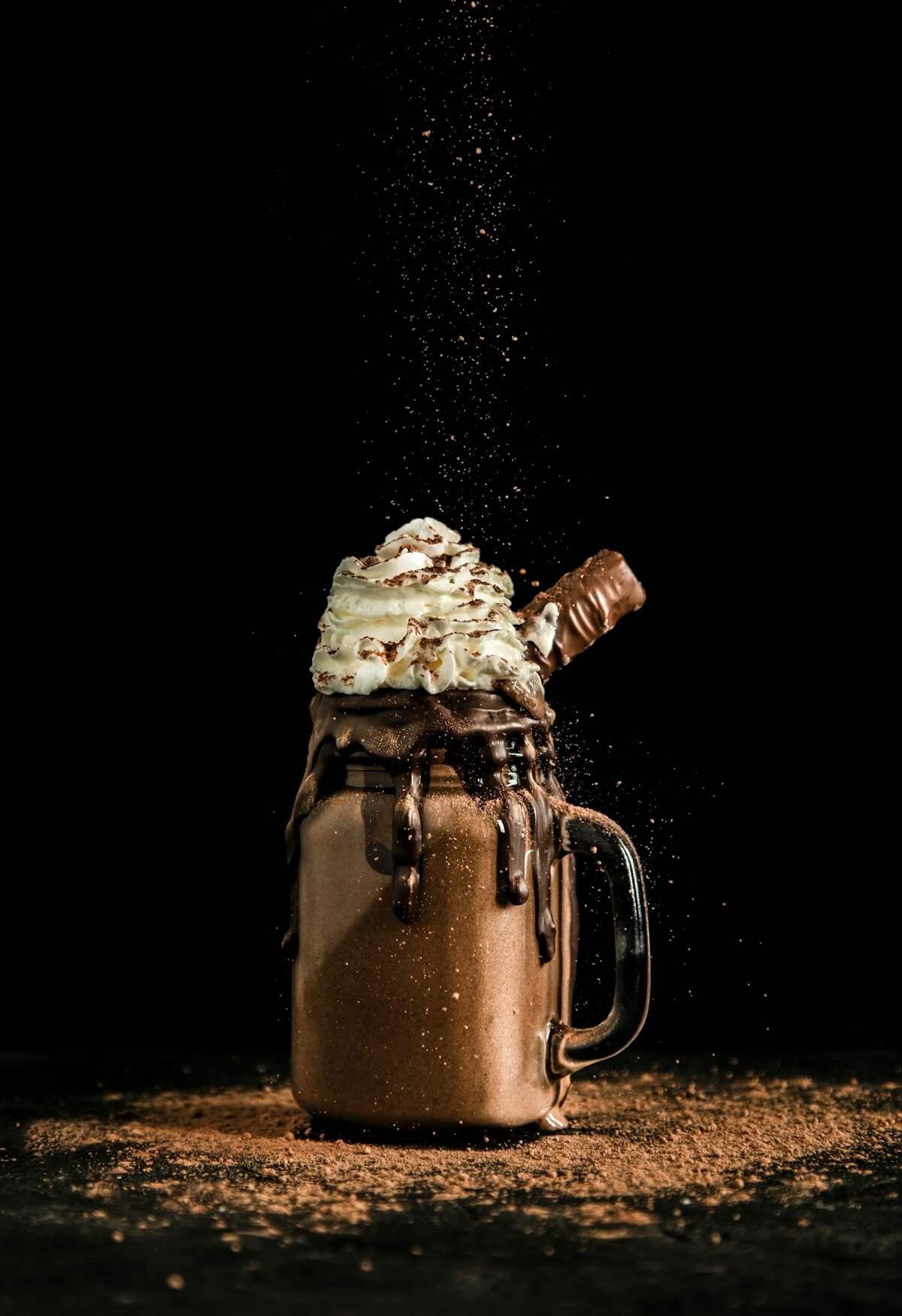
| 30 Minutes Prior | Ripe banana; 2 medjool dates; or banana chocolate smoothie (light) | 20–30g simple carbs, minimal protein, zero fat | Immediate glucose absorption in small intestine; rapid fuel delivery to working motor units. |
Pre-workout hydration and electrolyte dynamics
Dehydration impairs performance far faster than carbohydrate depletion. Follow this clinical pre-workout hydration protocol:
- 2 to 3 Hours Before: Drink 16 to 20 ounces (500 to 600 ml) of water to ensure baseline euhydration. This allows your kidneys sufficient time to excrete excess fluid before your workout begins.
- 30 Minutes Before: Drink 8 to 10 ounces (250 ml) of water. If training in high heat or for over 60 minutes, add a pinch of unrefined sea salt or an electrolyte tablet to enhance sodium-glucose luminal cotransport.
- Check Urine Color: Your urine should resemble pale lemonade. Dark apple-juice color indicates significant dehydration; clear water indicates over-hydration that may flush essential electrolytes.
What fails: 5 pre-workout nutrition mistakes
- Eating high-fat meals right before training: Consuming a burger, heavy cheese omelet, or high-fat pastries 60 minutes before lifting delays gastric emptying for up to 4 hours. When you start training, blood is diverted away from the stomach, leaving the heavy fat sitting unabsorbed in your gut, triggering severe nausea and heartburn. Keep pre-workout fats minimal within 2 hours of training.
- Consuming massive dietary fiber before high-intensity sprints: A massive raw kale salad or a giant bowl of high-fiber bran cereal right before a high-intensity workout draws water into the colon and accelerates fermentation, leading to severe abdominal cramping and emergency bathroom visits. Save high-fiber brassicas for post-workout dinners.
- Relying on high-stimulant pre-workout powders on an empty stomach: Chugging 350 mg of synthetic caffeine and artificial beta-alanine on an empty stomach causes acute vasoconstriction, heart palpitations, and gastrointestinal cramping. Food and hydration are your actual fuel; use caffeine moderately as an adjunct.
- Training completely fasted for high-volume hypertrophy or sprints: Fasted training works fine for light, low-intensity zone 2 walking, but high-intensity lifting or sprint intervals demand rapid glycolytic flux. Training fasted significantly increases cortisol and muscle protein catabolism.
- Trying brand-new foods on competition or race day: Never introduce a new energy bar, sports gel, or breakfast combination on race morning. Always test your pre-workout fueling routine multiple times during standard training sessions.
Frequently asked questions
Should I eat before an early morning (6 AM) workout?
If you have less than 45 minutes between waking and training, do not attempt to eat a full meal. Consume a small, easily digestible burst of 20 to 30 grams of fast carbohydrates: half a banana, a couple of dates, or a glass of water with a tablespoon of honey. This raises circulating blood glucose and shuts down nocturnal liver gluconeogenesis without sitting heavily in your stomach.
How does caffeine fit into pre-workout nutrition?
Caffeine is one of the few thoroughly validated sports ergogenic aids. Ingesting 3 to 6 mg of caffeine per kilogram of body weight (about 200–300 mg for an average adult, roughly 1 to 2 cups of black coffee) 45 to 60 minutes prior to exercise reduces perception of effort (RPE), increases motor unit recruitment, and enhances muscular endurance. Avoid caffeine within 6 to 8 hours of bedtime.
What should I do if I suffer from acid reflux during exercise?
To prevent exercise-induced gastroesophageal reflux, increase your pre-workout window to at least 2.5 hours, avoid acidic foods (citrus, tomatoes), eliminate carbonated drinks, and keep dietary fats minimal. Choose bland, soothing carbohydrates like rolled oats, white rice, or bananas.
How can I plan my pre-workout snacks ahead for the week?
Streamline your training nutrition with our free digital tools. Use our meal plan generator to organize your weekly schedule, build an aisle-organized shopping list with our grocery list generator, and discover creative snack ideas for your pantry staples with our leftover finder.