Recipe Planning
Newborn days run on round-the-clock 2-to-3-hour feeding cycles, leaving exhausted caregivers running on fumes. While your pediatrician, lactation consultant, or pediatric feeding specialist manages your infant's milk volume, latch mechanics, and growth curves, this guide covers what caregivers can control: recovery nutrition, rapid hydration, feeding station ergonomics, and zero-friction meal systems that keep parents energized.
Important Pediatric Notice: This guide provides general nutritional frameworks, culinary preparation guidelines, and caregiver meal-planning routines. It is not medical or feeding advice. Newborn infants (0–6 months) rely exclusively on breast milk, infant formula, or clinician-directed combinations. Never offer solid foods, water, fruit juice, teas, or cow's milk to a newborn unless specifically instructed by your pediatrician. Always consult your healthcare provider or lactation team regarding infant weight gain, diaper counts, feeding frequency, or clinical concerns.
During the fourth trimester, the physiological demands placed on parents—particularly birthing parents recovering from physical trauma while producing milk—rival high-end athletic endurance events. Lactation alone consumes an additional 400 to 500 kilocalories daily, while tissue healing requires concentrated zinc, iron, vitamin C, and amino acids. Yet, between endless diaper changes, soothing marathons, and fragmented sleep, cooking complex multi-pot dinners becomes impossible. The solution is treating caregiver nutrition as an engineered system: batch-cooked freezer assets, portable one-handed snacks, and strategic hydration stations placed throughout the home.
The Fourth Trimester Nutritional Blueprint for Caregivers
Postpartum healing and sustained infant care demand a dietary foundation built around cellular recovery, hormonal stabilization, and uninterrupted stamina. Focusing on four essential nutritional pillars prevents the mid-afternoon energy crashes and brain fog common in early parenthood:
- Collagen, Zinc, and Protein for Tissue Repair: Postpartum perineal healing, surgical cesarean incision recovery, and uterine involution demand steady amino acids. Aim for 20–30 grams of protein per eating window from slow-simmered bone broths, tender shredded poultry, stewed lentils, and whole eggs. Zinc from pumpkin seeds and lean meats accelerates wound closure and immune resilience.
- Heme Iron and Vitamin C Synergy: Blood loss during delivery leaves many new mothers with subclinical iron deficiency or postpartum fatigue. Combine iron-dense foods like lean beef, spinach, or lentils with vitamin C sources (such as bell peppers, citrus, or stewed tomatoes) to boost iron absorption by up to 300%.
- Complex Fibers and Digestive Motility: Hormonal shifts and reduced physical mobility often cause severe postpartum constipation. Prioritize soluble fibers like rolled oats, chia seeds, and stewed prunes, alongside insoluble roughage from thoroughly cooked root vegetables. Avoid raw, gas-producing cruciferous vegetables in the first two weeks if maternal abdominal bloating is acute.
- Electrolytes and Prolactin Hydration: Breast milk is approximately 87% water. Dehydration rapidly spikes maternal cortisol and impairs letdown reflexes mediated by oxytocin. Caregivers should aim for 3 to 4 liters of total fluids daily, prioritizing electrolyte-rich broths, coconut water, and mineral infusions over diuretic caffeinated beverages.
Ergonomic Feeding Stations and One-Handed Snack Architecture
When an infant cluster-feeds for three consecutive hours or falls asleep exclusively on your chest, sit-down dinners with a fork and knife are out of the question. Caregivers frequently skip meals simply because both hands are occupied. Overcoming this requires building a "One-Handed Nutritional Arsenal"—foods that can be retrieved, unwrapped, and consumed with a single hand while supporting a newborn.
Stock high-traffic feeding zones (nursery glider, living room sofa, bedside) with non-perishable caddies containing:
- No-Bake Energy Bites: Rolled oats, almond butter, ground flaxseeds, and dark chocolate chips rolled into dense, refrigerated bite-sized balls that provide instant complex fats and galactagogue fibers.
- Hard-Boiled Eggs and Cheese Sticks: Pre-peeled pasture-raised eggs sprinkled with sea salt and individually wrapped string cheeses deliver 12–14g of bioavailable protein with zero prep.
- High-Protein Pouches and Squeezable Yogurts: Single-serve whole-milk Greek yogurt pouches with fruit puree allow one-handed protein intake without spoons or cleanup. See our Greek yogurt parfait for homemade batch alternatives.
- Roasted Edamame and Mixed Nuts: Dry-roasted edamame and walnuts offer satisfying crunch, plant-based protein, and brain-supporting omega-3 fatty acids.
- Insulated Straw Tumblers: 32–40 oz insulated tumblers with leak-proof silicone straws allow easy one-handed drinking while reclined or nursing without spilling on the infant.
7-Day Caregiver Recovery Meal Plan
This weekly meal schedule utilizes high-yield batch cooking, slow-cooker stews, and re-heatable portions so that no caregiver spends more than 15 minutes of hands-on cooking time on any given day. Use our grocery list generator to organize shopping by aisle.
| Day | Breakfast (High Fiber / Fat) | Lunch (One-Hand / Reheat) | Dinner (Nourishing Warm Comfort) | Night-Feed Support Snack |
|---|---|---|---|---|
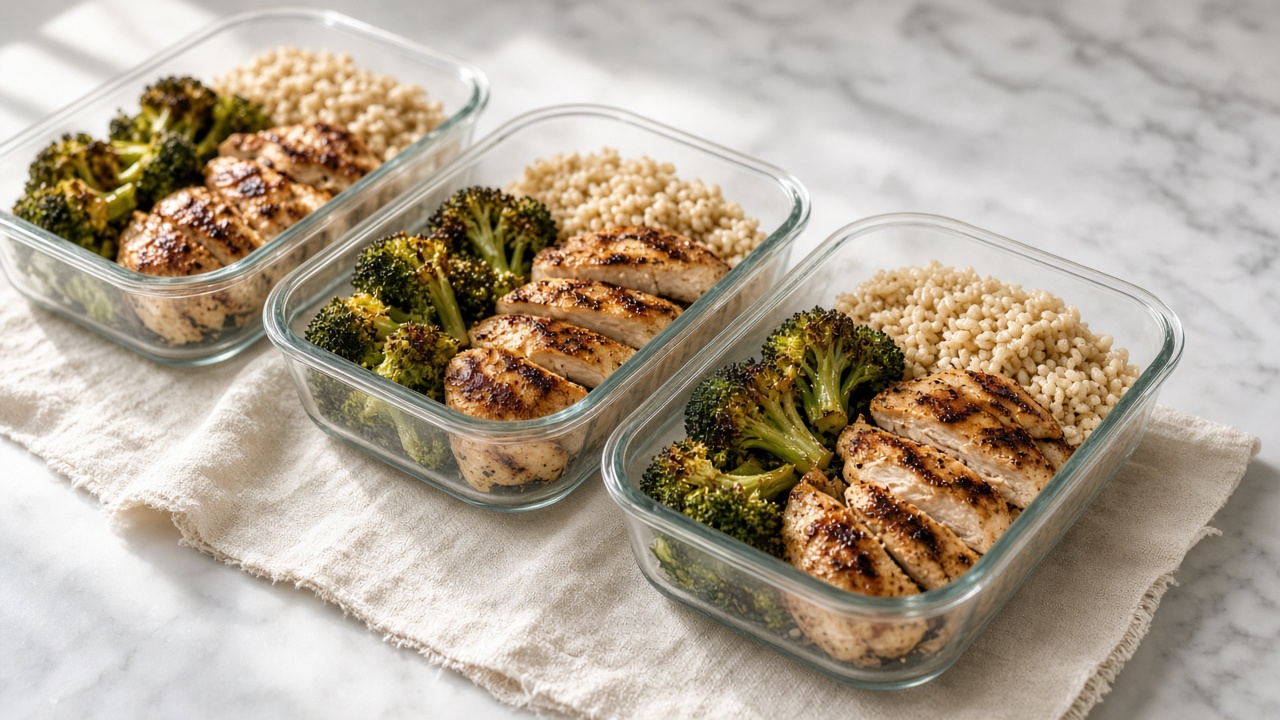
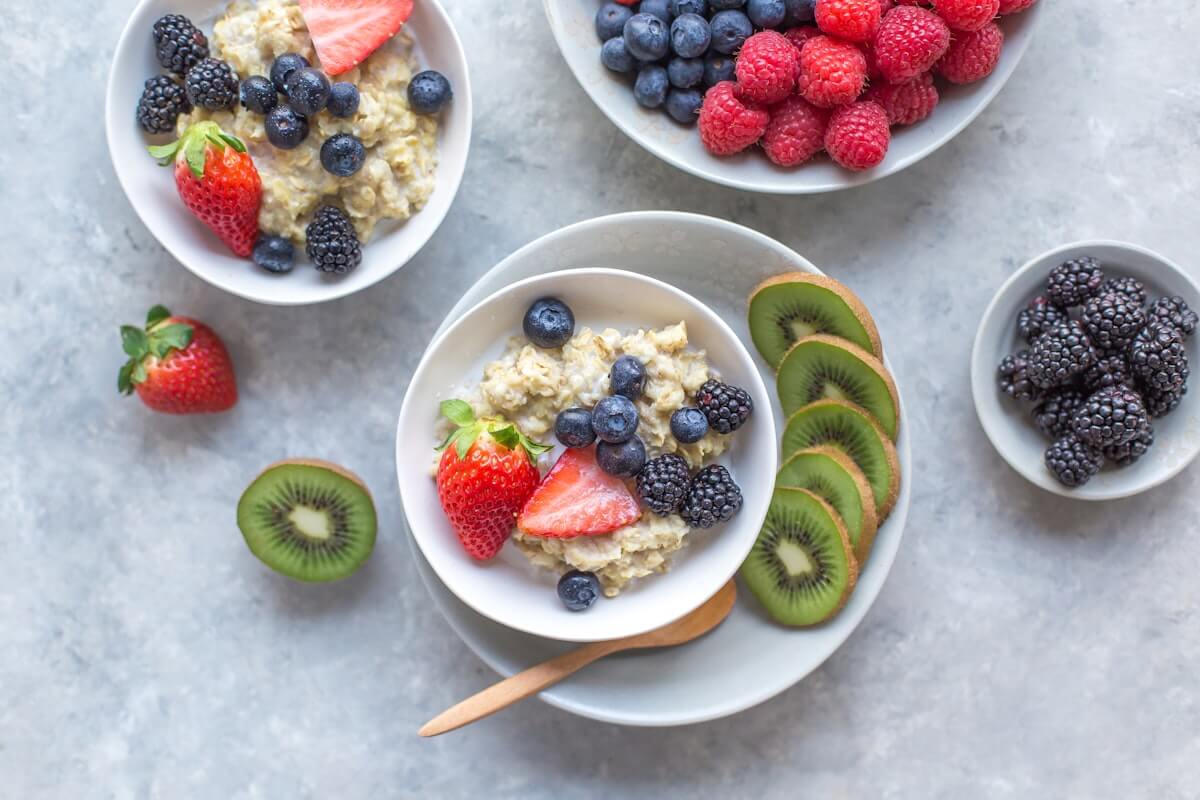
| Mon | Overnight oats with chia, whole milk, berries, and hemp seeds (recipe) | Batch-cooked shredded chicken rice bowl with avocado and olive oil | Hearty slow-simmered lentil and bone broth soup (recipe) | Peanut butter oat bite + cold electrolyte water |
| Tue | Two scrambled eggs on whole-grain sourdough with mashed avocado | Leftover hearty lentil soup with warm buttered flatbread | Sheet-pan baked salmon fillets with roasted sweet potatoes and asparagus | Full-fat Greek yogurt pouch with blended honey and flaxseed |
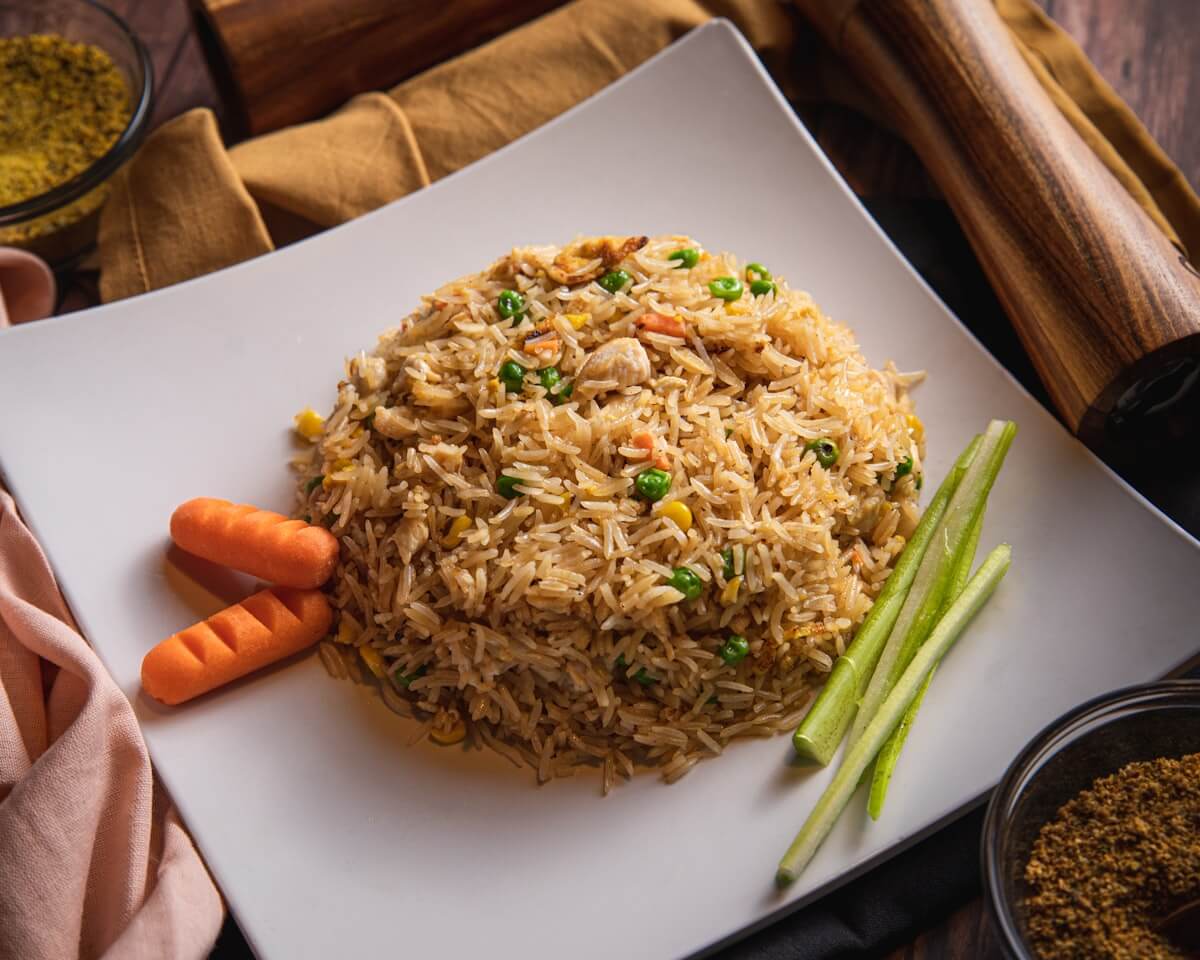
| Wed | Warm oatmeal porridge cooked in bone broth with soft-poached egg | Chicken fried rice lunch bowl pre-portioned from freezer (recipe) | Tender beef and vegetable stew simmered with carrots and potatoes | Handful of raw almonds, dried cranberries, and string cheese |
| Thu | Almond-berry breakfast bowl with chia and whole Greek yogurt (recipe) | Turkey and cheddar roll-ups with cucumber rounds and hummus | Freezer-thawed chicken and vegetable noodle soup with ginger | Warm chamomile tea with collagen peptides + banana |
| Fri | Two hard-boiled eggs, whole-wheat pita pocket with tahini and tomatoes | Leftover beef and potato stew over steamed brown rice | Slow-cooker pulled chicken thighs with soft polenta and wilted spinach | Sunflower seed butter toast with sliced strawberries |
| Sat | Overnight oats with flax, mashed banana, and warm almond milk (recipe) | High-protein egg salad wrap with baby greens in a spinach tortilla | Oven-baked cod with stewed cherry tomatoes and quinoa | Cottage cheese cup with canned peaches in 100% juice |
| Sun | Soft scrambled eggs with smoked salmon and cream cheese on rye | Leftover pulled chicken grain bowl with roasted pumpkin seeds | Batch-cooked shepherd's pie with sweet potato mash topping | Warm golden turmeric milk with cinnamon and collagen |
Postpartum Freezer Prep: Batch Cooking Rules for Caregivers
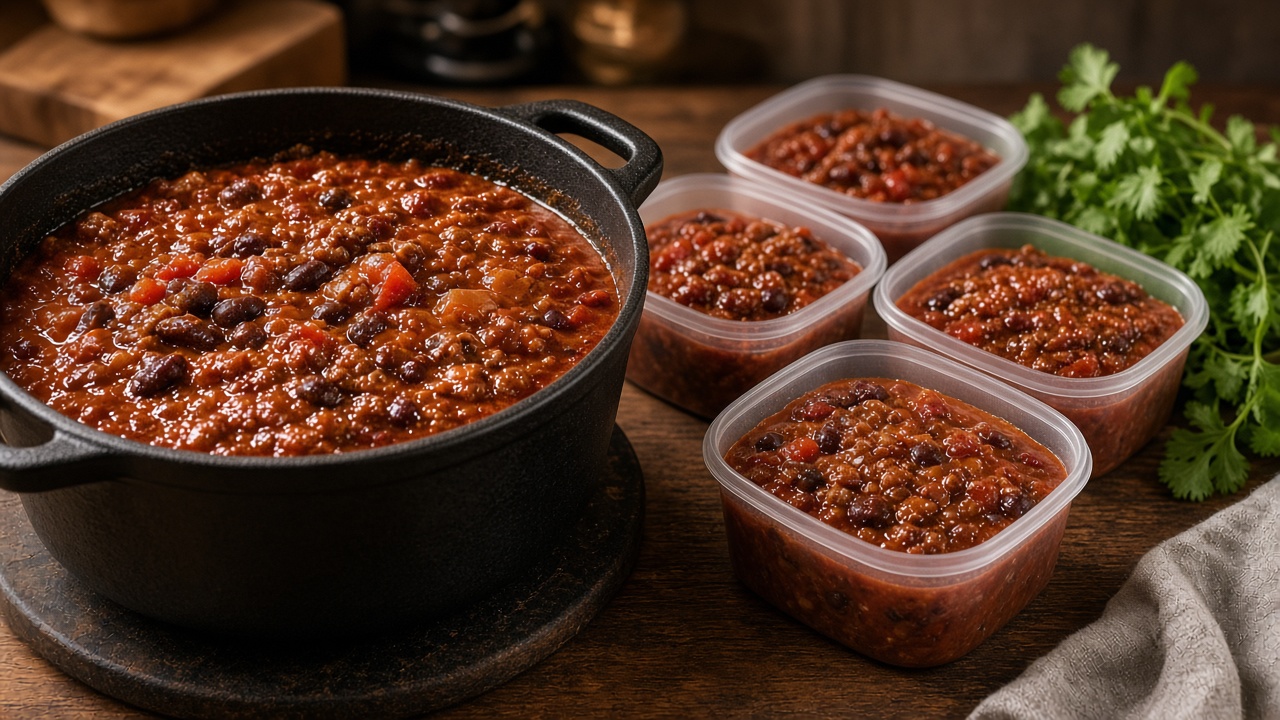
Before baby arrives—or during restful partner weekend shifts—stocking the freezer with portion-controlled, nutrient-dense meals is the ultimate gift of sanity. Review our comprehensive batch cooking guide and follow these fundamental safety and storage rules:
- Freeze in Flat Gallon Zipper Bags: When freezing soups, stews, and braises, lay zipper bags completely flat on a baking sheet until frozen solid. Flat "sheets" of frozen food stack like library books in the freezer, taking up 60% less space and thawing in under 15 minutes in a warm water bath.
- Label with Name, Date, and Reheat Instructions: Sleep deprivation erases short-term memory. Write exact oven temperatures and microwave minutes directly on the container in permanent marker so visiting family members or bleary-eyed partners can reheat dinner without asking questions.
- Individual vs. Family Portions: Freeze half your batch in 2-serving containers for shared partner dinners, and half in single-cup silicone molds (like Souper Cubes) for quick 3-minute solo microwave lunches.
- Avoid Freezing Water-Dense Vegetables: Zucchini, raw potatoes, celery, and dairy-based cream sauces separate and turn watery upon thawing. Instead, freeze concentrated protein-and-broth bases, adding fresh cream, spinach, or delicate herbs during the final 3 minutes of stove reheating. If you find random leftovers in the fridge, utilize our leftover finder to prevent food waste.
What Fails: 5 Common Caregiver Nutrition Mistakes
- Mistake 1: Relying Exclusively on Refined Sugar and Caffeine. Grabbing cookies, pastries, and endless cups of coffee causes rapid spikes in insulin followed by precipitous blood sugar drops, exacerbating maternal emotional volatility and postpartum anxiety. Replace empty sugars with complex carbohydrates paired with fat (e.g., apple slices with almond butter).
- Mistake 2: Forgetting Fluids Until a Migraine Strikes. Thirst is a delayed physiological indicator of dehydration. If your mouth feels dry or your urine is dark amber, you are already under-hydrated. Keep a dedicated water bottle at every feeding chair and drink a full glass each time the baby feeds.
- Mistake 3: Refusing Outside Food Offerings. When friends and neighbors ask "How can I help?", polite caregivers often say "We're fine!" Instead, have a standardized text message ready: "We would love a warm batch of soup, pre-cut fruit, or grocery essentials dropped on our front porch!"
- Mistake 4: Eating Cold, Dry, Uninspiring Meals. In many traditional postpartum cultures (such as Zuoyuezi in China or Ayurveda in India), warm, cooked, aromatic foods are considered vital for digestive restoration. Hot broths, congees, and curries stimulate circulation and soothe the gastrointestinal tract much better than cold salads or dry crackers.
- Mistake 5: Expecting Fixed Clock Schedules. Newborn feeding follows biological cues (rooting, lip-smacking, hands in mouth), not rigid 3-hour timer intervals. Attempting to force a newborn into a rigid clock schedule creates profound stress. Feed responsively while keeping your own meal components ready to grab on demand.
Frequently Asked Questions
How many extra calories do breastfeeding and pumping parents need?
Lactating mothers generally require an estimated 400 to 500 additional kilocalories per day above pre-pregnancy baseline to support milk synthesis without depleting maternal fat stores and bone density. Rather than counting calories, focus on intuitive eating guided by hunger: add one nutrient-dense morning snack (like a bowl of overnight oats) and one evening recovery snack rich in protein and healthy fats.
When can a newborn baby start drinking water?
Newborns should not be given plain water under 6 months of age unless expressly ordered by a pediatrician. Infant kidneys cannot process large amounts of plain water, which can dilute infant electrolyte levels and lead to life-threatening water intoxication or hyponatremia. Breast milk and correctly mixed infant formula provide 100% of the hydration healthy infants require, even during hot weather.
How can non-birthing partners effectively support feeding routines?
Non-birthing partners own the domestic feeding ecosystem. Even when a mother is exclusively breastfeeding, the partner should manage bottle washing and sanitizing, refill the maternal hydration tumblers, prepare and deliver one-handed snack plates directly to the nursing glider, and take over post-feed burping, diaper changes, and upright soothing so the mother can rest.
How do you prepare meals when a newborn refuses to be put down?
Use an ergonomic baby wrap or soft carrier (once approved by your pediatrician for your baby's weight and airway safety) for hands-free snuggling while doing light kitchen prep. Keep cooking techniques low-risk: use slow cookers and electric pressure cookers rather than open boiling pots or splattering oil pans, and rely on pre-chopped vegetables and pre-cooked proteins to minimize knife work.
Helpful resources from Tap Baby Care
If you are planning meals, routines, or navigating growth milestones for your infant or toddler, Tap Baby Care provides research-backed clinical trackers and developmental guides that pair seamlessly with meal planning:
- Baby Development Hub (0–12 Months) — Evidence-based milestone timelines, sleep guides, and complementary feeding trackers for the foundational first year.
- Toddler Care & Routines (13–36 Months) — Practical guidance for managing toddler developmental leaps, behavior shifts, and family meal integration.
- Stage-by-Stage Age Guides — Month-by-month nutritional readiness indicators, physical milestones, and age-calibrated activity ideas.
- Wake Window Calculator — Calculate age-appropriate daytime wake windows to align feeding times with optimal hunger and alert states.
- Baby Feeding Calculator — Estimate liquid feeding volumes (breast milk and formula) based on your infant's weight and age.
- Newborn Diaper Tracker — Log daily wet and dirty diapers to monitor hydration status and digestive efficiency.
- Baby Growth Percentile Calculator — Track WHO growth curve trajectories for weight, length, and head circumference for pediatrician visits.
- Printable Baby Log — Comprehensive paper logs to track feedings, sleep intervals, and diaper changes during shifts.
- Newborn Essentials Checklist — Practical prep lists for nursery setup, caregiver stations, and infant feeding gear.
- Tap Baby Care Articles — Deep dives across baby feeding, newborn care, sleep hygiene, and milestones & routines.
Educational content only — not medical advice. Always consult your pediatrician, child health nurse, or pediatric feeding therapist for individual guidance.