Recipe Planning
High blood pressure (hypertension) affects nearly half of all adults in the United States and hundreds of millions globally. Because elevated arterial pressure rarely presents noticeable day-to-day symptoms, it is easy to underestimate the chronic mechanical damage it inflicts on your blood vessels, kidneys, brain, and heart muscle. Over time, high intravascular pressure causes arterial walls to stiffen, microvessels to narrow, and the left ventricle of the heart to thicken.
Fortunately, the vascular system is remarkably responsive to dietary interventions. Decades of clinical cardiology trials demonstrate that transitioning from a standard high-sodium, ultra-processed diet to a whole-food eating pattern rich in potassium, magnesium, calcium, and dietary nitrates can lower systolic blood pressure by 8 to 14 mmHg—a therapeutic reduction on par with leading antihypertensive medications. This 7-day meal plan shows you how to cook flavorful, lower-sodium meals at home that soothe arterial tension and delight your taste buds.
Important: This guide is for general meal-planning ideas only, not medical advice or treatment. If you have hypertension, heart disease, chronic kidney disease, or take antihypertensive medications (such as ACE inhibitors, ARBs, beta-blockers, or diuretics), follow your physician or registered dietitian's plan. Never stop or modify blood pressure medications without clinical guidance.
The vascular physiology of blood pressure nutrition
Lowering blood pressure through home cooking is not simply a matter of removing the salt shaker; it is an active strategy of balancing critical vascular electrolytes:
- The Sodium-Potassium Ratio: Evolutionary biology indicates our ancestors consumed roughly 4 to 10 times more potassium than sodium. In the modern Western diet, that ratio is reversed. High sodium causes fluid retention and expands intravascular blood volume, while potassium stimulates renal natriuresis (excreting sodium through urine) and promotes vascular smooth muscle relaxation.
- Endothelial Nitric Oxide Synthesis: The endothelium produces nitric oxide (NO) to signal blood vessels to dilate. Dietary nitrates—found in abundance in dark leafy greens (spinach, arugula, Swiss chard) and beets—are converted by oral bacteria and gastric acid into bioavailable nitric oxide, directly easing peripheral arterial resistance.
- Magnesium Vasodilation: Magnesium acts as a physiological competitor to calcium in vascular smooth muscle cells, preventing arterial constriction and promoting smooth, elastic blood flow. Rich sources include pumpkin seeds, chia seeds, black beans, and quinoa.
7-Day blood pressure-friendly meal plan
This 7-day schedule provides complete breakfast, lunch, and dinner templates. Scale ingredients effortlessly for your household with our free servings scaler.
| Day | Breakfast | Lunch | Dinner | Vascular & Mineral Focus |
|---|---|---|---|---|
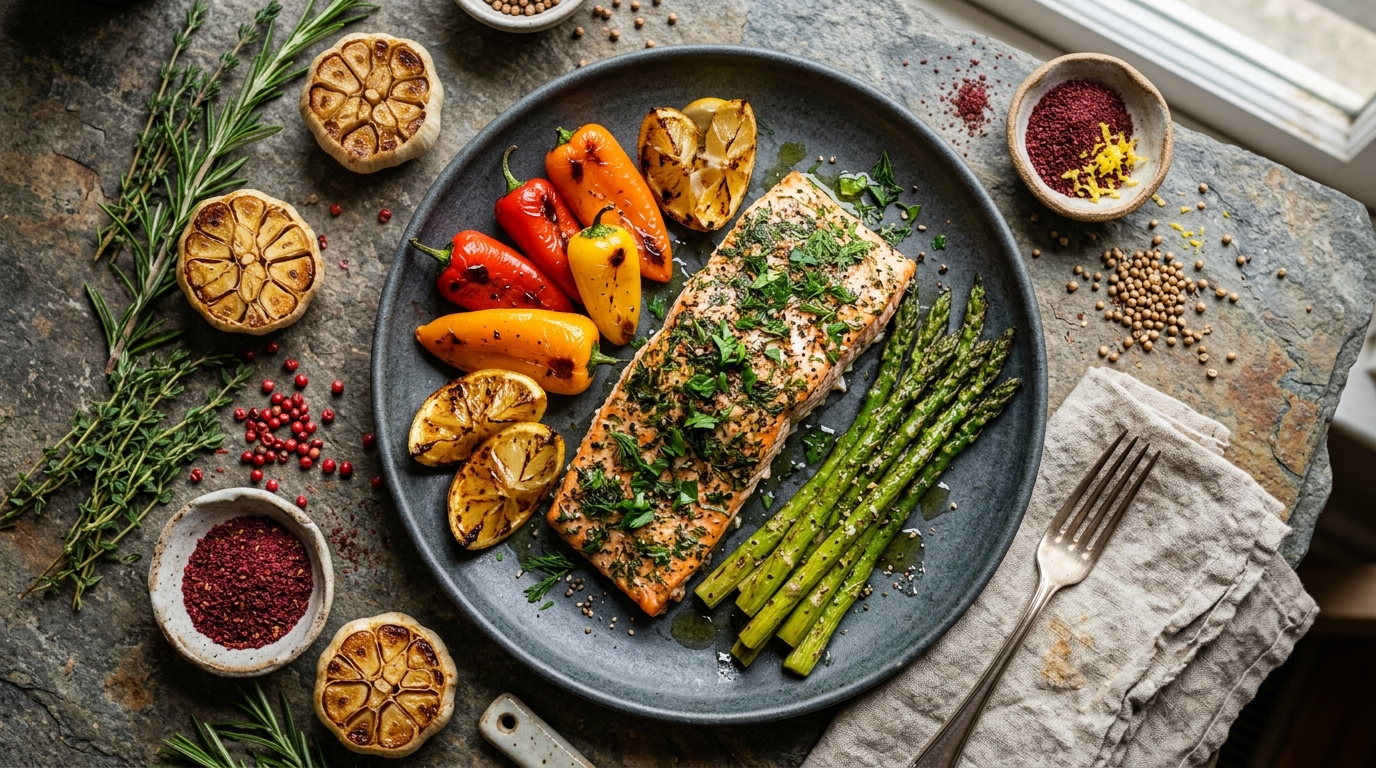
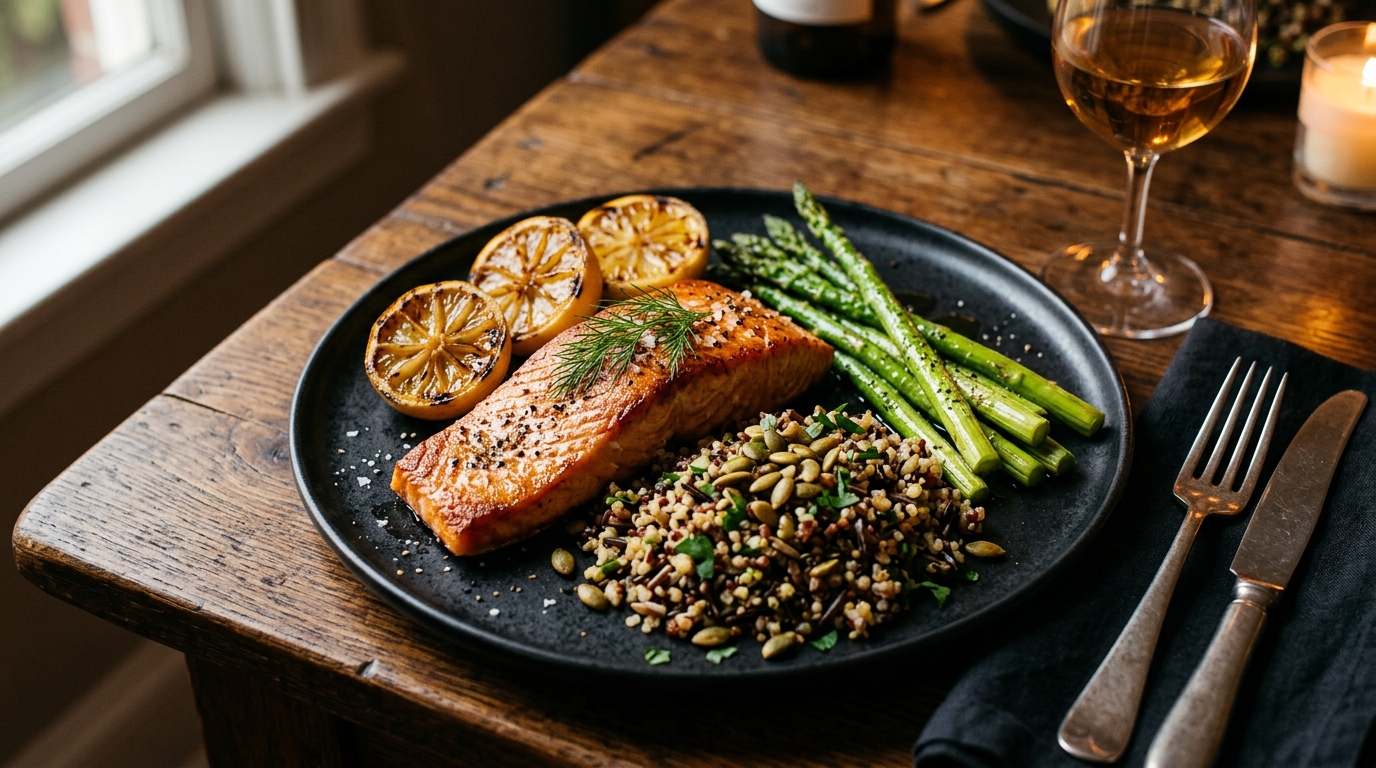
| Monday | Rolled oats simmered in water with cinnamon, ground flaxseed, and sliced banana | Mediterranean salad bowl with baby arugula, canned wild sardines, cherry tomatoes, and olive oil | Flaky herb-baked salmon with steamed broccoli and fluffy quinoa | High potassium from bananas and broccoli; rich marine omega-3s lowering vascular tone. |
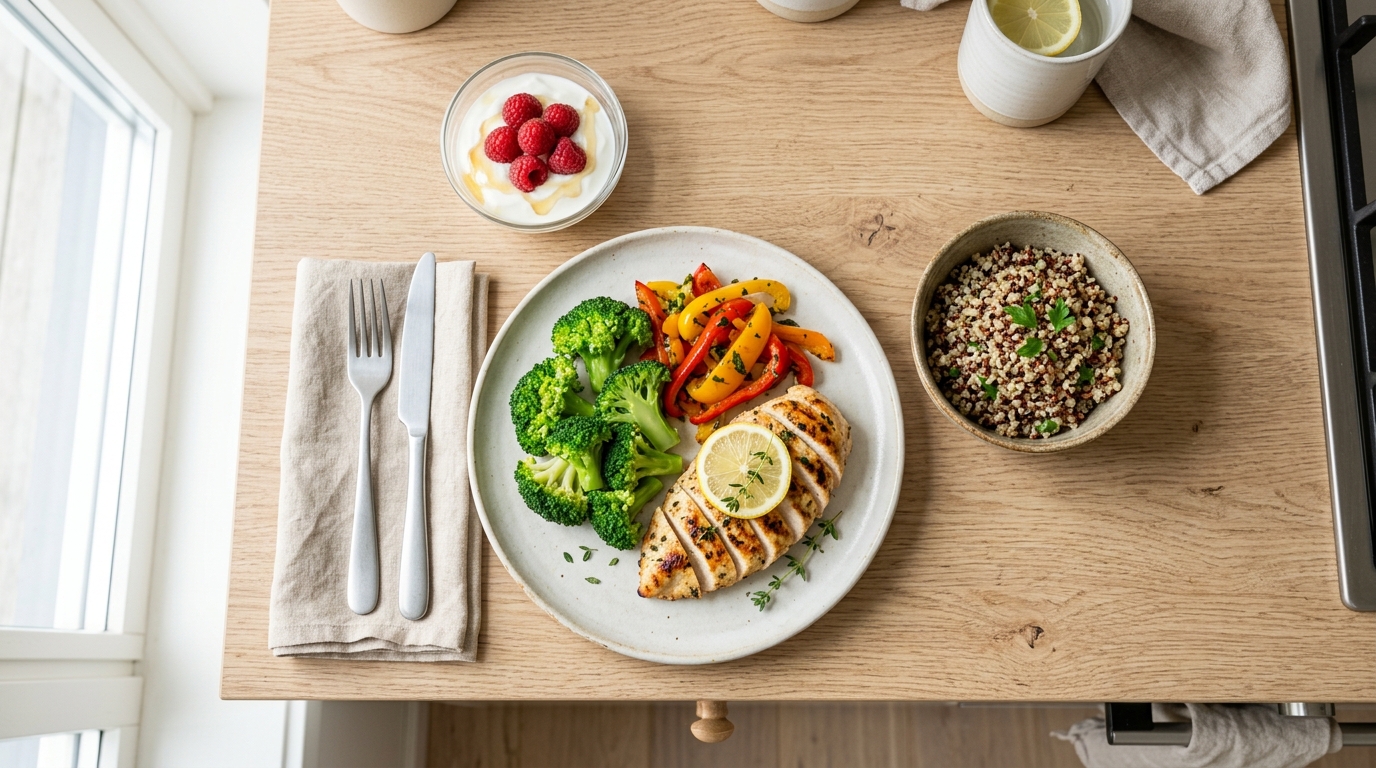
| Tuesday | Two poached eggs over sautéed kale and sliced avocado on 100% whole-grain sourdough | Leftover herb-baked salmon flaked over crisp romaine, cucumbers, and lemon vinaigrette | Juicy lemon herb chicken with roasted sweet potatoes and asparagus | Nitrates from kale; magnesium and potassium from sweet potatoes to relax arterial walls. |
| Wednesday | Plain Greek yogurt bowl with fresh blueberries, chia seeds, and crushed raw walnuts | Leftover lemon herb chicken wrap in low-sodium flatbread with hummus and shredded spinach | Comforting hearty lentil soup made with no-salt vegetable broth | High calcium from Greek yogurt; viscous soluble fiber and plant protein from brown lentils. |
| Thursday | Steel-cut oats with a spoonful of unsalted natural peanut butter, grated apple, and cinnamon | Whole-grain pita stuffed with flaked white tuna in olive oil, grated carrots, and baby arugula | Vibrant vegetable stir-fry with tofu over brown jasmine rice | Plant sterols from firm tofu; low-sodium tamari diluted with fresh ginger and rice vinegar. |
| Friday | Vegetable omelet with two whole eggs, baby spinach, cremini mushrooms, and diced tomatoes | Leftover hearty lentil soup served with a crisp green side salad | Oven-baked cod fillet with roasted sweet peppers, charred lemon halves, and steamed farro | Farro provides intact whole-grain fiber; garlic and sweet peppers support endothelial compliance. |
| Saturday | Buckwheat waffles topped with unsweetened warm strawberry compote and a dollop of Greek yogurt | Farro and roasted vegetable bowl drizzled with house-made lemon tahini dressing | Lean turkey breast cutlets with roasted butternut squash and sautéed Swiss chard | Massive potassium hit from Swiss chard and butternut squash; lean poultry keeps saturated fat low. |
| Sunday | Whole-grain avocado toast with hemp seeds, lemon zest, and sliced radishes | Black bean, corn, and avocado salad tossed with fresh lime juice, cumin, and cilantro | Sheet-pan baked chicken breasts with Brussels sprouts, red onion wedges, and baby potatoes | Sunday batch-prep friendly; allium sulfur compounds from red onions enhance microvascular blood flow. |
Flavoring without sodium: the chef's spice cabinet
When cooking to lower blood pressure, you can achieve extraordinary culinary depth by relying on natural flavor enhancers rather than salt:
- Citrus Zest and Juices: Lemon and lime zest contain concentrated volatile essential oils (limonene, citral) that provide bright aromatic punch, while the citric acid activates salivary flow to mimic the taste brightness of salt.
- Toasted Whole Spices: Dry-toast whole cumin seeds, coriander seeds, and black peppercorns in a skillet for 2 minutes before crushing. The heat releases rich, earthy aromatics that transform plain chicken and fish.
- Garlic and Shallot Sauté: Sautéing minced garlic, shallots, and ginger in extra virgin olive oil forms a deeply savory flavor base (soffritto) that coats vegetables in umami.
- Raw Vinegars: A splash of aged balsamic, raw apple cider vinegar, or sherry vinegar added in the final 60 seconds of cooking cuts through richness and enlivens soups, stews, and braises.
What fails: 5 blood pressure meal prep mistakes
- Assuming sea salt and pink salt do not raise blood pressure: Many people switch from table salt to pink Himalayan salt or flaky Celtic sea salt, believing they are "cardiovascular safe." Chemically, all culinary salts are roughly 98% sodium chloride. Your blood vessels react to the sodium load regardless of where the salt was harvested.
- Overlooking sodium in store-bought rotisserie chickens: Supermarket rotisserie chickens are heavily injected with saltwater brines and sodium tripolyphosphate solutions to keep them plump under heat lamps. A single rotisserie chicken breast can pack over 800 mg of sodium. Roast your own whole chicken at home with fresh rosemary, lemon, and garlic instead.
- Drinking diet sodas and caffeinated energy drinks: Many people replace sugary soda with diet sodas containing artificial sweeteners and high doses of caffeine. High caffeine intake can trigger acute vasoconstriction, temporarily spiking blood pressure readings. Drink water, hibiscus tea, or sparkling water with lime.
- Relying on canned beans and broths without checking sodium levels: Conventional canned beans and broths can add over 1,500 mg of sodium to a single pot of soup. Always purchase "No Salt Added" canned goods or rinse conventional canned beans under cold running water for 60 seconds to eliminate up to 40% of the canning sodium.
- Stopping prescribed blood pressure medication without medical clearance: While dietary changes can produce dramatic improvements in blood pressure, you must never discontinue prescription antihypertensive medications on your own. Discuss home blood pressure logs with your physician, who can safely adjust dosages as your health improves.
Frequently asked questions
How quickly can a lower-sodium, high-potassium diet lower blood pressure?
Clinical trials show that significant reductions in systolic and diastolic blood pressure are often detectable within 10 to 14 days of consistent adherence to the DASH eating pattern. Long-term blood pressure stabilization and arterial remodeling continue over several months of healthy eating.
Is hibiscus tea really effective for blood pressure support?
Yes. Multiple randomized controlled trials have demonstrated that drinking 2 to 3 cups of brewed hibiscus sabdariffa tea daily produces modest, clinically significant reductions in blood pressure, likely mediated by natural anthocyanins that act similarly to mild ACE inhibitors. Ensure you drink it unsweetened.
Can I use potassium chloride salt substitutes?
Potassium chloride shakers can be dangerous for individuals with chronic kidney disease, heart failure, or those taking ACE inhibitors, ARBs, or potassium-sparing diuretics, as they can cause severe hyperkalemia (dangerously high blood potassium). Always obtain medical clearance from your doctor before using potassium salt substitutes.
How can I easily generate shopping lists for blood pressure-friendly meals?
Cooking at home is easy when your kitchen is organized around repeatable whole foods. Use our free meal plan generator to customize weekly recipes, build an aisle-organized shopping trip with our grocery list generator, and check recipe ingredients with our diet and allergy checker.