Recipe Planning
In modern fitness nutrition, the word "lean" is often conflated with misery: living on dry tilapia, plain broccoli florets, and counting every grain of white rice. However, physique athletes, sports dietitians, and metabolic researchers have established that achieving a lean, defined body composition is fundamentally about macronutrient efficiency and nitrogen balance. It is about maximizing the ratio of bioavailable protein to total calories, preserving metabolically demanding muscle tissue, and maintaining high energy levels throughout busy workdays.
When you eat for lean body composition, you leverage the Thermic Effect of Food (TEF), optimize cellular hydration, and keep insulin sensitivity sharp. Every meal is calibrated to deliver high amino acid concentration without unneeded liquid fats or refined sugars, allowing your body to comfortably draw down adipose fat stores while preserving a strong, sculpted muscular foundation. This 7-day meal plan provides a realistic, delicious roadmap for active individuals who want to look, feel, and perform their best.
Important: This guide is for general meal-planning ideas, not medical advice. If you have chronic kidney disease, metabolic conditions, or specific athletic training requirements, consult a sports dietitian or physician before significantly increasing daily protein intake.
The three core principles of a lean meal plan
To drop body fat while preserving dense skeletal muscle tissue, structure your nutrition around these evidence-based principles:
- High Protein-to-Energy (P:E) Ratio: Developed by Dr. Ted Naiman, the P:E ratio compares the grams of protein in a food to the combined grams of non-protein energy (carbohydrates and fats). Foods with a high P:E ratio (egg whites, skinless poultry, wild white fish, low-fat Greek yogurt, shrimp) provide maximum structural nutrition and satiety for minimal total calories. Incorporating high P:E foods makes maintaining a lean deficit virtually effortless.
- Positive Nitrogen Balance in a Deficit: When total daily calories are reduced, the body seeks alternative energy substrates and may catabolize skeletal muscle protein through gluconeogenesis. Consuming 1.8 to 2.4 grams of protein per kilogram of body weight ensures a constant pool of circulating amino acids, preventing muscle loss and maintaining resting metabolic rate.
- Carbohydrate Periodization Around Activity: Rather than eliminating carbohydrates, place the majority of your complex starches (sweet potatoes, rice, oats, quinoa) in the meals directly preceding and following your resistance training sessions, when skeletal muscle insulin sensitivity and glycogen synthase activity are at their peak.
7-Day lean high-protein meal plan
This 7-day schedule pairs high-protein lean meats and seafood with high-volume produce and strategic whole grains. Adjust portions easily for your personal macros using our free servings scaler.
| Day | Breakfast | Lunch | Dinner | Nutrient & Macronutrient Strategy |
|---|---|---|---|---|
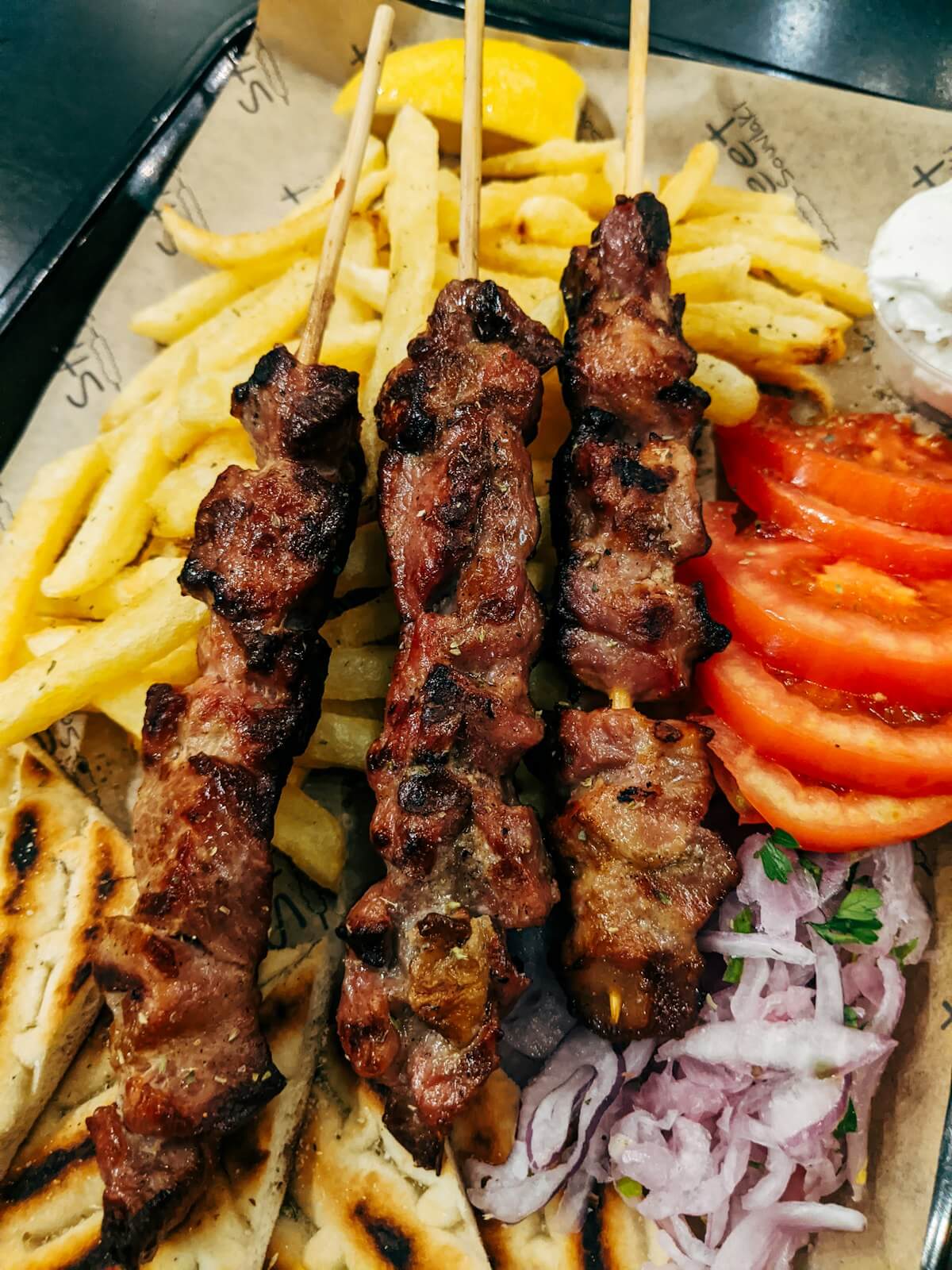
| Monday | Veggie scramble with 2 whole eggs, 3/4 cup egg whites, baby spinach, tomatoes, and 1 slice whole-grain sourdough | Mediterranean bowl: grilled chicken breast over 1/2 cup quinoa, cucumbers, kalamata olives, and lemon dressing | Marinated Greek chicken skewers with roasted zucchini, bell peppers, and tzatziki | High protein-to-energy ratio; skinless chicken breast marinated in oregano and lemon provides 38g protein for minimal fat. |
| Tuesday | Plain nonfat Greek yogurt parfait with 1 scoop vanilla whey/plant protein, fresh raspberries, and 1 tbsp chia seeds | Leftover Greek chicken skewers served over a large crisp romaine salad with red wine vinaigrette | Flavorful beef and broccoli stir-fry made with lean flank steak and brown jasmine rice | Bioavailable heme iron and zinc from lean flank steak; sulfur compounds in broccoli supporting cellular health. |
| Wednesday | High-protein overnight oats: rolled oats, protein powder, unsweetened almond milk, cinnamon, and blueberries | Leftover beef and broccoli stir-fry with a side of steamed edamame | Flaky herb-baked salmon with steamed asparagus and roasted sweet potatoes | Marine omega-3s enhance cell membrane fluidity; sweet potatoes replenish training glycogen. |
| Thursday | Egg white frittata baked with diced peppers, onions, baby spinach, and lean turkey ham | Whole-grain wrap with flaked herb-baked salmon, avocado spread, and shredded lettuce | Savory turkey lettuce wraps with water chestnuts, diced mushrooms, and ginger | Crisp lettuce wraps keep evening carbohydrates low while delivering rich savory umami and crunch. |
| Friday | Two poached eggs over mashed avocado on sprouted whole-grain toast with red pepper flakes | Turkey lettuce wrap filling served over pre-cooked chilled quinoa as a grain bowl | Juicy pan-seared lemon herb chicken with roasted green beans and farro | Farro provides a chewy ancient grain structure with high mineral density and low glycemic velocity. |
| Saturday | Omelet with diced red bell peppers, baby spinach, red onion, and 1 ounce of crumbled goat cheese | Quinoa and chickpea salad with cucumbers, fresh parsley, and extra virgin olive oil vinaigrette | Grilled cod or white fish fillet with roasted Brussels sprouts, charred lemon, and wild rice | Lean white fish provides near-pure amino acid density (over 85% protein by calorie). |
| Sunday | Protein waffles made from egg whites, banana, and rolled oat flour, topped with warm strawberries | Leftover grilled cod over mixed garden greens with avocado and lemon-tahini dressing | Sheet-pan baked chicken breasts with roasted carrots, Brussels sprouts, and baby potatoes | Sunday batch-prep friendly; colorful carotenoids and magnesium supporting metabolic recovery. |
Mastering the lean kitchen: batch cooking essentials
Staying lean during demanding 50-hour workweeks requires removing friction. Execute these three food prep habits on Sunday:
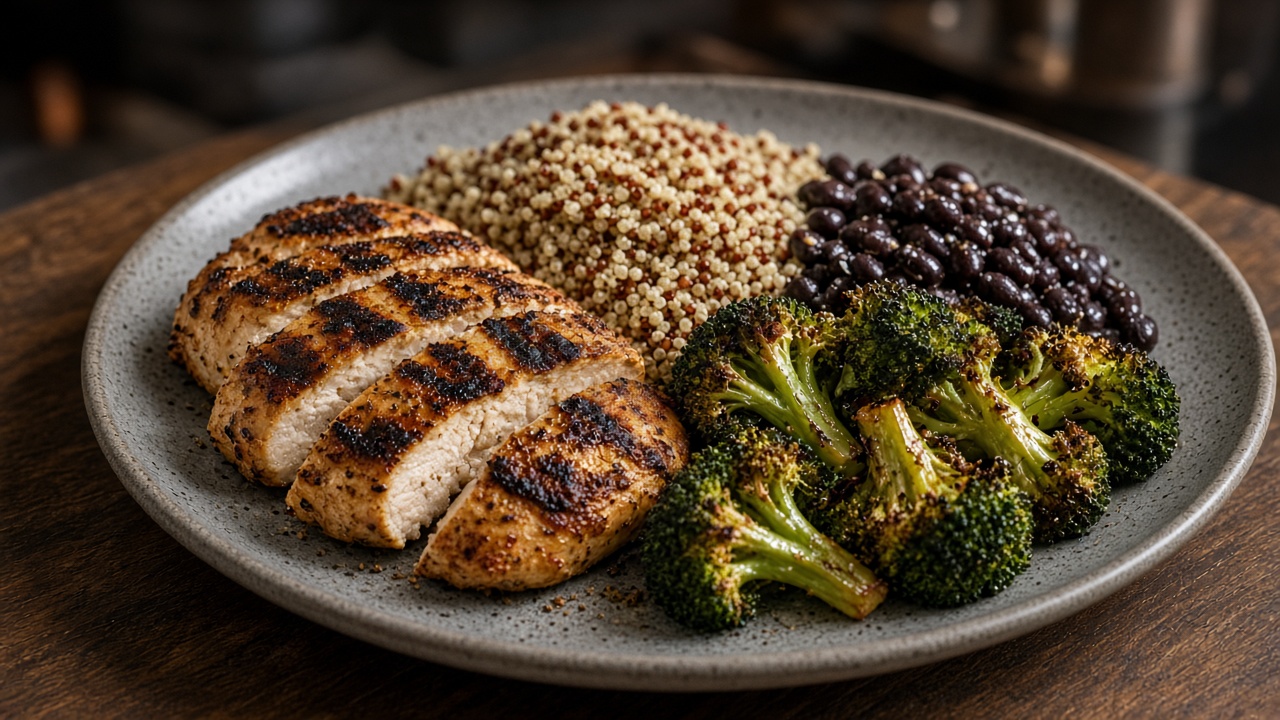
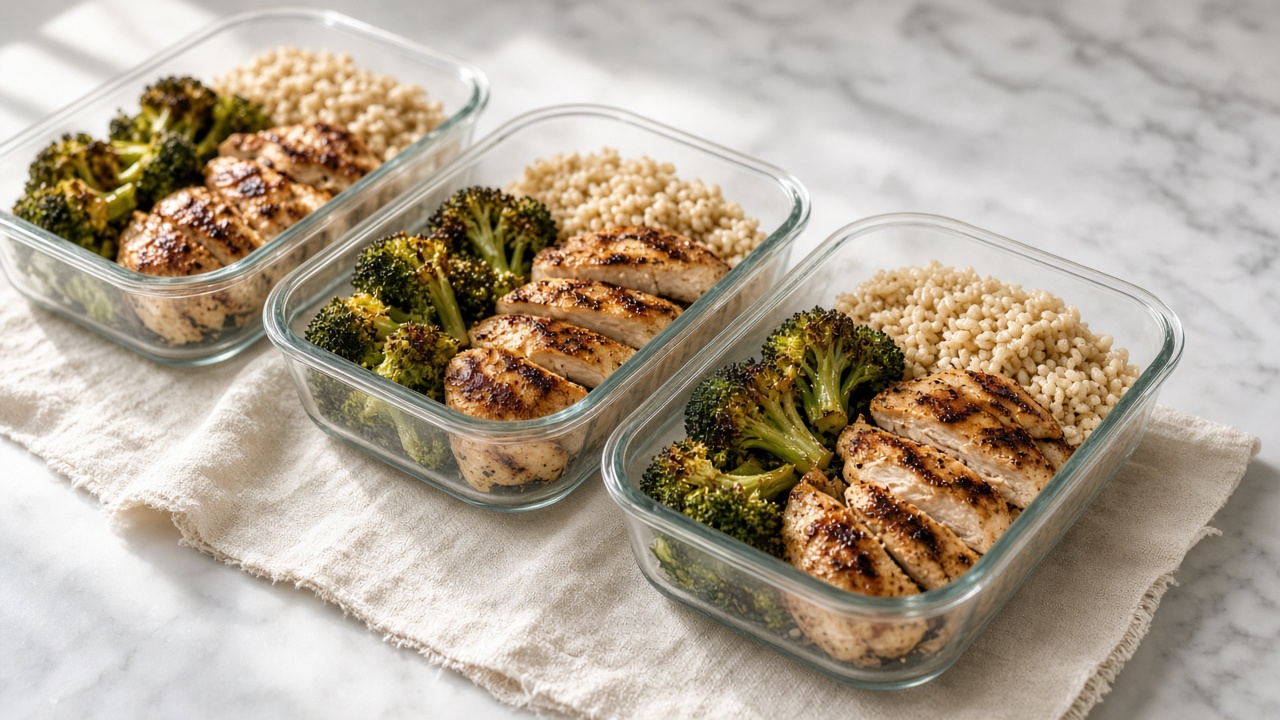
- Grill or Bake 3 Pounds of Lean Protein: Season chicken breasts, turkey cutlets, or lean flank steak with single-origin spices (garlic powder, smoked paprika, oregano). Roast or grill, slice into 4-ounce portions, and store in glass containers.
- Roast Triple-Pan High-Volume Vegetables: Fill two baking sheets with chopped broccoli, cauliflower, zucchini, and asparagus. Roast at 400°F (204°C) with minimal oil spray. Store in bulk to add effortless volume to any meal.
- Pre-Portion Smart Starches: Cook a batch of brown basmati rice or farro. Portion into 1/2-cup glass meal containers so you never accidentally over-serve carbohydrates when exhausted.
What fails: 5 mistakes that stall lean progress
- Over-consuming "healthy" dietary fats: While extra virgin olive oil, nuts, and avocados are nutrient-dense, fat contains 9 calories per gram (more than double the 4 calories per gram of protein and carbohydrates). Pouring heavy oil onto salads or eating raw almonds by the handful can quietly add 600 calories, erasing a caloric deficit. Measure fats with a spoon.
- Relying on commercial protein bars: Many commercial protein bars are essentially candy bars with added whey isolate, packing 280 calories, 12 grams of fat, and 25 grams of refined carbohydrates alongside only 15 grams of protein. Choose real whole-food snacks like Greek yogurt, hard-boiled eggs, or cottage cheese.
- Cutting carbohydrates to near zero: Eliminating carbohydrates entirely drains intramuscular glycogen stores, leaving workouts sluggish and strength depressed. Over time, chronic low glycogen elevates cortisol and prompts muscle catabolism. Keep strategic whole carbohydrates in your plan around training.
- Drinking diet sodas in excessive quantities: While zero calories on paper, heavy consumption of artificially sweetened carbonated drinks can cause chronic gastrointestinal bloating and maintain neurological cravings for hyper-sweet tastes. Emphasize water and sparkling mineral water with citrus.
- Neglecting post-exercise rehydration: Dehydration reduces athletic power output and slows protein synthesis. Drink at least 3 liters of water daily, adding a pinch of unrefined sea salt or electrolytes on hard training days.
Frequently asked questions
How much protein do I need to stay lean and keep muscle?
Extensive sports science meta-analyses recommend consuming 1.6 to 2.2 grams of protein per kilogram of body weight (approx. 0.73 to 1.0 grams per pound) daily for active individuals aiming to drop fat while preserving lean muscle mass. Distribute this protein across 3 to 4 meals containing at least 25 to 40 grams each.
Is white rice or brown rice better for getting lean?
Both fit beautifully into a lean meal plan. Brown rice provides more dietary fiber, magnesium, and micronutrients. However, white jasmine or basmati rice digests very quickly and causes minimal digestive bloating, making it an exceptional carbohydrate source directly following intense resistance workouts. Rotate both based on your daily training schedule.
Can I eat whole eggs on a lean meal plan, or only egg whites?
Combine both. Whole eggs contain essential fat-soluble vitamins (A, D, E, K), choline, and lutein, while egg whites provide pure, low-calorie protein volume. A breakfast of 2 whole eggs plus 1/2 to 3/4 cup of liquid egg whites provides an incredible 32 grams of protein with only 5 grams of fat.
How can I automate my weekly lean meal prep?
Eliminate decision fatigue by using our free digital tools. Use our meal plan generator to organize your week, generate a consolidated shopping trip with our grocery list generator, and rescue extra ingredients using our leftover finder.