Recipe Planning
A high-protein post-workout dinner does not need to be a second workout. The useful question after training is not “what is the perfect recovery meal?” but “what can I cook in twenty minutes that I will actually eat?” Keep a small set of quick proteins, fast carbohydrates and ready vegetables on hand, and the answer is usually already in the fridge.
This is general cooking guidance, not medical or sports nutrition advice. Protein needs vary by person, training load and health history; ask a registered dietitian or clinician if you need a personal target.
What “under 20 minutes” really means
Twenty minutes is fridge to plate, not just pan time. A recipe that starts with “marinate overnight” or “roast for 45 minutes” is not a weeknight recipe, even if the active work is short. For a post-workout dinner, look for three things:
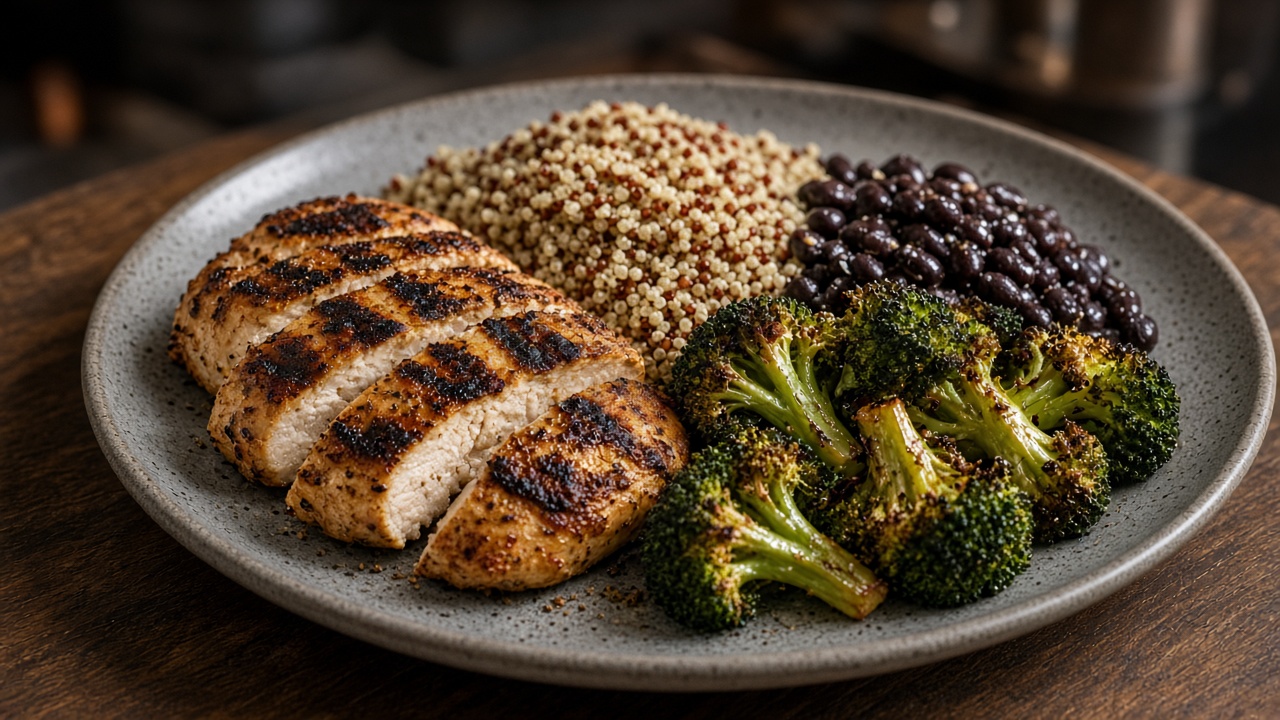
- A protein that cooks fast. Chicken cutlets or strips, fish fillets, prawns, eggs, tofu, canned tuna, beans or pre-cooked lentils.
- A carbohydrate that is already mostly done. Microwave rice, couscous, flatbread, tortillas, leftover potatoes or pasta.
- Vegetables that need little more than washing. Salad leaves, cucumber, tomatoes, frozen mixed vegetables, spinach or pre-cut peppers.
A useful shortcut is to think in components rather than recipes: one protein, one starch, one vegetable, one sauce. Once those four are in the kitchen, dinner is assembly, not project management.
Five dinners that fit the twenty-minute rule
Each of these is a real recipe on the site, with a total time of twenty minutes or less. Cook one, or use them as templates for the same formula with whatever protein you have.
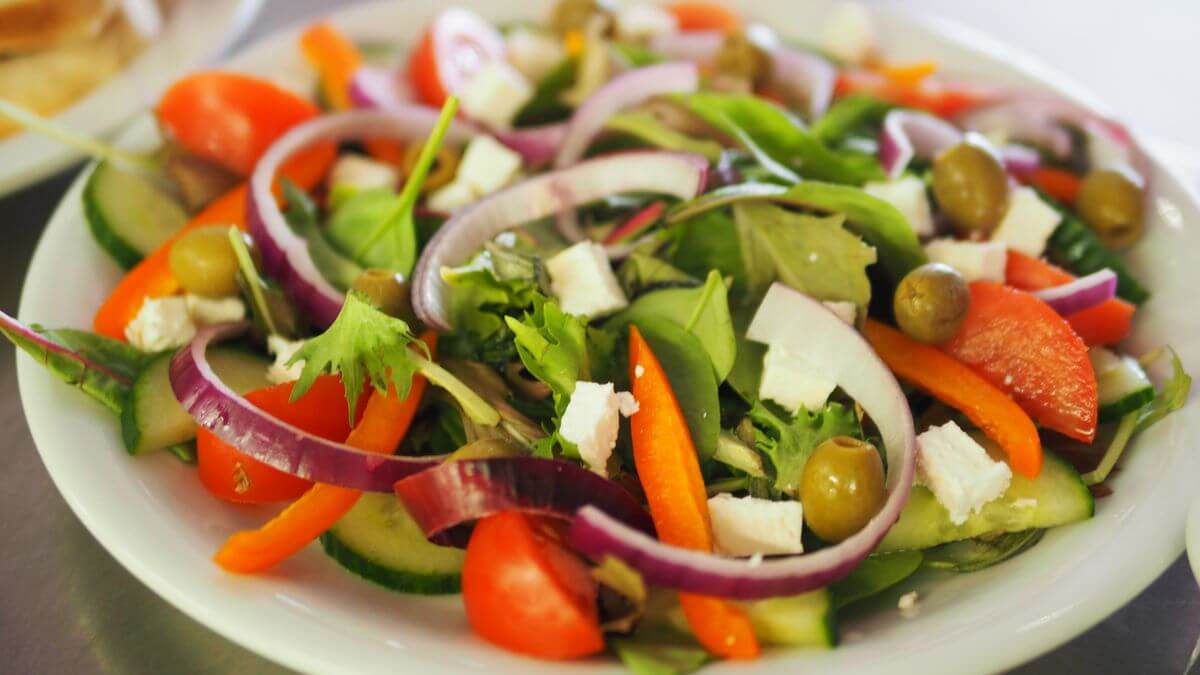
- Monday — paleo chicken salad (12 minutes). Cooked chicken, crisp vegetables and a sharp dressing. Add a slice of toast or leftover potatoes if you need more energy after a hard session.
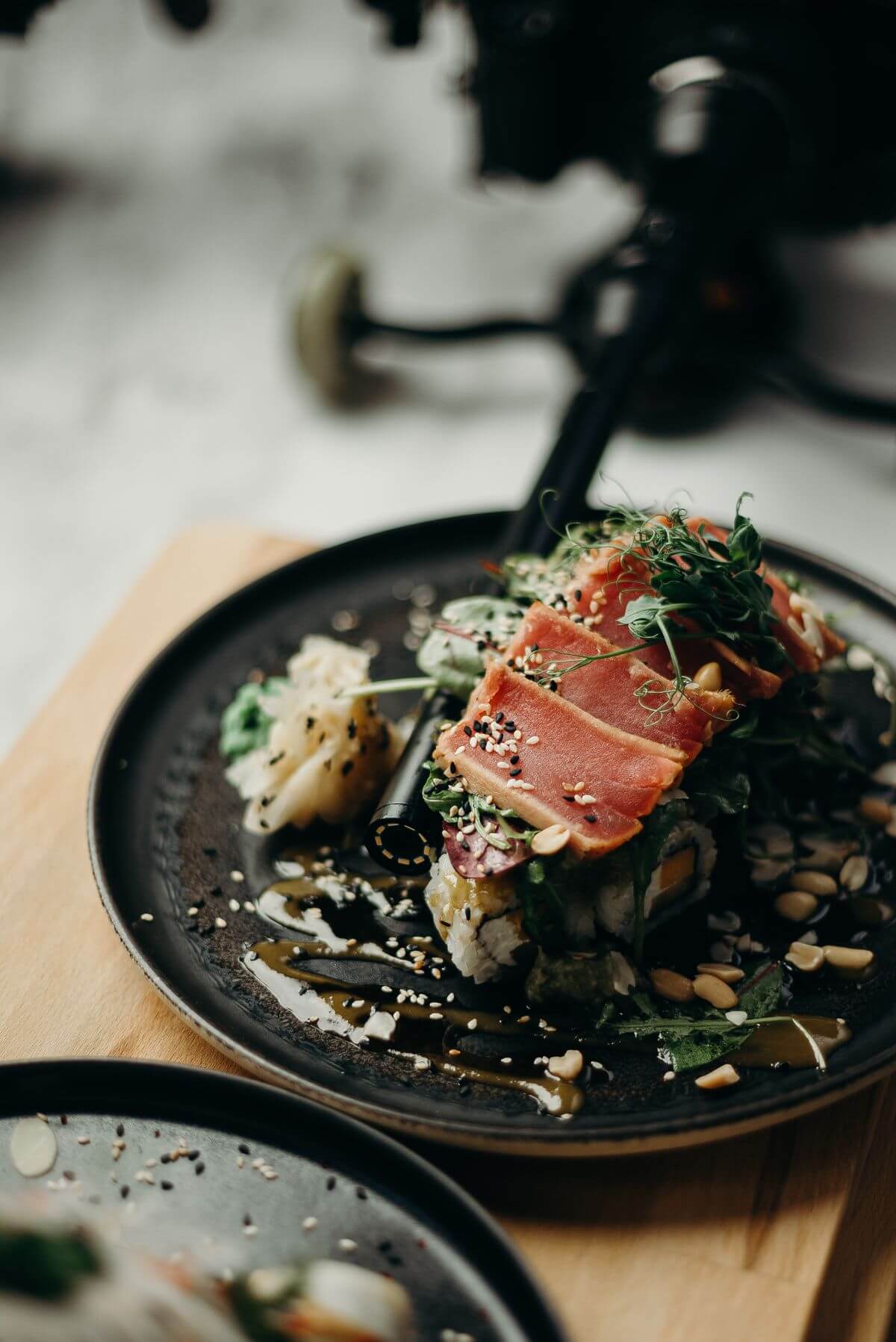
- Tuesday — sesame crusted tuna steaks (14 minutes). A hot pan, a short sear and a bag of salad. This is the fastest “real dinner” in the rotation and needs almost no prep.
- Wednesday — tofu scramble (20 minutes). Eggs or tofu, spinach, tomatoes and toast. Breakfast-for-dinner is a legitimate post-workout meal, especially when you are too tired to be ambitious.
- Thursday — turkey lettuce wraps (20 minutes). A fast pan of turkey with crunchy leaves and a sauce. If lettuce feels too light, add rice or a tortilla on the side.
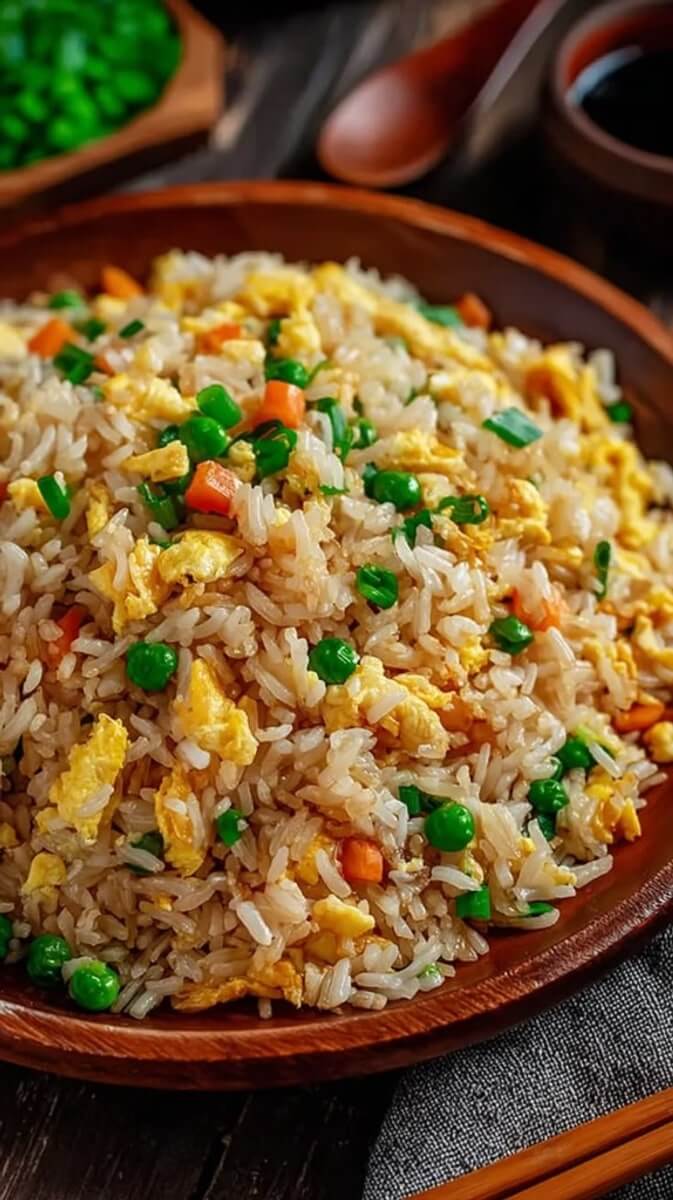
- Friday — quick egg fried rice (18 minutes). Leftover rice, eggs, frozen peas and a little soy sauce. Add prawns or chicken if you have them; the eggs alone are a fine fallback.
If you do not have the exact ingredient, swap the protein and keep the shape: something fast, something starchy, something green, something sharp. That is the whole system.
The short grocery list
You do not need a separate “athlete” shopping list. Build the week around a few repeatable items and let the recipes share them:
- Proteins: chicken, tuna steaks or canned tuna, eggs, tofu, turkey mince, beans or lentils.
- Fast carbohydrates: rice, couscous, tortillas, flatbread, potatoes.
- Vegetables: salad leaves, cucumber, tomatoes, spinach, frozen peas or mixed vegetables.
- Flavour: lemons, garlic, soy sauce, olive oil, a jar of pesto or a yogurt-based dressing.
That list covers all five dinners above with small swaps. It also keeps the shop short, which matters more than a perfect macro breakdown on a Tuesday night. If you want the longer version, the high protein meal plan has a full week, and the grocery list generator can turn a plan into one list.
Prep one thing on Sunday
Batch-cooking five meals is not required. One small prep task removes most of the friction:
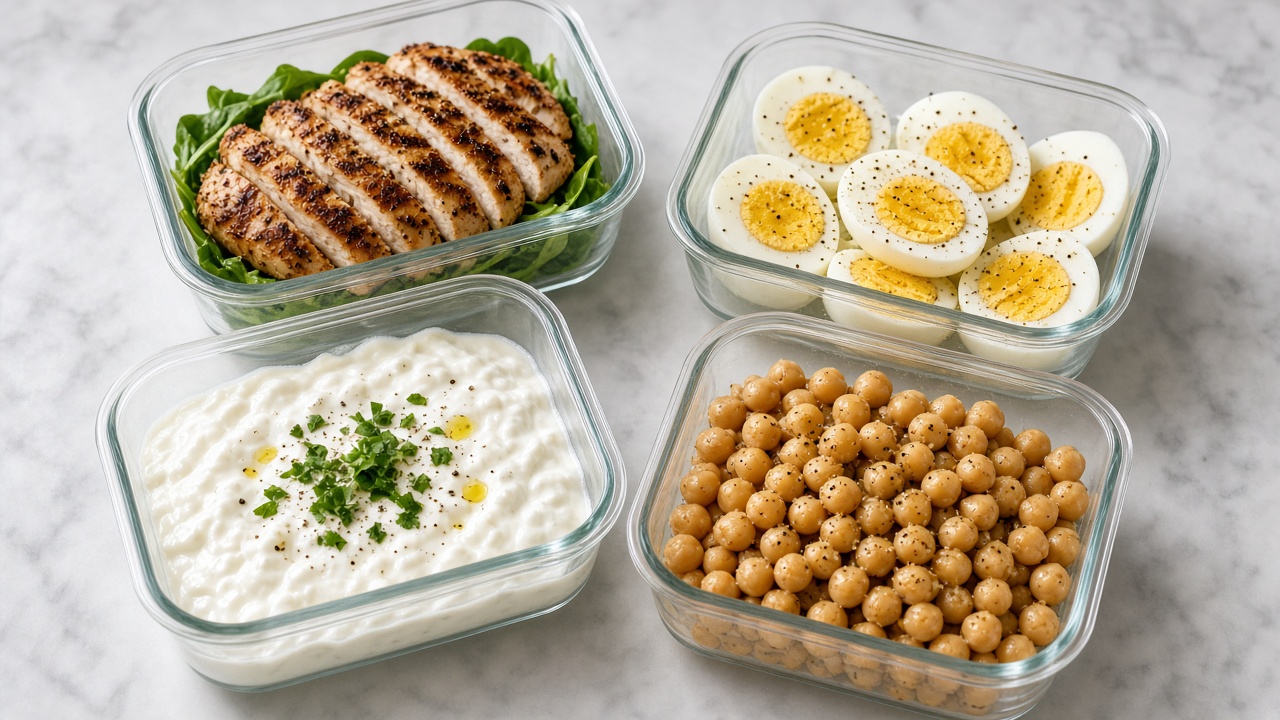
- Cook a pot of rice or grains and refrigerate it.
- Wash and dry salad leaves; keep them in a container with a paper towel.
- Cook two chicken breasts or a block of tofu, then slice them for the first half of the week.
- Mix one sauce — lemon and olive oil, yogurt and herbs, or soy, vinegar and sesame — and keep it in a jar.
Fifteen minutes on Sunday buys you three dinners that start from “reheat and assemble” instead of “chop everything.” It is not a meal-prep competition; it is a head start.
When you are too tired to cook
Some nights the honest answer is a no-cook plate: canned tuna or chickpeas, salad, olive oil, salt, bread or crackers. That is still dinner, and it still contains protein, carbohydrate and vegetables. The goal is to make the easy option a decent one, not to prove you can cook under pressure.
If you know the week is going to be heavy, plan one of these nights on purpose. A planned no-cook night is not a failure of the plan; it is the plan doing its job.
Mistakes that make it harder
- Waiting until you are starving to decide. Decide the protein before you shower, not after you have opened three cupboards.
- Buying only supplements and no food. A shake can be useful, but it is not a dinner. Keep something chewable in the fridge.
- Choosing a 45-minute recipe on a 20-minute night. Check total time, not just the active steps.
- Skipping carbohydrates. They are part of recovery and they make the meal satisfying. Rice, bread, potatoes and fruit all count.
- Making every dinner a project. The best post-workout meal is the one you repeat comfortably, not the one you cook once and never again.
A week that fits real life
Monday through Friday, the pattern above gives you five dinners, one short grocery list, and no night that depends on a 45-minute oven timer. Saturday can be leftovers or a slow recipe if you have the energy. Sunday can be the fifteen-minute prep. That is not a perfect training diet; it is a repeatable week that leaves you fed after the sessions that matter.
If you want the app to do the sorting, Recipe Planning builds a weekly plan around your diet and allergies, then consolidates the ingredients into one grocery list. You still choose what sounds good; the plan just removes the blank-page problem.