Recipe Planning
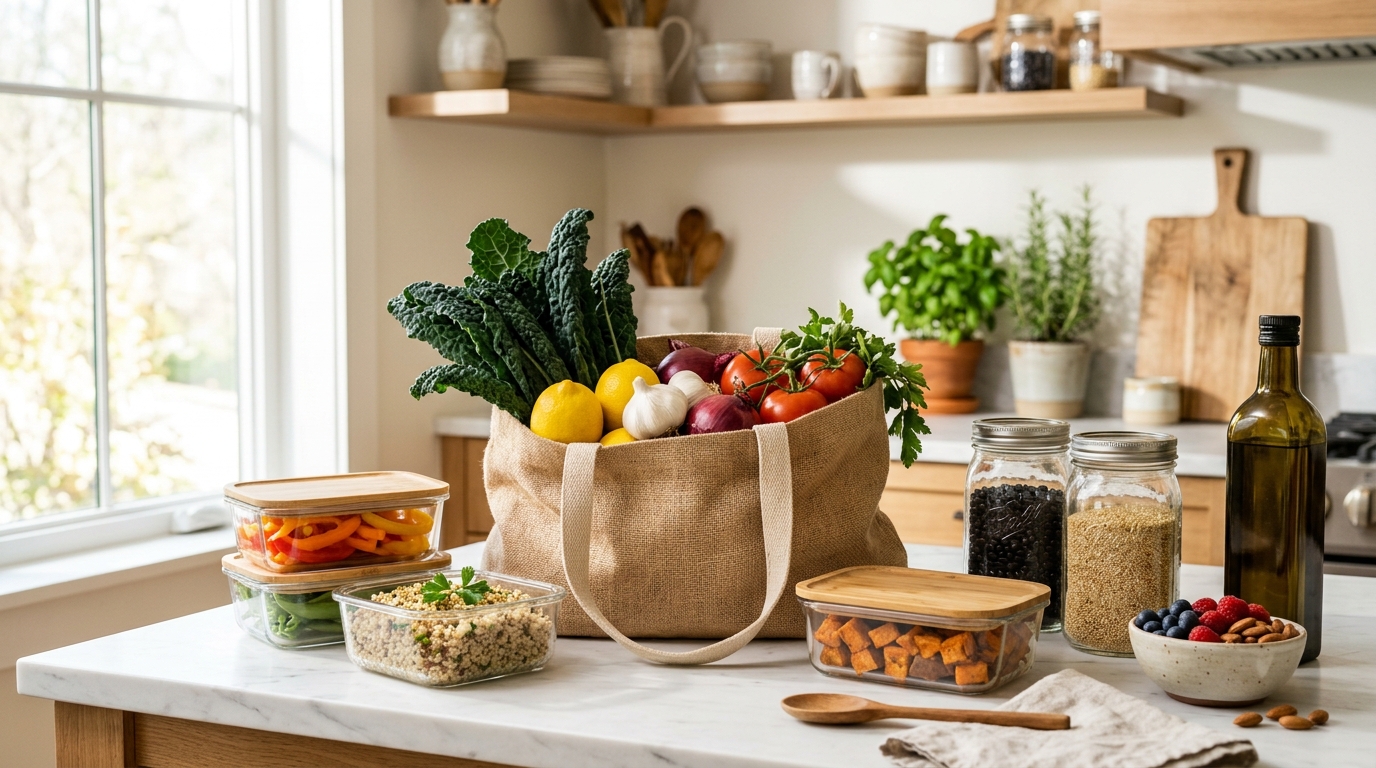
A heart-healthy lifestyle does not begin on the stovetop; it begins in the supermarket aisles. Modern grocery stores are masterclasses in behavioral engineering, with endcap displays, colorful packaging, and checkout lines deliberately calibrated to trigger impulsive purchases of sodium-laden, sugar-dense convenience foods. If you walk into a market without a structured plan, you will inevitably end up with a cart that undermines your cardiovascular intentions.
Transforming your weekly shopping trip into an effortless, health-promoting routine requires an organized, perimeter-focused grocery framework. By categorizing your shopping list into botanical produce, lean marine proteins, intact bulk grains, and shelf-stable pantry enhancers, you can navigate any grocery store in under 30 minutes while assembling a fortress of cardioprotective ingredients. This practical guide provides the master shopping list, smart ingredient swaps, and batch prep protocols to set your week up for total success.
Important: This guide is for general meal-planning ideas only, not medical advice or treatment. If you have high blood pressure, heart disease, high cholesterol, PCOS, or take medication, follow your clinician or registered dietitian's plan. Never change medication or treatment based on a blog post.
The 5-Zone supermarket navigation blueprint
To maximize nutrient density and minimize temptation, organize your cart using the Five-Zone Supermarket Strategy:
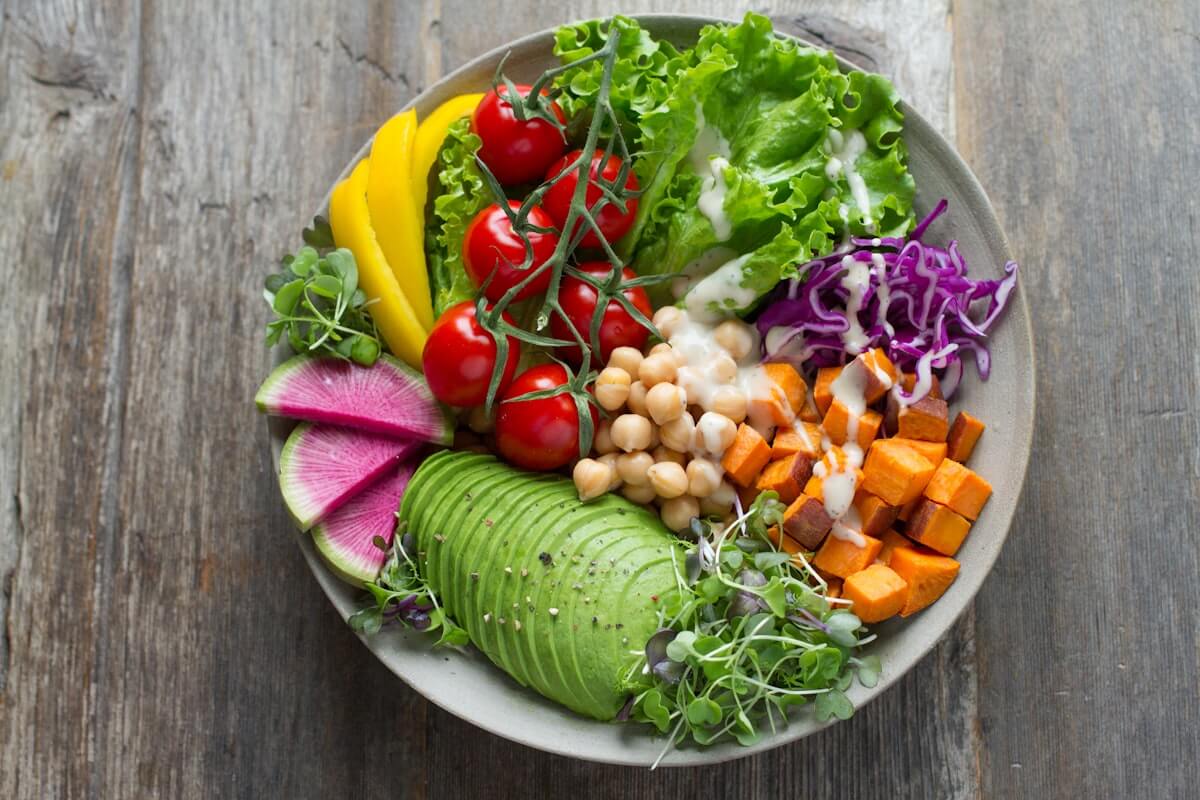
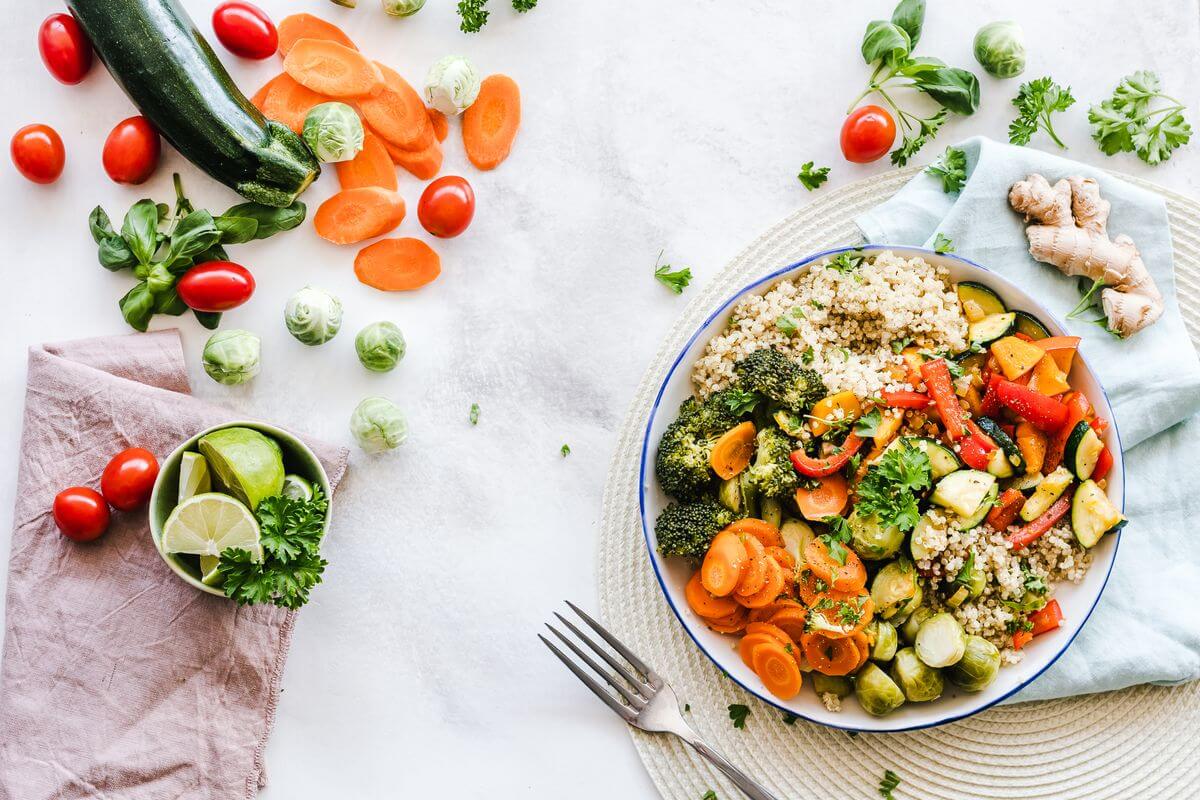
- Zone 1: The Fresh Produce Perimeter: Spend 40% of your total shopping budget and time here. Prioritize dark leafy greens (kale, spinach, arugula, Swiss chard), crucifers (broccoli, Brussels sprouts, cauliflower), colorful alliums (garlic, red onions, shallots), and deep-pigment berries (blueberries, blackberries, strawberries). These foods provide potassium, magnesium, and vascular nitric-oxide precursors.
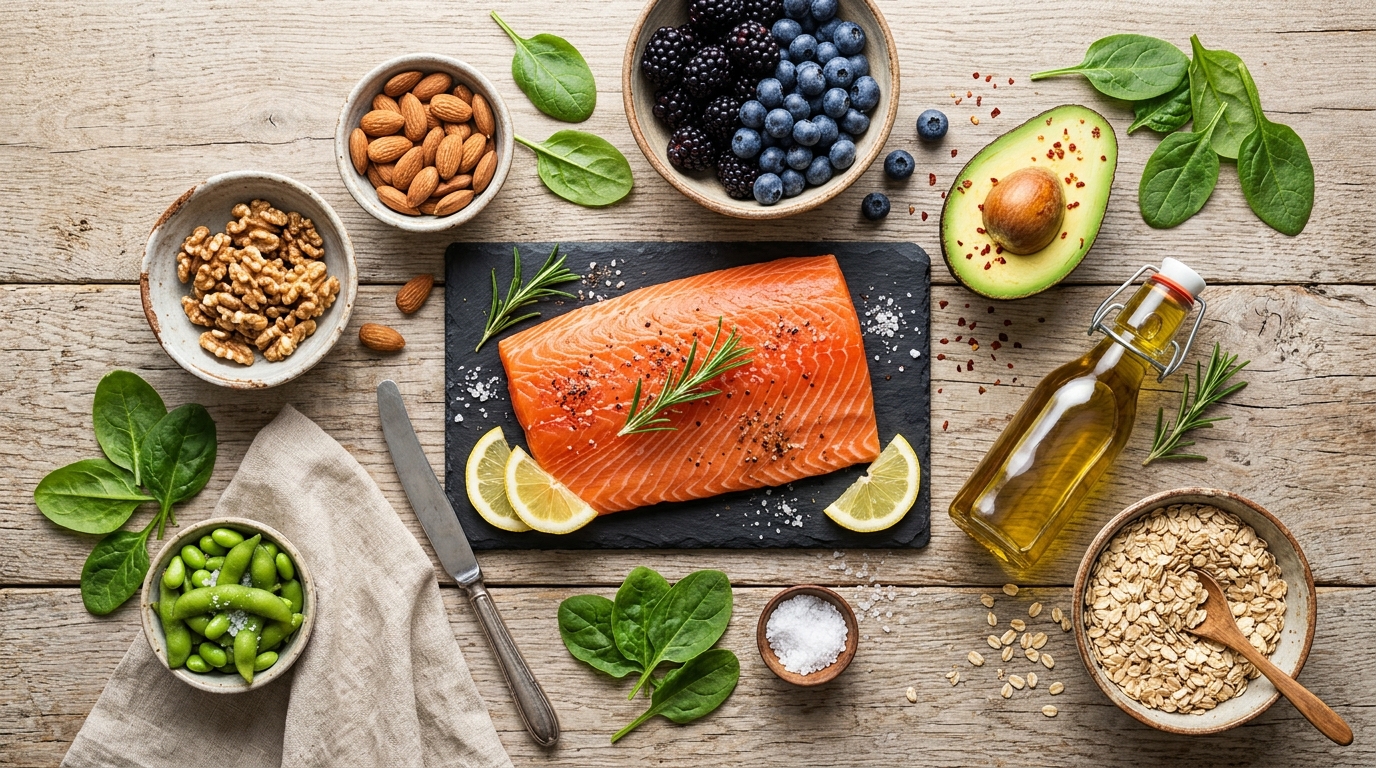
- Zone 2: Fresh Seafood & Lean Poultry: Select wild-caught oily fish (salmon, mackerel, trout) for anti-inflammatory marine omega-3 fatty acids, alongside skinless chicken breasts or turkey cutlets. Avoid pre-marinated or pre-seasoned poultry cuts, which are routinely injected with high-sodium phosphate solutions.
- Zone 3: Center-Aisle Whole Grains & Legumes: Skip the sugary breakfast cereals and head straight for dry or steel-cut rolled oats, farro, tri-color quinoa, brown basmati rice, dry brown lentils, and no-salt-added canned chickpeas and black beans.
- Zone 4: Healthy Fats & Nut Butters: Pick up cold-pressed extra virgin olive oil in dark glass bottles (which protects delicate polyphenols from light oxidation), raw unroasted walnuts, raw almonds, chia seeds, and 100% natural peanut or almond butter containing only nuts and salt-free oil.
- Zone 5: Low-Sodium Pantry Flavor Anchors: Stock up on no-salt-added crushed tomatoes, unsalted vegetable or chicken broth, raw apple cider vinegar, balsamic vinegar, Dijon mustard, and single-origin whole spices.
Master heart-healthy grocery swap chart
Upgrading your cardiovascular pantry does not require giving up comfort; it simply requires swapping industrial shortcuts for nutrient-rich whole foods:
| Conventional High-Risk Item | Cardioprotective Swap | Nutritional & Cardiovascular Rationale | Everyday Culinary Application |
|---|---|---|---|
| Commercial salted butter & margarine | Cold-pressed extra virgin olive oil or avocado oil | Substitutes atherogenic palmitic saturated fat with monounsaturated oleic acid. | Sautéing vegetables, dressing warm grains, finishing soups. |
| Canned cream-based soups & bouillons | No-salt-added vegetable broth or bone broth | Eliminates 800–1,200 mg sodium per serving while removing saturated dairy fat. | Base for homemade hearty lentil soup and stews. |
| Standard white sandwich bread & rolls | 100% whole-grain sprouted or artisanal sourdough | Retains intact germ and bran, boosting soluble fiber and lowering glycemic spike. | Morning avocado toast, lean turkey sandwiches. |
| Pre-marinated poultry & pork chops | Plain air-chilled skinless chicken breasts | Avoids industrial sodium phosphate brines that elevate blood pressure. | Sear in olive oil for lemon herb chicken. |
| Bottled creamy ranch & Caesar dressings | Homemade lemon, EVOO, and Dijon vinaigrette | Removes inflammatory soybean oil, added cane sugars, and synthetic stabilizers. | Toss over mediterranean quinoa salad. |
| Flavored potato chips & salted crackers | Raw walnuts, almonds, and roasted chickpeas | Provides plant sterols, magnesium, and arginine for healthy vascular dilation. | Afternoon desk snack, crunchy salad topper. |
| Farmed tilapia or breaded fish sticks | Wild Alaskan salmon or Atlantic sardines | Multiplies cardioprotective EPA and DHA omega-3 concentrations fivefold. | Quick weeknight herb-baked salmon. |
The complete weekly shopping checklist
Take this checklist with you on your next market trip, or generate an organized digital list using our free grocery list generator:
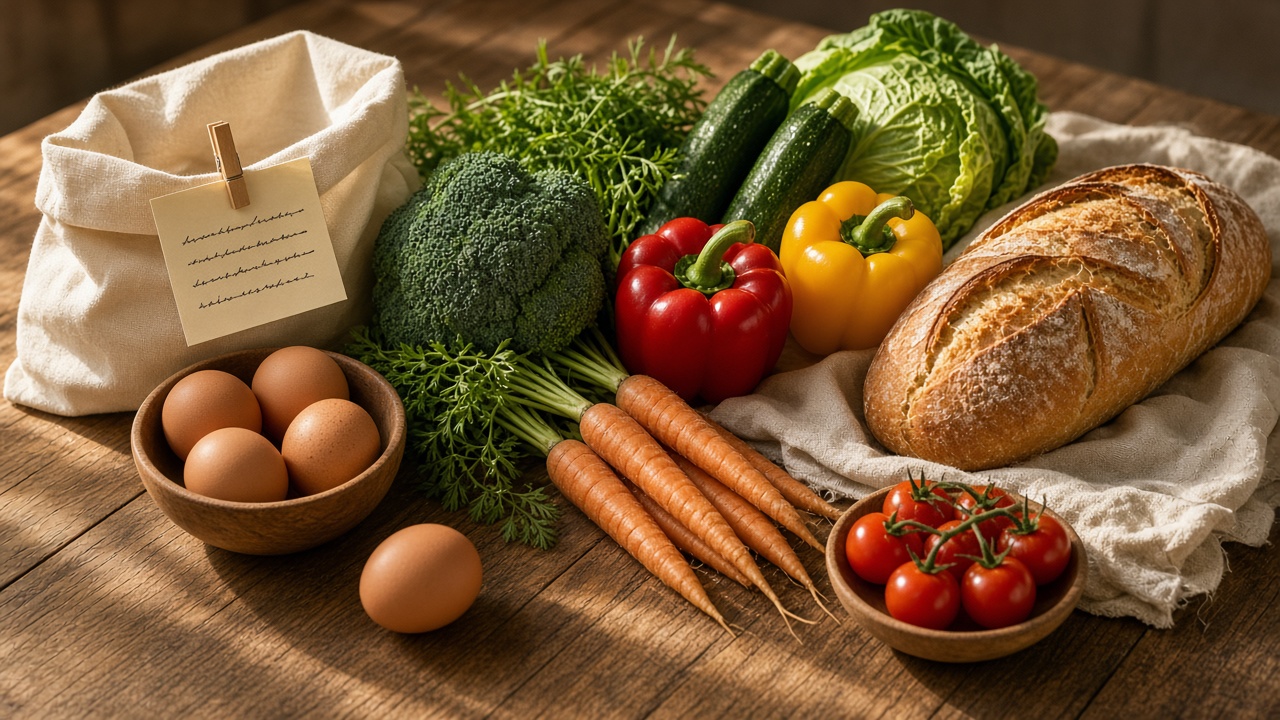
- Produce: 2 bags baby spinach, 1 head broccoli, 1 bunch asparagus, 2 sweet potatoes, 1 container fresh blueberries, 1 pint cherry tomatoes, 3 lemons, 1 bulb garlic, 1 bunch fresh cilantro or parsley.
- Proteins: 1.5 lbs wild salmon fillets, 1.5 lbs boneless skinless chicken breasts, 1 package organic firm tofu, 1 dozen pasture-raised eggs.
- Grains & Legumes: 1 container rolled oats, 1 bag tri-color quinoa, 2 cans no-salt-added chickpeas, 2 cans no-salt-added black beans, 1 bag brown lentils.
- Nuts, Seeds & Oils: 1 bottle extra virgin olive oil, 1 bag raw walnuts, 1 bag chia seeds, 1 jar unsalted natural almond butter.
- Pantry Staples: 2 cartons unsalted vegetable broth, 2 cans no-salt-added diced tomatoes, 1 jar Dijon mustard, 1 bottle apple cider vinegar, black peppercorns.
What fails: 5 supermarket traps to avoid
- Falling for the "Cholesterol-Free" front-label trick: Food marketers frequently plaster "Zero Cholesterol!" across bags of potato chips, sugary cereals, and refined crackers. Dietary cholesterol is found solely in animal products; a food made of 100% white flour and palm oil is naturally cholesterol-free, yet it severely harms cardiovascular health by driving triglyceride production and arterial inflammation. Always flip the box and inspect the Nutrition Facts panel for saturated fat, sodium, and fiber.
- Buying "Reduced Sodium" instead of "Low Sodium": The regulatory term "Reduced Sodium" simply means the product has 25% less sodium than the manufacturer's original version. If a regular canned soup contains 1,200 mg of sodium, the "reduced" version still packs 900 mg—far too high for a heart-healthy diet. Look specifically for "Low Sodium" (≤140 mg) or "No Salt Added".
- Purchasing roasted and salted bulk nuts: Supermarket roasted nut mixes are often fried in cheap cottonseed or palm oils and coated in heavy table salt. Purchase exclusively raw, unroasted, unsalted nuts. You can easily toast them at home in a dry skillet for 3 minutes to achieve irresistible crunch and flavor without added fats or sodium.
- Over-buying delicate produce that rots in the crisper drawer: Buying five containers of baby berries and three heads of lettuce at once often results in half the food turning to slime, wasting money and creating frustration. Buy sturdy vegetables (carrots, cabbage, sweet potatoes, apples) alongside frozen organic berries and frozen broccoli florets, which have identical nutrient retention to fresh produce.
- Shopping hungry on a weekday evening: Entering a grocery store while experiencing low blood sugar and decision fatigue guarantees impulse purchases. Eat a high-protein snack (like a handful of almonds or a glass of water) before shopping, and stick strictly to your generated list.
Frequently asked questions
Are frozen fruits and vegetables just as heart-healthy as fresh?
Yes, and in many instances they are nutritionally superior. Commercially frozen produce is flash-frozen within hours of harvest at peak ripeness, preserving sensitive micronutrients like vitamin C, folate, and polyphenols. Fresh produce that has spent two weeks in transit and on display shelves often loses up to 30% of its vitamin content. Just ensure the frozen ingredient list contains only the fruit or vegetable, with no added butter sauces, sugars, or salt.
How do I tell if a bread product is genuinely 100% whole grain?
Ignore marketing terms like "Multigrain", "Seven-Grain", or "Wheat Bread", which are frequently made from refined white flour colored with caramel syrup. Look for the phrase "100% Whole Wheat" or "100% Whole Grain" as the very first item on the ingredient list. Ensure each slice delivers at least 3 grams of dietary fiber and less than 150 mg of sodium.
How long do fresh heart-healthy meal preps last in the refrigerator?
Cooked whole grains (quinoa, brown rice, farro) and cooked legumes keep safely in airtight glass containers for 4 to 5 days. Cooked chicken breast and baked salmon should be consumed within 3 to 4 days. If you prep a full week of dinners, freeze portions for Thursday and Friday immediately after cooking, and thaw them in the refrigerator overnight on Wednesday.
How do I convert this grocery list into an automated weekly shopping plan?
Our free digital suite automates the entire process. Use our meal plan generator to create a custom week, export the ingredients into our grocery list generator organized by supermarket aisle, and find fast dinner ideas for leftover pantry staples with our leftover finder.