Recipe Planning
The fastest route to severe parental burnout during an infant's first year is attempting to run a short-order restaurant in your own kitchen—cooking one meal for tired adults, pureeing a separate puree for an eight-month-old, and making a third backup dinner for a stubborn toddler. Sustainable family meal planning does not require segregating your infant into a culinary silo of commercial jars and plastic pouches. The clinical and culinary solution is deconstructive cooking: preparing a single nutrient-dense foundation meal for the entire household, adapting textures and seasoning thresholds for infant safety, and serving everyone from the exact same table.
Important Pediatric Notice: This guide provides general nutritional frameworks, culinary preparation guidelines, and caregiver meal-planning routines. It is not medical or feeding advice. Every infant and toddler develops oral-motor chewing mechanics and digestive tolerance on an individual timeline. Always consult your pediatrician, child health nurse, or pediatric dietitian before introducing solid foods or altering dietary textures. Never offer honey in any form to an infant under 12 months due to the risk of life-threatening infant botulism. Always modify round, hard, and cylindrical foods to eliminate choking risks.
When families eat together, babies thrive. Cognitive and behavioral neuroscience confirms that infants learn the complex mechanical art of chewing, swallowing, and utensil manipulation through mirror neurons and social modeling. When an infant watches their parents and siblings enthusiastically chew and swallow colorful family foods, mealtime becomes a reassuring community ritual rather than an isolated high-chair test.
The Deconstructive Cooking Framework
Deconstructive cooking allows you to prepare gourmet, flavorful dinners for adults while effortlessly producing age-appropriate, salt-safe portions for infants and toddlers from the very same pot. The system follows four repeatable culinary stages:
- Stage 1 — The Neutral Whole-Food Base: Select a foundation meal consisting of a lean protein, a complex carbohydrate, and one or two vegetables. Cook the base ingredients together using healthy cooking fats (olive oil, avocado oil, grass-fed butter) and aromatic non-spicy herbs (garlic, onion, thyme, cumin, rosemary, dill), but add zero table salt, zero soy sauce, and zero honey.
- Stage 2 — The Pediatric Extraction Point: Once the ingredients reach fork-tender doneness, pull the infant and toddler portions directly from the pan into separate small bowls. Modify the textures according to each child's stage:
- For 6–8 Months: Mash with a fork and a splash of cooking broth, or cut into adult-finger-sized batons for baby-led weaning.
- For 9–12 Months: Finely shred meat fibers across the grain and dice soft vegetables into pea-sized cubes to exercise the pincer grasp.
- For 1–3 Years: Serve components deconstructed into distinct compartments on a divided plate with a dipping sauce.
- Stage 3 — The Adult Finishing Flare: Return to the main adult skillet or pot on the stove. Now add the coarse sea salt, cracked black pepper, soy sauce, hot chili pastes, toasted nuts, capers, or finishing vinaigrettes. In less than 60 seconds of post-extraction seasoning, adult portions transform into deeply seasoned restaurant-caliber meals.
- Stage 4 — Unified Plating: Everyone sits down at the table simultaneously, eating visibly similar foods. Scale ingredients for any family size using our servings scaler.
Infant Renal Physiology: Why Salt Control Matters
The primary reason commercial family recipes cannot be served directly to infants under twelve months is excessive sodium. An infant's kidneys undergo rapid nephrogenesis and functional maturation throughout the first year of life; their glomerular filtration rate (GFR) is significantly lower than that of an older child or adult.
Pediatric nephrologists and health organizations recommend limiting infant sodium intake to less than 400 milligrams per day (equivalent to under 1 gram of table salt daily). Excess dietary sodium forces immature infant kidneys to expend vital cellular energy clearing hypertonic solute loads, increasing dehydration risks and priming lifelong hypertension and taste-preference thresholds for hyper-salted processed foods.
Aromatics vs. Capsaicin: Developing the Global Palate
A common culinary misconception is that infant food must be bland, unseasoned, and boring. In cultures across South Asia, the Mediterranean, the Middle East, and Latin America, infants routinely consume aromatic dishes from their very first bites.
The key distinction is between flavorful aromatics and irritating capsaicin:
- Embrace Aromatic Herbs and Spices: Ground cumin, coriander, turmeric, mild smoked paprika, sweet cinnamon, minced garlic, fresh ginger, oregano, basil, and fresh mint are completely safe and highly beneficial for babies. They expand olfactory horizons, stimulate digestive enzymes, and deliver potent botanical polyphenols.
- Exclude Pain-Inducing Capsaicin: Hot chili peppers, cayenne pepper, wasabi, and high-heat curries contain capsaicin, a chemical irritant that binds to TRPV1 pain receptors on the tongue and oral mucosa, causing a burning sensation that terrifies infants. Reserve hot chili flakes and sriracha as finishing condiments for adult plates at the table.
7-Day "Cook Once, Adapt for All" Meal Plan
This master 7-day schedule demonstrates how one baseline dinner effortlessly feeds adults, a 6–9 month infant, a 9–12 month infant, and a toddler. Use our grocery list generator to create a single consolidated family shopping list.
| Day | Family Base Dish | Adult Finishing Flare | Baby 6–9 Months Modification | Baby 9–12 Months & Toddler Mod |
|---|---|---|---|---|
| Mon | Lemon herb roasted chicken thighs with sweet potatoes and green beans (recipe) | Flaky sea salt, cracked black pepper, extra lemon zest, and toasted almonds | Thick sweet potato baton rolled in hemp seeds; soft shredded chicken thigh bundle | Bite-sized diced sweet potato cubes; fork-shredded chicken; green beans cut to 1/2" |
| Tue | Hearty lentil, carrot, and potato soup simmered in rich bone broth (recipe) | Stir in sea salt, crushed red pepper flakes, and a dollop of sour cream or pesto | Ladle out 1 cup; blend smooth or thick mash; offer pre-loaded silicone spoon | Serve as rustic chunky stew with warm buttered sourdough toast strips for dipping |
| Wed | Mild vegetable stir-fry with cubed firm tofu and jasmine rice (recipe) | Tamari/soy sauce, toasted sesame oil, sriracha, and fresh scallions | Long firm tofu batons lightly sautéed in garlic oil; steamed soft broccoli floret with handle | Diced tofu cubes; steamed edamame beans (smashed flat); small jasmine rice balls |
| Thu | Whole-wheat pasta spirals with ground turkey, spinach, and mushrooms (recipe) | Grated aged parmesan, kosher salt, chili oil, and fresh chopped basil | Large spiral fusilli pasta for palmar grasping; turkey-spinach sauce blended smooth | Pasta spirals cut in half; ground turkey crumbles; grated mozzarella |
| Fri | Oven-baked wild salmon fillets with steamed butternut squash and quinoa | Dijon mustard glaze, coarse salt, chopped dill, and lemon butter | Flaked salmon (meticulously checked for pin bones); mashed squash with olive oil | Bite-sized salmon flakes; small squash cubes; quinoa mixed with yogurt for clumped picking |
| Sat | Tender beef stew simmered with carrots, celery, and baby potatoes | Coarse salt, Worcestershire sauce, and fresh thyme sprigs | Tender beef shreds mashed with sweet potato and cooking broth into spoonable mash | Bite-sized tender beef chunks; quartered soft potatoes and carrots |
| Sun | Mild chickpea and coconut curry with soft cauliflower and basmati rice | Kosher salt, minced fresh cilantro, and hot chili oil drizzle | Soft cooked cauliflower floret; cooked chickpeas mashed completely flat with coconut milk | Whole cauliflower pieces; slightly smashed chickpeas; warm basmati rice mixed with curry sauce |
High-Chair Ergonomics and Family Table Inclusivity
Bringing a baby to the family table is more than logistical convenience—it is foundational behavioral conditioning:
- Pull the High Chair Directly to the Table: Remove the plastic high-chair tray whenever possible and slide the high chair directly up to the family dining table. Sitting at table height integrates the baby into the social fabric of dinner, allowing them to feel part of the communal meal.
- Tolerate Mess as Neurological Learning: When an infant drops food, smears avocado on the table, or examines a noodle with both hands, they are conducting sensory physics experiments. Resist the urge to constantly wipe their mouth or hands with wet wipes during the meal, which creates negative sensory associations. Clean up once dinner has ended.
- Eat the Same Food Visibly: If you are encouraging your child to try roasted salmon or broccoli, let them see you actively eating and enjoying that exact food from your own plate. Seeing trusted caregivers consume a food is the most powerful evolutionary trigger for safety and palatability.
What Fails: 5 Common Family Meal Prep Mistakes
- Mistake 1: Cooking Separate Meals Out of Anticipated Failure. Assuming your toddler or baby won't eat what the family is having—and proactively cooking a backup batch of frozen chicken nuggets—ensures they will never adapt to family meals. Always serve the family base meal first.
- Mistake 2: Salting the Entire Pot Before Portion Extraction. A momentary slip of habit—tossing a tablespoon of kosher salt or bouillon cube into the soup pot early—ruins the batch for an infant under twelve months. Keep table salt strictly at the kitchen counter for final seasoning.
- Mistake 3: Over-Complicating Weeknight Dinners. Attempting to prepare 5-course gourmet meals with multiple side pans leads to chaos. Stick to 1-pan sheet dinners, slow-cooker braises, and skillet meals where proteins, carbohydrates, and vegetables cook together harmoniously.
- Mistake 4: Expecting Long High-Chair Endurance. An infant or toddler's physical tolerance for sitting strapped in a high chair is typically 15 to 20 minutes maximum. Do not expect them to sit through an hour-long multi-course dinner. When they signal fullness or restlessness, release them to play while adults finish dining.
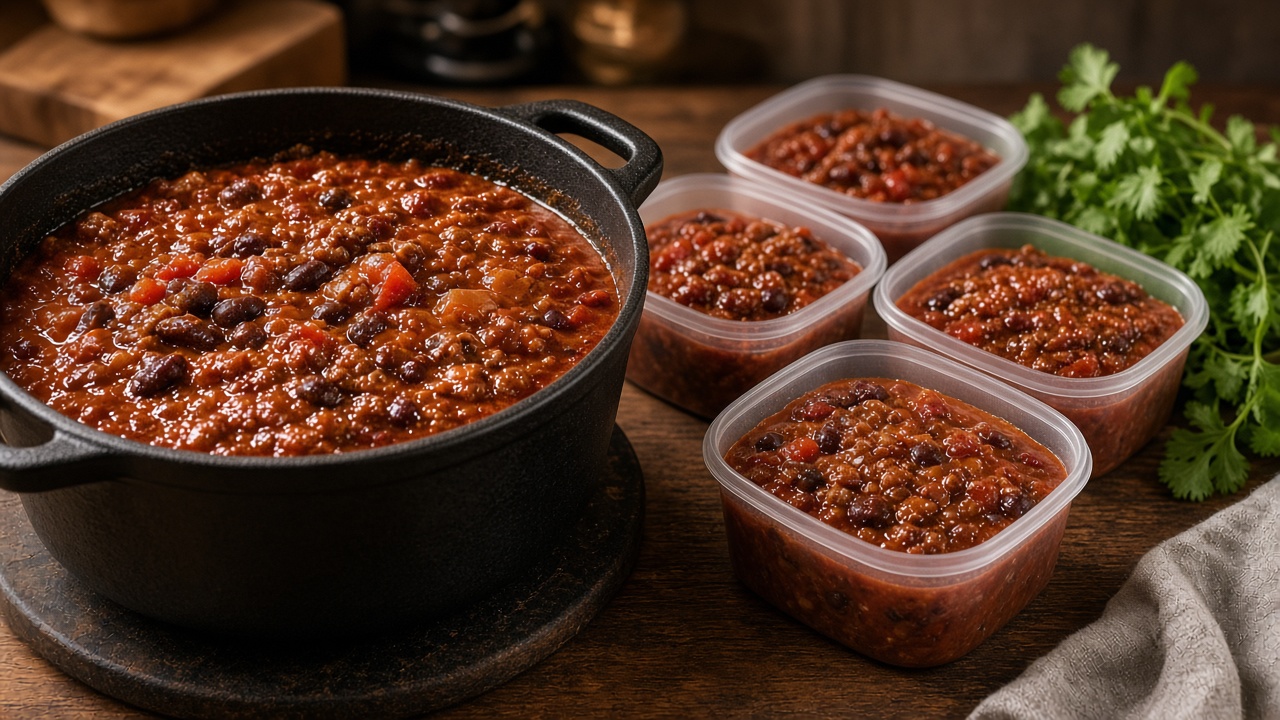
- Mistake 5: Storing Leftovers in Unlabeled Containers. When storing deconstructed elements in the refrigerator, clearly label which portions are unsalted/baby-safe so partners or babysitters don't inadvertently feed salted adult portions to the infant.
Frequently Asked Questions
At what age can a child eat 100% of whatever the family eats without modifications?
By approximately 12 to 15 months of age, most healthy toddlers can transition to consuming the vast majority of family meals without special texture modifications, provided that choking hazards (such as whole grapes, hard raw carrots, and whole nuts) remain modified until age 4, and sodium levels remain moderate.
How can I adapt heavily spiced or hot curry dishes for a baby?
Cook the curry base with rich coconut milk, onions, garlic, ginger, turmeric, and cumin. Before adding hot chili powder, cayenne, or jalapeños, ladle out a 1-cup portion of the mild aromatic curry for the baby and mix it with soft rice or mashed lentils. Add hot chilies and salt to the remaining adult curry pot.
How do you manage dinner timing when a baby's bedtime is 6:30 PM?
If adult work schedules make eating together at 5:30 PM impossible, have one parent sit with the baby for a quick, relaxed 15-minute meal at 5:30 PM, sharing a small plate of the family ingredients (or pre-prepped batch portions). Later, when adults dine together at 7:30 PM, you can still enjoy an intimate adult meal without cooking separate cuisines.
What kitchen tools make deconstructive meal prep fast and effortless?
Three essential tools streamline family meal prep: a high-quality food-grade immersion stick blender (for turning soups into purees in seconds), an adjustable silicone baby suction bowl with divider sections, and sharp kitchen shears (for cutting pancakes, pasta spirals, and meats into toddler bites in seconds right at the table).
Helpful resources from Tap Baby Care
If you are planning meals, routines, or navigating growth milestones for your infant or toddler, Tap Baby Care provides research-backed clinical trackers and developmental guides that pair seamlessly with meal planning:
- Baby Development Hub (0–12 Months) — Evidence-based milestone timelines, sleep guides, and complementary feeding trackers for the foundational first year.
- Toddler Care & Routines (13–36 Months) — Practical guidance for managing toddler developmental leaps, behavior shifts, and family meal integration.
- Stage-by-Stage Age Guides — Month-by-month nutritional readiness indicators, physical milestones, and age-calibrated activity ideas.
- Wake Window Calculator — Calculate age-appropriate daytime wake windows to align feeding times with optimal hunger and alert states.
- Baby Feeding Calculator — Estimate liquid feeding volumes (breast milk and formula) based on your infant's weight and age.
- Newborn Diaper Tracker — Log daily wet and dirty diapers to monitor hydration status and digestive efficiency.
- Baby Growth Percentile Calculator — Track WHO growth curve trajectories for weight, length, and head circumference for pediatrician visits.
- Printable Baby Log — Comprehensive paper logs to track feedings, sleep intervals, and diaper changes during shifts.
- Newborn Essentials Checklist — Practical prep lists for nursery setup, caregiver stations, and infant feeding gear.
- Tap Baby Care Articles — Deep dives across baby feeding, newborn care, sleep hygiene, and milestones & routines.
Educational content only — not medical advice. Always consult your pediatrician, child health nurse, or pediatric feeding therapist for individual guidance.