Recipe Planning
Eid-ul-Adha brings a massive influx of fresh meat into Muslim households over a compressed 72-hour window. Between receiving portions from family, neighbors, and community distributions, many home cooks suddenly face 20 to 50 pounds of unchilled beef, lamb, or goat. The meat that spoils or develops freezer burn over the following months is almost always the meat that was packed without a plan on Day One.
Managing Qurbani meat effectively requires establishing a clear cold chain, portioning by muscle structure rather than convenience, matching each cut to its optimal cooking method, and creating an organized freezer inventory. While questions regarding ritual slaughter, religious rulings, and distribution ratios belong with your local imam or trusted Islamic scholar, this practical kitchen guide covers the culinary science: food safety guidelines, tenderizing chemistry, freezer timelines, and a step-by-step post-Eid meal prep blueprint. For broad meal prep foundations, explore our batch cooking guide and how to stop food waste.
Before the meat arrives: pre-Eid kitchen preparation
The single biggest mistake home cooks make is waiting until bags of warm, freshly butchered meat arrive on the kitchen counter before preparing storage space. Preparing your kitchen 24 hours in advance prevents dangerous bacterial growth and kitchen chaos.
- Sanitize and calibrate cooling appliances: Your refrigerator must run at or below 40°F (4°C), and your deep freezer must maintain 0°F (-18°C) or colder. If your freezer is packed with old ice cream tubs or half-empty bags of frozen peas, clear an entire shelf specifically for rapid freezing.
- Assemble packaging supplies: Stock up on heavy-duty freezer zip-top bags (quart and gallon sizes), butcher paper, heavy-duty aluminum foil, permanent waterproof markers, and disposable food prep gloves.
- Prep the cold transport chain: If you are collecting meat directly from a slaughterhouse, farm, or butcher facility, line clean plastic coolers with ice packs or frozen water bottles. Never transport warm meat in a sealed car trunk in warm weather without active ice cooling.
- Dedicate workstation trays: Set out rimmed stainless steel baking sheets lined with parchment. These keep raw juices contained, protect countertops from cross-contamination, and serve as flat freezing trays for individual portions.
Washing raw meat under running tap water splashes bacteria across sinks, counters, and nearby dishware. More importantly, excess surface moisture promotes ice crystal formation and freezer burn. If there is bone dust or stray residue from butchering, pat the surface firmly with clean paper towels instead of rinsing.
The 72-hour sorting and storage timeline
Freshly slaughtered meat does not have commercial chilling or aging behind it. Its muscle fibers are still tight, and natural enzymes have not broken down connective tissue. Sorting the meat into deliberate categories within the first three days is critical.
Day 1: The fresh cuts and organ meats
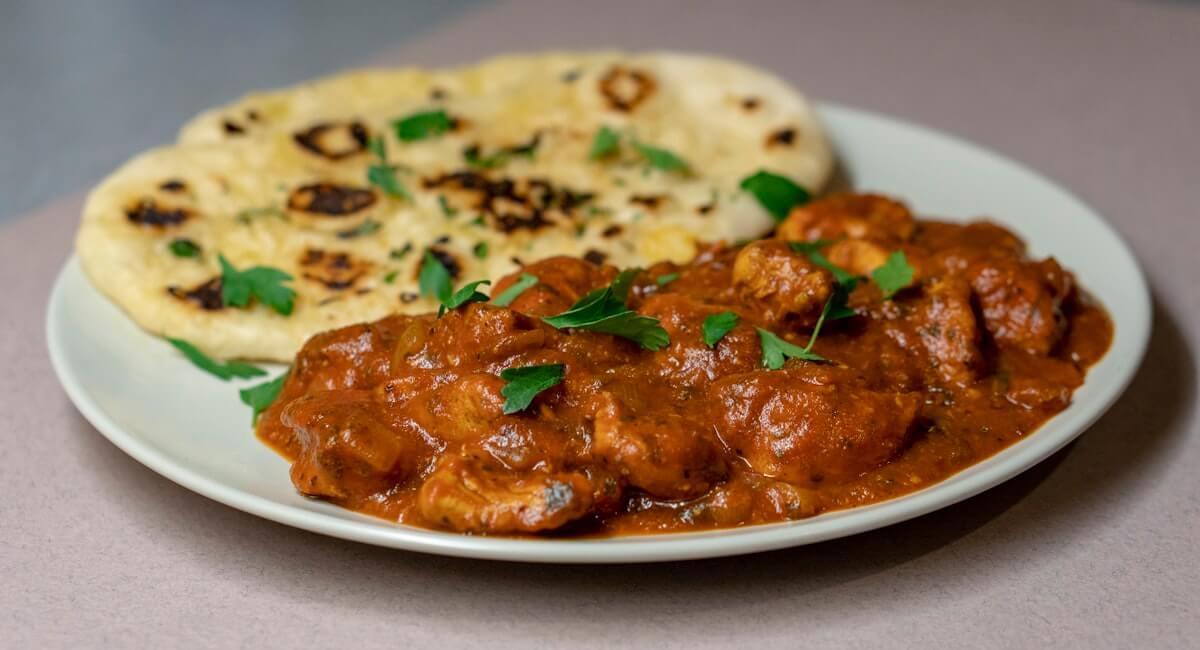
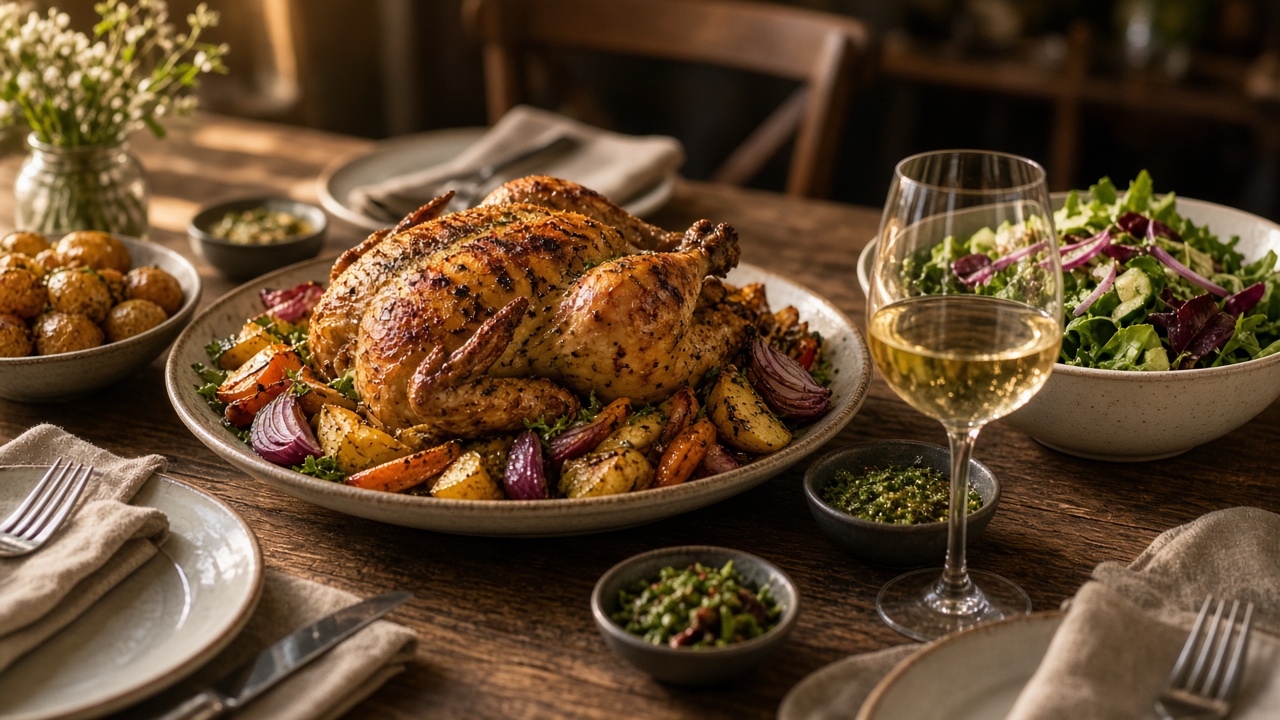
Organ meats—specifically liver (kaleji), heart, and kidneys—have a much shorter shelf life than muscle meat. Traditional Eid dinners universally celebrate fresh liver fry or quick spiced kebabs on Eid afternoon for good reason. Cook organ meats within 24 hours, or clean, portion, and freeze them immediately. Cook a primary festive curry such as chicken karahi or a fresh mutton karahi for visitors.
Day 2: Processing, portioning, and flat-freezing
Divide the remaining muscle meat into three clear culinary streams: stew/braising cuts, roasting cuts, and mince. For items destined for the freezer, pack in meal-sized quantities (typically 1 to 2 lbs per pack depending on household size). Squeeze out all excess air from bags to prevent oxidation.
Day 3: The hard deadline for fresh storage
Raw red meat should never sit in a home refrigerator beyond 3 to 4 days post-slaughter. By the evening of Day 3, every single piece of meat in your kitchen must be either thoroughly cooked into a finished dish or safely frozen flat at 0°F.
Qurbani meat cuts: best cooking methods and storage timelines
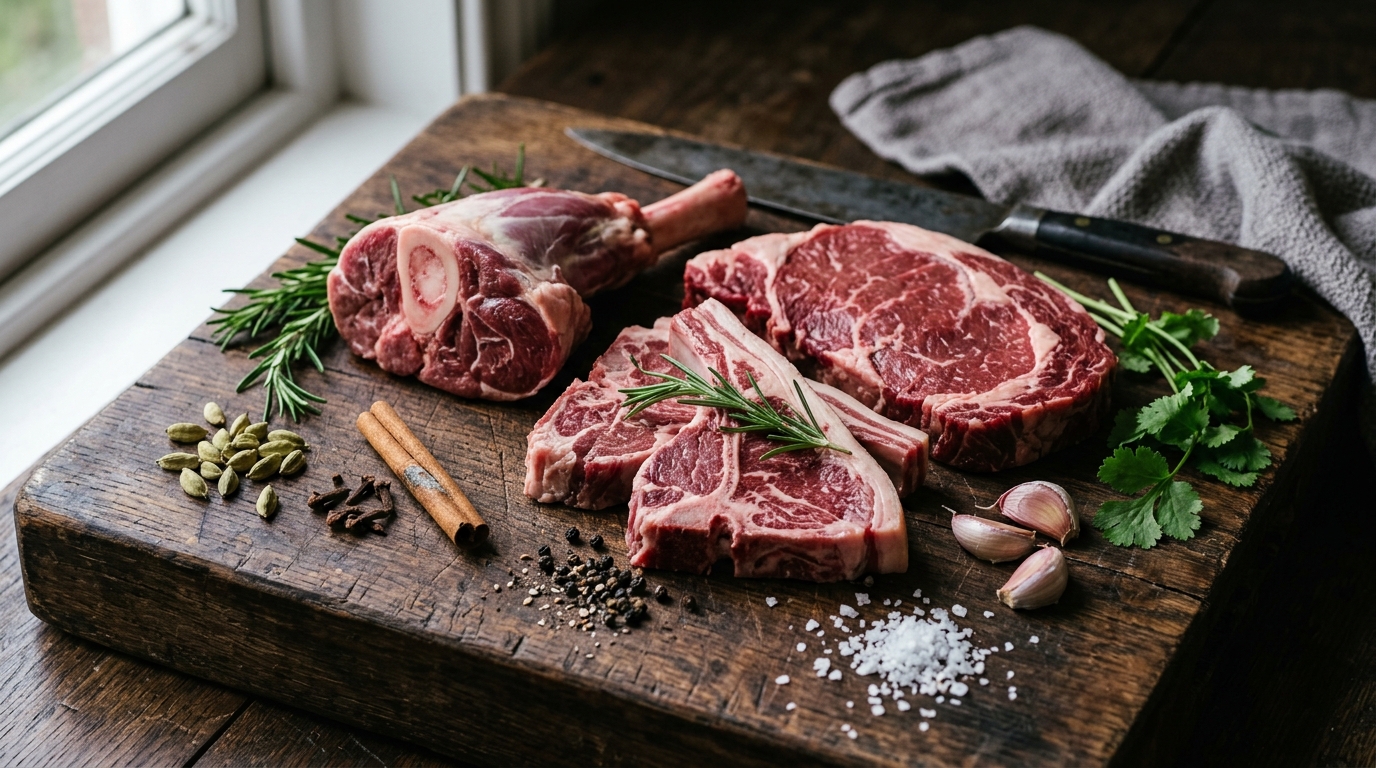
Qurbani animals yield diverse cuts mixed together in family distribution bags. Treating a tough shank like a quick-cooking chop leads to dry, chewy disappointments. Use this cut-by-cut breakdown to assign each portion to its highest culinary purpose:
| Cut / Portion | Muscle Characteristics | Optimal Cooking Method | Freezer Shelf Life |
|---|---|---|---|
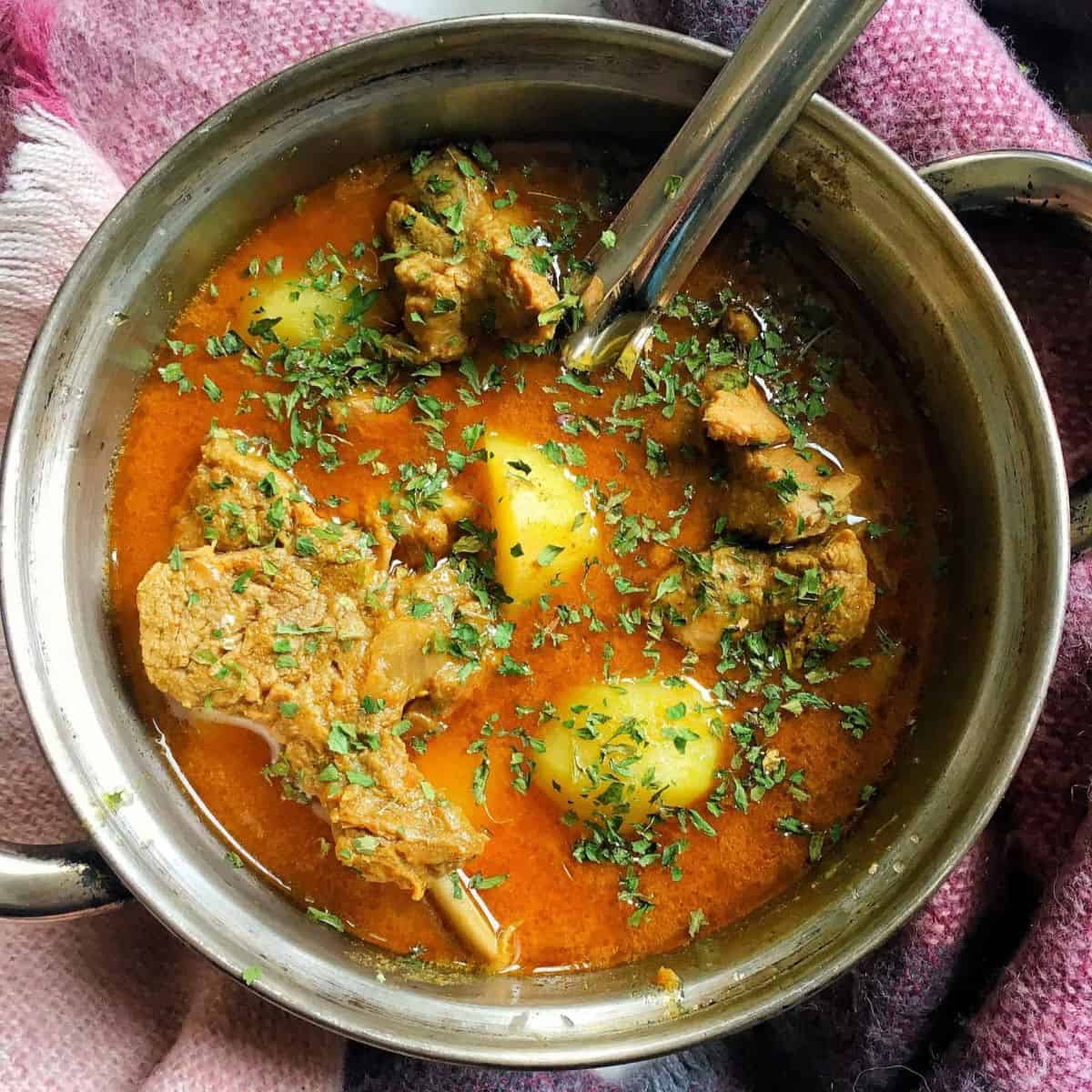
| Shank, Shoulder & Neck | Dense collagen, connective tissue, bone-in rich marrow | Slow braise, pressure cooker, or Dutch oven (beef nihari, aloo gosht) | 6 to 9 months |
| Leg (Raan) & Rump | Large, lean muscle groups; can dry out if overcooked | Yogurt spice marinade followed by slow roasting or dum-pukht braising | 9 to 12 months |
| Ribs & Chops (Chaamp) | Tender fat marbling, delicate bone structure | Quick dry-heat grilling, tawa pan-sear, or spiced barbecue skewers | 4 to 6 months |
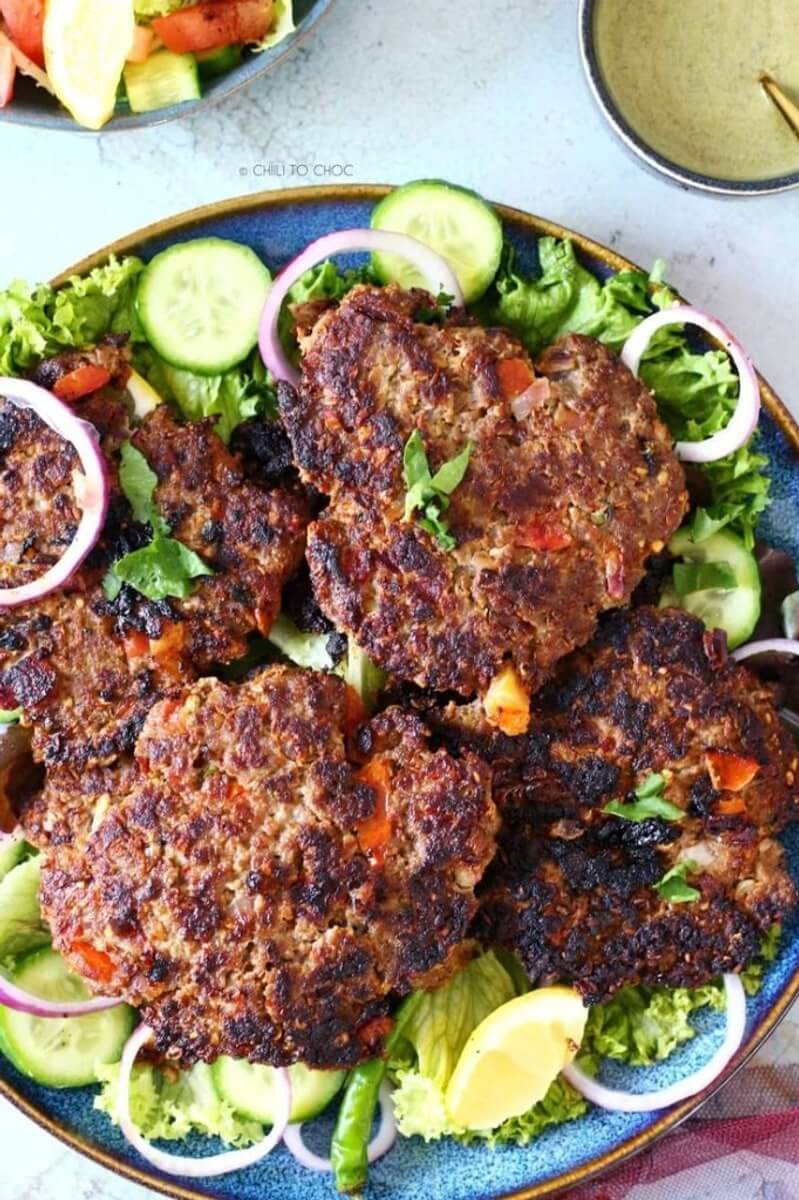
| Boneless Trimmings & Mince | Mixed fat ratio, fast surface oxidation | Spiced patties, kofta meatballs, keema curries (chapli kebabs, seekh kebabs) | 3 to 4 months |
| Soup Bones & Trotters (Paya) | Gelatin-rich joints, cartilage, and bone marrow | Long overnight bone broths and slow-simmered paya stews | 10 to 12 months |
The science of tenderizing fresh Qurbani meat
Because Qurbani meat is not aged in commercial temperature-controlled lockers for two weeks like standard supermarket beef, home cooks often find the meat firmer and more fibrous. You can achieve melt-in-the-mouth tenderness by using the correct culinary tenderizing methods:
1. Enzymatic tenderizers (fast, active marinades)
Raw green papaya paste (containing the enzyme papain) or fresh kiwi purée (containing actinidin) break down tough muscle protein chains with incredible speed. Use exactly 1 tablespoon of raw papaya paste per pound of meat. Crucial timing rule: Do not leave enzymatic marinades on meat for longer than 45 to 60 minutes. Beyond that window, the enzymes digest the surface proteins completely, turning the outer meat layer mushy and mealy rather than tender.
2. Acid and dairy tenderizers (slow, gentle marinades)
Plain whole-milk yogurt, cultured buttermilk, lemon juice, or raw onion juice work more gently. The lactic acid in yogurt weakens surface collagen fibers while the fats lock in moisture. For lamb leg, shoulder, or kebab mixtures, marinate in a spiced yogurt blend with freshly grated ginger and garlic for 6 to 12 hours in the refrigerator.
3. Low-and-slow collagen conversion (heat and time)
For bone-in cuts like shanks and shoulder cubes, no chemical marinade matches the power of slow braising. At sustained temperatures between 160°F and 190°F (70°C to 88°C), tough collagen tissue gently denatures and dissolves into gelatinous, velvety liquid. Cooking a pot of nihari or stew on a low flame for 2.5 to 3.5 hours yields luscious tenderness without any artificial tenderizers.
Three batch-cooking plans for the weeks after Eid
Avoid dinner burnout in the weeks following the holidays by setting up three distinct cooking pipelines. For wider batching systems, see our batch cooking guide and Sunday meal prep schedule.
Plan A: The freezer-ready braise pipeline
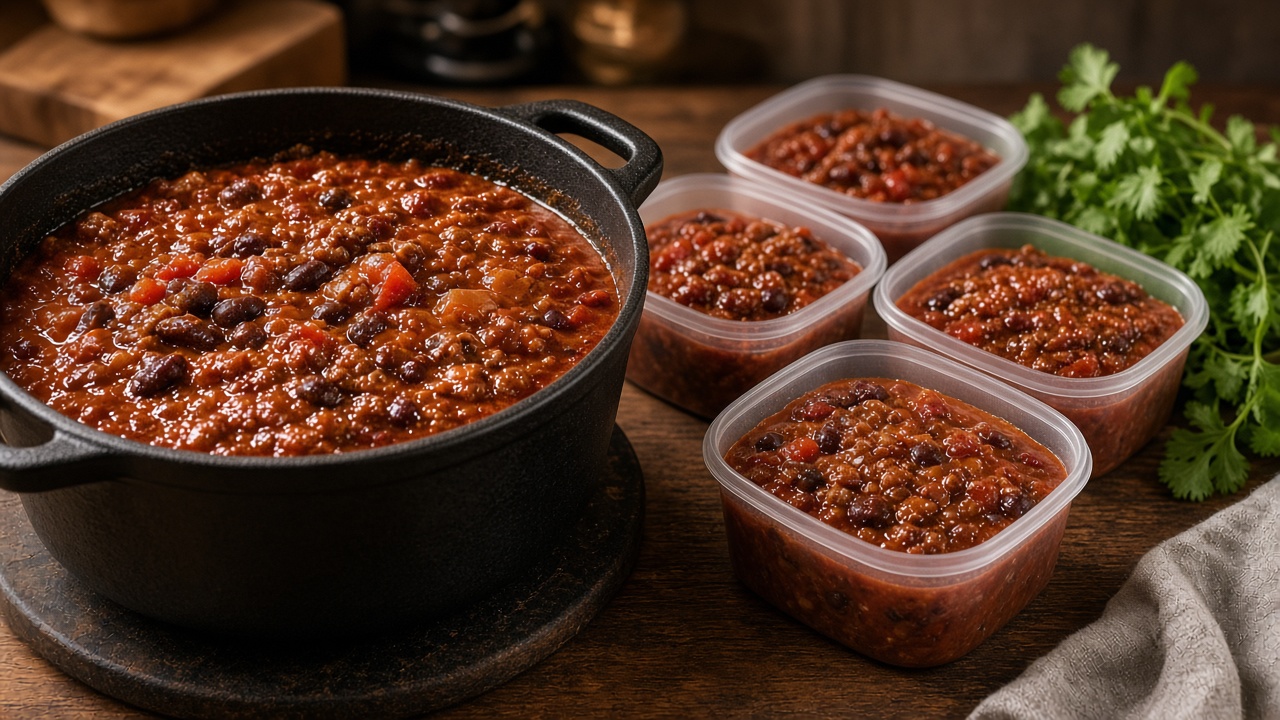
On Day 2 or 3, cook a double batch of a rich braised stew or curry. Allow the stew to cool quickly in shallow pans rather than letting a deep pot sit hot on the counter. Divide into airtight two-portion glass containers or silicone freezer cubes. When reheating, bring the curry to a rolling simmer on the stovetop for at least 3 minutes; this restores fat emulsification and aromatic spice notes.
Plan B: The flat-pack kebab inventory
Turn raw minced meat into quick weeknight lifesavers. Season your mince with grated onions (squeezed dry of excess liquid), fresh mint, coriander, and warm spices. Shape into chapli kebabs or seekh kebabs. Arrange them in a single layer on parchment-lined baking sheets and freeze until rock solid (about 2 hours). Transfer the frozen patties into zip-top bags with parchment paper dividers. They cook straight from the freezer on a hot cast-iron skillet in under 12 minutes.
Plan C: Shredded roast meat for multipurpose meals
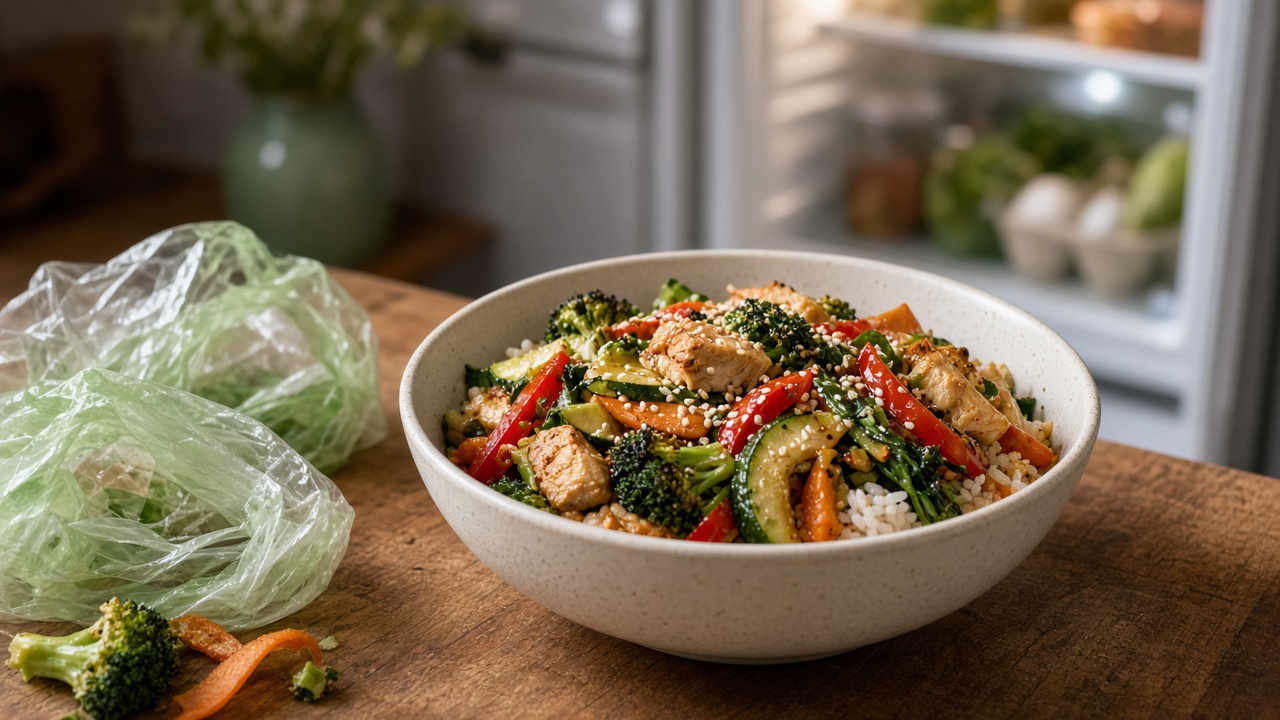
Marinate a whole bone-in leg or shoulder with spices, roast low and slow wrapped tightly in foil until fork-tender, and shred the meat. Portion the shredded meat into 1-cup bags. Throughout the next month, toss these portions into weeknight stir-fries, grain bowls, flatbread wraps, and fried rice.
What fails: 5 costly Qurbani prep mistakes to avoid
- Freezing meat in thick bowling balls: Packing 5 pounds of meat into a giant spherical bag means the outer edges freeze while the interior stays warm for hours, fostering bacterial growth. Furthermore, defrosting takes 48 hours and forces you to cook all 5 pounds at once. Always flatten bags to 1-inch thickness before freezing.
- Countertop thawing: Leaving frozen meat on the kitchen counter to thaw at room temperature is an open invitation for surface bacteria like Salmonella and E. coli. Always thaw overnight on the bottom refrigerator shelf inside a rimmed tray, or submerge sealed bags in cold tap water, refreshing the water every 30 minutes.
- Mystery meat syndrome (unlabeled bags): In August, every frozen lump of red meat looks identical. Always use waterproof permanent marker to write three details on every pack: Cut Name, Weight/Servings, and Packaging Date.
- Re-freezing thawed raw meat: Defrosting and re-freezing raw meat damages cellular walls, purging juices and resulting in chalky, dry, stringy meat when cooked. Only re-freeze meat after it has been fully cooked into a finished dish.
- Crowding hot meat in the freezer: Stuffing 30 pounds of warm meat into a home freezer at once raises the internal ambient temperature of the freezer, slightly thawing surrounding frozen goods. Freeze meat in staggered batches of 10 to 15 pounds spread across shelves.
Frequently asked questions
How long does fresh Qurbani meat stay good in the freezer?
When properly sealed in airtight, heavy-duty freezer bags with all excess air expelled, minced meat maintains peak flavor and texture for 3 to 4 months, while bone-in stews, shanks, and whole roasts remain in prime condition for 9 to 12 months. Meat kept at 0°F remains biologically safe indefinitely, but quality, moisture, and spice retention diminish past the 1-year mark.
Should I trim all the fat off Qurbani meat before storing?
Leave a moderate layer of surface fat (about 15% to 20%) on cuts intended for braising, curries, and mincing. Natural fat carries essential aromatics, prevents meat from drying out during prolonged cooking, and provides juiciness in kebabs. However, trim large swathes of loose, stringy gristle or exterior silverskin, as these harden during freezing and will not soften during cooking.
Can I cook Qurbani cuts directly from the freezer?
Thinly shaped raw burger patties and kebabs can go directly onto a preheated skillet or grill from frozen. However, large stew cuts, shanks, and roasts should always be completely thawed before cooking. Cooking dense frozen meat directly leads to overcooked, dry exteriors while the center remains undercooked.
How do I scale recipes when cooking for large Eid gatherings?
When hosting extended family, simply multiplying spices and oil by four often results in overpowering gravies. Use our interactive servings scaler to automatically calculate balanced ingredient proportions for crowd-sized feasts. To track what you have tucked away in your freezer shelves, check the leftover finder and generate structured weekly schedules with the meal plan generator.