Recipe Planning
Despite representing only about 2% of total adult body mass, the human brain consumes over 20% of your body's resting metabolic energy and oxygen supply. Every thought, memory, creative impulse, and executive decision depends upon the rapid, unceasing firing of approximately 86 billion neurons communicating across trillions of synaptic junctions. These delicate neuronal membranes and neurotransmitter signaling cascades do not operate in a vacuum; their physical structure and biochemical efficiency are dictated directly by the nutritional molecules that cross the selective blood-brain barrier (BBB).
In modern neuroscience and nutritional psychiatry, the most rigorously validated dietary paradigm for cognitive longevity and daily mental clarity is the MIND Diet (a hybrid of the Mediterranean and DASH diets developed at Rush University Medical Center). Clinical research demonstrates that adhering to brain-supportive nutritional patterns significantly slows cognitive decline, protects cerebral white matter integrity, and dampens neuro-inflammation. By prioritizing marine docosahexaenoic acid (DHA), neuroprotective polyphenols from wild berries, choline for acetylcholine synthesis, and steady low-glycemic starches, you can banish brain fog, sharpen working memory, and maintain high cognitive performance throughout the workday. This comprehensive 7-day meal plan translates the science of neuro-nutrition into an actionable weekly routine.
Important: This guide provides general nutritional frameworks for cognitive wellness, concentration support, and brain health maintenance, not medical treatment for clinical neurodegenerative diseases (such as Alzheimer's disease or Parkinson's disease), severe major depressive disorder, ADHD, or traumatic brain injury. If you or a loved one experience sudden memory loss, progressive cognitive impairment, severe unremitting headaches, or neurological deficits, consult a neurologist or your physician immediately.
The cognitive clarity architecture: the four pillars of neuro-nutrition
To optimize cerebral blood flow and sustain sharp neurotransmitter synthesis, anchor your weekly meals to the Four Pillars of Neuro-Nutrition:
- Structural Phospholipids and Marine DHA (Neuronal Membrane Fluidity): The dry weight of the human brain is nearly 60% fat, with the omega-3 fatty acid Docosahexaenoic Acid (DHA) comprising over 40% of all polyunsaturated fatty acids in neuronal cell membranes. DHA embeds directly into synaptic plasma membranes, enhancing membrane fluidity, accelerating ion channel kinetics, and promoting the expression of Brain-Derived Neurotrophic Factor (BDNF)—a master protein that drives neuroplasticity and the formation of new memory synapses. Consuming wild oily seafood (salmon, sardines, mackerel) twice weekly supplies preformed, highly bioavailable DHA and EPA.
- Choline and Acetylcholine Synthesis (The Memory Neurotransmitter): Acetylcholine is the brain's primary neurotransmitter governing working memory, sustained attention, and sensory processing. Choline is the essential precursor for acetylcholine. Pasture-raised egg yolks, grass-fed meats, edamame, and broccoli are the richest dietary sources of choline. Regular intake ensures continuous neurotransmitter pool replenishment, preventing afternoon cognitive fatigue.
- Flavonoid and Anthocyanin Neuroprotection (The Blueberry Effect): Wild blueberries, blackberries, dark leafy greens, and pure cacao are packed with anthocyanins and flavan-3-ols. These polyphenols cross the blood-brain barrier to localize in the hippocampus—the master brain region governing learning and spatial memory. In human clinical trials, daily blueberry consumption increased cerebral blood flow and significantly improved executive decision-making speed and memory retention in both young and older adults.
- Postprandial Glycemic Stability (Preventing the "Food Coma"): Neurons depend on a steady supply of glucose. However, high-glycemic meals trigger sharp spikes in blood sugar followed by steep reactive crashes that starve the brain of fuel, causing intense lethargy and brain fog. Pairing complex, slow-digesting starches (steel-cut oats, quinoa, brown rice) with lean proteins and healthy fats maintains blood glucose in the optimal 75–100 mg/dL cognitive zone throughout the afternoon.
The 7-day cognitive focus meal plan
This master schedule features brain-nourishing omega-3 seafood, choline-rich eggs, polyphenol berries, and focus-friendly light lunches designed to power your most demanding workweeks.
| Day | Breakfast (Neurotransmitter Launch) | Lunch (Focus-Friendly Light Plate) | Dinner (Cellular Repair & Memory Consolidating) | Neuro-Nutrient Factor & Kitchen Tip |
|---|---|---|---|---|
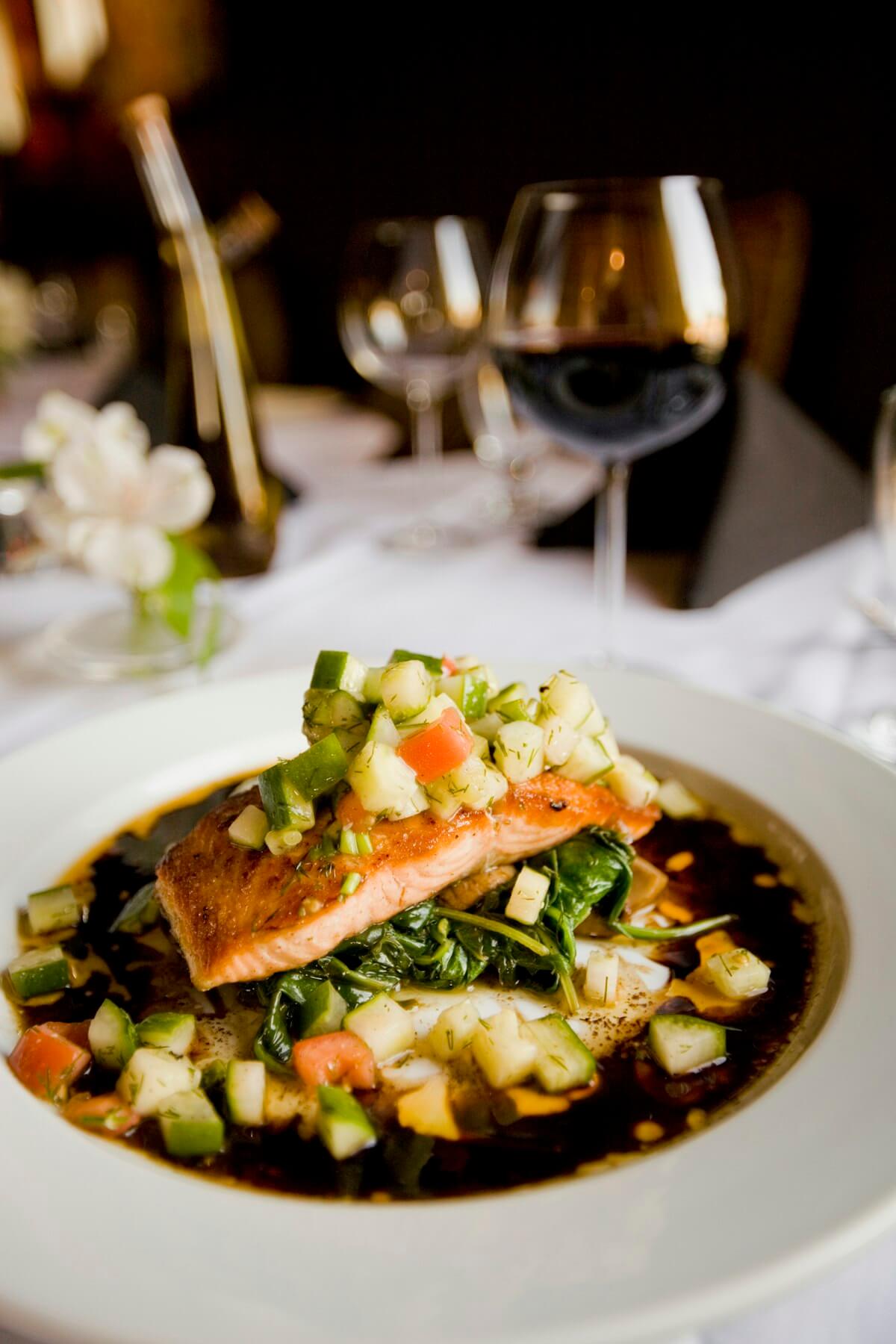
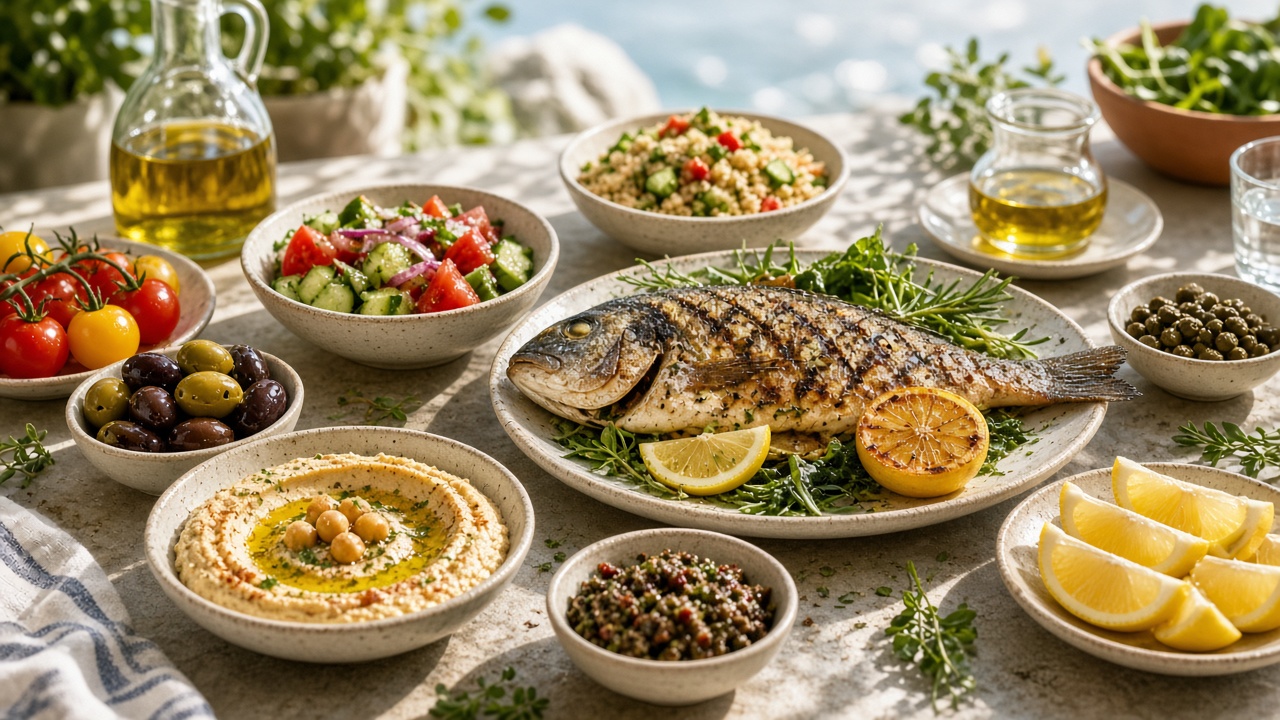
| Monday | Warm overnight oats with berries, chia seeds, chopped walnuts, and a scoop of unflavored plant protein | Chilled mediterranean quinoa salad with canned rinsed chickpeas, diced cucumbers, and lemon-tahini dressing | Oven-baked herb-baked salmon fillet served with roasted baby potatoes and garlic-roasted asparagus | Walnuts provide plant ALA omega-3s and polyphenols that protect microglial brain cells; salmon delivers bioavailable DHA directly to the cerebral cortex. |
| Tuesday | Pasture-raised spinach feta scramble with half a sliced avocado on sprouted whole-grain toast | Mediterranean tuna and white bean salad tossed with fresh Italian parsley, capers, and extra virgin olive oil vinaigrette | Herb-marinated grilled chicken breasts with roasted sweet potato wedges and steamed broccoli florets | Lutein and zeaxanthin in egg yolks and spinach accumulate in brain neural tissue, correlating with faster visual processing speed. |
| Wednesday | Creamy Greek yogurt parfait layered with wild blueberries, pumpkin seeds, and a sprinkle of raw cacao nibs | Leftover grilled chicken breast sliced over baby arugula, shaved fennel, and balsamic vinaigrette with whole-grain pita | Savory miso glazed salmon bowl over warm brown jasmine rice, steamed edamame, and baby bok choy | Flavanols in raw cacao nibs stimulate nitric oxide production, dilating cerebral blood vessels and increasing oxygen delivery to frontal brain lobes. |
| Thursday | Steel-cut oatmeal cooked with cinnamon, stirred with ground flaxseed and raw almond butter, topped with sliced green apple | Thermos of slow-simmered lentil and vegetable soup paired with a hard-boiled egg and seeded crackers | Pan-seared cod with blistered cherry tomatoes, kalamata olives, capers, fresh oregano, and steamed farro | Choline from the hard-boiled egg fuels acetylcholine synthesis for afternoon problem-solving; farro provides a steady release of glucose. |
| Friday | Two-egg veggie omelet folded with sautéed cremini mushrooms, baby spinach, and goat cheese with a slice of sourdough | Leftover miso salmon and edamame bowl served warm with a drizzle of toasted sesame oil | Slow-cooker turkey and white bean chili simmered with fire-roasted tomatoes, cumin, and bell peppers | Ergothioneine in cremini mushrooms is a unique "longevity antioxidant" that protects neural mitochondria from oxidative stress. |
| Saturday | Fluffy buckwheat banana pancakes topped with warm stewed blackberry reduction and toasted pecans | Turkey and white bean chili bowl served with sliced avocado, fresh cilantro, and lime wedges | Grilled wild halibut (or trout) with chimichurri sauce, roasted parsnips, and sautéed rainbow chard in olive oil | Anthocyanins in blackberries cross the blood-brain barrier, reducing inflammatory microglial activation and supporting memory consolidation. |
| Sunday | Baked shakshuka eggs simmered in rich spiced tomato-bell pepper sauce with crumbled sheep feta and warm pita | Leftover halibut with roasted parsnips and a crisp garden side salad with lemon dressing | Moroccan spiced chickpea and vegetable tagine with caramelized onions, zucchini, and fluffy whole-wheat couscous | Conduct Sunday meal prep: roast sweet potatoes, boil 6 eggs for weekday snacks, and portion trail mix for effortless work lunches. |
Midday desk fueling: beating the post-lunch "food coma"
For knowledge workers, researchers, and students, the afternoon slump is almost always created by a poor lunch choice. Consuming a massive, high-carbohydrate lunch (such as a large plate of pasta, greasy burgers, or thick sandwiches with chips) triggers rapid insulin secretion. High insulin facilitates the uptake of branched-chain amino acids into muscle tissue, leaving tryptophan free to cross the blood-brain barrier unimpeded, where it converts into serotonin and melatonin. Furthermore, heavy digestive tasks shunt blood flow away from the brain directly to the digestive organs.
- Keep Lunch Protein-Forward & Vegetable-Dense: Anchor lunch to lean protein (grilled chicken, tuna, tofu, eggs) and colorful vegetables, keeping complex carbohydrates to a moderate single cupped-hand portion (1/2 to 3/4 cup).
- Take a 10-Minute Postprandial Walk: A brief 10-minute stroll immediately after lunch stimulates glucose transporter type 4 (GLUT4) translocation in skeletal muscles, absorbing glucose without requiring a heavy insulin surge and preventing afternoon lethargy.
- Opt for Brain-Healthy Afternoon Snacks: If focus wavers at 3:30 PM, choose snacks that stabilize blood sugar: a handful of raw walnuts paired with an ounce of 85% dark chocolate, or a hard-boiled egg with celery sticks.
What fails: 5 mistakes that sabotage cognitive focus
- Over-relying on high-dose caffeine and sugary energy drinks: While 100–200 mg of caffeine can transiently boost alertness, consuming 400+ mg of synthetic caffeine or sugar-laden energy drinks overstimulates the sympathetic nervous system, inducing cognitive jitteriness, task fragmentation, and a devastating rebound crash when adenosine receptors flood back open.
- Discarding the egg yolk (the choline blunder): For decades, misinformed diet advice urged people to eat only egg white omelets. While egg whites provide clean albumin protein, 100% of an egg's dietary choline, lutein, zeaxanthin, and omega-3s reside in the golden yolk. Eating whole pasture-raised eggs is one of the most effective neuro-nutritional habits you can adopt.
- Consuming inflammatory trans fats and heavily oxidized fryer oils: Consuming fast food fried in repeatedly reheated commercial seed oils introduces oxidized lipid peroxides into systemic circulation. These damaged fatty acids incorporate into brain cell membranes, impairing synaptic receptor mobility and fueling chronic neuro-inflammation.
- Under-hydrating during intense computer work: When engrossed in deep cognitive tasks, people frequently forget to drink water for hours. A 1.5% loss in body water volume measurably degrades visual working memory, decreases processing speed, and triggers tension headaches. Keep a dedicated water bottle on your desk at all times.
- Chronic sleep restriction: No amount of wild salmon or blueberries can compensate for chronic 5-hour sleep nights. Deep slow-wave sleep and REM sleep are when the brain's glymphatic system flushes out metabolic waste (including beta-amyloid plaques) and consolidates daytime memories into long-term storage. Nutrition and sleep operate as inseparable partners.
Frequently asked questions
What should I eat on the morning of a major exam or high-stakes presentation?
Avoid high-sugar breakfast cereals, pancakes, or fasting on black coffee alone. The optimal "high-stakes focus breakfast" consists of: two whole pasture-raised eggs scrambled in olive oil with baby spinach, half an avocado, and a small slice of sourdough or 1/2 cup of steel-cut oats with fresh blueberries. This combination delivers steady glucose, choline for acetylcholine memory retrieval, and tyrosine for dopamine alertness, maintaining calm, razor-sharp focus for 4 to 5 hours.
Are nootropic supplements better than brain-healthy foods?
Synthetic nootropic compounds and herbal blends (like bacopa monnieri or lion's mane) can offer modest cognitive support, but they cannot replace the foundational cellular architecture provided by whole foods. A nootropic cannot supply the structural DHA needed to build neuronal cell membranes or the complex array of carotenoids and polyphenols that protect brain tissue. Whole-food nutrition is the non-negotiable biological foundation upon which cognitive performance is built.
How does the gut microbiome influence daily mental focus?
Through the gut-brain axis, gut microbes communicate bidirectionally with the central nervous system via the vagus nerve, microbial metabolites, and immune signaling. Beneficial microbes ferment dietary fiber into short-chain fatty acids (SCFAs), predominantly butyrate, which crosses the blood-brain barrier to promote BDNF expression and reduce neuro-inflammation. A healthy gut microbiome directly correlates with improved cognitive resilience and lower stress-induced anxiety.
How can I plan and prep a weekly brain-food meal schedule?
Make cognitive nutrition seamless with our digital meal-planning platform. Generate an optimized 7-day focus-friendly meal plan using our meal plan generator, consolidate whole-food ingredients into an organized shopping checklist with the grocery list generator, and discover smart recipes for leftover proteins and grains with our leftover finder.