Recipe Planning
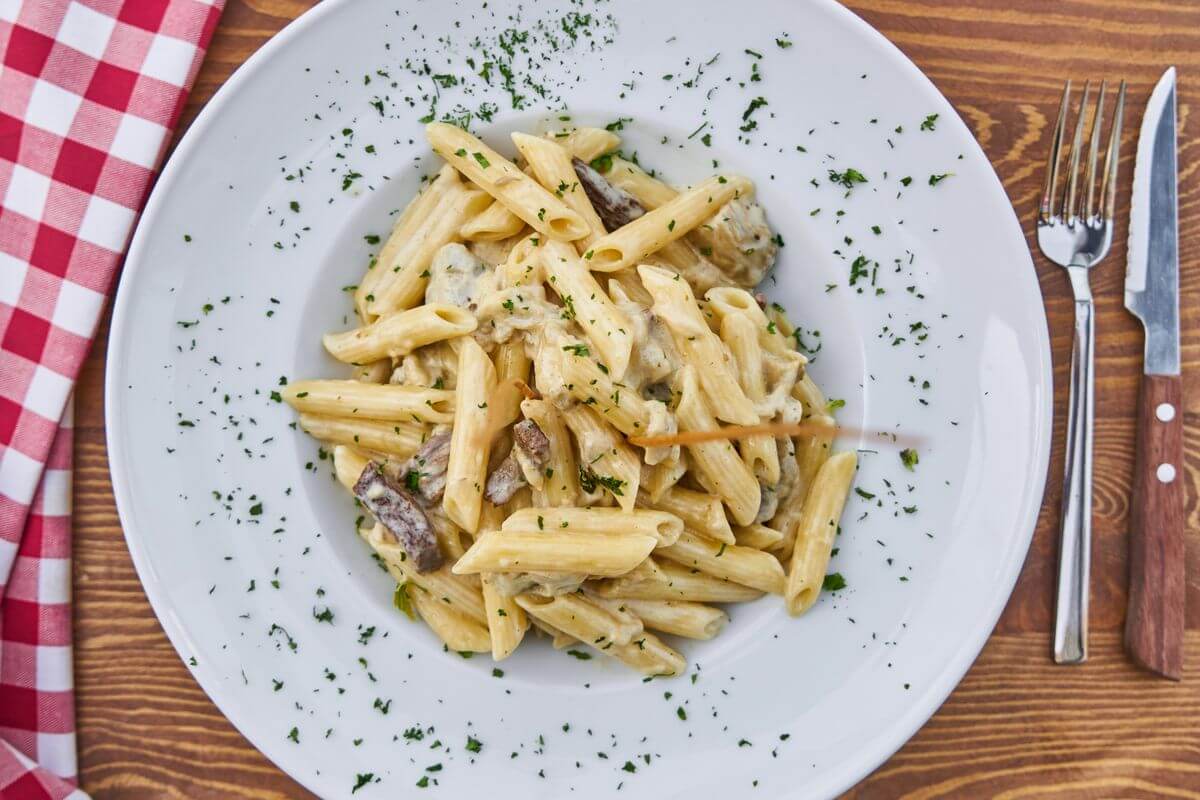
Italian culinary philosophy has captivated food lovers for generations because of a singular foundational principle: la cucina povera—the art of coaxing sublime, luxurious flavor from a handful of humble, impeccable ingredients. A world-class Roman pasta requires little more than fragrant extra virgin olive oil, sweet cloves of garlic, crushed San Marzano plum tomatoes, fresh sweet basil, and perfectly salted durum wheat pasta. Yet for observant Muslim families and halal-conscious home cooks, dining at conventional Italian trattorias can feel like navigating an ingredient minefield: pans deglazed with white or red wine, rich pasta sauces simmered with pork pancetta or guanciale, and aged cheeses coagulated with calf stomach rennet.
Many home cooks mistakenly believe that removing wine and pork charcuterie from Italian recipes compromises their authenticity. In truth, classic Italian cuisine is deeply regional, rustic, and ingredient-focused. Wine in Italian cooking is simply a chemical tool for acidity and pan deglazing; pork fat is merely a carrier for salt and smoke; and traditional cheeses can be flawlessly mirrored using vegetarian microbial-rennet artisan varieties. By understanding the kitchen science of non-alcoholic acidity balancing, starchy emulsification (mantecatura), and halal curing swaps, you can prepare authentic, deeply comforting Italian pastas, braised poultry cutlets, and Neapolitan-style pizzas at home without compromising your religious values. This comprehensive guide details the halal Italian sourcing matrix, alcohol-free deglazing chemistry, four iconic restaurant-quality recipes, and the costly mistakes that ruin homemade pasta.
The Halal Italian Matrix: Navigating Wine, Rennet & Charcuterie
Mastering authentic Italian cuisine in a halal kitchen requires understanding the three areas where traditional restaurant recipes conflict with Islamic dietary standards:
1. The Wine Deglazing Myth and Chemical Replacements
In classical Italian gastronomy, dry white wine (like Pinot Grigio) or bold red wine (like Chianti) is poured into a hot pan after searing aromatics or meats. The purpose is twofold: ethanol dissolves fat-soluble flavor compounds from browned skillet residue (fond), while tartaric and malic acids provide a bright, clean contrast to heavy fats. However, alcohol does not "burn off" completely during ordinary simmering; studies confirm that significant residual ethanol remains in braised sauces even after two hours of cooking.
To replicate the complex acidity and savory depth of wine without alcohol, use these two targeted culinary formulas:
- White Wine Deglazing Substitute (For Creamy Pastas, Risottos & Chicken Piccata): Combine 1/2 cup of rich halal chicken bone broth with 1 tablespoon of freshly squeezed lemon juice and 1/2 teaspoon of white grape juice. The bone broth provides savory glutamates, the lemon supplies clean citric acidity, and the grape juice introduces subtle natural fruit sugars.
- Red Wine Reduction Substitute (For Rich Ragù, Bolognese & Braised Beef): Combine 1/2 cup of concentrated beef bone broth with 1 tablespoon of high-quality aged balsamic vinegar (alcohol-free, grape must based), 1/2 teaspoon of pomegranate molasses, and a splash of strong steeped unsweetened black tea. The black tea supplies vegetable tannins that mimic wine structure, while pomegranate molasses provides rich dark fruit acidity.
2. The Rennet Problem in Traditional Italian Cheeses
Under strict European Union Protected Designation of Origin (PDO) laws, traditional Italian cheeses—specifically Parmigiano Reggiano, Pecorino Romano, and Grana Padano—legally must be produced using animal calf or lamb stomach rennet. Therefore, authentic certified Parmigiano Reggiano wheels imported from Italy are not halal unless specifically produced and certified under kosher/halal supervised protocols.
Fortunately, numerous world-class cheesemakers produce identical aged Italian-style hard cheeses using microbial enzymes or vegetarian rennet. Look on grocery store labels for "Vegetarian Hard Cheese," "Italian-Style Hard Grating Cheese," or cheeses displaying a certified Halal logo. Fresh Italian cheeses—such as fresh whole-milk mozzarella (Fior di Latte), creamy ricotta, buffalo mozzarella (verify rennet), and mascarpone—are predominantly coagulated using lactic acid cultures or vegetarian enzymes, making them readily accessible for halal cooking.
3. Sourcing Halal Charcuterie & Bacon Swaps
Traditional Italian pasta carbonara, amatriciana, and pizza rely heavily on cured pork: guanciale (cured pork jowl), pancetta (cured pork belly), and prosciutto di Parma. To capture that deep, smoky, savory profile in a halal kitchen, utilize these stellar alternatives:
- Bresaola (Air-Dried Italian Beef): A traditional Lombardian cured beef made from salted lean beef round, aged for several months until deep ruby red. It delivers authentic Italian cured umami with zero pork.
- Halal Smoked Turkey Bacon or Beef Bacon: When crisped in a hot skillet with a teaspoon of olive oil and coarse cracked black pepper, high-quality smoked halal beef bacon replicates the rich mouthfeel of rendered pancetta in pasta sauces.
The Science of "Mantecatura": Creating Creamy Sauces Without Cream
In authentic Italian pasta making, heavy cream is rarely used in savory pasta dishes. The velvety, clinging richness of classic Italian sauces comes from a physical process called mantecatura—the emulsification of olive oil, cheese, and starchy pasta cooking water.
When you boil high-quality durum wheat pasta, amylose starches leach out of the pasta into the boiling water, turning the liquid cloudy. When you transfer cooked, al dente pasta directly into a skillet with warm olive oil, garlic, and a ladleful of this starchy water, and vigorously toss the pan over medium-high heat, the starch molecules suspend tiny droplets of olive oil in liquid. This creates a glossy, creamy emulsion that coats every ridge of the pasta. If you dump all your pasta water down the sink drain, your pasta will emerge dry and oily rather than silky and cohesive.
Four Iconic Halal Italian Dishes
Master these four classic Italian centerpieces at home with zero alcohol and 100% halal ingredients:
1. Roman Penne all'Arrabbiata (The Angry Pasta)
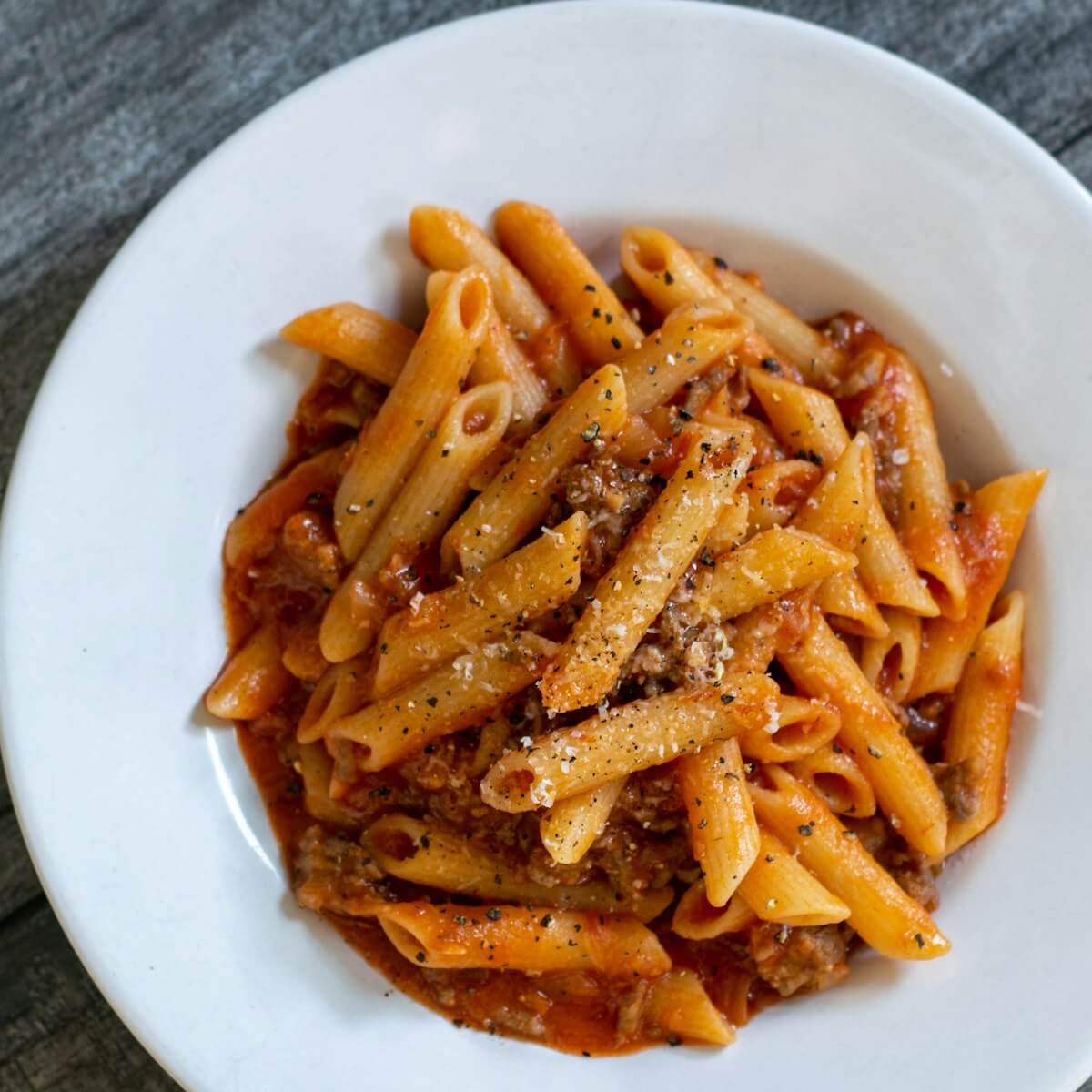
This classic Roman pasta gets its name (*arrabbiata*, meaning "angry") from the spicy kick of dried red chilies tempered by sweet San Marzano tomatoes. Bring a large pot of water to a rolling boil and salt generously until it tastes like mild sea water. Cook 400g of penne rigate until 2 minutes shy of package instructions. Meanwhile, heat 3 tablespoons of extra virgin olive oil in a wide skillet over gentle medium-low heat. Add 4 thinly sliced cloves of garlic and 1 teaspoon of crushed red pepper flakes; sauté slowly for 2 minutes until garlic is fragrant and pale golden (never browned). Pour in one 28-oz can of whole San Marzano tomatoes crushed with your hands. Season with coarse sea salt and simmer for 15 minutes until the tomato sauce is thick and sweet. Transfer the pasta directly into the sauce along with 1/3 cup of starchy pasta water. Toss vigorously over high heat for 2 minutes until the sauce clings to every tube. Finish with hand-torn fresh sweet basil and a shower of grated microbial-rennet hard cheese. Savor the fiery perfection of our penne arrabbiata.
2. Creamy Wild Mushroom and Spinach Fettuccine (Wine-Free)
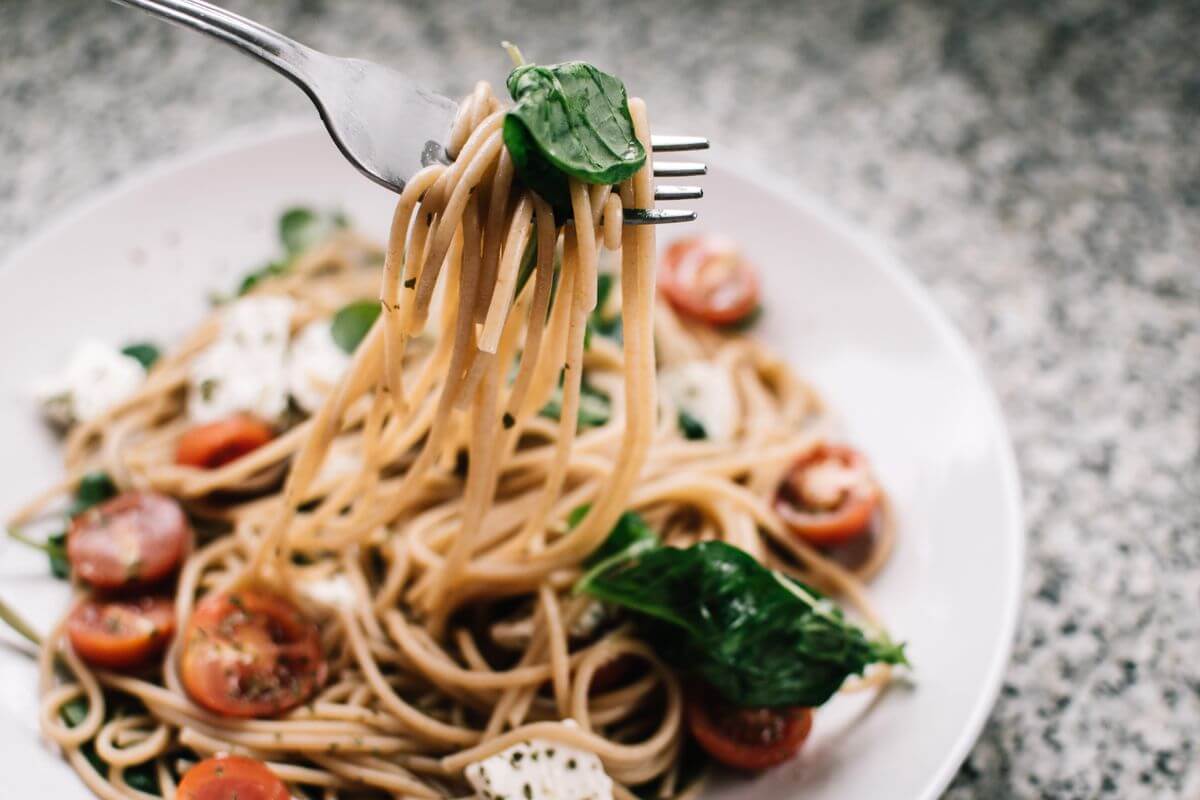
Mushroom pasta often relies on white wine to cut through heavy dairy fat. Our alcohol-free version achieves greater savory depth using rich bone broth and fresh lemon. In a large skillet, melt 2 tablespoons of butter with 1 tablespoon of olive oil over medium-high heat. Add 10 oz (300g) of sliced cremini, shiitake, or button mushrooms in a single layer. Cook undisturbed for 4 minutes to achieve deep golden caramelization. Add 2 cloves of minced garlic and 1 teaspoon of fresh thyme leaves; cook for 60 seconds. Deglaze the pan with 1/2 cup of halal chicken bone broth and 1 teaspoon of fresh lemon juice, scraping up all browned mushroom fond. Simmer until the liquid reduces by half (about 3 minutes). Reduce heat to low, pour in 3/4 cup of heavy cream or half-and-half, and add 2 cups of fresh baby spinach, stirring until the greens wilt. Toss with cooked fettuccine and 1/2 cup of grated halal parmesan-style cheese until velvety and rich. Draw inspiration from our mushroom and spinach pasta and creamy penne.
3. Roman Chicken Piccata with Lemon, Capers & Butter Emulsion
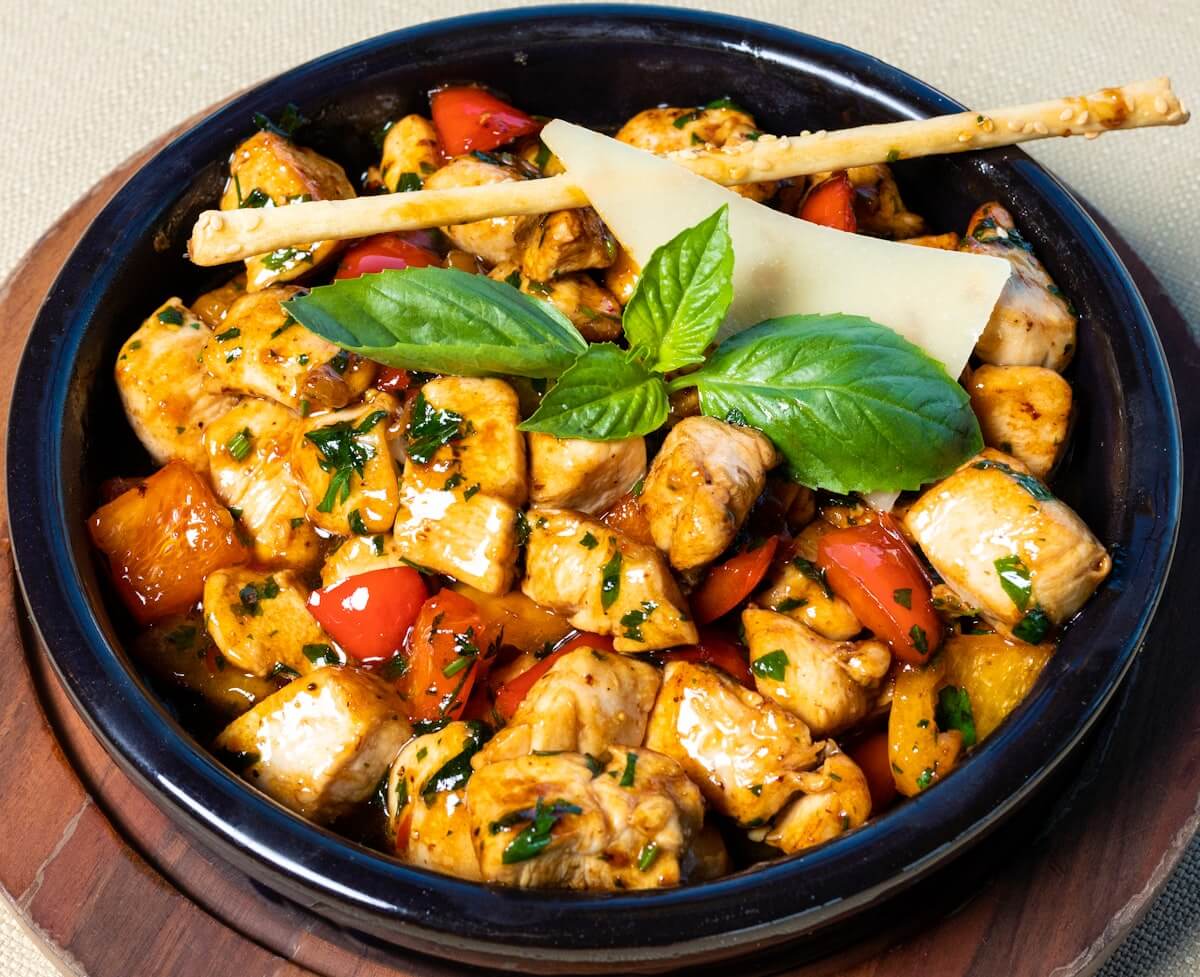
Restaurant chicken piccata is traditionally swimming in white wine. This halal adaptation uses rich broth, cold butter, and briny capers for an unforgettable bright citrus pan sauce. Butterfly two large halal chicken breasts horizontally into four thin cutlets. Lightly dredge in flour seasoned with salt, black pepper, and garlic powder. Heat 2 tablespoons of olive oil in a stainless steel skillet over medium-high heat. Sear the cutlets for 3 minutes per side until golden brown and cooked through (165°F/74°C); remove to a warm plate. In the same hot pan, pour in 3/4 cup of rich halal chicken broth, 3 tablespoons of fresh lemon juice, and 2 tablespoons of drained briny capers. Simmer vigorously for 3 minutes to reduce. Turn off the heat completely, and vigorously whisk in 2 tablespoons of cold cubed unsalted butter until the pan juices transform into a glossy, velvety emulsion. Pour the hot piccata sauce over the chicken cutlets and garnish with chopped fresh flat-leaf parsley. Enjoy the zesty elegance of our chicken piccata.
4. Neapolitan-Style Margherita Flatbread Pizza
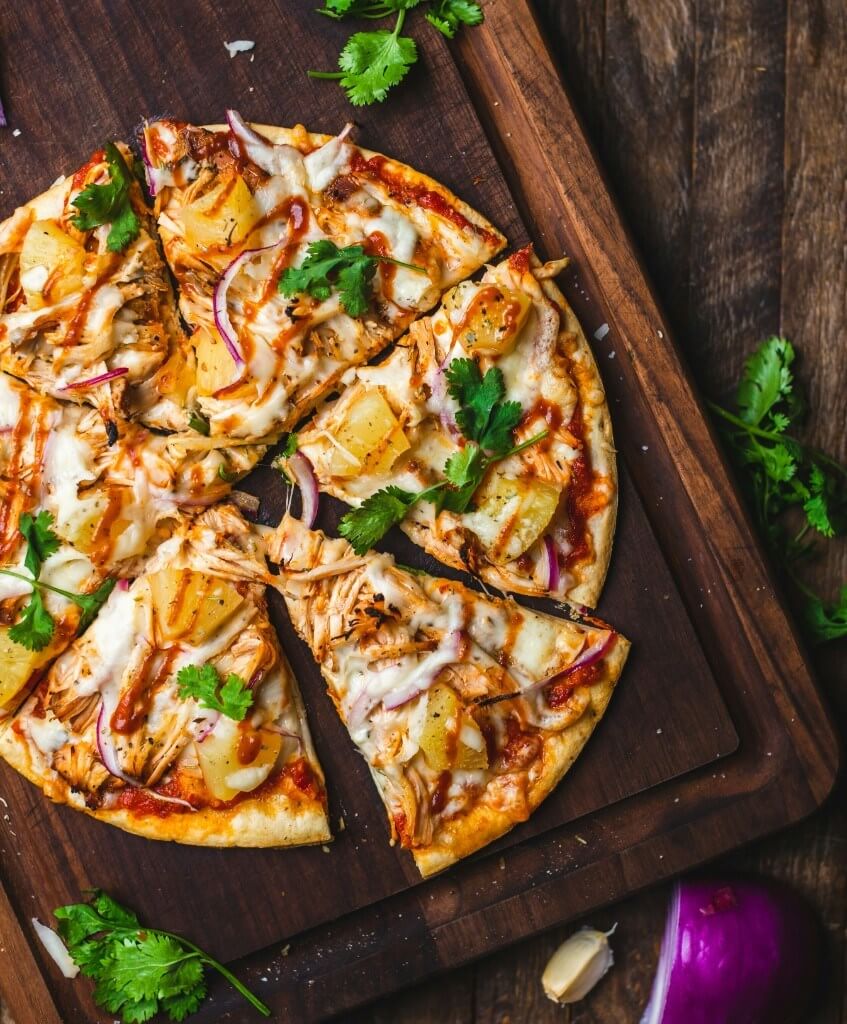
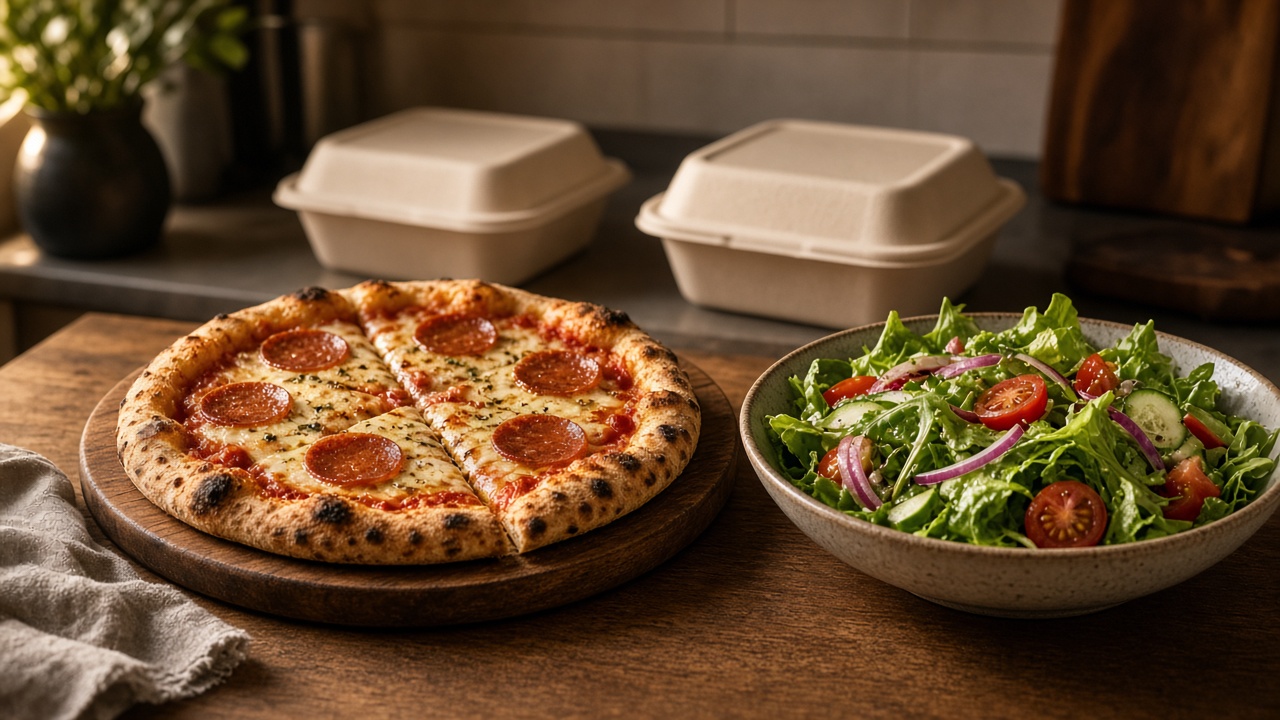
You do not need a 900-degree wood-fired brick oven to enjoy authentic Neapolitan pizza. Use a preheated cast-iron skillet or heavy pizza stone at 500°F (260°C). Roll out a simple cold-fermented dough made from Italian "00" flour, water, yeast, and salt (or use artisanal whole-wheat flatbreads for speed). Spread a thin layer of uncooked crushed San Marzano tomatoes seasoned only with olive oil and salt. Tear fresh halal Fior di Latte or whole-milk mozzarella into rustic chunks and distribute evenly across the sauce. Bake for 8 to 10 minutes until the crust is blistered and charred in spots and the cheese is bubbling. Remove from the oven, immediately scatter fresh whole basil leaves over the hot cheese, and finish with a spiral drizzle of cold-pressed extra virgin olive oil. Discover the clean simplicity of our margherita flatbread pizza.
The 5-Day Halal Italian Weeknight Dinner Schedule
Incorporate authentic Italian comfort into your weekly family dinners without spending hours over the stove:
| Day & Italian Meal | Pasta Shape or Foundation | Active Prep Time | Halal Ingredient Focus & Technique |
|---|---|---|---|
| Monday: Classic Penne all'Arrabbiata | Bronze-die Penne Rigate | 20 minutes | Slow-bloomed garlic and chili oil; starchy pasta water emulsification. |
| Tuesday: Wild Mushroom & Spinach Tagliatelle | Egg Fettuccine or Tagliatelle | 22 minutes | Chicken bone broth + fresh lemon deglazing swap; microbial hard cheese. |
| Wednesday: Skillet Chicken Piccata with Garlic Greens | Thin chicken breast cutlets | 18 minutes | Cold butter pan emulsion with briny capers; served with crusty sourdough. |
| Thursday: Baked Chicken & Mozzarella Penne al Forno | Rigatoni or Penne | 35 minutes (baking) | Leftover chicken folded with marinara; topped with melted halal mozzarella. |
| Friday: Artisanal Margherita & Bresaola Pizza Night | Cast-iron fermented dough | 15 minutes | Charred blistered crust, uncooked San Marzano sauce, fresh basil, halal cured bresaola. |
5 Costly Mistakes When Cooking Italian Food at Home
Ensure your Italian cooking rivals authentic trattorias by avoiding these five frequent errors:
- Rinsing Cooked Pasta Under Tap Water: Never pour cold tap water over freshly boiled pasta. Rinsing washes away all the delicate surface starches that allow sauces to cling to the noodles. Instead, lift pasta straight from the boiling water with tongs or a spider strainer directly into your simmering skillet of sauce.
- Adding Olive Oil to the Pasta Boiling Water: An old kitchen myth suggests adding olive oil to pasta water keeps noodles from sticking together. In reality, oil floats on top of the water; when you drain the pasta, the oil coats the noodles in a slick film that prevents sauce from adhering. Simply use a large pot of rapidly boiling water and stir during the first two minutes.
- Burning the Garlic in Olive Oil: Garlic has high sugar content and burns easily when exposed to screaming heat. Burnt garlic turns bitter, acrid, and completely ruins a delicate tomato sauce. Always add garlic to cool or medium-low oil, letting it cook gently until pale blonde before adding tomatoes.
- Using Pre-Shredded Bagged Cheeses: Bagged supermarket shredded cheeses are coated in powdered cellulose (wood pulp) and potato starch to prevent clumping in the bag. These starches prevent the cheese from melting smoothly, causing sauces to become grainy and greasy. Always buy whole blocks of vegetarian-rennet cheese and grate them freshly with a microplane.
- Overcooking Pasta Past the "Al Dente" Threshold: Pasta that is boiled until completely limp and mushy has a high glycemic index and terrible mouthfeel. Cook pasta until it is *al dente*—firm to the tooth with a tiny white core still visible when bitten in half. Remember that pasta continues cooking for another two minutes when tossed in the hot sauce pan.
Streamline Your Italian Meal Prep with Digital Tools
Plan your Italian dinners effortlessly and eliminate grocery store confusion with our suite of free tools:
- Organize your weekly pasta, pizza, and salad dinners with the meal plan generator.
- Consolidate durum wheat pastas, San Marzano tomatoes, fresh herbs, and halal cheeses into one organized checklist using the grocery list generator.
- Hosting a Friday night Italian pizza party? Scale flour, yeast, cheese, and topping proportions instantly with the servings scaler.
- Have extra cooked pasta or leftover marinara sauce in the fridge? Repurpose them into savory skillet frittatas with the leftover finder.
Frequently Asked Questions
Can true Italian Parmigiano Reggiano ever be considered halal?
Under strict traditional European Union certification laws, authentic Italian Parmigiano Reggiano PDO is legally required to use animal calf rennet. For this reason, conventional imported Parmigiano Reggiano wheels cannot be considered halal. However, many Italian and global dairy producers manufacture identical aged hard cheeses—often labeled as "Italian Style Hard Grating Cheese" or "Formaggio Duro"—using microbial enzymes or certified vegetarian rennet, which provide the identical nutty umami depth while remaining 100% halal.
How can I make an authentic Roman Carbonara without pork pancetta?
Authentic carbonara relies on eggs, cheese, black pepper, and cured meat fat. To make a sublime halal carbonara, crisp 4 strips of thick-cut halal beef bacon or smoked turkey bacon in 1 tablespoon of olive oil until crunchy. Remove pan from heat. Whisk 2 whole eggs plus 2 egg yolks with 1/2 cup of finely grated microbial-rennet hard cheese and plenty of cracked black pepper. Toss hot al dente spaghetti with the crisped bacon, then immediately pour in the egg-cheese mixture, tossing vigorously off the heat so the residual heat cooks the eggs into a silky custard without scrambling them.
Does wine alcohol really not burn off during home cooking?
Scientific research from the USDA and food chemistry institutions confirms that the belief that alcohol "burns off" during cooking is largely a myth. While boiling liquids evaporates some ethanol, significant amounts remain: boiling wine for 15 minutes leaves roughly 40% of the alcohol behind; even a long 2-hour simmer leaves 5% to 10% residual alcohol. For strict halal dietary adherence, using 100% alcohol-free bone broth and natural fruit acid substitutions is the only safe and reliable route.
Why is bronze-die extruded pasta superior to standard commercial pasta?
Cheaper commercial dry pastas are extruded through smooth Teflon dies, resulting in shiny, slippery noodles that sauces slide right off. High-quality artisanal pastas are extruded through traditional textured bronze dies (*trafilata al bronzo*), which leaves the pasta surface rough, matte, and chalky. These micro-crevices act like microscopic velcro, grabbing onto tomato emulsions and olive oil so every bite is richly coated with sauce.