Recipe Planning
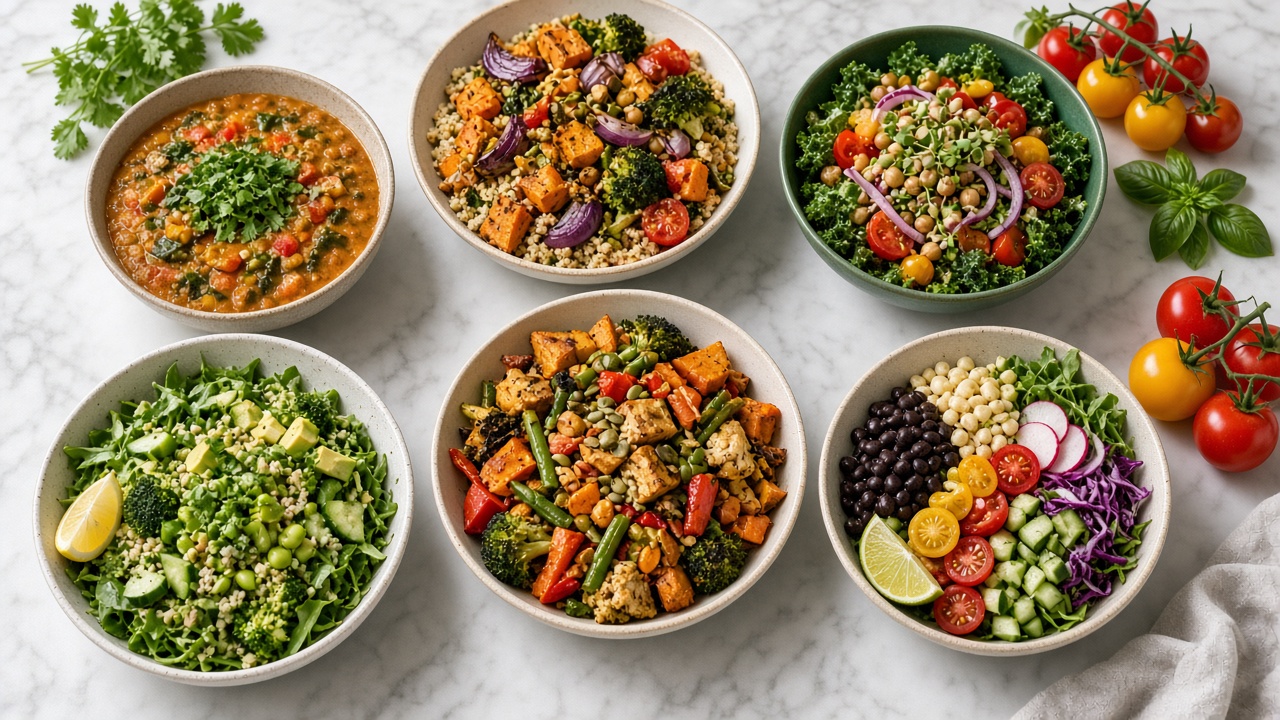
A well-constructed 7-day vegan meal plan is one of the most vibrant, fiber-dense, and satisfying ways to nourish your body. However, many people who transition to 100% plant-based eating encounter common stumbling blocks during their first week: 3 p.m. energy slumps from insufficient protein density, exorbitant grocery bills driven by commercial mock meats, and soggy vegetables rotting in the crisper drawer. When plant-based eating feels overwhelming or expensive, the breakdown is almost never the philosophy — it is the weekly kitchen system.
The solution is an intentional operational system built around high-yield whole food proteins: extra-firm pressed tofu, hearty brown lentils, protein-packed chickpeas, black beans, and nutrient-dense seeds. By pairing these versatile anchors with deeply satisfying umami-rich sauces and an overlapping grocery basket, you can enjoy seven nights of gourmet plant-based dinners while shopping only once. This guide provides your full weekly schedule, prep logistics, and nutritional safeguards.
Culinary Note: This guide offers home cooking frameworks and menu planning ideas. If you are adopting a long-term vegan diet, consult a qualified healthcare provider or registered dietitian regarding long-term supplementation protocols, specifically for vitamins B12 and D3, iodine, and omega-3 fatty acids (EPA/DHA).
The plant-protein pairing framework
To feel energetic and physically full throughout a vegan workweek, you cannot simply remove meat and eat a bowl of steamed vegetables and white pasta. You must deliberately architect each plate for complete satiety. Professional plant-based chefs use the Protein-Fiber-Fat (PFF) Trinity:
- Target 20–30g Plant Protein per Meal: Combine legumes (lentils, chickpeas, edamame), minimally processed soy (tempeh, extra-firm tofu), and high-protein grains (quinoa, wild rice, farro).
- Leverage Healthy Viscous Fats: Avocado, cold-pressed olive oil, toasted sesame tahini, and walnut halves slow digestion and ensure proper absorption of fat-soluble vitamins (A, D, E, and K).
- Activate Umami Chemistry: Plants lack the glutamates concentrated in meats. Boost savory depth naturally by searing alliums, simmering dried shiitake mushrooms, adding nutritional yeast, and deglazing with tamari, smoked paprika, and tomato paste.
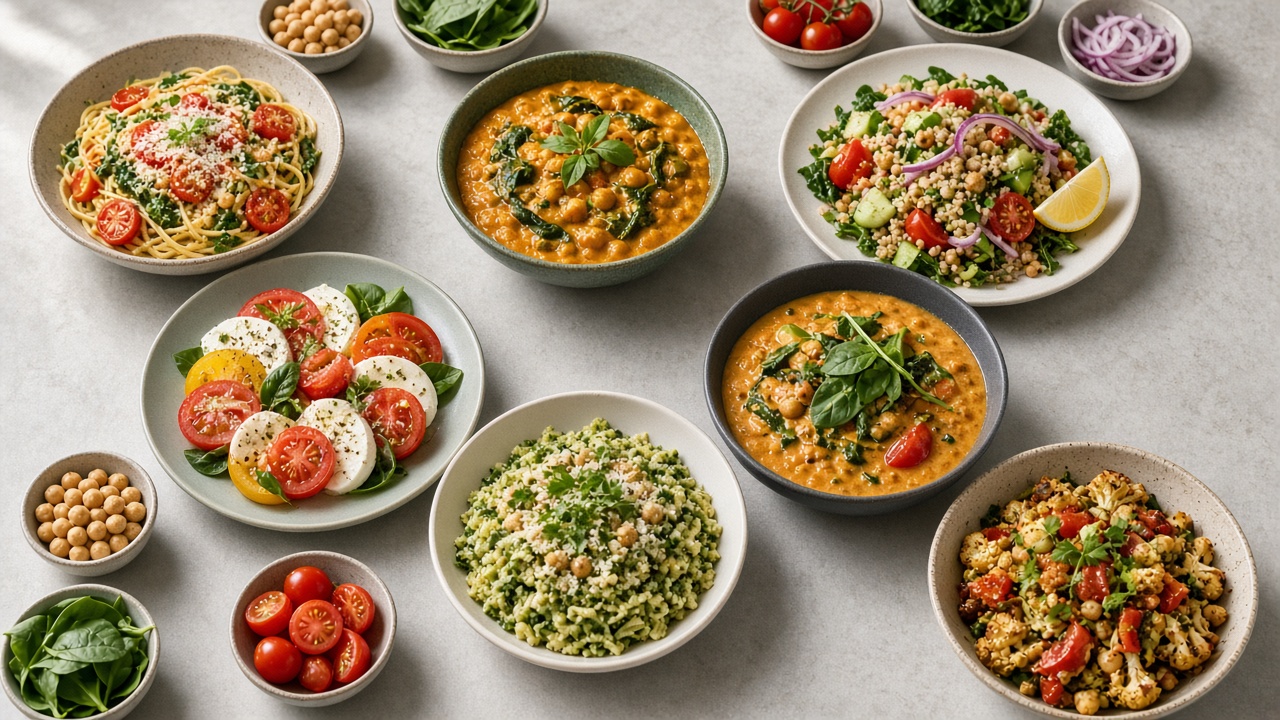
7-day vegan meal plan with overlapping prep
This plan prioritizes batch-prepped base grains and legumes so that weeknight dinner prep stays under 30 minutes. Portions can be tailored easily with our servings scaler.
| Day | Breakfast | Lunch | Dinner | Plant Protein & Storage Strategy |
|---|---|---|---|---|
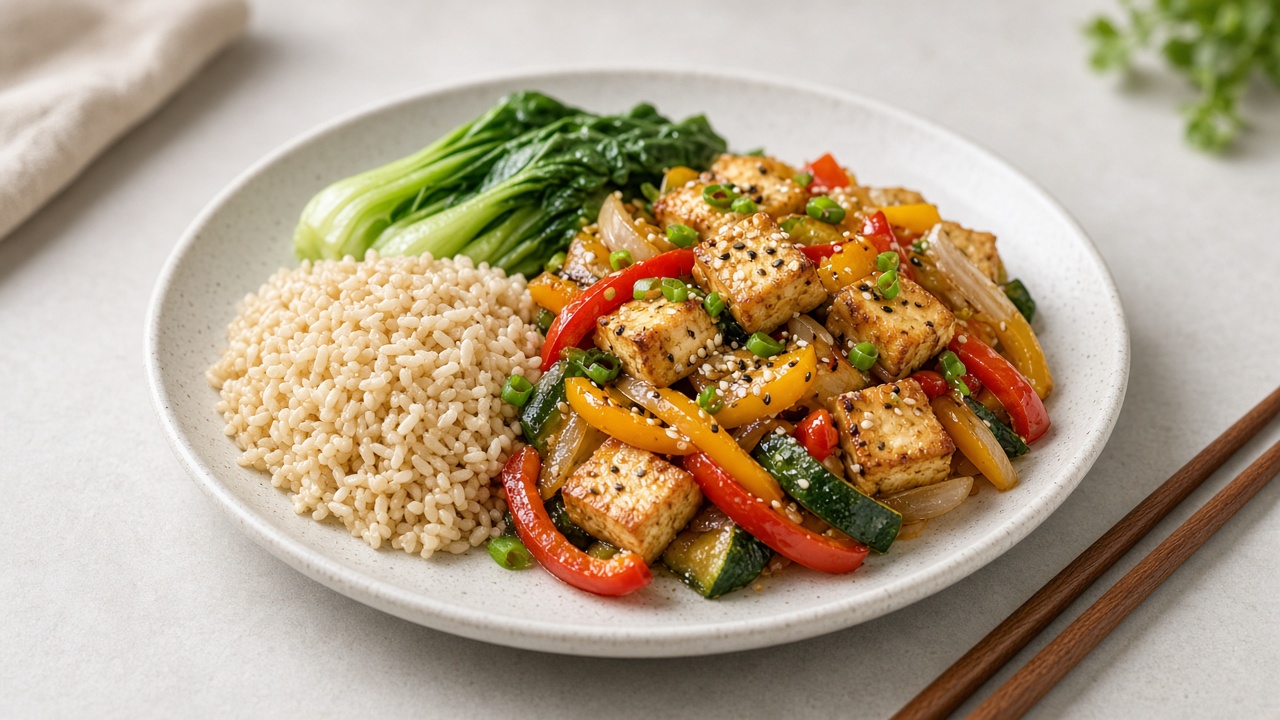
| Monday | Warm rolled oats with chia seeds, creamy peanut butter, sliced banana, and hemp hearts | Mediterranean chickpea salad bowl with cucumbers, parsley, kalamata olives, and lemon vinaigrette | Golden pan-seared vegetable stir-fry with tofu over brown jasmine rice | Press extra-firm tofu for 20 minutes before cubing and searing in sesame oil with ginger, garlic, and tamari. |
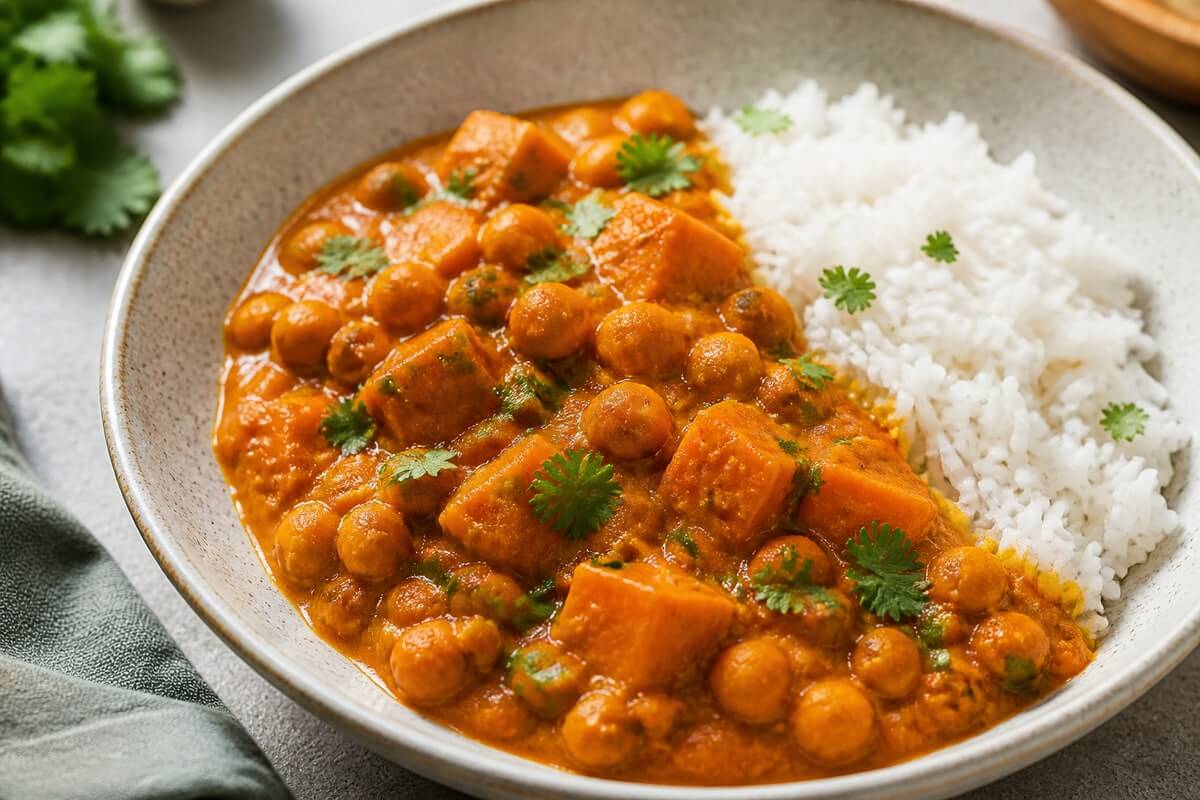
| Tuesday | Avocado toast on whole-grain sourdough with hemp seeds, radish slices, and nutritional yeast | Leftover tofu stir-fry and brown rice with a side of steamed edamame | Fragrant chickpea and sweet potato curry with coconut milk and baby spinach | Double the curry batch; sweet potatoes and canned chickpeas absorb rich spices and taste even better on day two. |
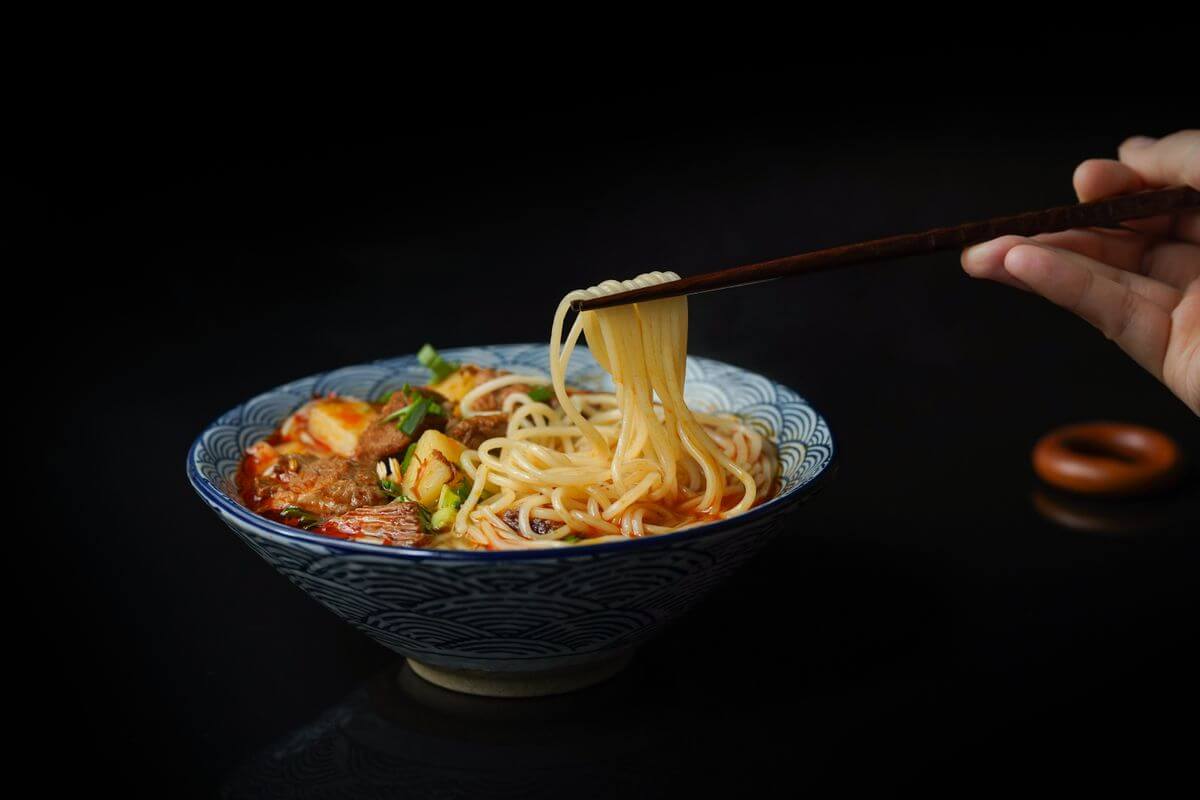
| Wednesday | Green powerhouse smoothie with baby spinach, frozen mango, hemp protein, and soy milk | Leftover chickpea sweet potato curry served over warm quinoa | Savory peanut noodle bowl with shredded purple cabbage, carrots, and edamame | Whisk natural peanut butter with lime juice, warm water, tamari, and maple syrup for a luxurious 5-minute dressing. |
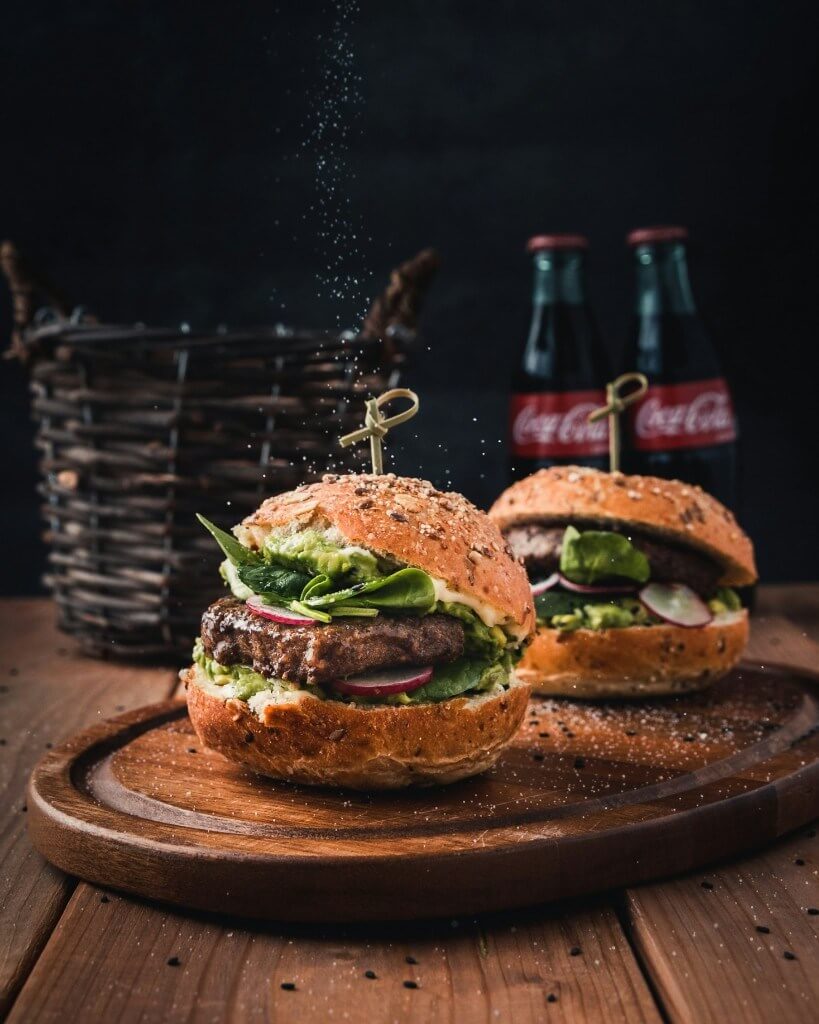
| Thursday | Tofu scramble with turmeric, nutritional yeast, diced bell peppers, and scallions | Leftover cold peanut noodles tossed with fresh cilantro and toasted sesame seeds | Hearty homemade black bean burgers on toasted buns with guacamole and sweet potato wedges | Mash black beans with ground oats, cumin, and minced onion; pan-sear patties in olive oil until a crisp crust forms. |
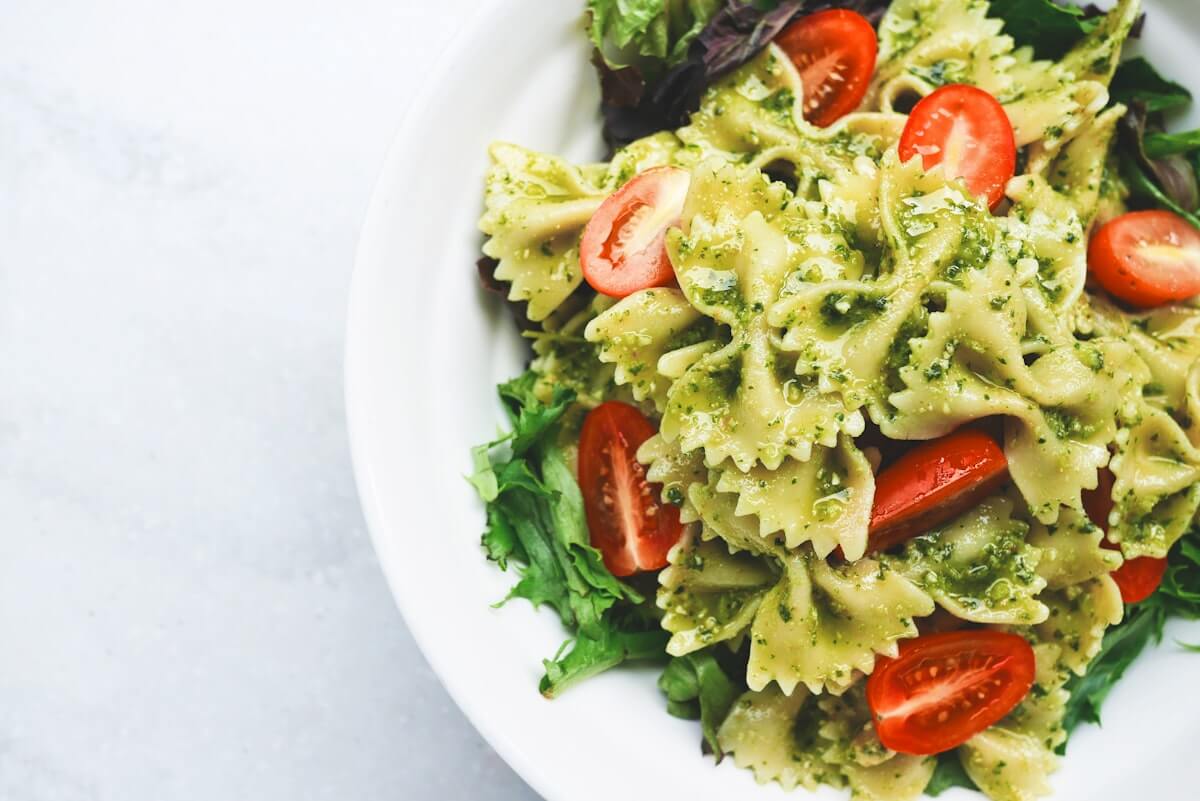
| Friday | Overnight oats soaked in almond milk with cocoa powder, chia seeds, and fresh berries | Leftover black bean burger patty crumbled over a massive southwest garden salad | Creamy dairy-free pesto pasta with roasted cherry tomatoes and white cannellini beans | Blend fresh basil, pine nuts (or walnuts), garlic, lemon, nutritional yeast, and olive oil for rich dairy-free pesto. |
| Saturday | Buckwheat waffles topped with warm blueberry compote and toasted crushed almonds | Cannellini bean and pesto salad stuffed inside toasted whole wheat pita pockets | Rustic lentil shepherd’s pie topped with golden mashed potatoes | Simmer brown lentils with mirepoix, tomato paste, vegetable stock, and rosemary; top with whipped potatoes and bake. |
| Sunday | Scrambled tofu breakfast burrito with roasted salsa, black beans, and sliced avocado | Leftover lentil shepherd’s pie served with a crisp green side salad | Slow-simmered Moroccan vegetable stew with apricots, chickpeas, and fluffy couscous | Clean out the crisper drawer using remaining zucchini, carrots, and onions; season with cinnamon and coriander. |
The single supermarket shopping basket
Stop running between three different specialty stores. This plan is fully satisfied by a single trip down standard grocery aisles:
- Proteins & Legumes: 2 packages (14 oz each) extra-firm organic tofu, 4 cans organic chickpeas, 2 cans black beans, 1 bag dry brown or French green lentils, and 1 bag shelled frozen edamame.
- Produce: 2 heads broccoli, 1 head purple cabbage, 1 lb baby spinach, 2 large sweet potatoes, 1 container fresh basil, 4 lemons, 3 limes, 4 ripe avocados, and 1 bunch cilantro.
- Pantry & Grains: Brown jasmine rice, tri-color quinoa, whole wheat spaghetti or noodles, rolled oats, hemp hearts, and chia seeds.
- Condiments & Flavor: Natural unsweetened peanut butter, nutritional yeast, low-sodium tamari, full-fat canned coconut milk, and ground cumin.
Use our free grocery list generator to merge ingredients by store aisle, and check our leftover finder when repurposing surplus herbs.
What fails: 5 mistakes that make vegan weeks difficult
- Relying exclusively on ultra-processed mock meats: While commercial vegan patties and faux cheeses are convenient occasional treats, making them the centerpiece of every dinner leads to sodium overload and nutrient gaps. Prioritize whole legumes, tofu, and seeds as your daily foundation.
- Failing to press and season tofu properly: Cooking tofu straight out of its watery brine results in a spongy, bland texture. Press your block between paper towels under a heavy skillet for 15–20 minutes, cube it, toss with a teaspoon of cornstarch, and pan-fry in hot oil before saucing.
- Ignoring non-heme iron absorption: Plant-based iron (non-heme) is less readily absorbed than animal-derived heme iron. Dramatically enhance bioavailability by always pairing iron-rich lentils, spinach, and beans with vitamin C sources like fresh lemon juice, bell peppers, or tomatoes.
- Eating insufficient total caloric volume: Whole plant foods are naturally lower in caloric density than meat and dairy. If you eat the exact same visual portion size, you will likely run a 500-calorie deficit and experience severe evening hunger. Add generous scoops of whole grains, legumes, and healthy fats.
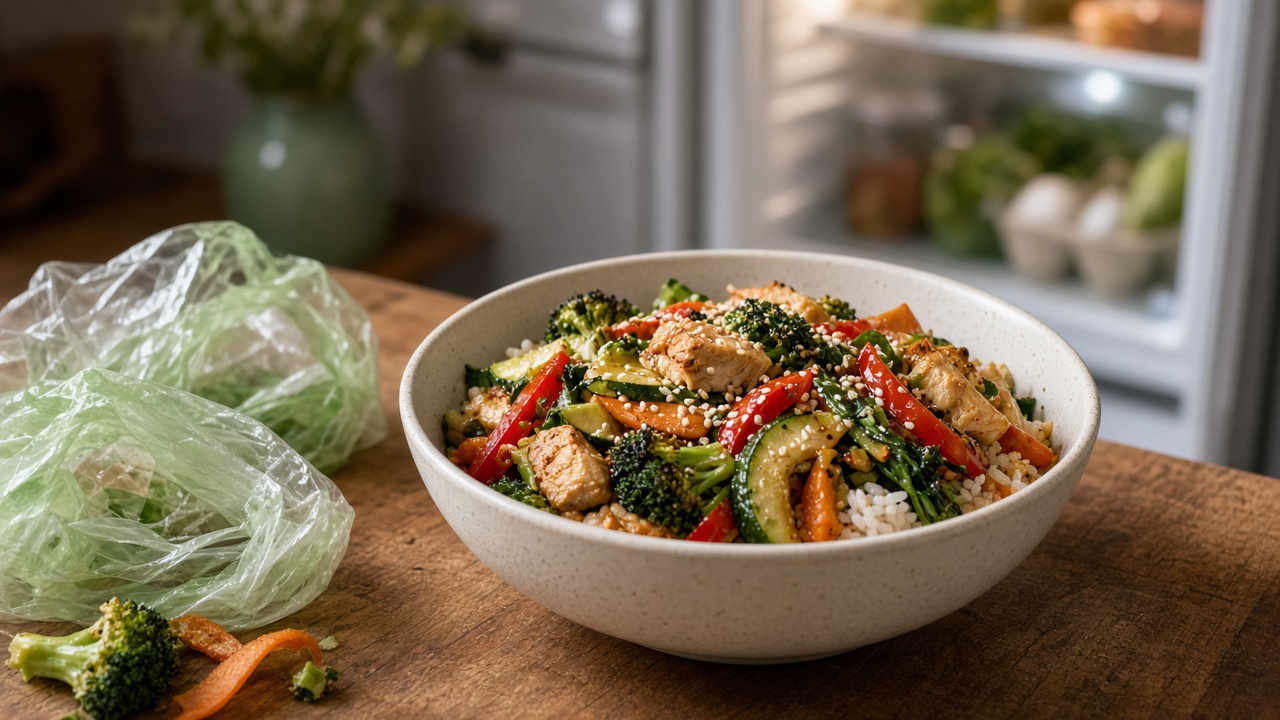
- Letting delicate herbs rot: Fresh cilantro and basil quickly turn to slime if stored improperly. Trim their stems, place them in a glass of water like cut flowers, cover loosely with a reusable produce bag, and store on your counter or refrigerator door.
Frequently asked questions
How do I get all essential amino acids without eating animal products?
You do not need to combine specific complementary proteins at every single bite. As long as you consume a diverse variety of plant proteins throughout the 24-hour day — such as tofu (a complete protein), lentils paired with rice, and seeds sprinkled over oats — your liver maintains an amino acid pool that readily synthesizes all bodily proteins.
How long do prepped vegan meals keep safely in the refrigerator?
Cooked lentils, chickpea curries, black bean patties, and roasted vegetables maintain peak quality and food safety for 4 to 5 days when stored in airtight glass containers at or below 40°F (4°C). Cooked tofu stir-fries are best enjoyed within 3 to 4 days.
What should I substitute if I have a soy or peanut allergy?
If avoiding soy, replace tofu with cooked chickpeas, cannellini beans, or hemp-seed patties. For peanut allergies, swap peanut butter in the noodle sauce with roasted sunflower seed butter (sunbutter) or toasted sesame tahini for an equally rich, savory emulsion.
Can I freeze portions of the curry and shepherd's pie?
Both the chickpea curry and lentil shepherd's pie freeze wonderfully for up to 3 months. Portion them into freezer-safe glass containers, allow them to cool completely, and label with the date. Thaw overnight in the refrigerator before reheating gently.